

Removing dried-on blood stains requires breaking down complex proteins that have bound tightly to fabric fibres. Sodium bicarbonate (baking soda) serves as an effective, non-destructive agent to break these chemical bonds and lift the stubborn discolouration without damaging the textile structure.
The Material Science of Dry Blood Stains
Blood contains hemoglobin, an iron-rich protein designed to coagulate and seal wounds. When spilled onto textiles, this biological fluid behaves similarly: exposure to atmospheric oxygen triggers coagulation and polymerisation. Over time, the iron within the hemoglobin oxidises, converting the bright red stain into a dark brown methemoglobin compound that is highly insoluble in water. Additionally, the proteins undergo cross-linking, a chemical process where polymer chains bind to each other and to the porous fibres of the fabric. This is why applying heat to a blood stain is catastrophic; thermal energy permanently denatures the proteins, essentially cooking them into the textile matrix and making them nearly impossible to remove without destroying the underlying fabric.
The Chemical Mechanism of Sodium Bicarbonate
Sodium bicarbonate is a mild alkali with a pH of approximately 8.3 in an aqueous solution. This slight alkalinity is key to its stain-removing power. In water, it releases bicarbonate and hydroxide ions. These ions gently disrupt the hydrogen bonds that hold the dried, cross-linked protein structures together. The alkaline environment causes the organic fibres (especially cellulose-based fibres like cotton and linen) to swell slightly. This swelling increases the distance between individual threads, facilitating water penetration and releasing the trapped pigment particles. Furthermore, sodium bicarbonate crystals are slightly abrasive but dissolve slowly in water. This physical property allows for a gentle scrubbing action that lifts the oxidised iron compounds from the fabric weave without causing mechanical wear or shearing the delicate fibres.
The Step-by-Step Removal Protocol
To successfully treat an old, set-in blood stain using sodium bicarbonate, you must follow a precise thermodynamic and chemical sequence. The process relies on cold temperatures and osmotic displacement.
1. Cold-Water Hydration
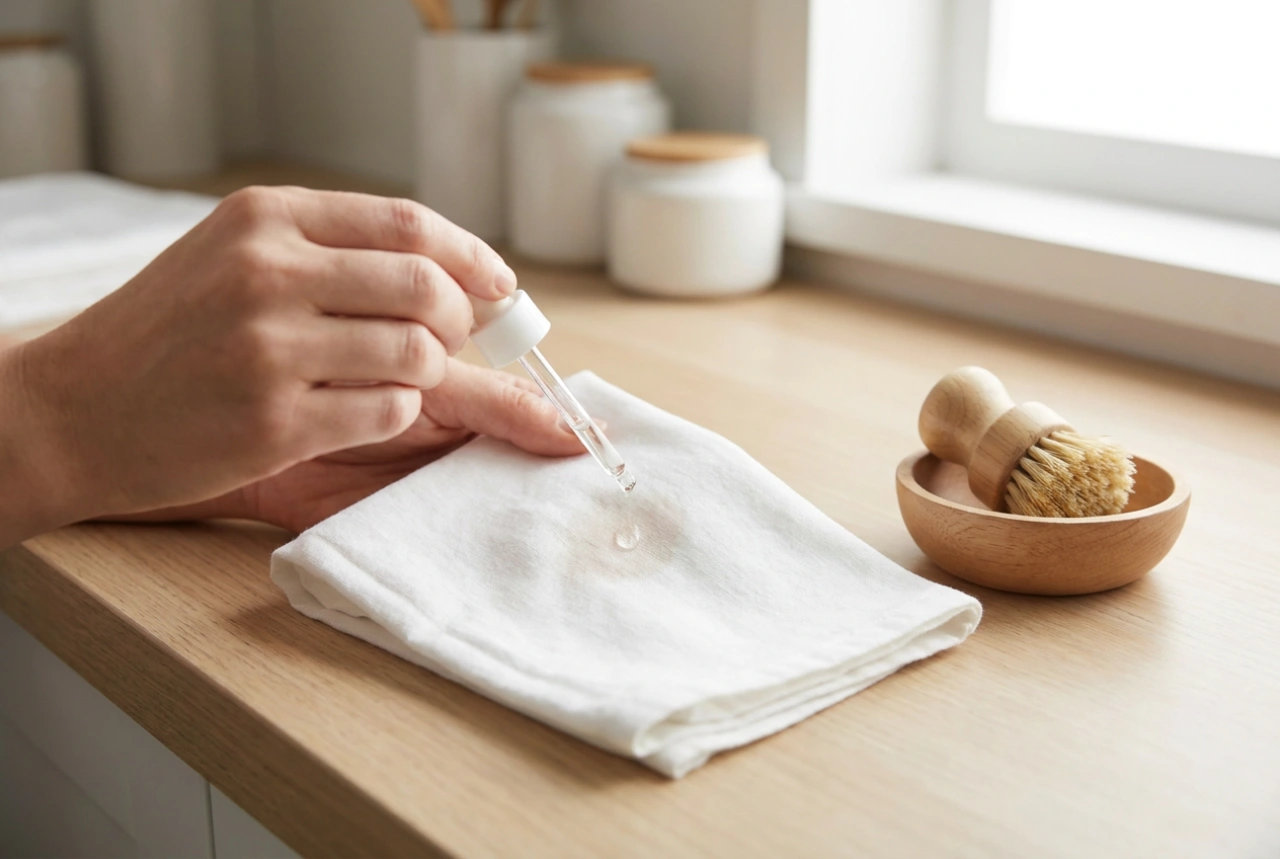
Always begin by soaking the stained area in cold water for at least fifteen minutes. Cold water rehydrates the dried proteins, softening the outer crust of the stain. Never use warm or hot water, as even moderate heat will set the remaining proteins permanently.
2. Creating and Applying the Paste
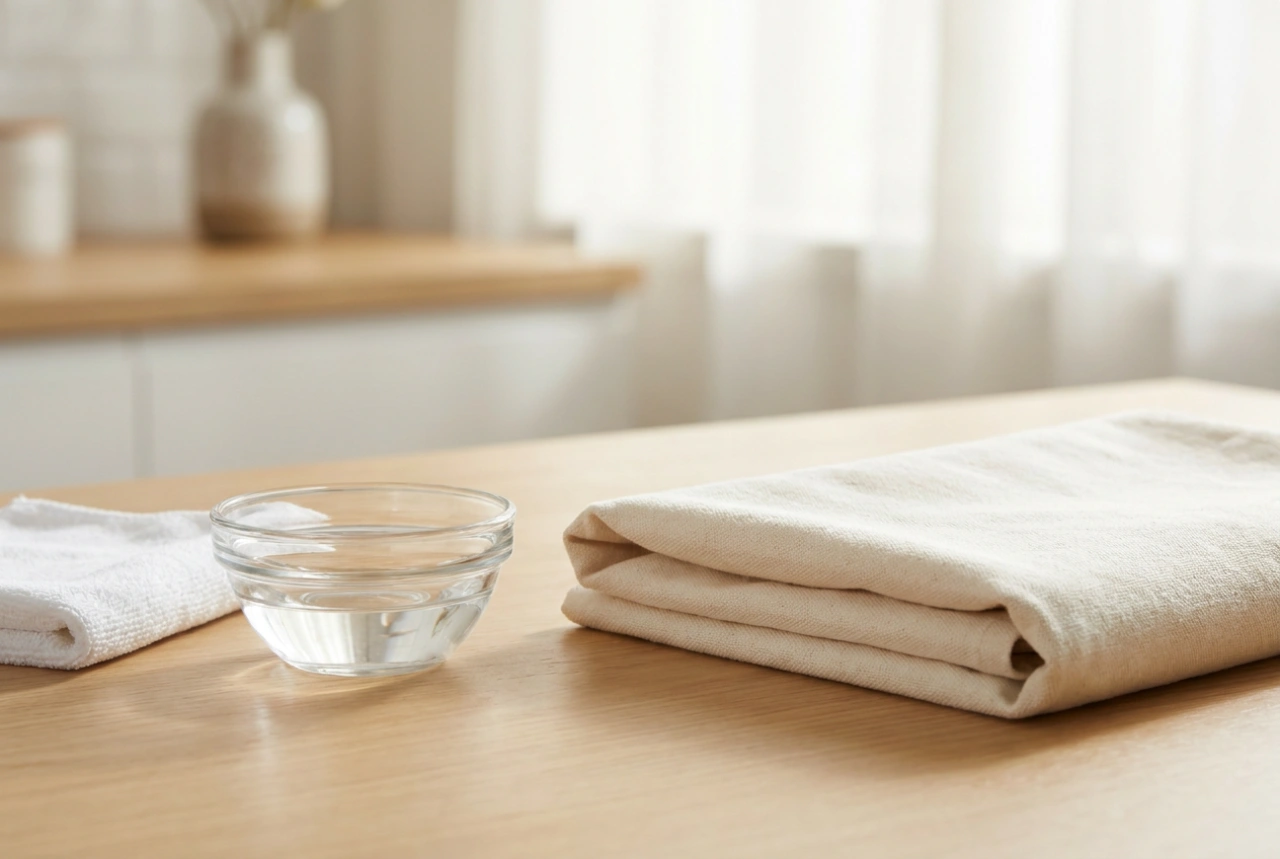
Mix three parts sodium bicarbonate with one part cold water in a small ceramic vessel to form a dense, uniform paste. This specific ratio creates a highly concentrated mixture with high osmotic pressure. When applied to the damp fabric, the paste draws the dissolved protein molecules out of the fabric fibres and into its own matrix. Spread the paste evenly over the stain, extending about half a centimetre beyond the visible borders.
3. The Reaction Phase
Allow the paste to sit undisturbed for 30 to 45 minutes. During this time, the alkaline reaction works to sever the protein-to-fibre bonds, while the physical drying of the paste helps draw the oxidised iron pigments upward away from the textile base.
4. Targeted Mechanical Action and Reverse Flushing
Using a soft-bristled brush, gently work the paste into the stained area using light, circular motions, starting from the outer perimeter and moving toward the centre. This motion prevents the pigment from spreading outwards. Once the agitation is complete, turn the fabric inside out and flush the area from the reverse side under cold, running water. This physical direction forces the loosened protein and iron particles out of the weave instead of driving them deeper into the material.
Treating Sensitive and Robust Fibres Differently
The success of this chemical treatment depends heavily on the fabric composition. Cellulose fibres, such as cotton, hemp, and linen, have high chemical resistance to mild alkalis, making this method exceptionally safe and effective for them. However, protein-based fibres like silk and wool are highly sensitive to pH changes. High alkalinity can weaken their structural proteins (keratin and fibroin), leading to loss of elasticity and fibre degradation. For these delicate materials, the paste should only be left on for a maximum of ten minutes, followed by immediate, thorough rinsing with cold water. For stubborn stains on pure white cotton fabrics, you can enhance the reaction by replacing the water in the paste with a 3% hydrogen peroxide solution. The resulting chemical reaction releases active oxygen bubbles that physically blast the oxidised iron pigments out of the tightest weave structures.