

Integrating a double-sided easel into a child's dedicated study space offers a dynamic, tactile medium for active learning while maintaining structural order in the home. By understanding the ergonomics of vertical writing and the chemical properties of different board surfaces, parents can create a highly functional, clutter-free station that supports cognitive development and fine motor skills.
The Ergonomics and Science of Vertical Writing
Unlike traditional horizontal desks, writing on a vertical surface engages different muscle groups and cognitive pathways. Working at shoulder level requires a child to stabilise their wrist and shoulder joint, which builds the muscle memory necessary for refined motor tasks. This posture naturally discourages slouching, promoting better spinal alignment and deeper breathing during cognitive activities.
From a sensory and visual perspective, a vertical plane aligns directly with a child's natural line of sight. This reduces visual fatigue by keeping the focus area at a constant distance from the eyes, avoiding the constant refocusing required when looking down at a flat desk. Additionally, the physical act of crossing the midline—reaching from one side of a wide board to the other—strengthens bilateral integration, which is essential for reading and writing flow.
Material Science: Chalkboard vs. Dry-Erase Whiteboard
A high-quality double-sided board typically features a traditional slate-like chalkboard on one side and a modern dry-erase whiteboard on the other. Each surface interacts with writing media in unique ways due to its material composition:
- The Chalkboard Surface: High-quality chalkboards are usually made of painted slate or coated hardboard. Traditional chalk is composed of calcium carbonate or calcium sulphate. Writing on this textured surface creates physical resistance, providing rich feedback to the brain. This tactile friction helps younger children understand the relationship between applied force and the resulting marks on the board.
- The Dry-Erase Whiteboard: This side is typically made of melamine, painted steel, or porcelain-on-steel. Porcelain is highly non-porous and resistant to staining, whereas melamine is lighter but wears down faster over time. Dry-erase markers use a solvent-based pigment that dries into a plastic film. Since the surface is non-porous, the dried film does not bind to the substrate and can be wiped away easily, leaving no residue when treated correctly.
Maintaining Surface Integrity: Cleaning Chemistry
Maintaining these surfaces requires a basic understanding of material science to avoid permanent damage. Standard household cleaners can strip protective coatings, leading to ghosting on whiteboards or a slick, non-receptive surface on chalkboards.
For chalkboards, regular dry erasing leaves a fine layer of dust that clogs the micro-pores. Periodically, the board should be wiped with a damp microfibre cloth using pure water. To prevent ghosting (where previous writing remains visible as a faint outline), a new chalkboard must be seasoned before first use. This involves rubbing the flat side of a piece of chalk over the entire surface and wiping it clean, which fills the pores evenly and prevents future marks from sinking too deep.
Whiteboards require solvents that dissolve dry-erase ink without dissolving the polymer layer of the board. Isopropyl alcohol diluted to 70% with water is highly effective at breaking down stubborn pigment bonds without degrading porcelain or steel coatings. Avoid using abrasive sponges or chlorinated cleaning agents, which create micro-scratches that permanently trap ink pigments.
Structuring the Study Nook for Optical and Mental Focus
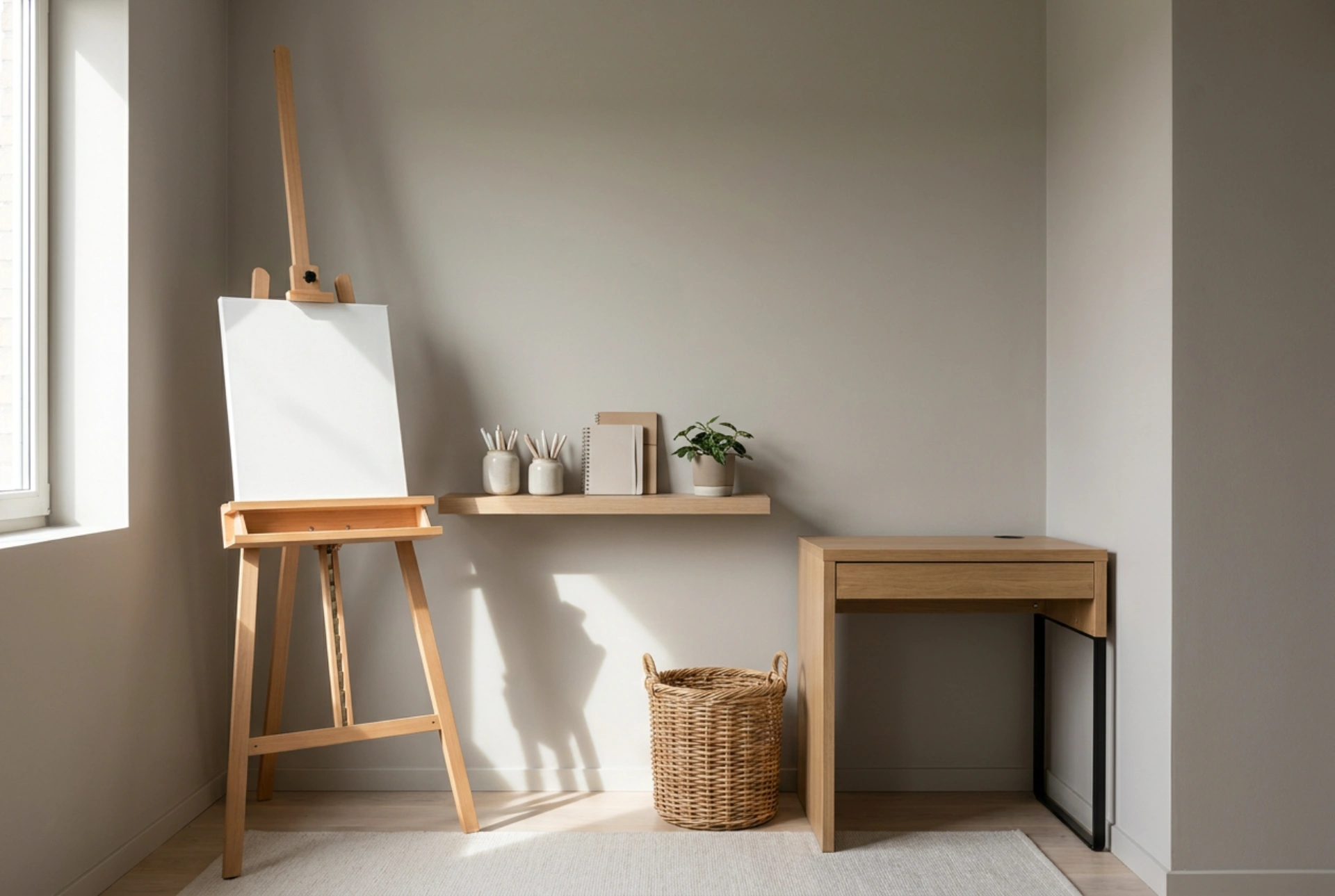
An easel must be positioned strategically within a study nook to prevent visual clutter and maintain mental focus. Place the easel at a 90-degree angle to the primary light source, such as a window. This orientation minimises direct glare on the glossy whiteboard surface while ensuring the matte chalkboard receives adequate illumination without casting heavy shadows.
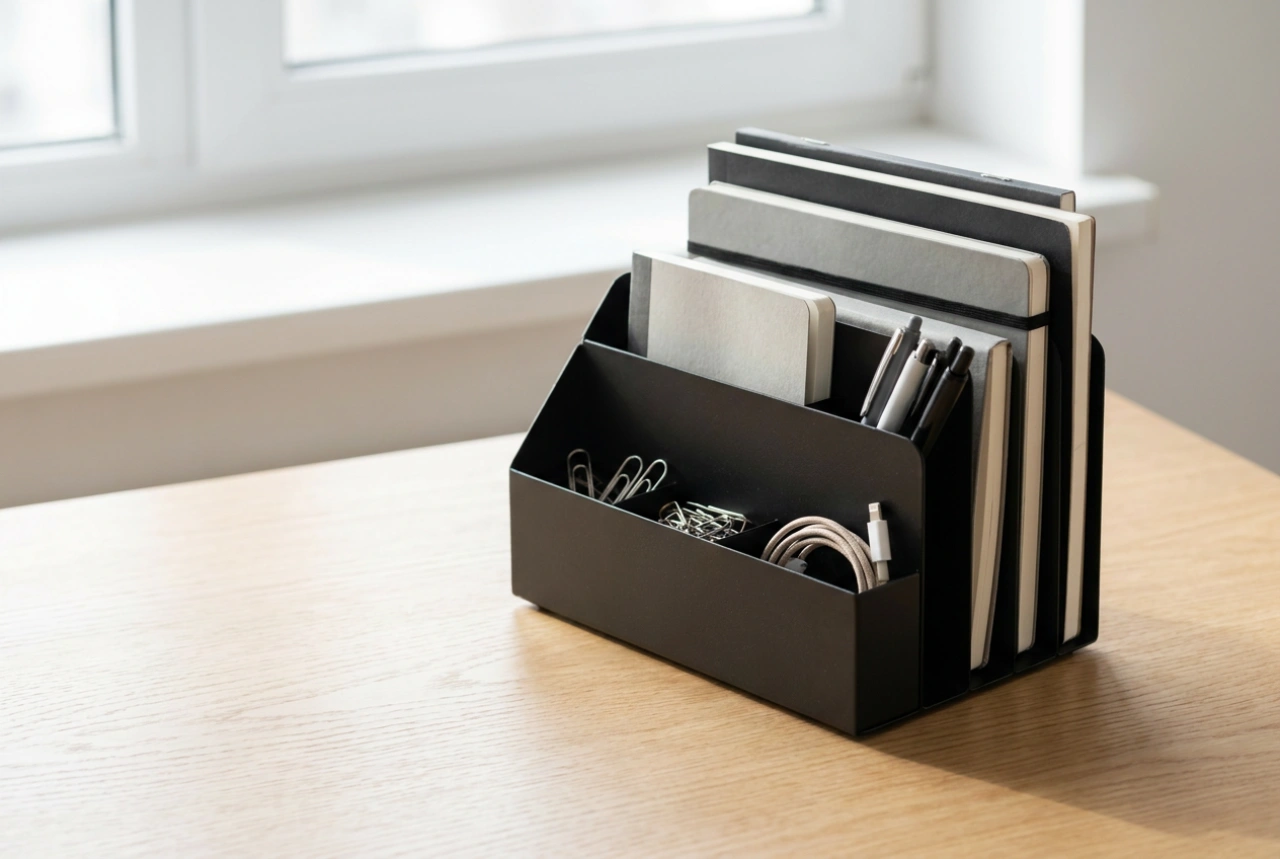
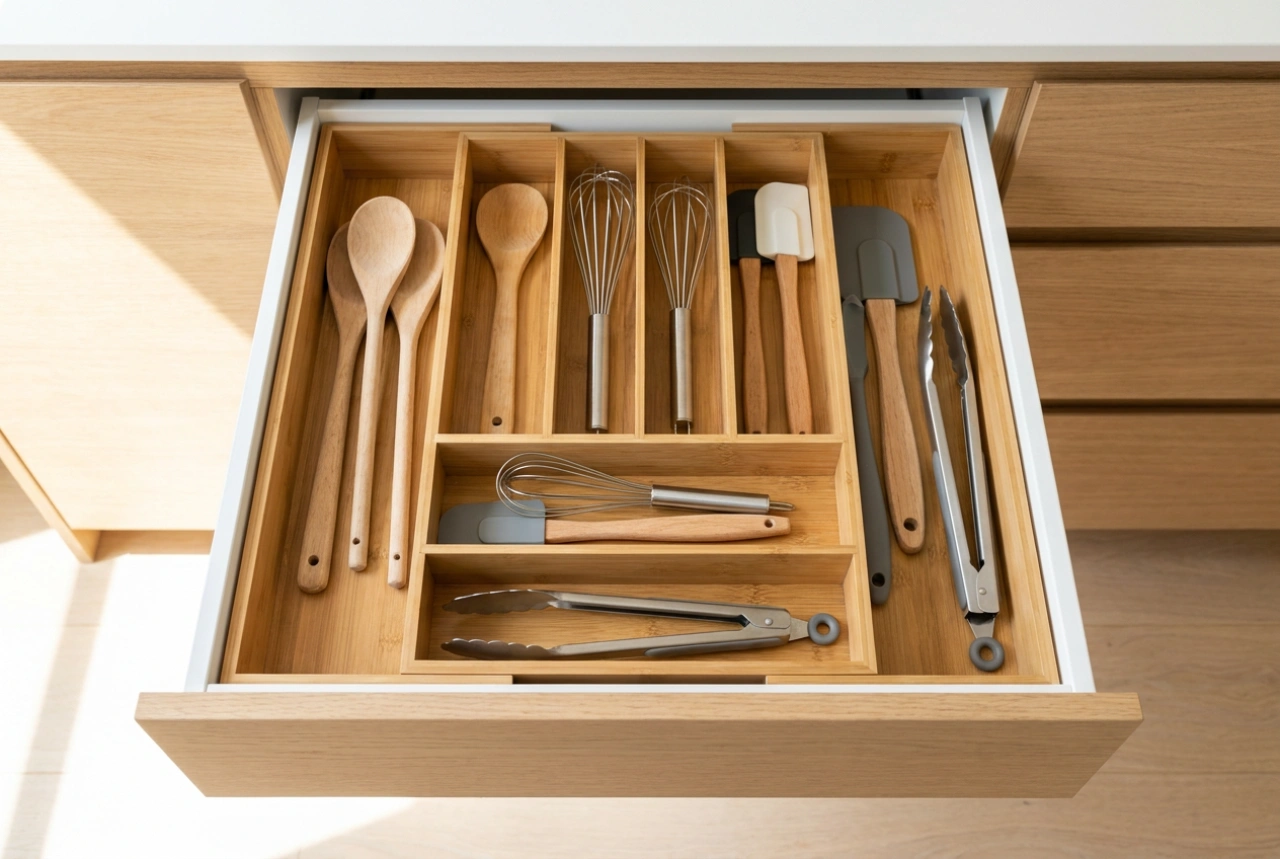
To maintain an organised aesthetic, group writing instruments by their physical properties. Use weighted, non-tip containers at the base of the easel to separate dry-erase markers from chalk. This prevents dust transfer, which can ruin dry-erase nibs. Limit the colour palette of the writing instruments to three or four primary tones to reduce sensory distraction, allowing the child to focus on the structure of their learning tasks rather than sorting through excessive options.