

Oil stains on clothing present a unique chemical challenge because lipids are hydrophobic, meaning they repel water and refuse to dissolve during a standard laundry cycle. Successfully removing these greasy marks requires understanding how surfactants interact with non-polar molecules to break down and lift the oil from fabric fibres.
Why Oil Clings to Fabric: The Molecular Structure
At a molecular level, vegetable oils, animal fats, and motor grease consist of long chains of hydrocarbons. These molecules are non-polar, whereas water is a highly polar solvent. According to the chemical principle of "like dissolves like," polar water molecules prefer to bond with other polar molecules, effectively pushing non-polar lipids away. When oil contacts a fabric, it wraps around the fibres, creating a physical and chemical barrier.
The type of textile determines how tenaciously the oil clings. Natural fibres like cotton are hydrophilic but porous, allowing lipids to penetrate deep into the yarn core. Synthetic fabrics like polyester, nylon, and acrylic are lipophilic (oil-loving) because of their petroleum-derived origin. On synthetics, oil forms strong chemical bonds that can become permanent if exposed to heat, such as from an iron or a tumble dryer, which bakes the lipids into the synthetic polymer chain.
The Power of Surfactants and Emulsification
To dislodge a hydrophobic lipid from a fibre, you must introduce an emulsifier—commonly known as a surfactant. Surfactant molecules possess a dual nature: a lipophilic (hydrophobic) tail that chemically bonds with the grease, and a hydrophilic (lipophobic) head that bonds with water.
When you apply a concentrated surfactant, such as a high-quality dishwashing liquid or liquid laundry detergent, directly to the stain, the lipophilic tails insert themselves into the oil droplet. As water is introduced, the hydrophilic heads pull outward toward the water molecules. This action breaks the bulk oil down into tiny, isolated droplets coated with surfactants, forming structures called micelles. Once suspended in these micelles, the oil can no longer attach to the fabric and is easily rinsed away in the wash.
The Role of Temperature and Mechanical Action
Temperature plays a critical role in the viscosity of lipids. Cold temperatures cause oils to solidify or thicken, locking them within the weave. Raising the water temperature above the melting point of the specific grease reduces its viscosity, making it more fluid and easier to emulsify. Always use the warmest water temperature permitted by the garment's care label to facilitate this phase change.
Mechanical action must be applied strategically to prevent fibre damage. Rubbing a stain aggressively can fray the fabric and push the oil deeper into the weave. Instead, use a soft-bristled brush or a clean microfibre cloth to gently dab or work the surfactant into the fabric using circular motions from the outer edges of the stain inward. Working from the reverse side of the fabric is highly effective, as it pushes the emulsified grease out of the textile structure rather than forcing it through to the other side.
Step-by-Step Oil Extraction Technique
For the most effective stain removal, execute this precise sequence of physical and chemical steps:
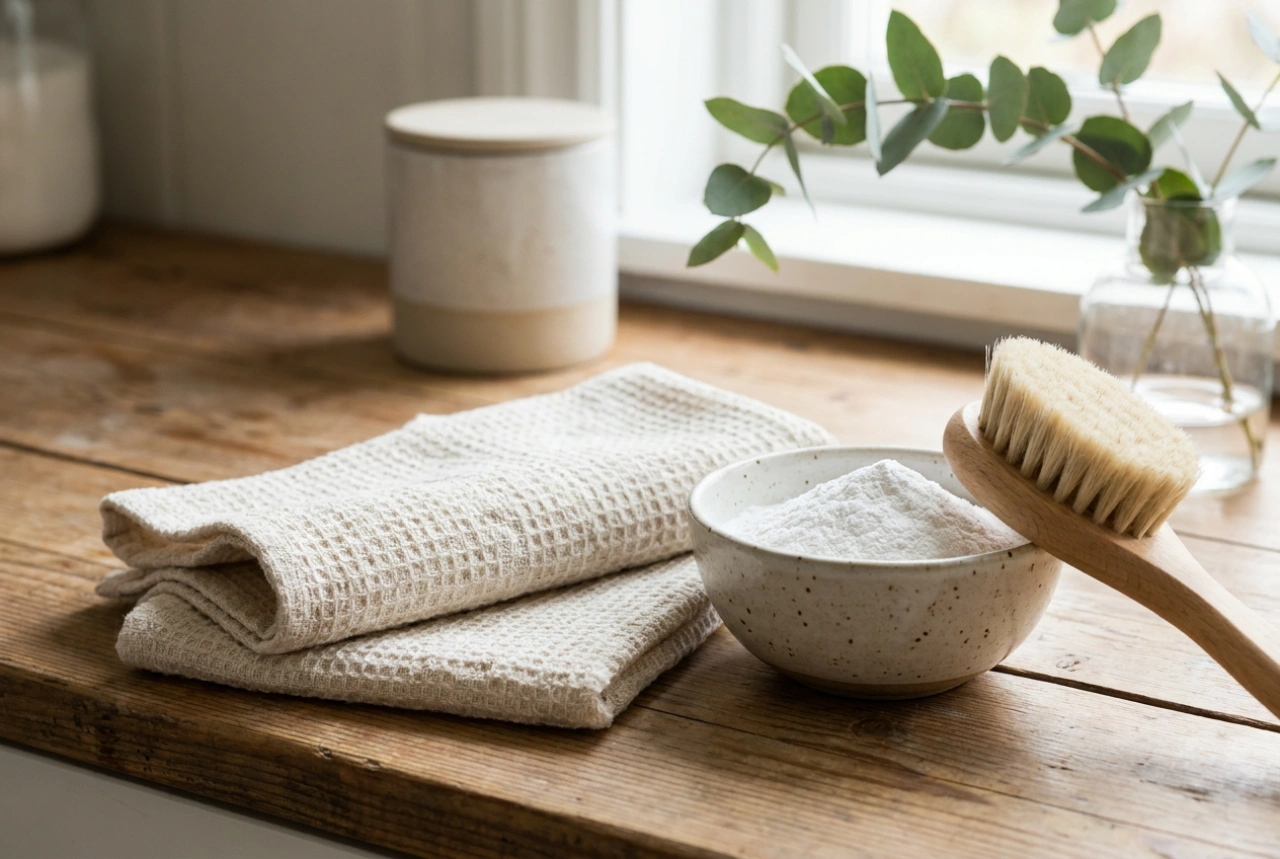
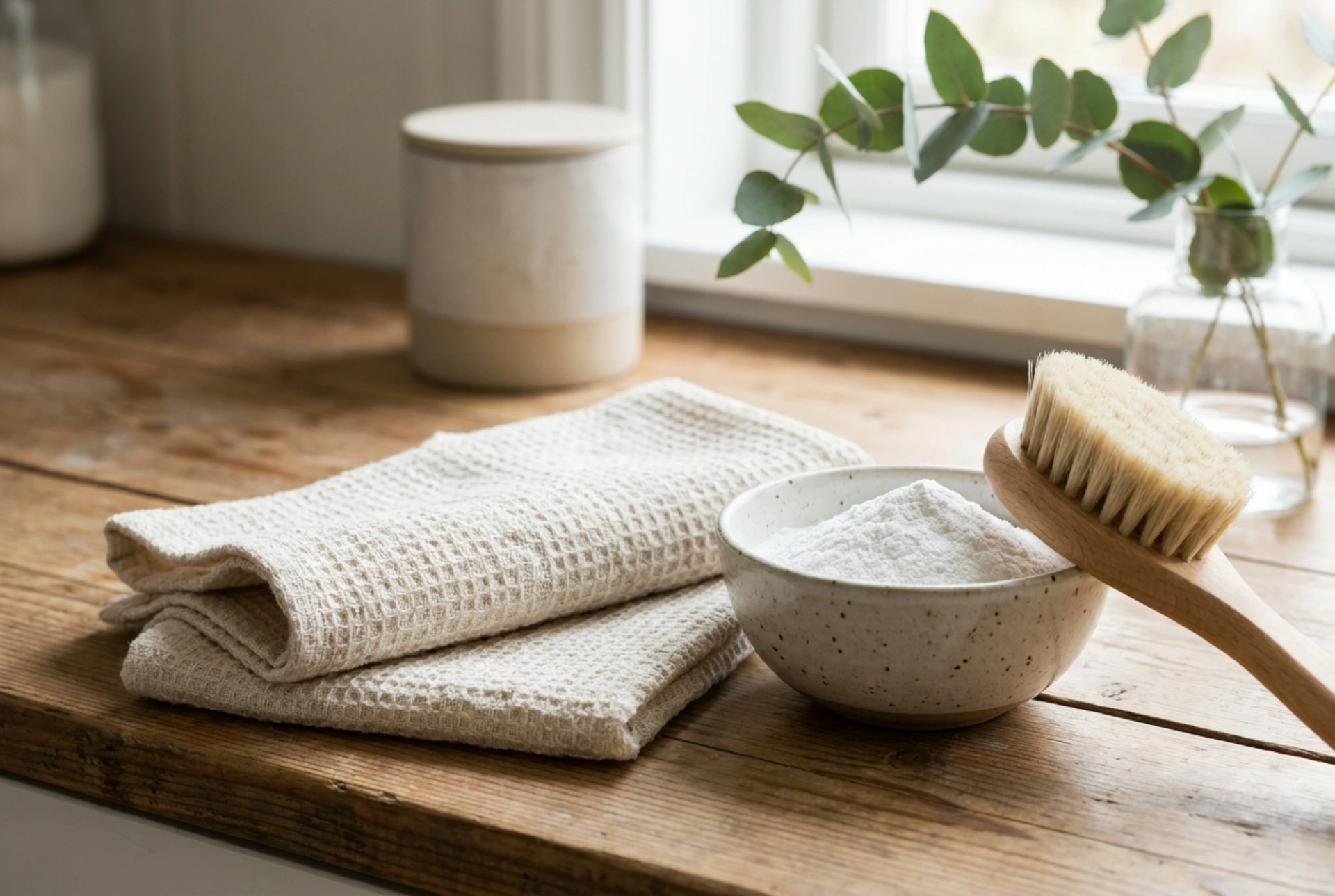
- Absorb the Excess: If the stain is fresh, immediately dust it with an absorbent powder such as cornstarch, talcum powder, or sodium bicarbonate (baking soda). These powders utilise capillary action to draw loose oil out of the fibres. Leave the powder on for fifteen minutes, then brush it away.
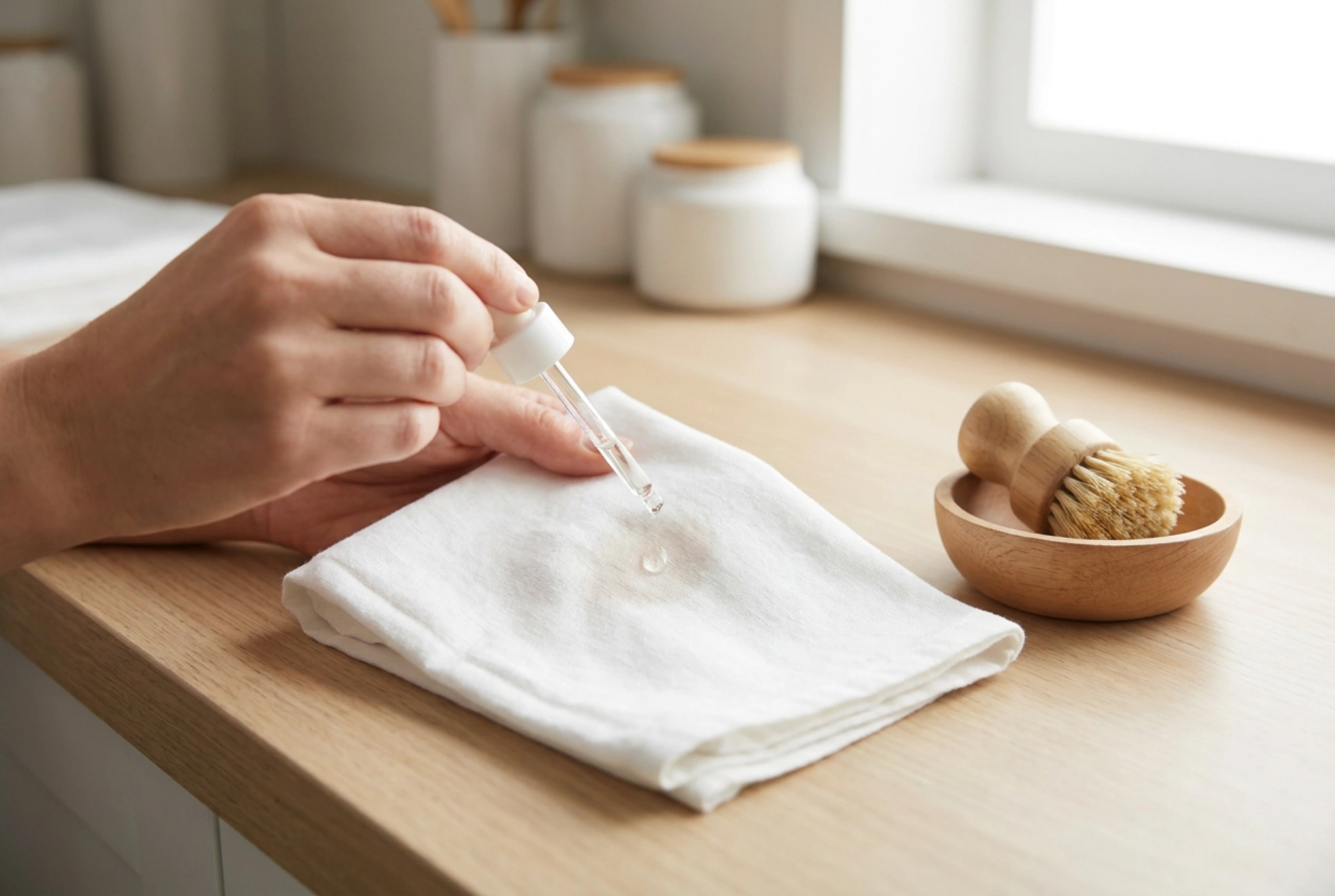
- Apply the Surfactant: Pour a small amount of neutral, colourless liquid surfactant directly onto the dry stain. Colourless agents are preferred to avoid dye transfer.
- Gentle Manipulation: Using a soft brush or the pad of your thumb, work the surfactant into the fibres. Let it sit for ten to fifteen minutes to allow the chemical bonds to break.
- The Flush: Flush the stained area from the back with hot water. This physically ejects the suspended micelles out of the weave.
- Launder: Wash the garment in the washing machine at the highest safe temperature using a heavy-duty laundry detergent.
Crucially, inspect the garment before drying. If any shadow of the stain remains, repeat the process. Subjecting a residual oil stain to the high heat of a dryer will polymerise the remaining lipids, making them nearly impossible to remove.