

Discovering orange or reddish-brown spots on freshly washed fabrics is a frustrating experience that points to a chemical reaction involving dissolved iron in your laundry cycle. Understanding how iron oxides interact with textile fibres and your washing machine's internal components is key to permanently resolving this issue.
The Chemistry of Rust on Fabrics
Rust stains are the visible result of iron oxidation. When dissolved iron, specifically ferrous iron (Fe2+), present in water comes into contact with oxygen and alkaline substances, it oxidises into ferric iron (Fe3+), forming insoluble compounds like iron(III) hydroxide or iron(III) oxide. These microscopic particles lodge deep within the porous structure of cotton, linen, and synthetic fibres.
This chemical bond is exceptionally strong, meaning standard detergents—which are designed to suspend organic fats and dirt—cannot dissolve or break down these metallic pigments. In fact, washing stained garments again with standard detergent or, worse, chlorine bleach, will only set the stain. Chlorine acts as a powerful oxidising agent, accelerating the conversion of soluble iron into highly visible, permanent rust precipitates.
Identifying the Sources of Metallic Sediment
To stop the recurrence of these stains, you must trace the source of the iron contamination. The problem generally originates from one of three areas:
- Municipal or Domestic Water Supply: Old galvanized steel or cast-iron pipes corrode over time. Fluctuations in water pressure, municipal maintenance, or well-water fluctuations can dislodge accumulated iron flakes, sending them directly into your washing machine.
- The Heating Element and Internal Drum: Over time, hard water scale (calcium carbonate) deposits onto the washing machine’s heating element. If the protective coating of the element or the drum's support spider degrades, galvanic corrosion occurs, releasing iron oxides into the wash water.
- Forgotten Metallic Objects: Hairpins, coins, or paperclips left in pockets can quickly corrode when exposed to water and detergent, creating concentrated rust spots directly on the fabrics in contact with them.
The Science of Removing Rust Stains Safely
Because rust is an inorganic metallic oxide, removing it requires acid-base chemistry. Neutralising the stain involves converting the insoluble ferric iron back into a soluble form that can be rinsed away.
Utilising Weak Organic Acids
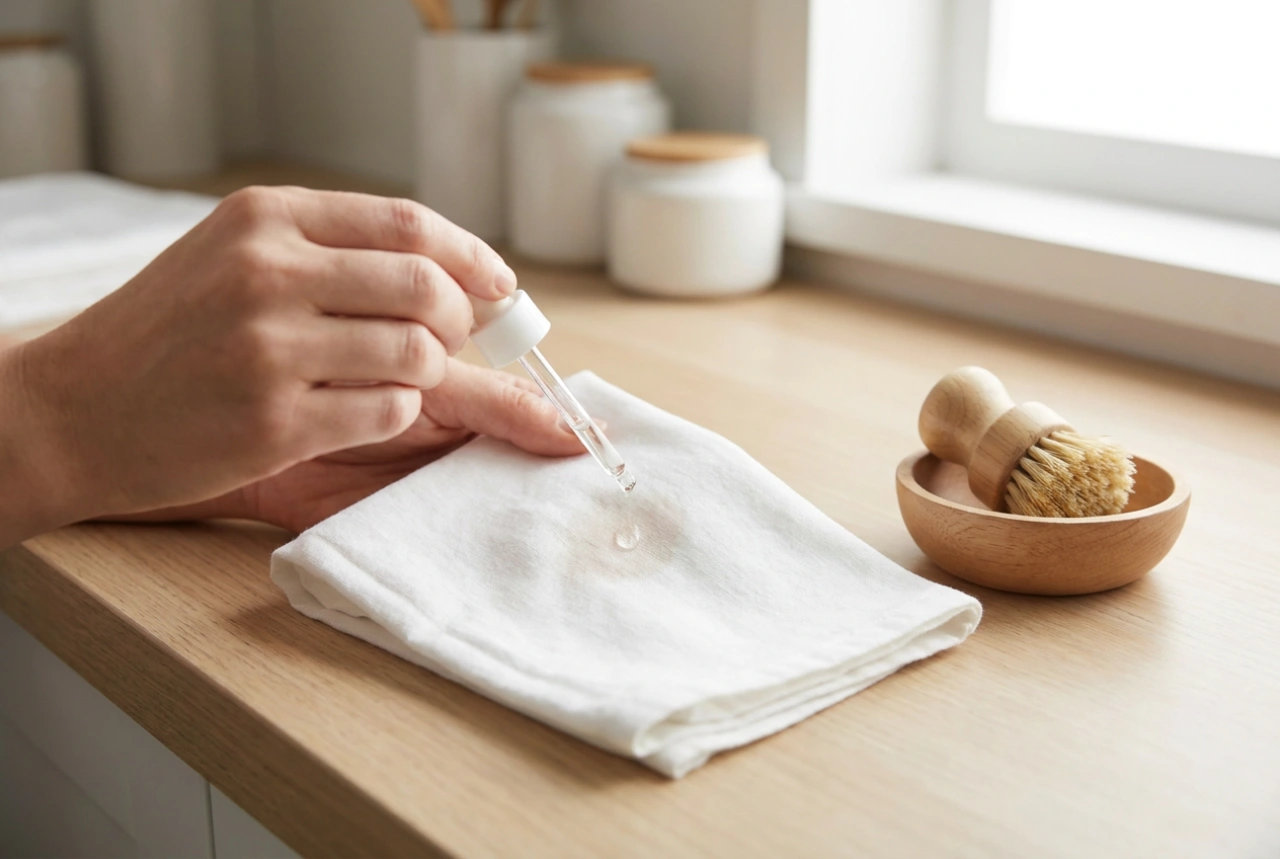
Weak organic acids, such as oxalic acid or citric acid, are highly effective chelating agents. Chelating agents bind to the iron ions, wrapping around them and forming water-soluble complexes. To apply this method, dissolve one tablespoon of pure citric acid or oxalic acid powder in 250ml of warm water at around 40 degrees Celsius. Apply the solution directly to the rust stain and allow it to penetrate the fibres for 10 to 15 minutes. The acidic environment reduces the iron, visibly fading the orange hue. Finally, rinse the area thoroughly with cold water to flush out the solubilised iron-chelate complexes before washing the garment on a standard cycle.
Why Temperature Matters
When treating rust stains, avoid high temperatures initially. Hot water above 60 degrees Celsius can thermally set the metal ions into the polymeric structure of synthetic fibres, making the stain virtually impossible to remove. Always use lukewarm or cool water for the initial chemical reduction and rinsing phases.
Preventative Machine Maintenance and Diagnostics
If the stains are caused by the machine itself or the water supply, a systemic approach is required to protect future wash loads.
First, inspect the rubber door seal and the drum interior for any signs of trapped metallic debris or localized rust spots. Run a maintenance cycle using an acidic descaling agent, such as a concentrated solution of citric acid, at 60 degrees Celsius without any laundry. This process dissolves calcium carbonate scale which often traps iron particles, flushing them out of the system. Additionally, using a sediment filter on the inlet water line can capture suspended iron particles before they enter the appliance, offering a physical barrier against rust-prone water supplies.