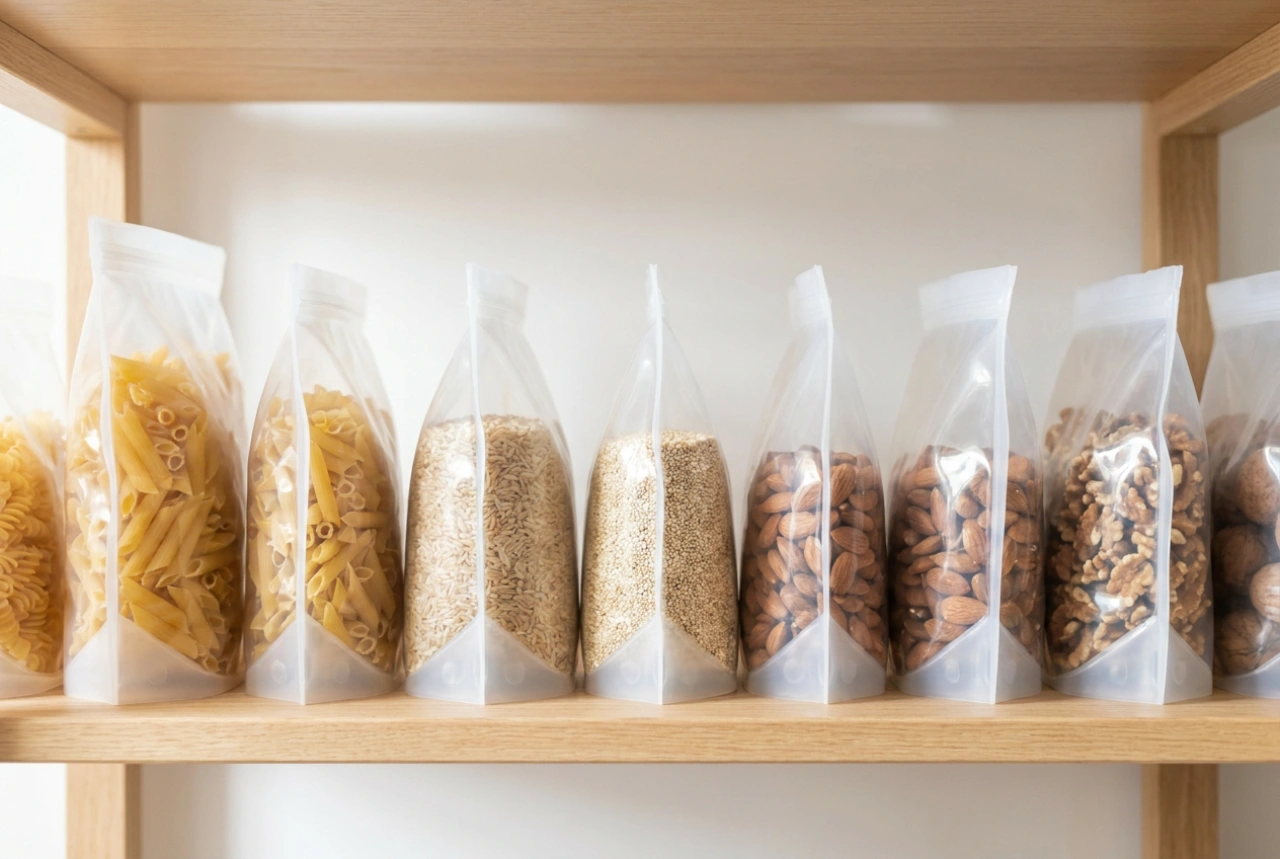


Transitioning to glass storage containers is more than an aesthetic upgrade; it is a systematic approach to food preservation, chemical safety, and cognitive organization in the kitchen.
The Material Science: Why Glass Outperforms Synthetic Polymers
Unlike plastic containers, which are composed of porous polymer chains, glass is an amorphous solid with a non-porous silica-based structure. This fundamental difference in material science dictates how food interacts with its storage environment. Plastic vessels easily absorb hydrophobic compounds, such as lipids and volatile organic compounds from spices, leading to permanent discolouration and lingering odours. More critically, plastics are susceptible to micro-scratching during washing, creating microscopic cavities where bacterial biofilms can establish themselves.
Glass, whether soda-lime or thermal-shock-resistant borosilicate, provides an impermeable barrier. It does not leach synthetic endocrine disruptors into acidic or fatty foods, even when heated. From a hygienic perspective, the smooth, hydrophilic surface of glass allows water and detergents to completely rinse away organic residues during cleaning, ensuring a sterile environment for subsequent food rotation.
Atmospheric Control and Food Longevity
The primary catalysts for food spoilage are moisture, oxygen, and pests. When dry ingredients like flour, grains, or pasta are exposed to ambient indoor humidity, they undergo chemical changes. Excess moisture accelerates starch hydrolysis, encourages mold spore germination, and facilitates the oxidation of natural fats in grains, leading to rancidity. High-quality glass canisters equipped with vulcanised silicone or thermoplastic elastomer gaskets create a true hermetic seal.
When you close a latching or pressure-fit glass lid, you displace a small volume of air and compress the gasket, establishing a physical barrier against atmospheric moisture and oxygen. This micro-environment preserves the low water activity of dry goods, keeping crackers crisp and preventing flour from clumping. Furthermore, the impenetrable nature of glass makes it impossible for common pantry pests, such as weevils or pantry moths, to chew through the packaging—a frequent failure point of paper and thin plastic bags.
Visual Ergonomics: Reducing Cognitive Load and Waste
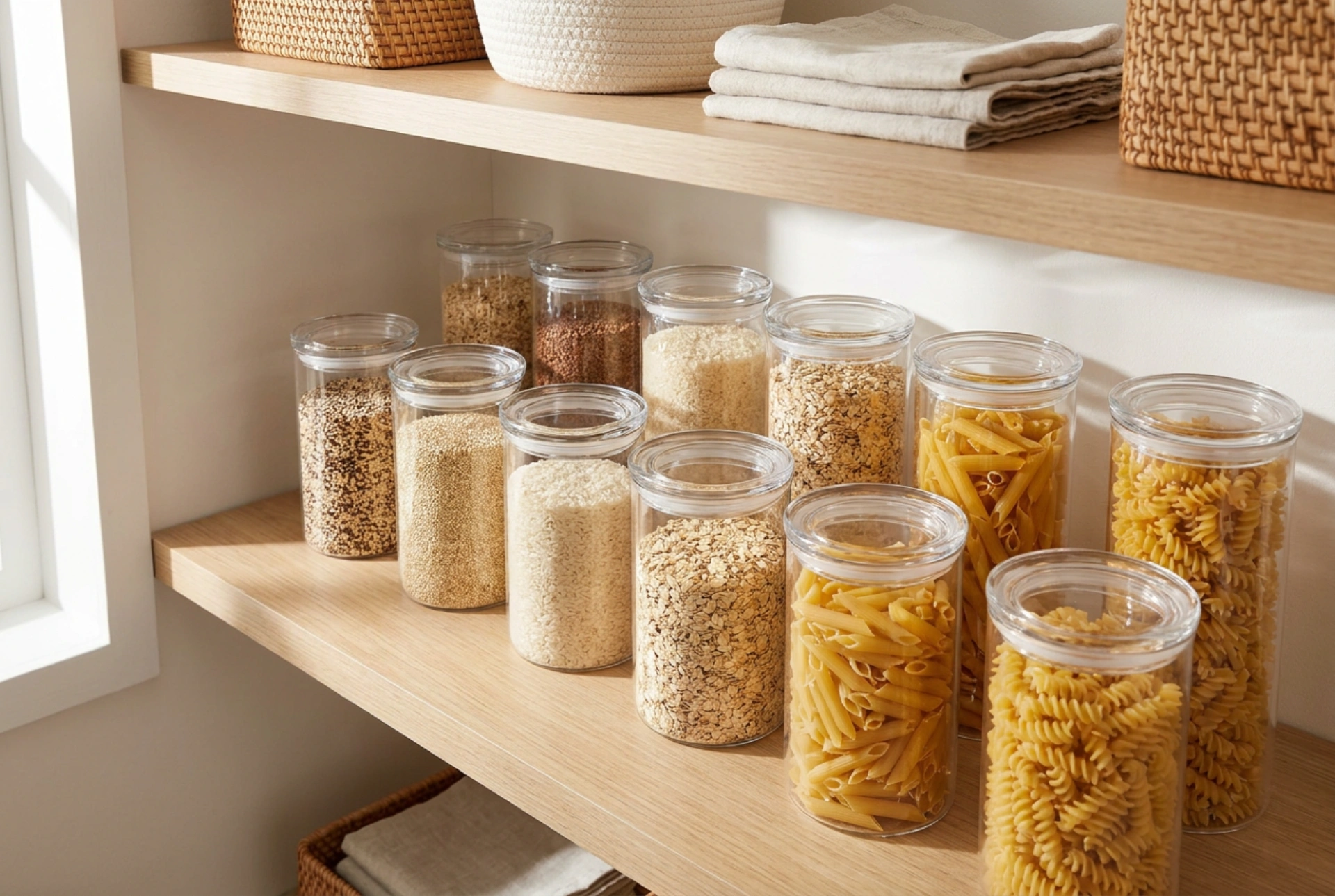
Organising a kitchen is fundamentally an exercise in information management. Standardised, clear glass containers leverage visual ergonomics to streamline daily cooking workflows. When ingredients are hidden in mismatched, opaque packaging, the human brain must expend extra cognitive energy to search, identify, and track inventory. This often leads to over-purchasing, double-stocking, or allowing forgotten ingredients to expire at the back of the pantry.
Transparent glass removes this friction entirely. A single glance provides instantaneous feedback on inventory levels, ingredient types, and food quality. By keeping dry goods visible, you subconsciously implement a more efficient kitchen workflow. It simplifies meal planning, accelerates prep work, and ensures that ingredients are rotated naturally before they lose their nutritional value or culinary utility.
Techniques for Pantry Structuring and Thermal Zonation
To maximise the utility of glass storage, the physical arrangement must follow systematic guidelines. Implement the First-In, First-Out (FIFO) method by placing newly refilled jars toward the back and older batches toward the front. When transferring dry goods to glass, ensure the containers are completely dry; even a micro-droplet of residual washing water can raise local humidity inside the sealed jar, triggering fungal growth.
Thermal zonation is also critical. Glass containers should be stored away from localized heat sources like ovens, dishwashers, or direct sunlight. Fluctuating temperatures cause the air inside the sealed container to expand and contract. When warm, humid air inside a jar cools, moisture can condense on the glass walls, ruining the dry ingredients within. Keep your glass canisters in a cool, dark, and dry pantry cabinet to maintain thermodynamic stability.
Sanitisation and Maintenance of Glass Storage
Maintaining the structural integrity and hygienic status of your glass containers requires specific care protocols. While borosilicate glass can withstand rapid temperature transitions, soda-lime glass is susceptible to thermal shock. When sanitising glass vessels, avoid introducing cold water to a hot jar, as the thermal gradient can cause micro-fractures or catastrophic structural failure. Use warm water paired with neutral, fragrance-free detergents to prevent soap film deposition, which can attract dust and compromise the optical clarity of the glass. For the seals, remove the silicone rings periodically to wash them separately; organic matter can accumulate in the lid grooves, creating an anaerobic breeding ground for mold if left uncleaned.