

Properly drying towels after a bath or shower is crucial to prevent the growth of musty odors, mold, and bacteria. The placement of your towel stand in relation to your bathroom's ventilation system directly dictates how quickly moisture evaporates from the fabric fibers.
The Physics of Drying: Airflow and Evaporation
Drying is fundamentally a process of mass transfer, where liquid water in the towel fibers converts into water vapor and disperses into the surrounding air. For this process to occur efficiently, the boundary layer of saturated, humid air immediately surrounding the wet fabric must be continuously replaced by drier air. If the bathroom lacks proper air circulation, the relative humidity near the towel approaches one hundred percent, halting evaporation and keeping the fabric damp for hours.
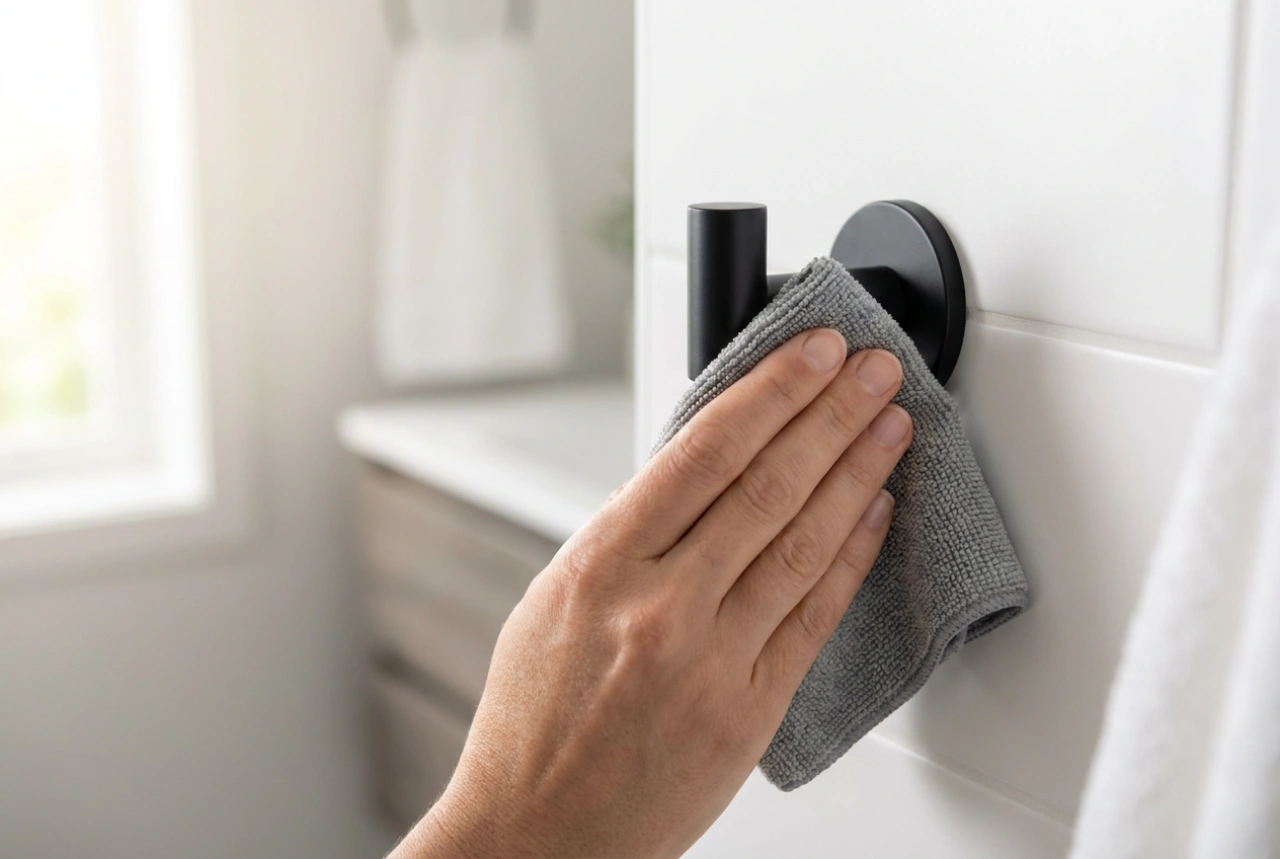
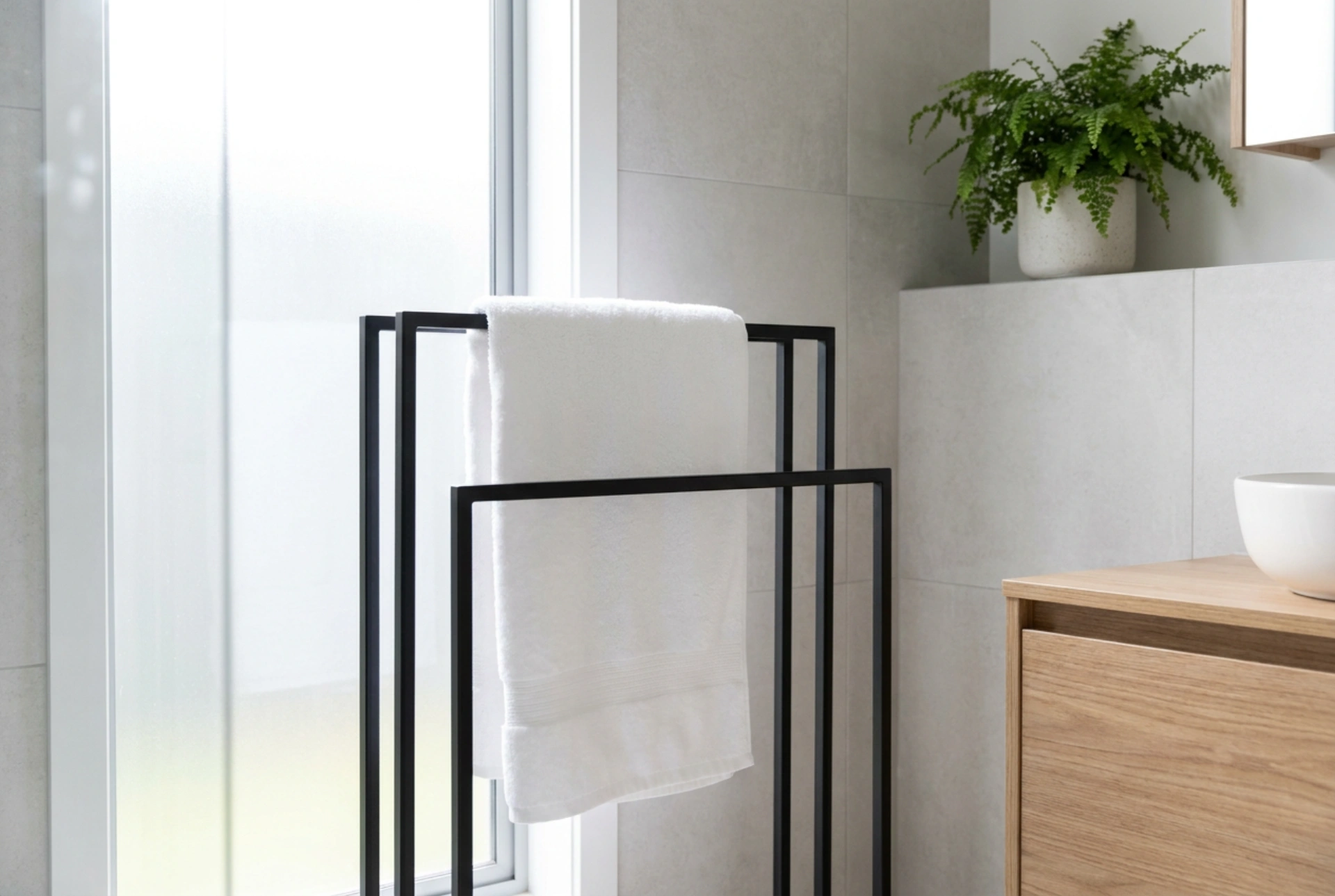
A free-standing towel stand offers a significant physical advantage over wall-mounted hooks. Hooks bunch the fabric together, creating dense layers that trap moisture and restrict air contact. A towel stand allows the textile to be draped completely flat, maximizing the exposed surface area. This maximize exposure accelerates the heat and mass exchange necessary for rapid drying.
Strategic Positioning Relative to Ventilation Sources
To optimize the drying process, the placement of the towel stand must align with the room's natural or mechanical airflow patterns. Understanding where air enters and exits the space allows you to position the stand directly within this active path.
- The Extraction Path: Mechanical exhaust fans pull warm, moist air upward and outward. Positioning the towel stand in the direct line of sight between the main air inflow source (such as the gap under the bathroom door) and the exhaust fan ensures a continuous stream of moving air passes through the fibers.
- Window Proximity: If your bathroom relies on passive ventilation via a window, place the stand nearby. The temperature differential near glass surfaces creates localized air currents, even when the window is closed. When open, the cross-ventilation dramatically speeds up moisture removal.
- Distance from Damp Zones: Avoid placing the towel stand directly adjacent to the shower enclosure or bathtub. These zones remain highly humid long after use, which slows down the evaporation rate of the drying towel.
Material Interaction: Moisture and Airflow
The efficiency of a towel stand is also influenced by its material design. Metal stands, particularly those made of steel or brass, quickly adjust to the ambient room temperature. This thermal conductivity prevents the frame from retaining localized cold spots, which could otherwise cause condensation to form under the damp towel.
Furthermore, the spacing between the rails of the stand is critical. Multi-tier stands should have at least ten centimeters of clearance between each bar. This gap ensures that air can circulate freely between hanging towels, preventing the moisture from one towel from transferring to or stalling the drying process of the adjacent one.
Best Practices for Post-Bath Air Management
To ensure your towels dry completely within the critical window of four hours—after which bacteria begin to multiply rapidly—combine proper stand placement with active ventilation habits. Leave the exhaust fan running for at least twenty minutes after exiting the bath, or keep the window cracked to maintain a low relative humidity level in the room. This active air exchange, combined with the unhampered exposure provided by a flat-draping towel stand, ensures your textiles remain fresh, dry, and hygienic.