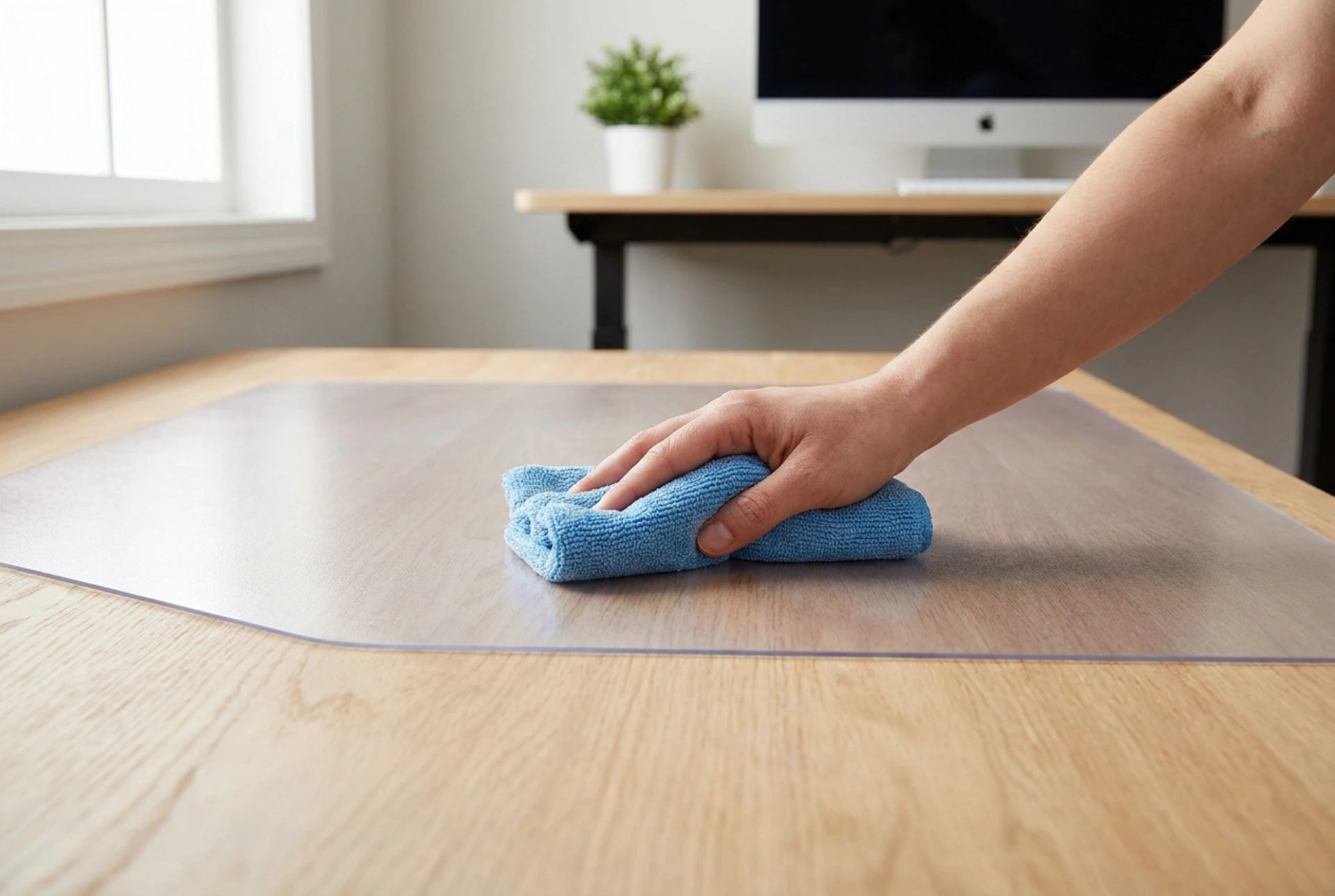


Protective office chair mats safeguard delicate flooring from caster damage, but incorrect cleaning methods can permanently dull their transparent surfaces through chemical etching and micro-abrasions. Preserving their clarity requires understanding the specific material chemistry of polymers like polycarbonate and polyvinyl chloride (PVC) and applying non-destructive cleaning techniques.
The Science Behind Plastic Clouding and Degradation
Most clear chair mats are manufactured from polycarbonate, PVC, or polyethylene. These thermoplastics are composed of long polymer chains that provide flexibility and impact resistance. However, their surfaces are highly susceptible to mechanical scratches and chemical solvents. Cloudiness, or loss of transparency, occurs due to two distinct phenomena: light scattering and chemical crazing.
Light scattering happens when microscopic scratches cover the surface. When light hits these micro-fissures, it scatters in multiple directions instead of passing straight through, making the plastic appear white or cloudy. Chemical crazing occurs when aggressive solvents (such as acetone, high-concentration rubbing alcohol, or strong alkaline solutions) penetrate the polymer matrix, causing localized swelling and breaking the molecular chains. This structural damage manifests as a network of fine cracks that permanently ruins the optical clarity of the mat.
Selecting the Safe Cleaners
To maintain the structural integrity and optical clarity of thermoplastic mats, you must avoid aggressive household chemicals. Commercial glass cleaners often contain ammonia, which can react with polycarbonate and cause yellowing over time. Similarly, abrasive scouring powders or even baking soda act as micro-abrasives that will dull the surface instantly.
The safest cleaning agent is a simple solution of warm water and a few drops of a neutral-pH liquid dish detergent containing anionic and non-ionic surfactants. These surfactants work by lowering the surface tension of water, allowing it to emulsify oils and lift dust particles without reacting chemically with the plastic. Always use warm water—around 30 to 40 degrees Celsius. Hot water can reach the glass transition temperature of certain thinner PVC mats, causing permanent warping.
Step-by-Step Restoration and Cleaning Protocol
Proper cleaning is as much about mechanical technique as it is about chemical selection. Follow this systematic order of operations to prevent dragging abrasive particles across the surface:
- Preparation: Clear the area and vacuum the mat using a soft brush attachment. This removes loose grit, sand, and pet hair that would otherwise act like sandpaper during the wet cleaning phase.
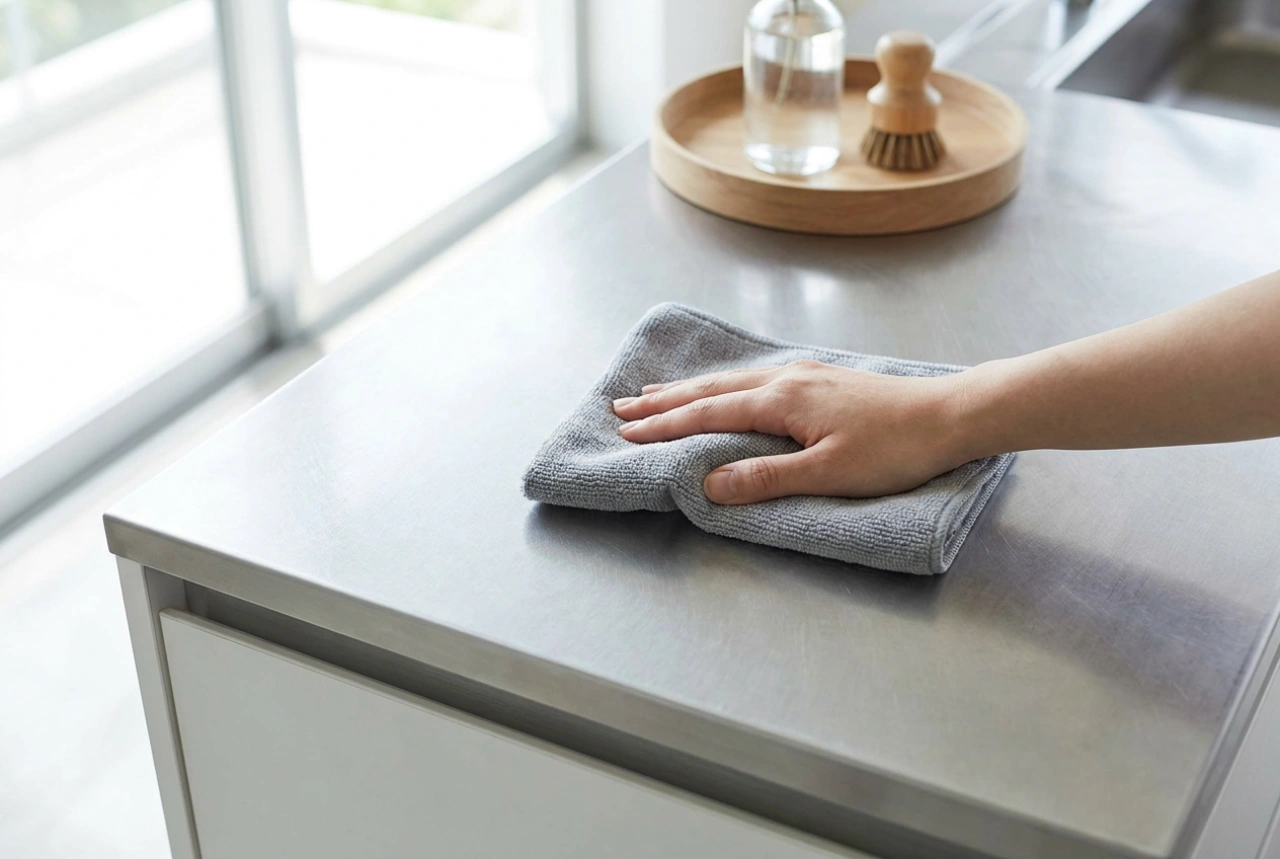
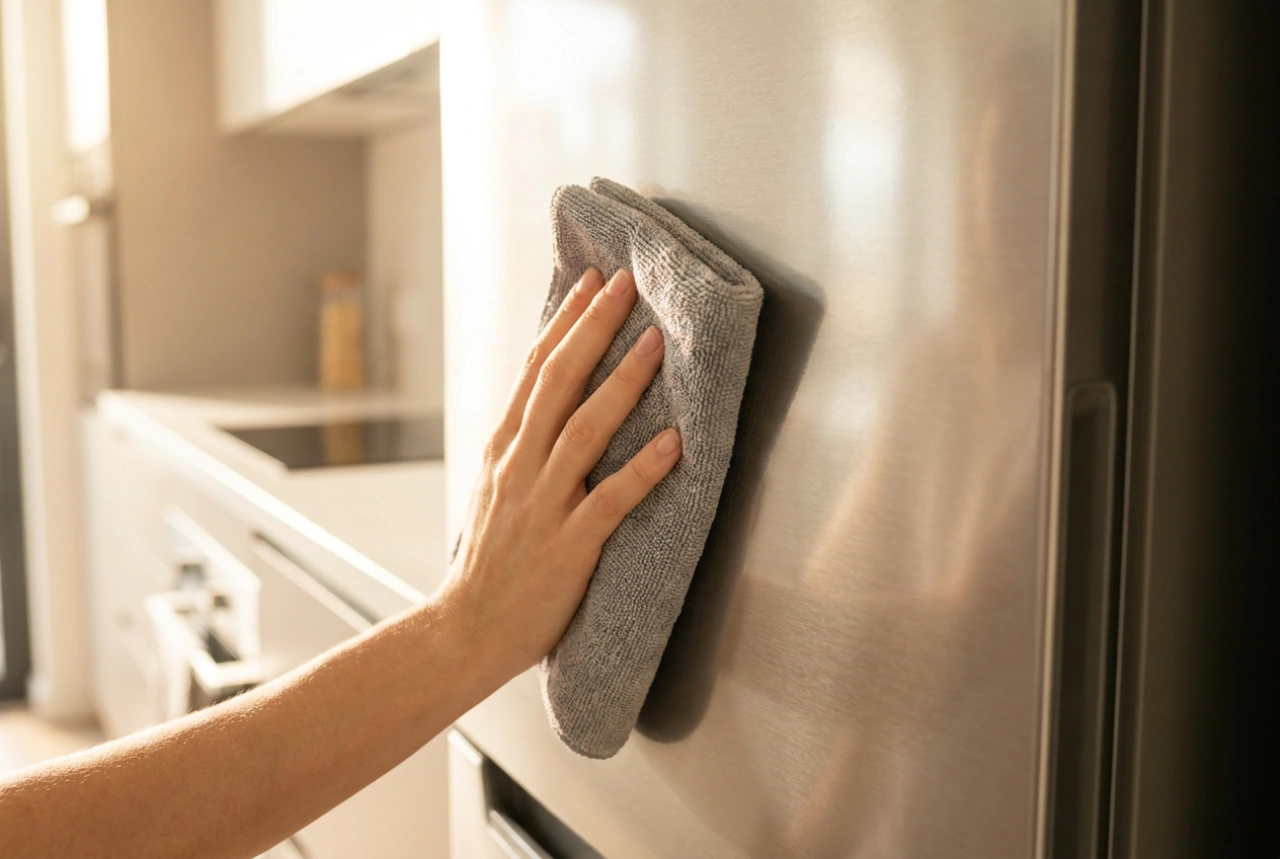
- Washing: Dip a clean, high-GSM (grams per square meter) microfiber cloth into the warm surfactant solution. Wring it out so it is damp, not dripping. Wipe the mat using light, circular motions. Do not scrub or apply heavy pressure, as trapped dirt particles can still scratch the surface.
- Rinsing: Clean the cloth thoroughly in pure, lukewarm water and wipe the mat again. This step is crucial. Any leftover surfactant residue will dry into a thin, sticky film that attracts dust, creating a cloudy appearance within days.
- Drying: Immediately dry the mat with a fresh, dry microfiber cloth. Allowing the mat to air-dry will leave mineral deposits (calcium and magnesium carbonate) from tap water, forming unsightly water spots that are difficult to remove without acidic cleaners.
Eliminating Static and Sticky Residues
Frictional contact between office chair wheels and the mat generates a static charge. This charge acts like a magnet for airborne dust, hair, and lint. To neutralize static, you can wipe the completely dry mat with a highly diluted solution of a cationic surfactant (found in standard fabric softeners)—just a few drops in a litre of water. The cationic molecules align on the plastic surface, dissipating the static charge and keeping the mat dust-free for longer.
For sticky adhesive residues left by labels or tape, avoid using metal scrapers or harsh solvents. Instead, apply a tiny drop of vegetable oil to the residue. Let it sit for ten minutes to dissolve the adhesive bonds, then wipe it away with a soapy microfiber cloth and rinse.