

Aluminium is a highly durable yet sensitive metal that requires precise chemical and physical handling to maintain its reflective lustre. Standard household cleaners can quickly strip its protective oxide layer, leading to permanent matting, pitting, or dull grey discolouration.
The Chemical Sensitivity of Aluminium
To clean aluminium without damaging its surface, one must understand its unique chemistry. Aluminium is an amphoteric metal, meaning it reacts readily with both strong acids and strong bases (alkalis). In everyday environments, aluminium naturally reacts with atmospheric oxygen to form a microscopic, transparent barrier of aluminium oxide (Al2O3). This passive layer protects the underlying metal from deep corrosion.
When you apply highly alkaline cleaners (such as those containing sodium hydroxide or ammonia) or highly acidic descalers, you disrupt this equilibrium. These substances chemically dissolve the oxide layer, exposing the raw metal beneath to rapid oxidation and hydration. This reaction manifests as unsightly white powder (aluminium hydroxide) or dark, matte grey patches that cannot be simply wiped away.
Selecting pH-Neutral and Safe Cleaning Agents
The safest approach to preserving the metallic sheen of aluminium is to use agents that operate within a strict pH range of 6.0 to 8.0. Standard dishwashing liquids formulated without strong surfactants or bleaching agents are highly effective because they emulsify lipids and suspend dirt without attacking the metal substrate.
If you must tackle stubborn mineral deposits or oxidation, mild organic acids such as citric acid or acetic acid (vinegar) can be used, but only when heavily diluted. A 1:5 ratio of acid to water is the absolute maximum concentration recommended. Crucially, these acids should never be left on the surface for more than a few minutes, as prolonged contact initiates the etching process that leads to a dull, matte finish.
The Role of Temperature and Mechanical Action
Thermal energy accelerates chemical reactions. Cleaning aluminium with hot water increases the rate at which cleaning agents—and even water itself—interact with the metal. Always use lukewarm water (between 20°C and 30°C) to maintain complete control over the chemical activity on the surface.
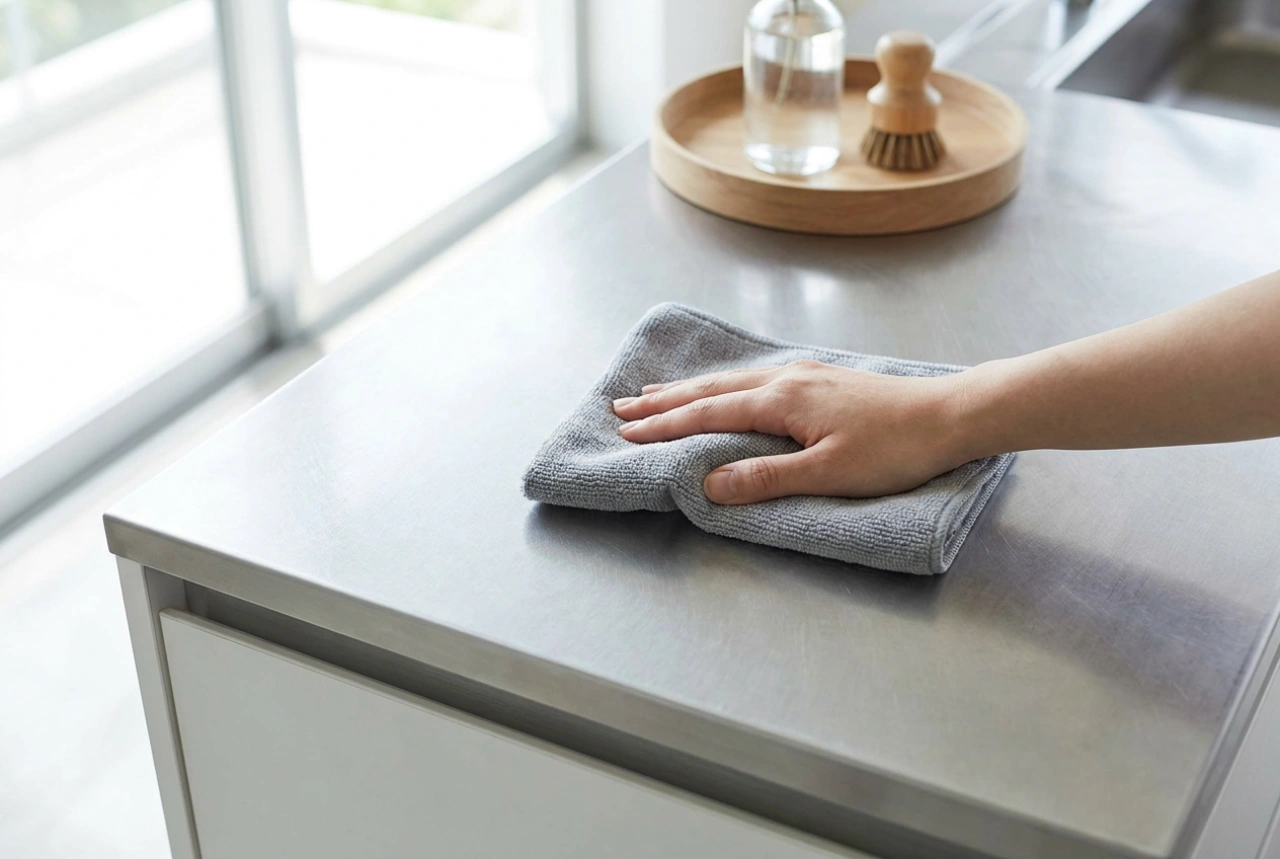
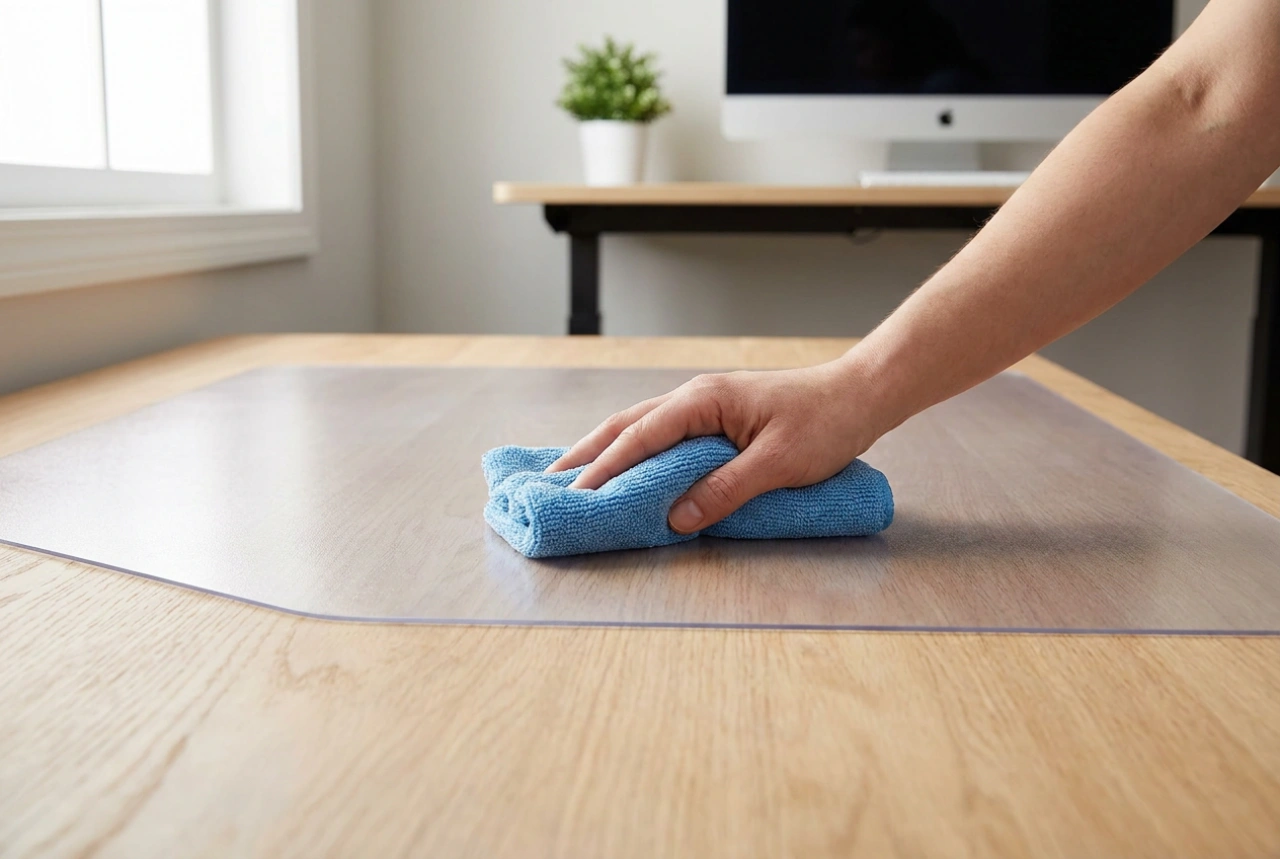
Because aluminium is a relatively soft metal, mechanical abrasion must be strictly controlled. Standard steel wool, abrasive scouring pads, or even heavy-duty baking soda pastes can easily scratch the surface, scattering light and creating a dull appearance. Instead, rely on soft microfiber cloths. Microfiber features split synthetic fibers that mechanically trap dirt particles within their structure rather than dragging them across the metal face.
A Step-by-Step Protocol for a Scratch-Free Finish
To ensure a flawless result, follow this systematic order of operations:
- Pre-rinse: Gently wipe the surface with a damp microfiber cloth to remove loose dust and grit. This prevents abrasive particles from scratching the metal during the main cleaning phase.
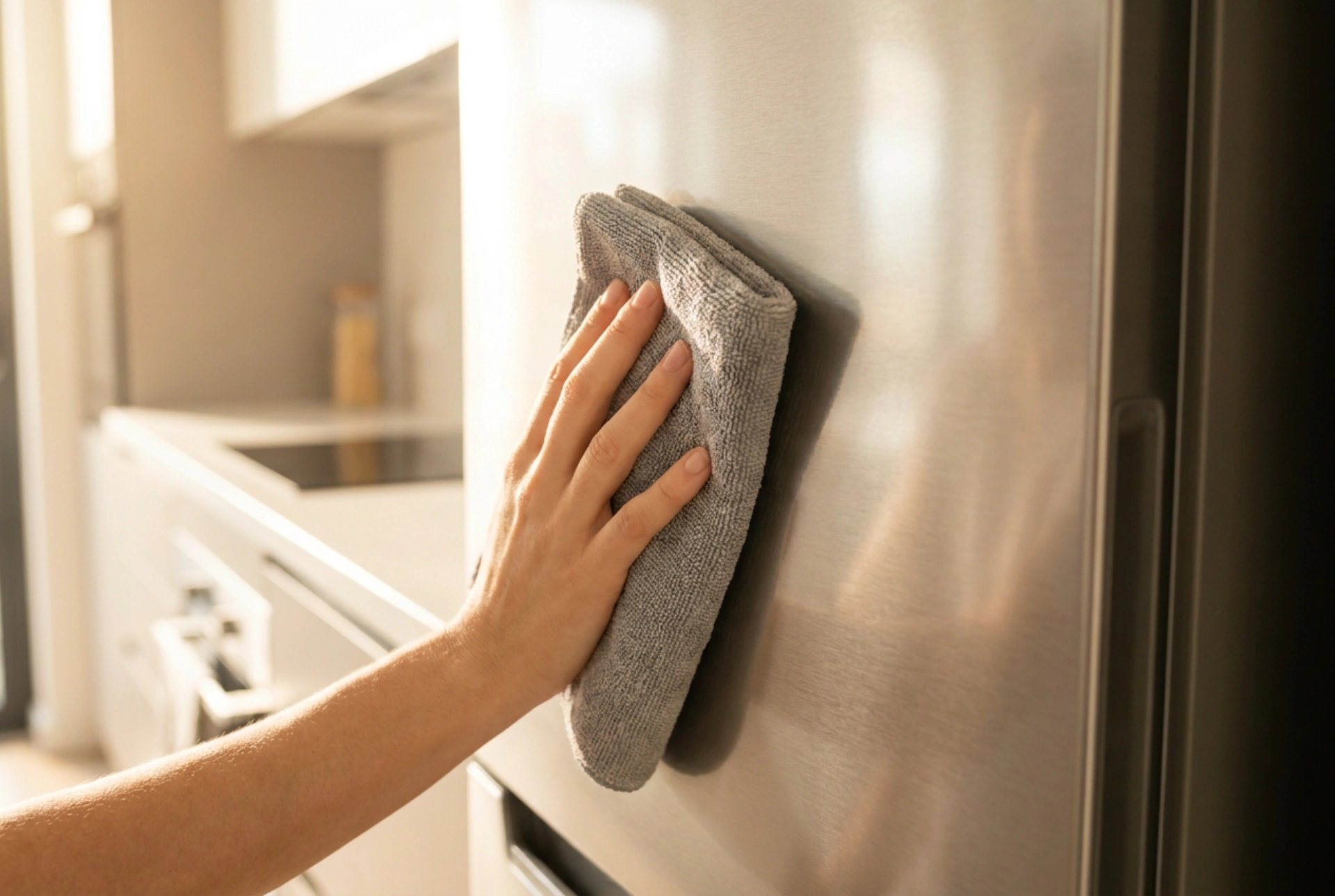
- Application: Dilute a few drops of pH-neutral detergent in lukewarm water. Apply the solution using a clean, soft cloth using linear, parallel motions. Avoid circular buffing, as any trapped debris can create circular swirl marks that are highly visible under direct light.
- Rinsing: Immediately wipe down the surface with a separate cloth dampened with clean, distilled water. Distilled water is free of dissolved minerals (like calcium and magnesium) that cause water spots when dry.
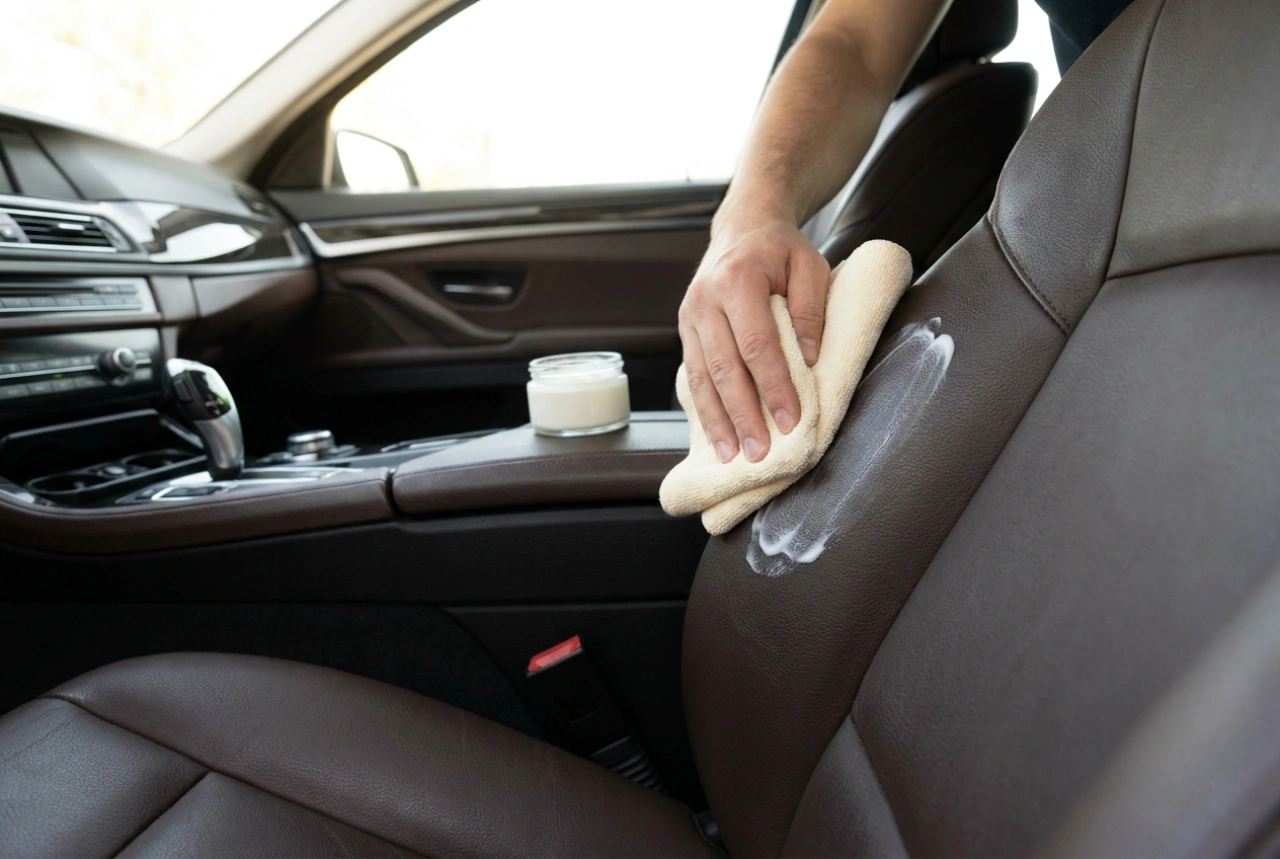
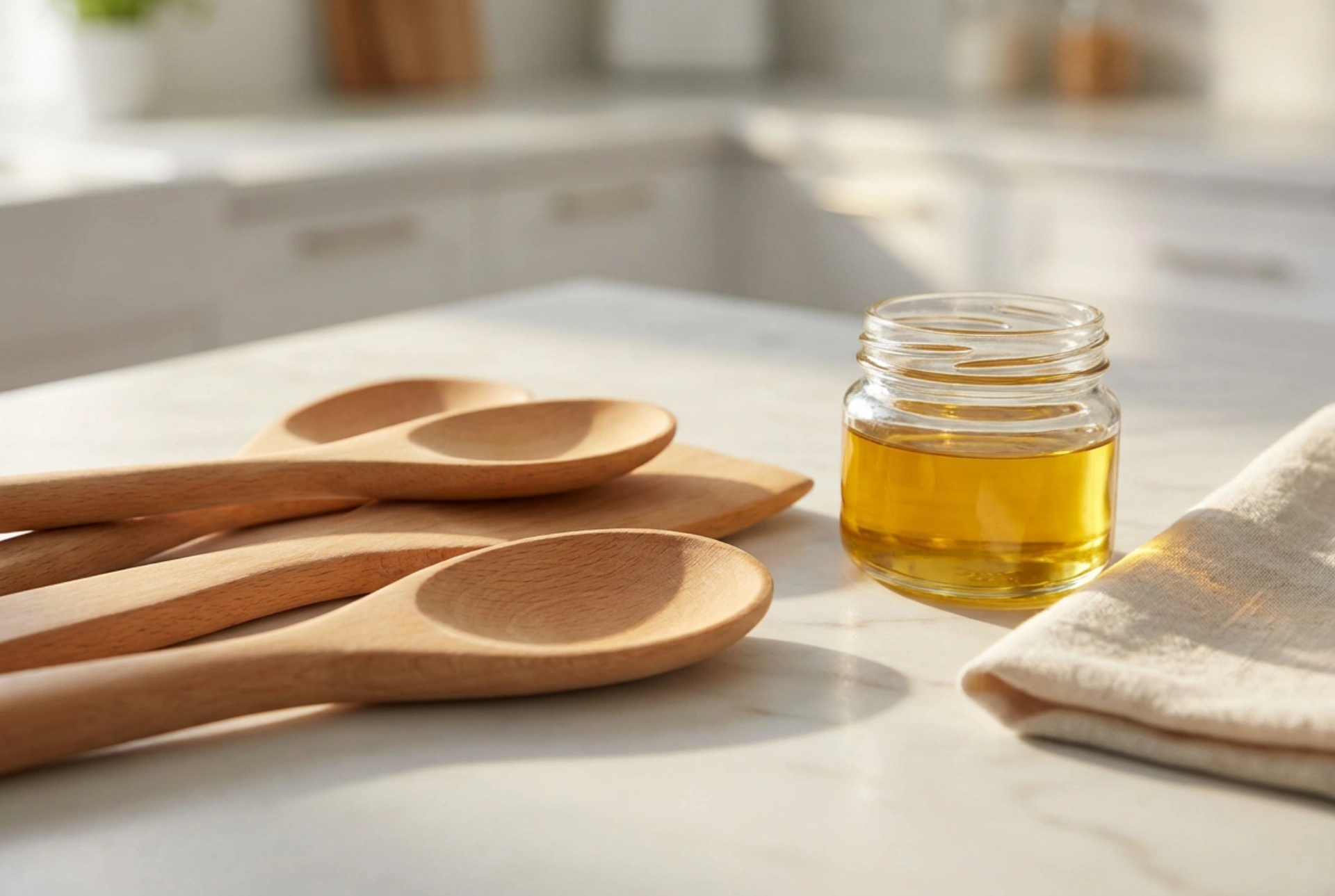
- Drying and Polishing: Dry the surface immediately with a dry microfiber cloth to prevent water spot formation. For an extra layer of protection, a thin application of food-grade mineral oil can be buffed into the dry surface to act as a temporary barrier against moisture and oxygen.