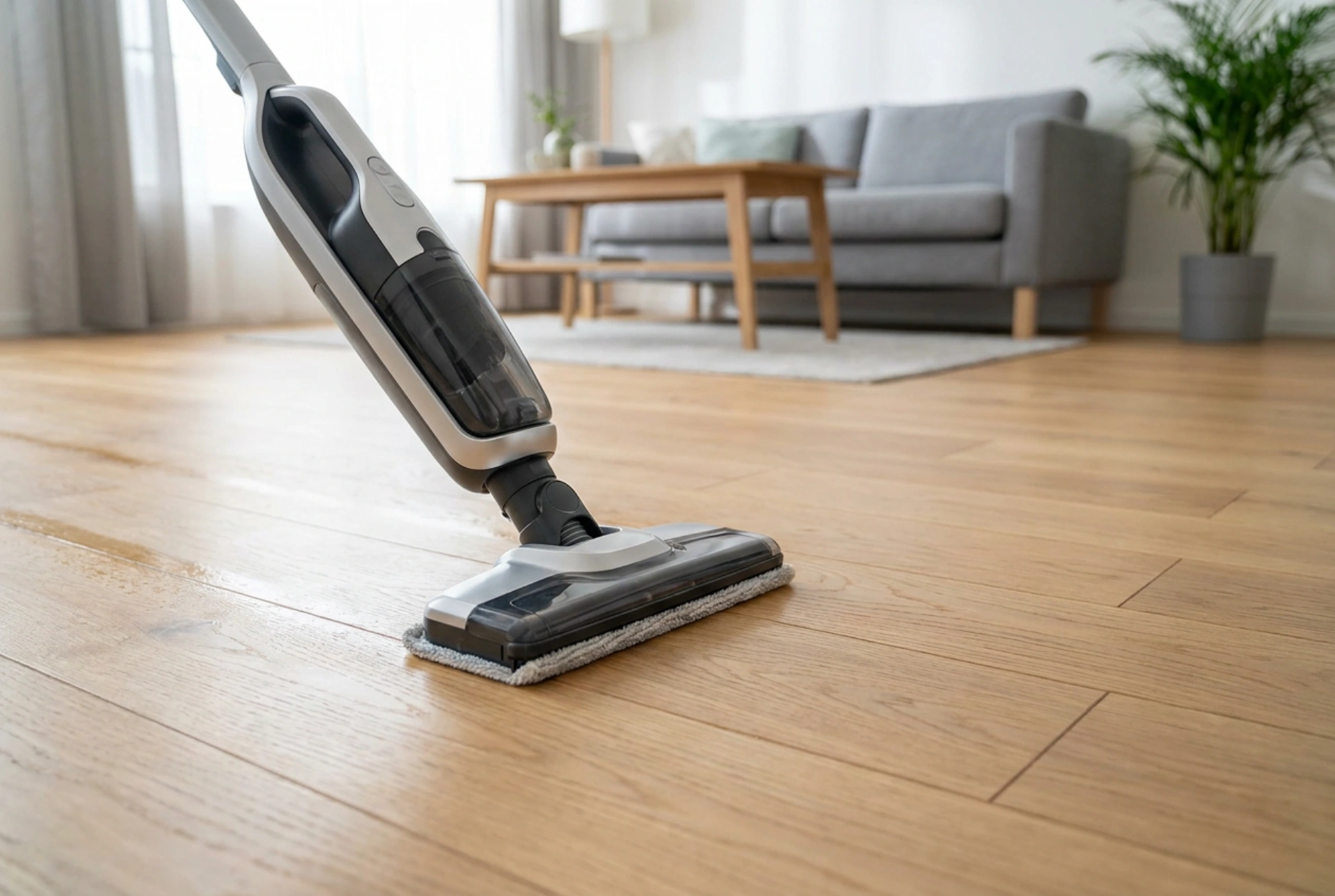


Using a wet and dry vacuum cleaner requires a precise understanding of detergent chemistry to prevent internal component damage and ensure streak-free floors. Standard floor cleaners create excessive foam that can bypass moisture-barrier filters and damage the vacuum motor.
The Science of Foaming: Why Regular Detergents Fail
Regular household detergents contain high levels of anionic surfactants. These molecules are designed to lower surface tension and create rich suds to lift dirt during manual mopping. However, inside a wet and dry vacuum cleaner, the high-speed air extraction system subjects the liquid to extreme agitation. This mechanical force whipped with anionic surfactants creates a dense column of foam.
When foam enters the waste water tank, it quickly rises and bypasses the mechanical float valve. This allows liquid and moisture to penetrate the vacuum motor, causing corrosion, electrical short circuits, and eventual motor failure. Therefore, specialized low-foaming (non-ionic) surfactants are essential. These molecules lower surface tension sufficiently to emulsify grease but do not stabilize air bubbles under high mechanical agitation.
Water Temperature and Dilution Mechanics
The temperature of the water used in the clean water tank directly influences the efficiency of the cleaning agents and the structural integrity of the machine.
Optimal Temperature Limits
Most manufacturers design plastic tanks and internal tubing to withstand temperatures up to forty degrees Celsius. Using boiling water can warp the plastic reservoirs, degrade silicone gaskets, and melt internal adhesive seals. Warm water is ideal as it increases the kinetic energy of the water molecules, accelerating the dissolution of fats and oils without damaging the appliance.
The Danger of Overconcentration
More detergent does not equal cleaner floors. When excess detergent is added to the clean water tank, the suction mechanism cannot fully recover the sticky surfactant residue from the floor surface. Once dry, this residue acts like a magnet for dust and foot traffic oils, leading to rapid re-soiling and a dull, sticky finish. Always adhere to the recommended ratio, usually between five to ten millilitres of low-foaming concentrate per half-litre of water.
Order of Operations and Cleaning Technique
To achieve optimal cleaning results and prolong the lifespan of the machine, follow a structured physical routine.
- Dry Vacuuming First: Always perform a dry vacuum pass before engaging the wet cycle, unless using a dual-action machine specifically rated for large wet-dry debris. Removing loose hair, grit, and large dust particles prevents them from forming a thick sludge that can clog the extraction nozzle or internal hose bends.
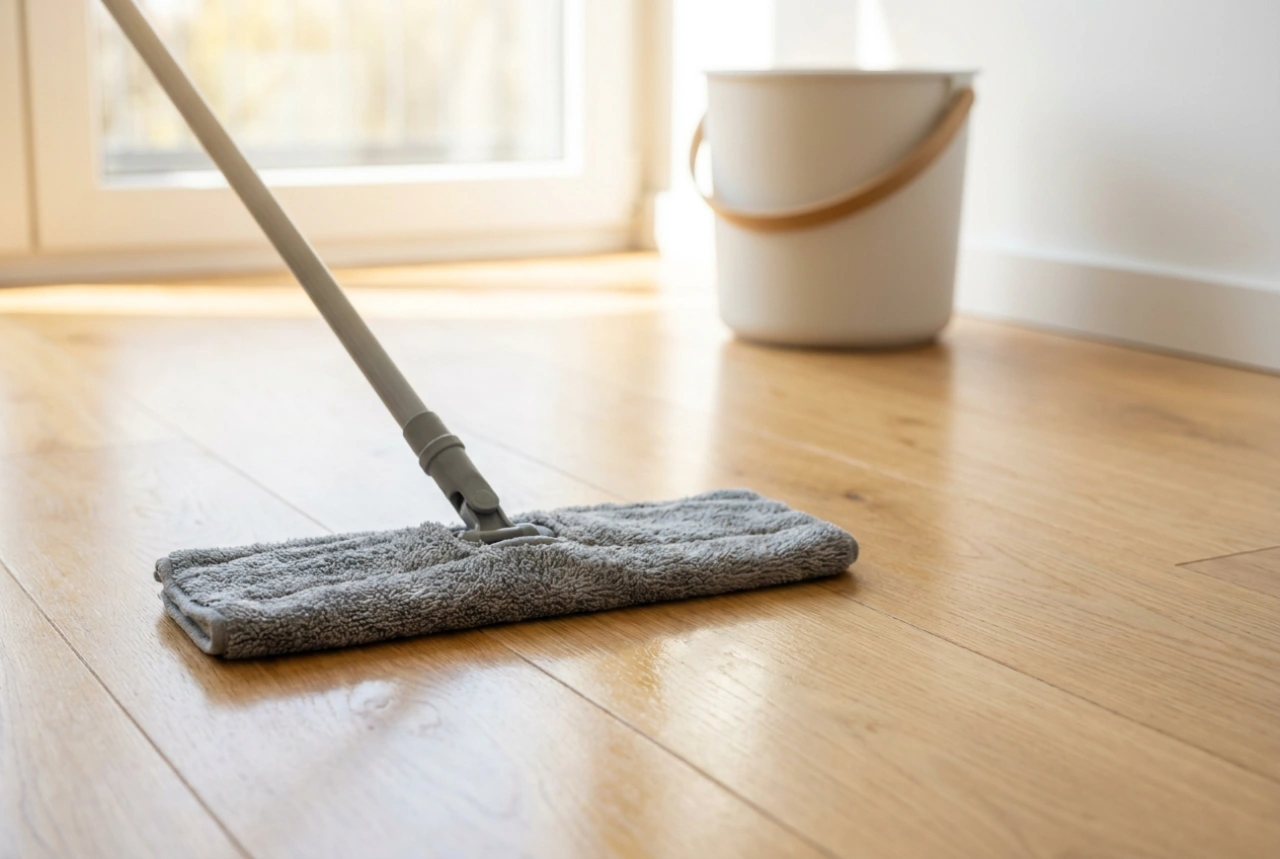
- The Dual-Pass Method: Move the machine slowly to allow the scrubbing brush and suction nozzle to work in tandem. Push the machine forward while engaging the spray trigger to lay down a thin layer of cleaning solution. On the backward stroke, release the trigger and let the squeegee and suction recover the dirty water. Moving too quickly prevents the suction motor from pulling the dirty solution out of the floor micro-grooves.
- Post-Cleaning Rinse: If cleaning high-gloss tiles or delicate wood, run a final short pass with pure, demineralised water in the tank. This neutralises and removes any lingering surfactant residues.
Post-Use Maintenance and Prevention of Bacterial Growth
The wet extraction process collects organic matter, skin cells, and pet dander into the waste water tank. If left standing, this mixture becomes a breeding ground for anaerobic bacteria, resulting in foul odours and mould.
Immediately after cleaning, empty both the clean and dirty water reservoirs. Rinse the waste tank with warm water and a splash of oxygen bleach if sanitisation is required, avoiding chlorine-based bleach as it can degrade rubber seals. Remove the brush roller and clean any tangled fibres or hair. Leave all components, including filters and tanks, to air dry completely for at least twenty-four hours before reassembling. This prevents moisture from being trapped inside, protecting the sensitive electronic control boards.