

Preserving traditional photo albums requires understanding the chemical vulnerability of silver halide prints, organic gelatin emulsions, and cellulose-based papers. Implementing proper physical handling and environmental controls prevents irreversible yellowing, fading, and structural warping.
Understanding the Chemistry of Photographic Degradation
Traditional photographs are complex composite structures consisting of a support layer (paper or plastic), a binder layer (usually gelatin), and light-sensitive image-forming materials (like silver halides or organic dyes). Each of these elements reacts differently to the environment. Cellulose paper is highly susceptible to acid hydrolysis. If the paper contains lignin—a natural organic polymer found in wood—it produces acidic byproducts over time, causing the paper to turn yellow and brittle.
Furthermore, silver gelatin prints can undergo oxidation. When exposed to atmospheric pollutants, moisture, and residual acids from non-archival mounting adhesives, the metallic silver particles that form the image oxidize into silver ions. These ions migrate to the surface of the emulsion, creating a metallic, bluish sheen known as silver mirroring. Color photographs are even more vulnerable, as the organic dyes used in chromogenic prints fade at different rates when exposed to light and heat, resulting in severe color shifts.
Establishing the Perfect Microclimate
Temperature and relative humidity are the two primary physical drivers of photographic decay. High temperatures accelerate chemical reactions, including the acid hydrolysis of paper and the fading of dyes. For every 10-degree Celsius increase in temperature, the rate of chemical degradation roughly doubles.
Relative humidity (RH) determines the moisture content of the gelatin emulsion. Gelatin is highly hygroscopic, meaning it absorbs and releases moisture readily.
- High Humidity (above 60% RH): Gelatin softens and becomes sticky, making it prone to physical damage and adhesion to protective sleeves. It also provides an ideal breeding ground for mold and fungi, which digest the gelatin binder and ruin the image permanently.
- Low Humidity (below 30% RH): Gelatin loses its moisture content, becoming brittle and prone to cracking, curling, and flaking away from the paper support.
To prevent these issues, aim for a stable temperature below 20 degrees Celsius and a relative humidity level between 30% and 50%. Rapid fluctuations in these parameters are particularly damaging, as they cause continuous expansion and contraction of the different layers, leading to physical separation.
Safe Handling and Archival Materials
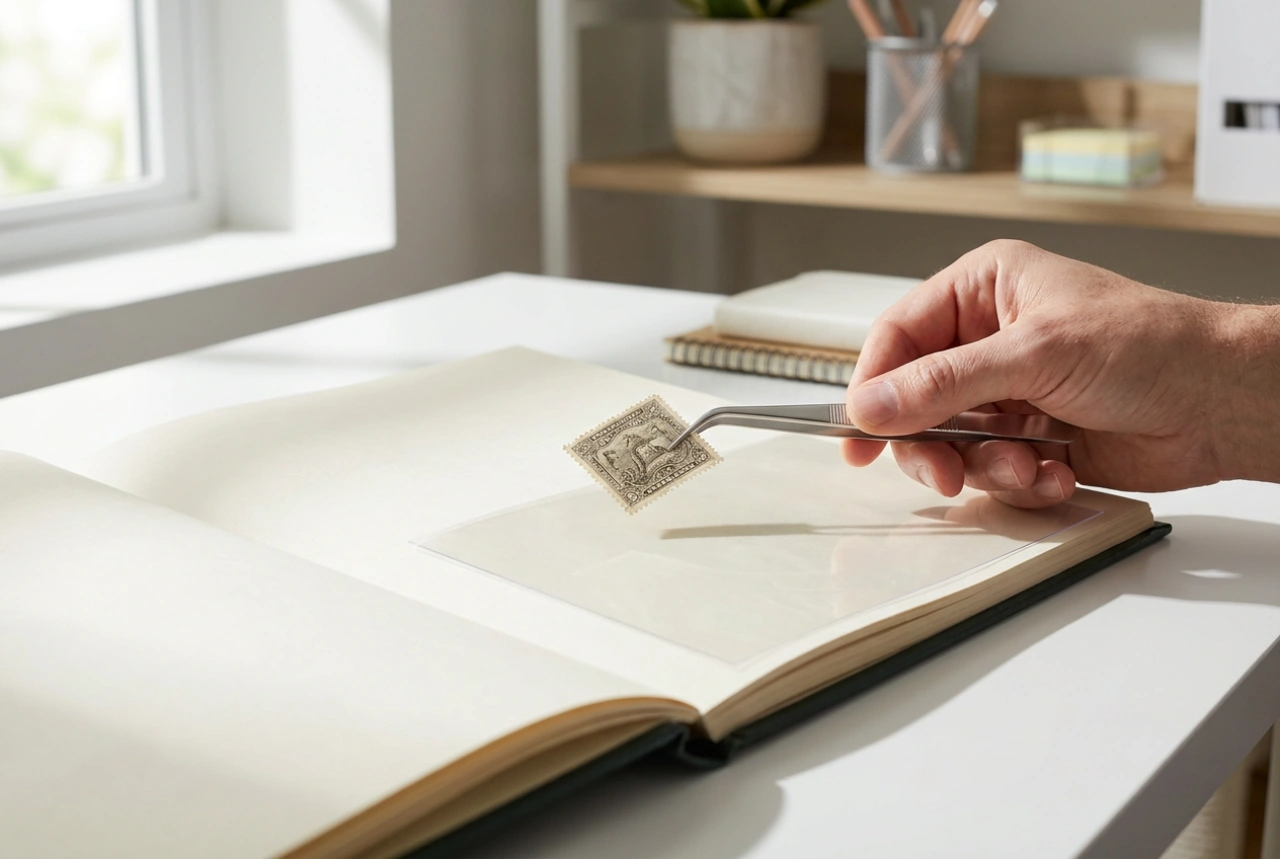
Every time you touch a photograph, you transfer natural skin oils (lipids), salts, and amino acids. These substances react with the silver emulsion, leaving permanent, acidic fingerprints that darken over time. Always wear clean, lint-free white cotton gloves or powder-free nitrile gloves when handling prints and albums. Hold photographs only by their edges, never touching the face of the image.
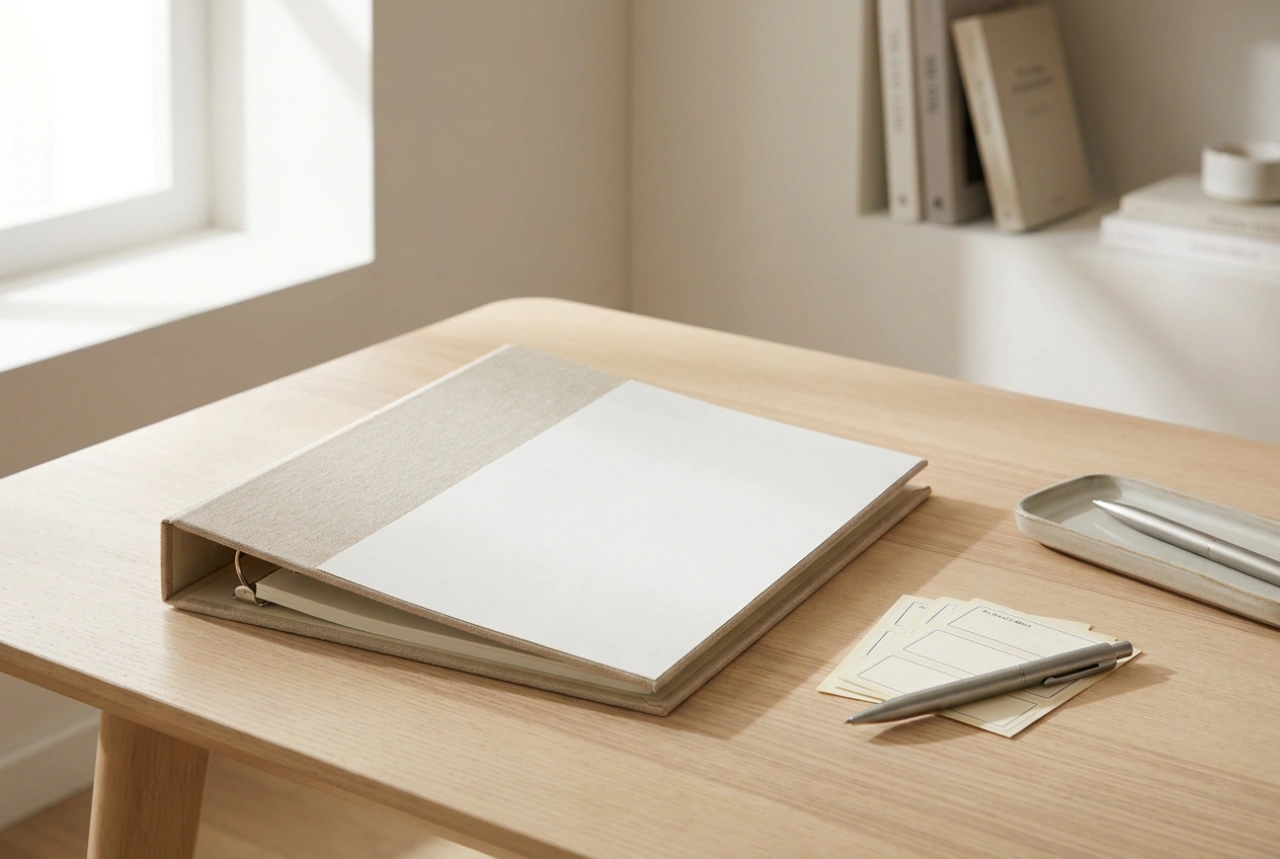
When choosing storage sleeves or mounting corners, avoid polyvinyl chloride (PVC). PVC degrades over time, releasing hydrochloric acid and plasticizers that create a sticky film and chemically destroy the photographic emulsion. Instead, look for chemically inert plastics such as polyester (polyethylene terephthalate), polypropylene, or polyethylene. For paper enclosures and album pages, ensure they are certified "acid-free" and "lignin-free," and ideally have passed the Photographic Activity Test (PAT), which guarantees they will not react chemically with photographic materials.
Physical Storage and Alignment Techniques
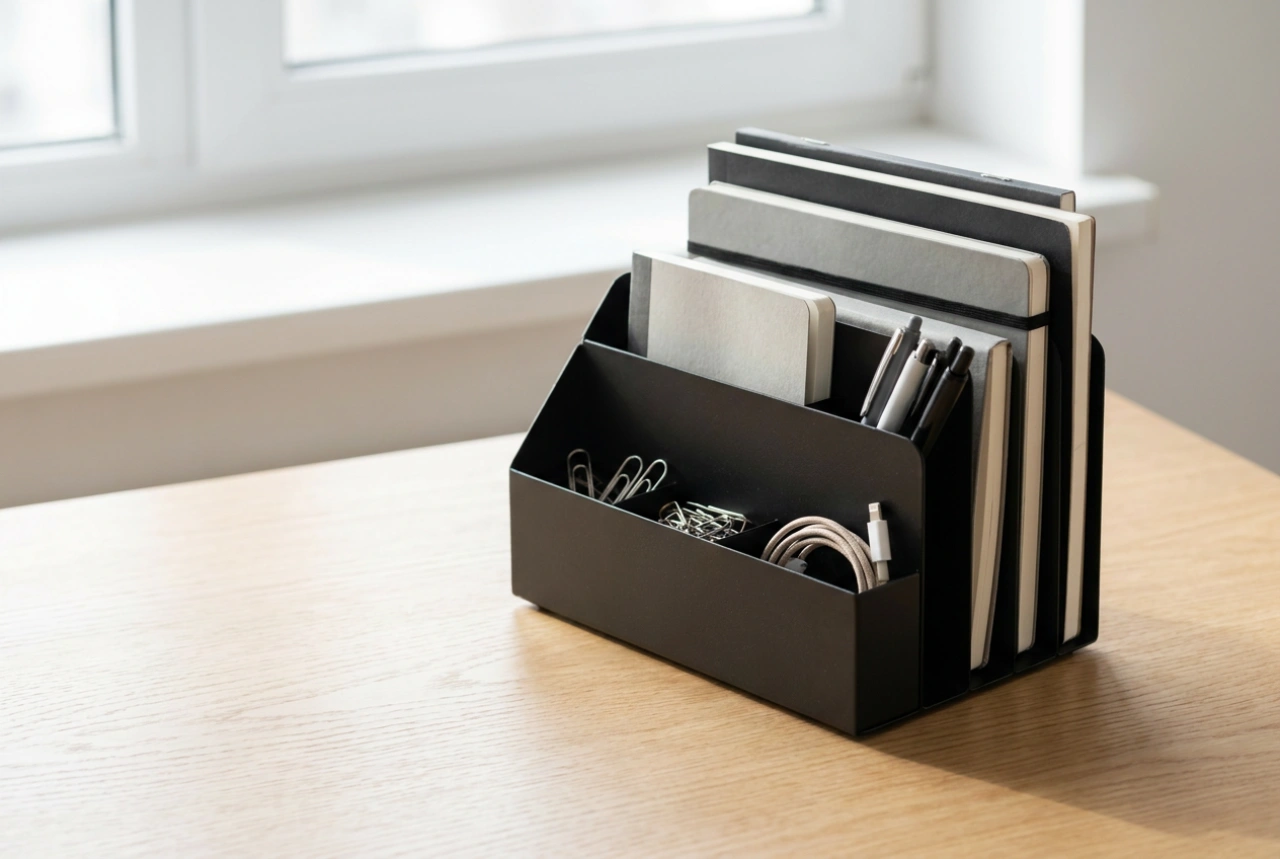
How you position your albums on a shelf affects their mechanical longevity. Heavy albums should be stored flat, not vertically. Storing large, heavy albums vertically puts excessive pressure on the spine and binding, causing the pages to sag, pull away from the cover, and eventually tear.
When stacking albums horizontally, limit the stack to two or three volumes to prevent excessive compression on the lower albums. This pressure can cause the photos on opposing pages to fuse together, especially in humid conditions. To prevent physical contact between facing photographs, place sheets of unbuffered, acid-free tissue paper between the pages as protective barriers.