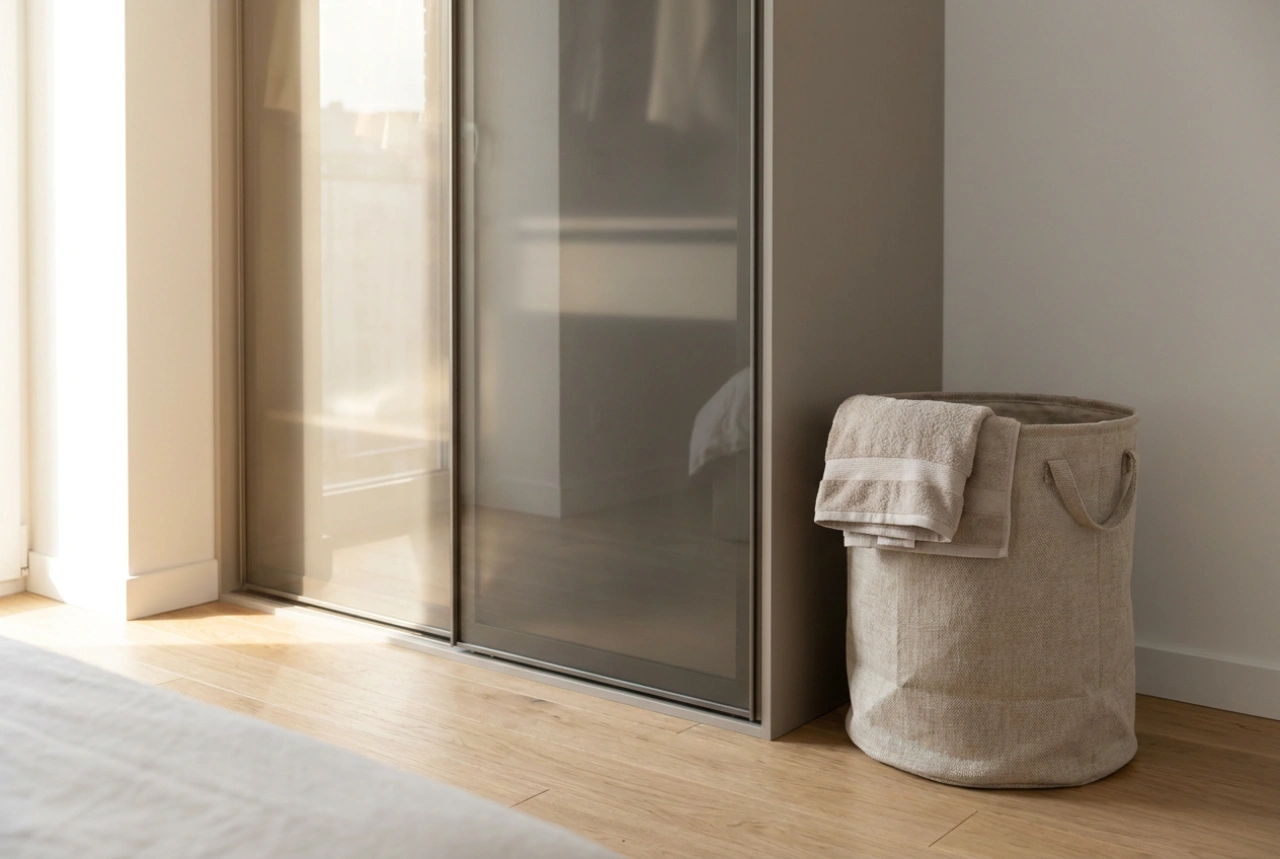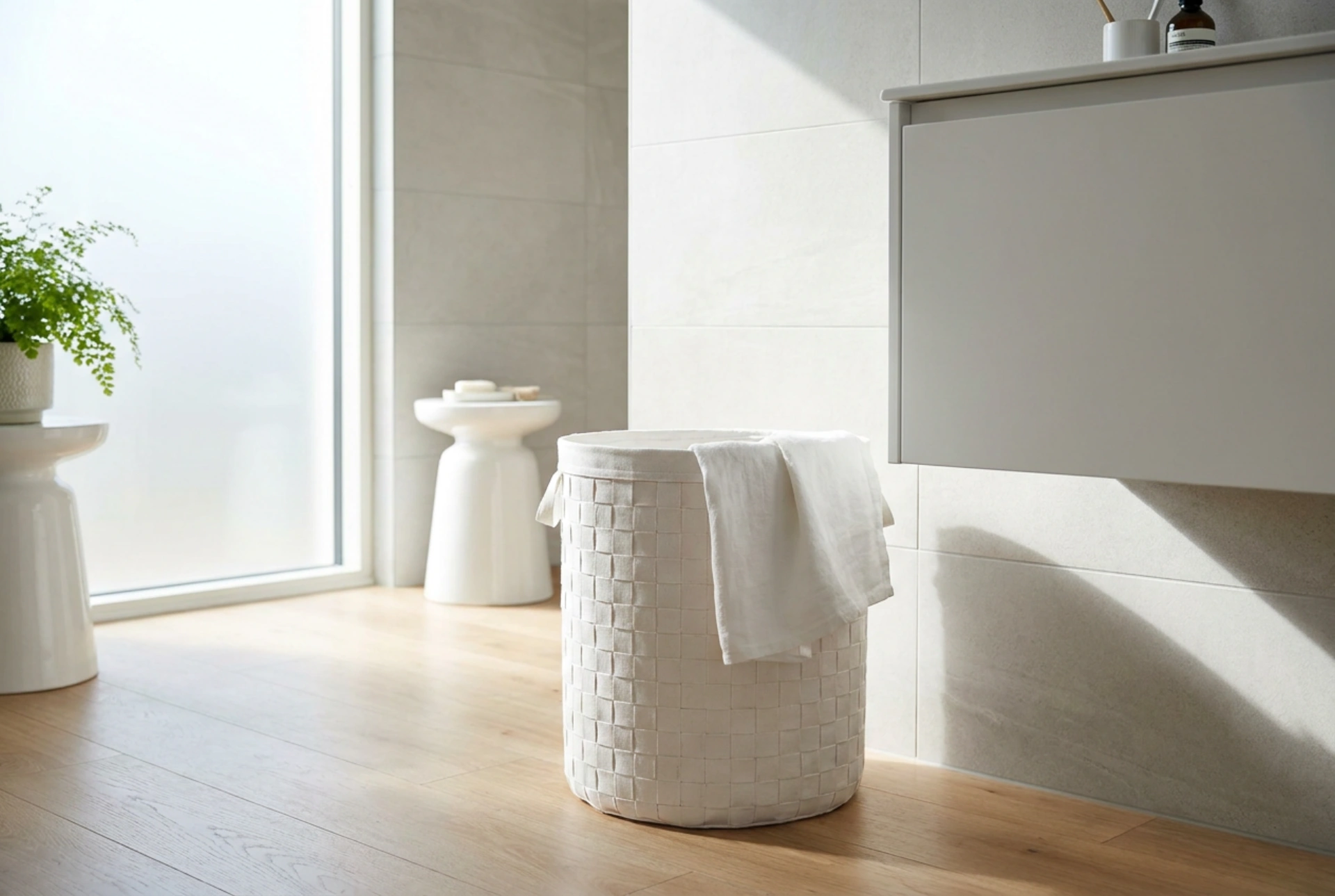


Achieving a visually serene bathroom relies on managing visual clutter and choosing materials that maximize light reflection. Integrating a white laundry basket serves as both a functional anchor for dirty linens and a strategic design element that preserves a bright, hygienic atmosphere.
The Physics of Light and Visual Space in Bathrooms
Bathrooms are often the smallest rooms in a home, making them highly susceptible to looking cramped and disorganized. The choice of a white laundry basket is deeply rooted in optical physics. Light-colored surfaces possess a high albedo, meaning they reflect the majority of the visible light spectrum rather than absorbing it. By placing a white container against typical bathroom surfaces—such as ceramic tiles, porcelain basins, and painted walls—you eliminate harsh contrast lines that visually shrink a room. This creates a continuous visual plane, making the space feel larger and cleaner. Conversely, dark or brightly colored hampers act as visual blocks, drawing the eye directly to a container filled with dirty items and emphasizing clutter.
Material Science: Selecting the Right White Utility Vessel
Not all white materials perform equally in the high-humidity environment of a bathroom. Understanding material science helps in selecting a basket that remains pristine and hygienic over time:
- Polypropylene (PP): This non-porous polymer is highly hydrophobic, meaning it does not absorb moisture or organic oils. It resists chemical degradation, allowing for easy disinfection with diluted chlorine detergents or oxygen-based sanitizers without risking discoloration.
- Powder-Coated Metal: Provides a sleek, modern aesthetic. The powder-coating process electrostaticly applies a dry powder that is cured under heat to form a hard, protective barrier. This barrier prevents oxygen and water from reaching the underlying metal, eliminating the risk of rust stains transferring to your laundry.
- Natural Cotton Rope with Washable Liners: Woven structures offer excellent structural flexibility and breathability. However, organic fibers can harbor dust and skin cells. Selecting a basket with a removable, machine-washable cotton liner allows you to wash the structural interface at high temperatures (60°C) to kill dust mites and bacteria.
Moisture Management and Bacterial Prevention
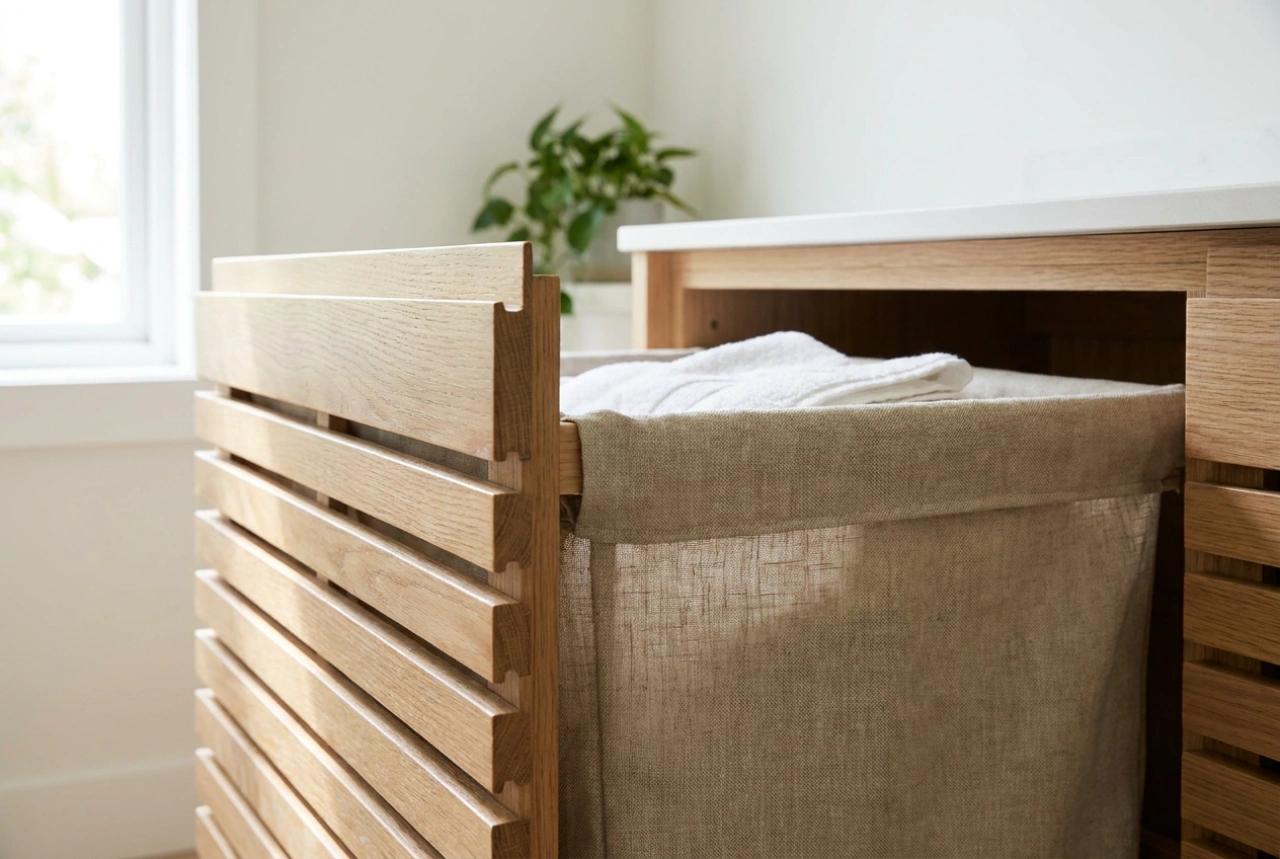
Storing damp clothing in a confined space creates an ideal microclimate for the proliferation of bacteria and mold, specifically Brevibacterium and fungal spores. This biological activity is the root cause of sour odors. To prevent this, the basket must facilitate constant airflow. Perforated walls or open-weave designs utilize natural air convection to carry moisture away from fabrics before mold can take hold. Additionally, place the laundry basket away from direct heat sources or high-condensation zones, such as the immediate perimeter of the shower, to prevent the temperature inside the hamper from rising, which accelerates microbial replication.
Sustaining the Pristine White Finish
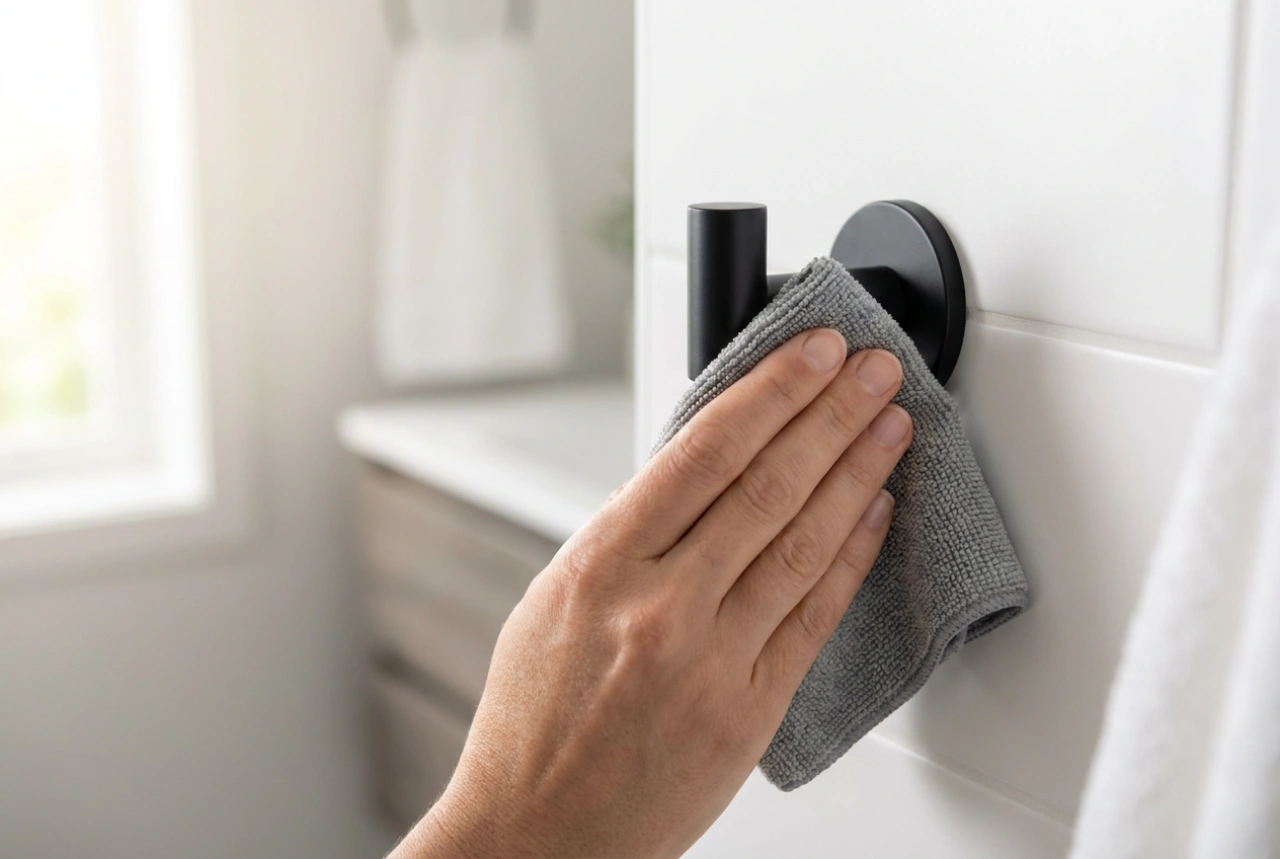
Over time, white plastics can undergo photo-oxidation, leading to yellowing, while woven materials can accumulate grime. Maintaining the clean aesthetic requires specific chemical interventions. Avoid using abrasive scouring creams or stiff brushes, which create micro-scratches on plastic surfaces. These microscopic grooves become traps for dirt, soap scum, and oils, permanently dulling the finish. Instead, clean plastic hampers with a soft microfiber cloth saturated with a warm solution of sodium bicarbonate (baking soda) or mild dish soap. For woven fabric components, periodic washing with an oxygen bleach agent (sodium percarbonate) restores brightness through an oxidation reaction that breaks down organic chromophores without damaging the structural integrity of the fibers.
Optimal Placement and Everyday Flow
To maximize efficiency, position the laundry basket close to the washing machine or in an easily accessible corner. Keeping the basket elevated slightly off the floor using small integrated legs prevents the bottom from collecting condensation or water spills. Developing a habit of emptying the basket regularly ensures that it never overflows, preserving the minimalist and orderly appearance of your bathroom space.