

Creating durable, professional-looking labels at home relies on understanding the chemistry of adhesives, paper finishes, and printing technology rather than relying on luck. By matching the right adhesive sheet to your printing method and preparing the application surface properly, you can achieve long-lasting labels that resist moisture and peeling.
Selecting the Right Paper for Your Printer Technology
Before printing, you must match the adhesive paper to your specific printer type, as inkjet and laser technologies handle materials completely differently. Inkjet printers liquidise dyes or pigments, spraying microscopic droplets onto the paper. Therefore, inkjet-compatible adhesive paper features a highly porous, absorbent top coating that locks in the moisture rapidly to prevent smudging. If you use laser paper in an inkjet, the ink will pool on the non-porous surface and smear immediately.
Conversely, laser printers use static electricity to transfer dry plastic toner powder onto the sheet, which is then melted and fused into the fibres using high-heat rollers (fusers). Laser-compatible adhesive paper must withstand temperatures exceeding 150 degrees Celsius without the adhesive backing melting or oozing inside the machine. Never use standard inkjet glossy sheets in a laser printer, as the heat can degrade the polymer backing, potentially damaging the printer components. For wet environments like kitchens or bathrooms, opt for synthetic polyester or vinyl adhesive sheets rather than cellulose-based paper, as polymers do not absorb moisture or degrade when exposed to water.
The Chemistry of Adhesion: Preparing the Surface
Even the strongest pressure-sensitive adhesive (PSA) will fail if applied to an unprepared surface. Dust, microscopic oils from your skin, and surfactant residues from dish soap create a barrier that prevents the adhesive polymer from wetting the substrate. To ensure a permanent bond on materials like glass, metal, or high-density plastics, the surface must be chemically cleaned.
- Avoid Standard Soap: Liquid dish soap often contains additives, skin conditioners, and synthetic fragrances that leave a microscopic film behind, reducing the contact area for the adhesive.
- Use Isopropyl Alcohol: Wipe the surface thoroughly with a lint-free cloth saturated with isopropyl alcohol (minimum 70% concentration). Isopropyl alcohol dissolves greasy residues and evaporates quickly without leaving a film.
- Temperature Matters: Apply labels at room temperature (between 18 and 22 degrees Celsius). Cold temperatures cause the adhesive polymer to harden and lose its tackiness, preventing it from conforming to the microscopic texture of the surface.
Mastering the Application Technique
Applying a self-adhesive label requires a deliberate physical technique to avoid trapping air bubbles and ensuring uniform surface contact. Pressure-sensitive adhesives rely on physical pressure to activate the chemical bond between the adhesive layer and the target surface.
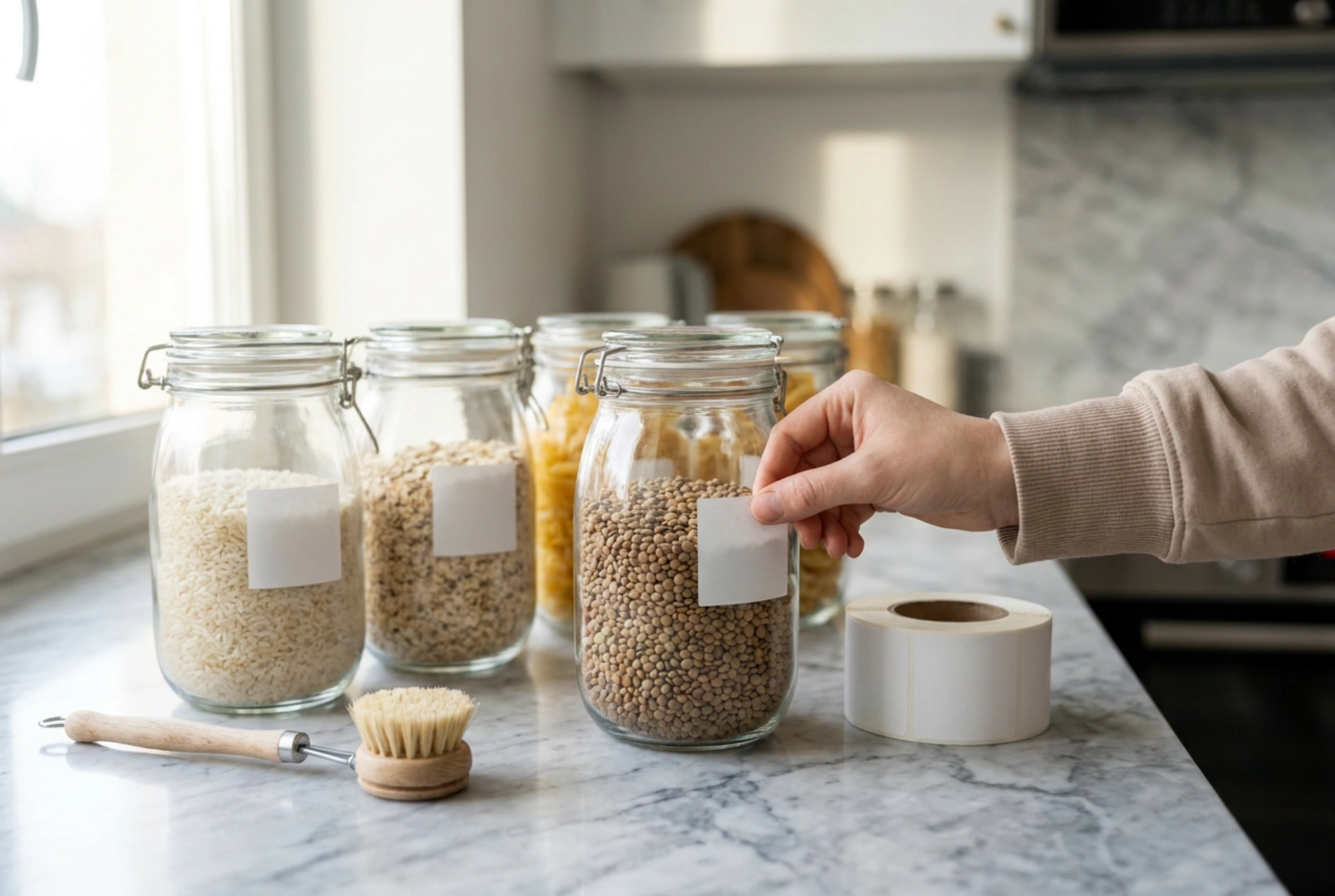
To begin, peel back a small section of the backing paper (about one centimetre) to expose an edge of the adhesive. Align this exposed edge precisely with your target area. Using a firm, continuous motion, gradually peel away the remaining backing paper while simultaneously smoothing the label down. Always work from the centre outward to the edges, using a soft cloth, a felt-tipped squeegee, or the edge of a plastic card wrapped in a microfiber cloth. This outward sweeping motion pushes any trapped air to the perimeter, preventing bubbles. Once the label is completely down, apply firm pressure across the entire surface, especially along the outer edges where lifting is most likely to begin.
Curing and Maintenance of Your Labels
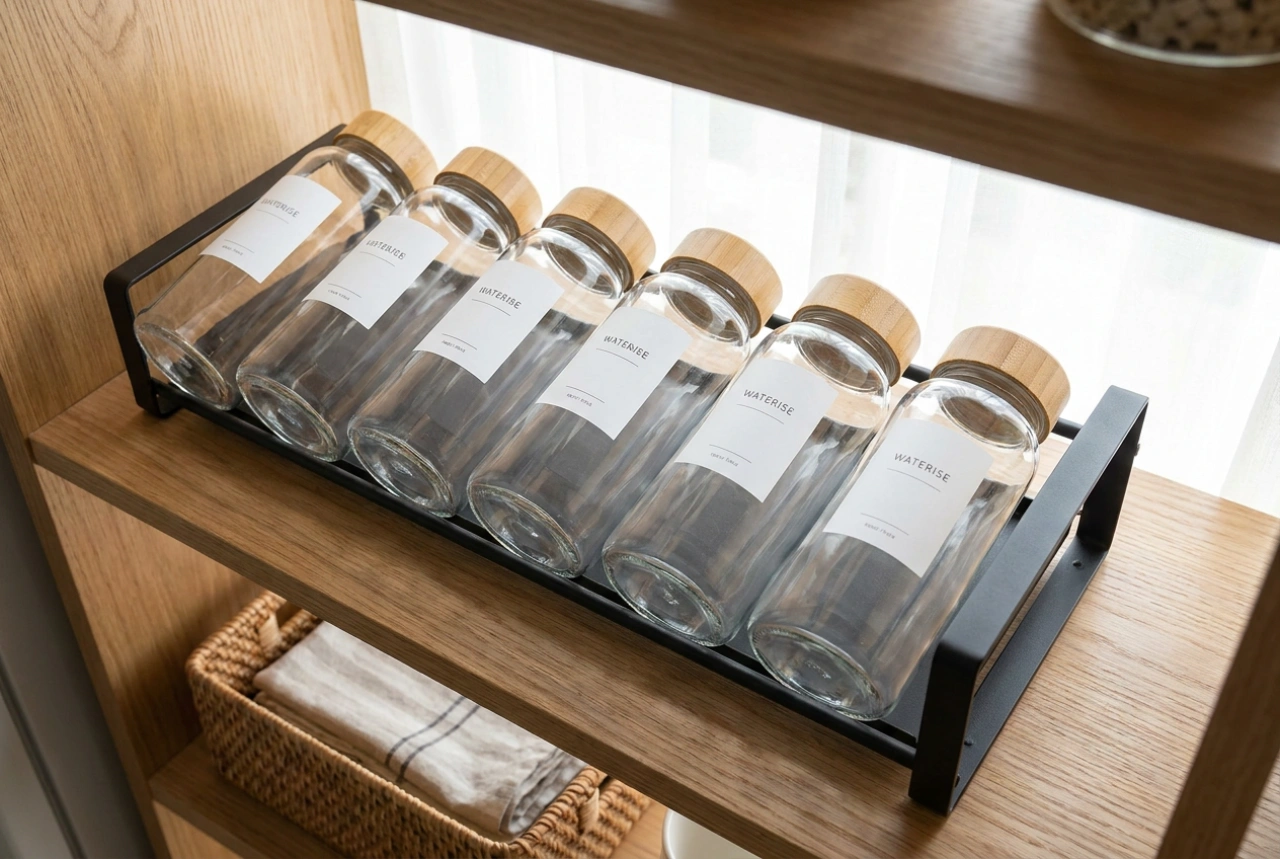
Once applied, the label requires a curing period to reach its maximum adhesion level. The polymer chains within pressure-sensitive adhesives require time to flow into the microscopic crevices of the surface, a process known as wetting. Avoid exposing the labelled item to moisture, extreme cold, or heat for at least 24 hours. During this period, the bond strength will increase significantly. When washing labelled glass jars, hand wash them gently using lukewarm water and avoid soaking, as prolonged submersion can penetrate the edges of even synthetic labels, slowly dissolving the adhesive layer over time.