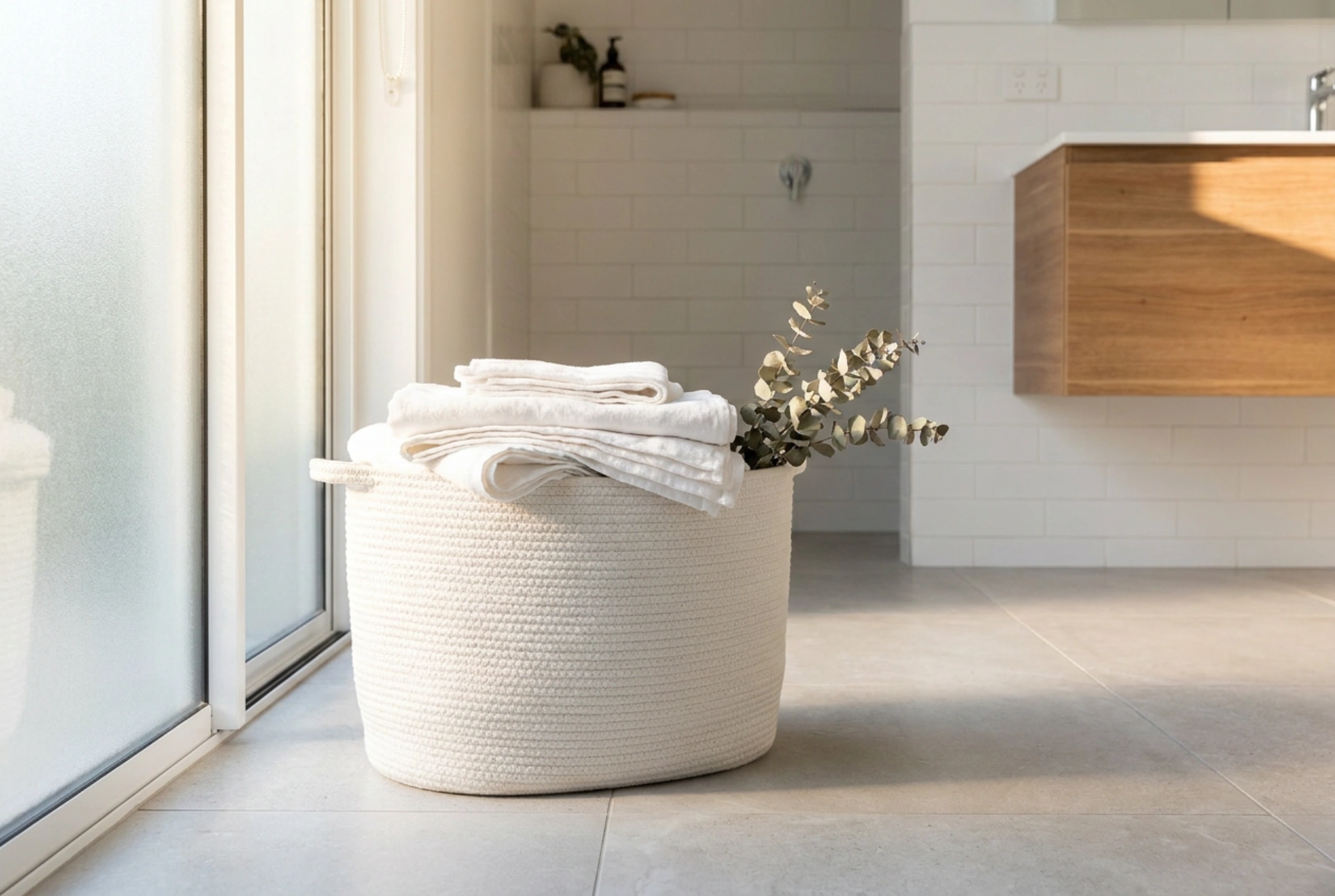


Selecting the right laundry basket is more than an aesthetic choice; it is a fundamental step in managing bathroom humidity and preventing microbial growth on textiles. A white, well-ventilated container serves as an active tool in maintaining both visual order and structural hygiene in your home.
The Physics of Airflow and Moisture Management
Bathrooms are high-humidity environments where warm, moisture-laden air constantly circulates. When damp towels or sweaty garments are tossed into a sealed, non-breathable laundry bin, they create a microclimate ideal for the rapid proliferation of mould spores and mildew. This process is accelerated by the residual body heat trapped within the fabrics.
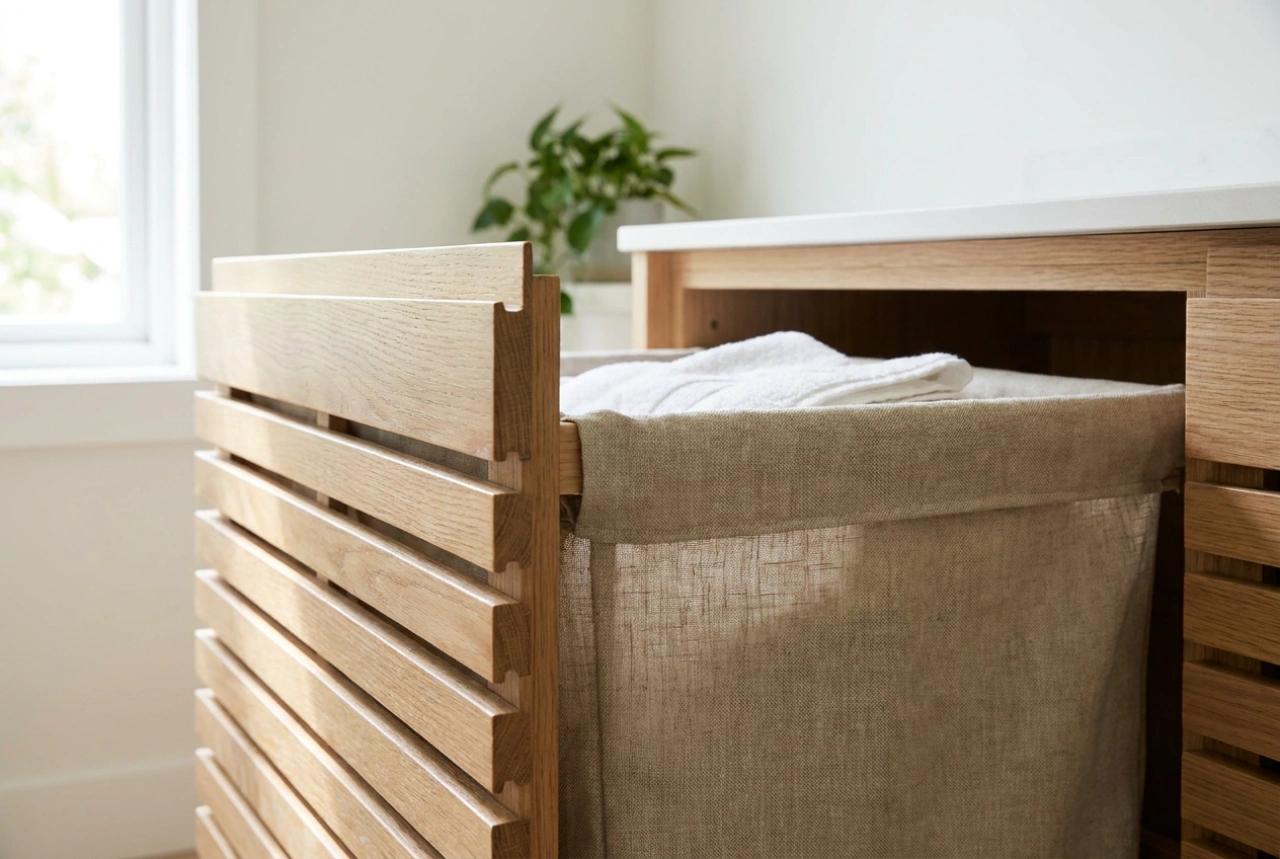
To counteract this, laundry baskets must facilitate passive ventilation. Perforated or woven structures allow air to move freely through the damp textiles, promoting evaporation. As air flows through the holes, it lowers the relative humidity inside the basket, arresting the metabolic activity of fungi. This prevents the formation of musty odours and stops mildew from permanently staining light-coloured fabrics before they even reach the washing machine.
Material Science: Selecting and Maintaining White Polymers
While natural woven materials offer aesthetic appeal, they are highly porous and prone to absorbing moisture, which can lead to rot and fungal colonisation. For a bathroom environment, non-porous synthetic polymers like high-density polyethylene or polypropylene are structurally superior. These materials do not absorb water, are chemically inert, and can withstand rigorous disinfection protocols.
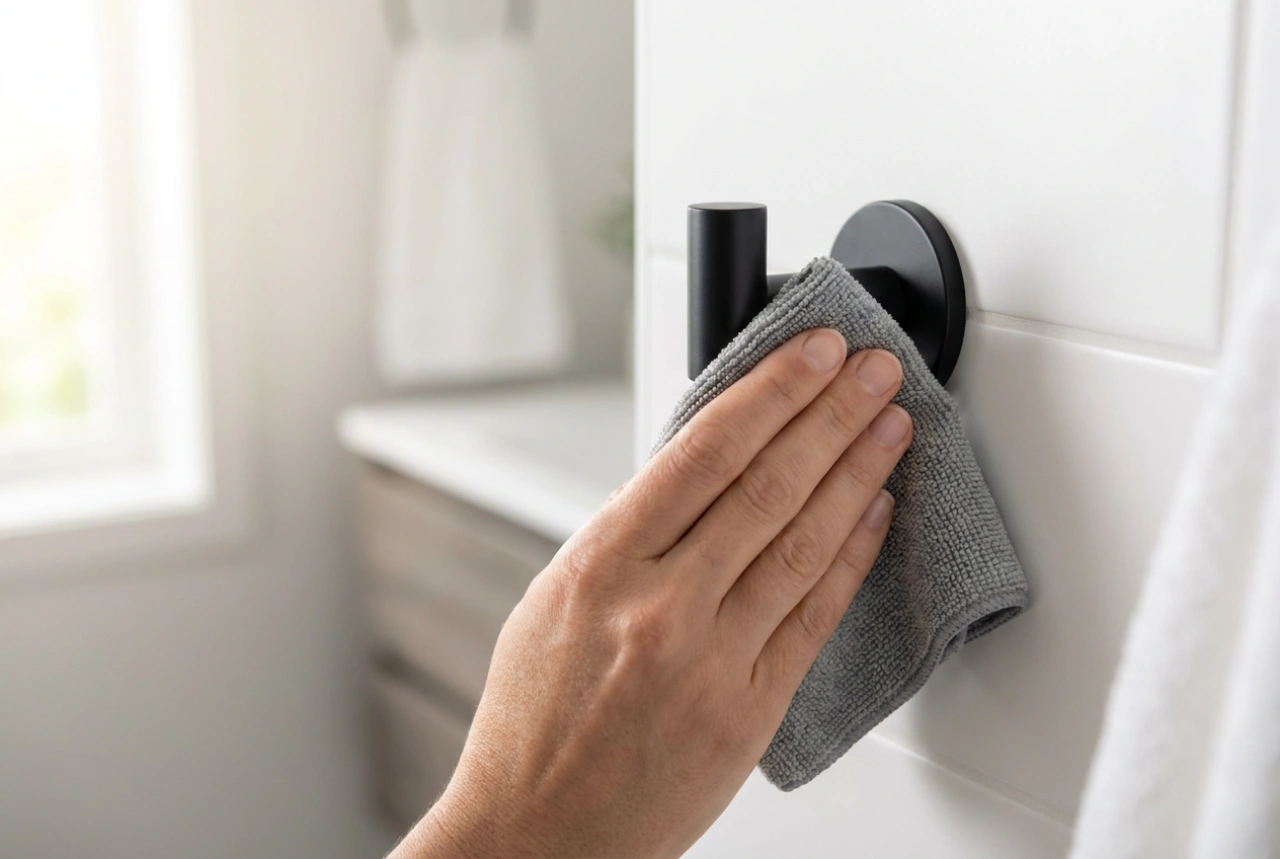
However, white plastics are susceptible to yellowing over time due to photo-oxidation, triggered by UV light, and chemical staining from sebum or dyes. To prevent this, the basket should be positioned away from direct sunlight. When cleaning, avoid abrasive scouring pads which create microscopic scratches; these micro-fissures trap dirt and bacteria, making the surface harder to clean in the future. Instead, use a soft microfibre cloth and a mild surfactant solution.
Hygiene Protocols and Chemical Disinfection
A laundry basket accumulates skin flakes, dust mites, and bacterial residues from soiled clothing. Over time, these organic materials form a microscopic bio-film on the interior surfaces. Regular sanitisation is essential to break down this layer and prevent cross-contamination.
Every two weeks, empty the basket and wipe the interior with a solution of oxygen bleach dissolved in warm water at 40 degrees Celsius or a highly diluted chlorine-based disinfectant. Oxygen bleach undergoes a chemical reaction that releases active oxygen molecules, which oxidise and destroy the cellular membranes of bacteria and fungi without degrading the polymer structure. Allow the solution to remain on the surface for five minutes to ensure complete sanitisation, then rinse with clean water and dry thoroughly with a clean lint-free towel before replacing any clothing.
Strategic Placement and Sorting Systems
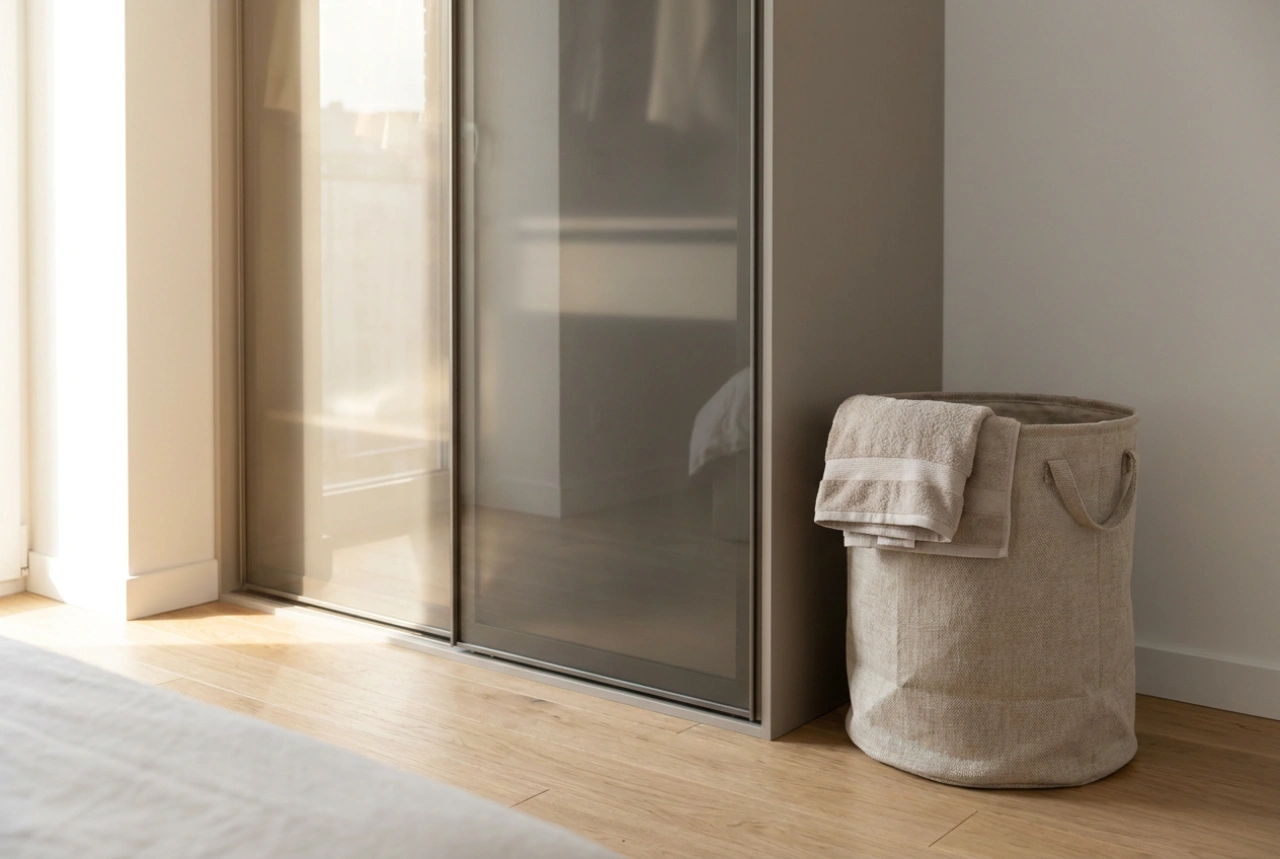
Where you place your white laundry basket impacts both bathroom ergonomics and textile preservation. Position the basket in a dry zone of the bathroom, away from direct splashes from the shower or bath. Elevating the basket slightly off the floor, either on integrated legs or a low shelf, prevents water from pooling underneath, which can trap moisture and cause mildew on the bathroom tiles.
For optimal efficiency, consider a multi-compartment system or utilising two matching white baskets. This allows for immediate sorting of light and dark fabrics at the point of disposal. Sorting fabrics dry prevents the transfer of loose dyes that can occur when damp dark garments rest against damp light garments, preserving the bright white appearance of both your laundry and your storage containers.