

Maintaining the structural integrity and freshness of school lunchboxes requires more than just careful packing; it demands an understanding of moisture migration, thermal dynamics, and enzymatic browning. By applying basic food science principles, you can ensure that fruits, vegetables, and grains remain crisp, dry, and appetising until lunchtime.
Managing Moisture Migration and Soggy Sandwiches
When building a sandwich or wrap, the primary adversary is moisture migration—the movement of water molecules from high-concentration areas (like sliced tomatoes, cucumbers, or spreads) to low-concentration areas (such as bread). This process is driven by water activity gradients. To prevent soggy bread, you must establish a hydrophobic barrier. Applying a thin, even layer of fat, such as butter, cream cheese, or oil-based spreads, directly to the bread surfaces creates a lipid layer that repels water molecules.
Additionally, position high-water-content ingredients in the centre of the sandwich, isolated between dry elements like sliced cheese, cured meats, or thoroughly dried lettuce leaves. Washing lettuce in advance is excellent, but ensure it is completely spun dry; residual surface water will rapidly migrate into the bread via capillary action. Placing a sheet of parchment paper between wet and dry ingredients that are compiled at the last minute is another effective structural technique.
Inhibiting Oxidation and Enzymatic Browning
Sliced fruits and vegetables like apples, pears, and avocados quickly turn brown when exposed to oxygen. This chemical reaction is caused by an enzyme called polyphenol oxidase (PPO) interacting with oxygen in the air to produce melanin pigments. To halt this biochemical process, you must either denature the enzyme or block oxygen contact.
A mild acidic solution works perfectly: dipping sliced fruit in a mixture of water and ascorbic acid (vitamin C) or dilute lemon juice lowers the pH on the surface of the fruit. This acidic environment deactivates the PPO enzyme. Alternatively, storing sliced fruit in airtight compartments with minimal headspace reduces the available oxygen, slowing down the reaction. For vegetables like cucumbers, salting them slightly ahead of time draws out excess water through osmosis; rinse and pat them dry before packing to prevent them from weeping liquid inside the box.
Thermal Regulation and Condensation Prevention
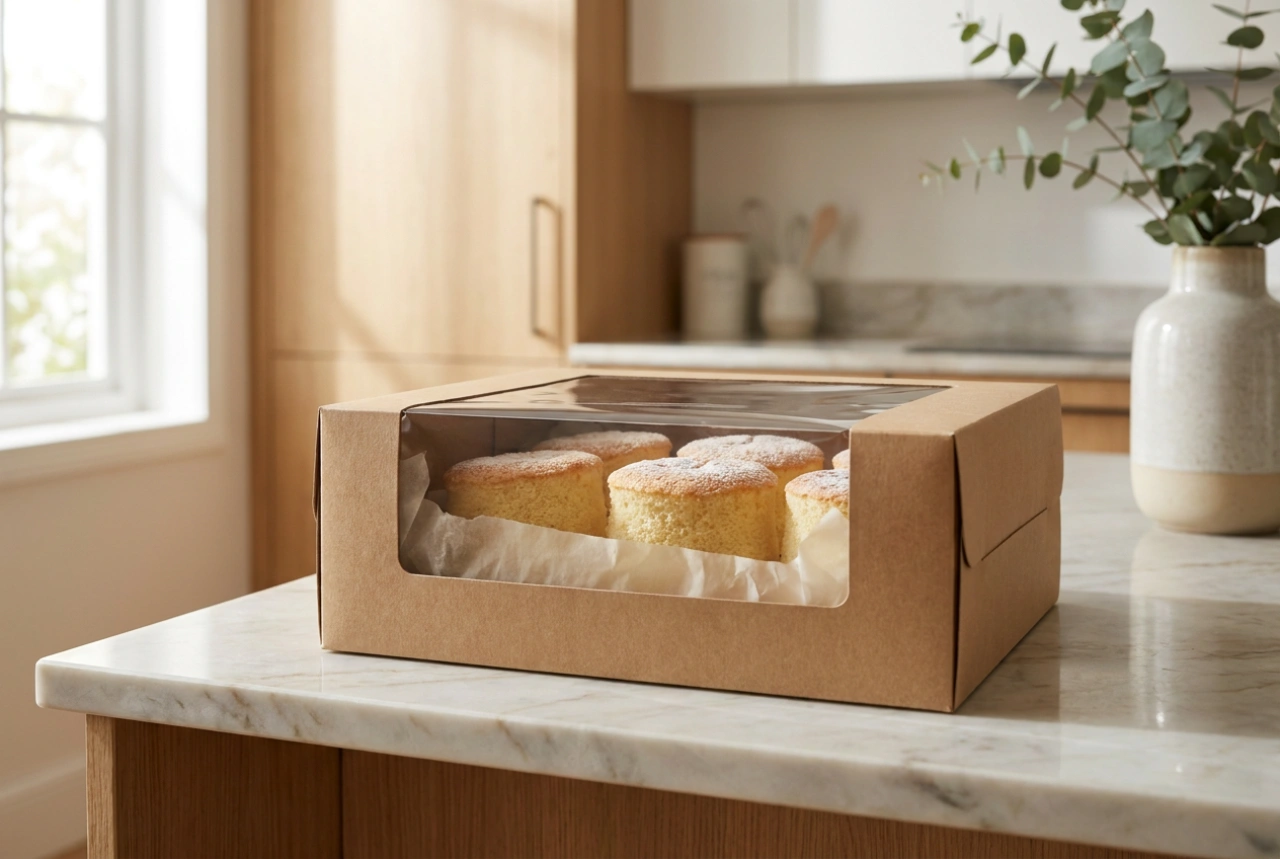
The temperature gradient between the inside of the schoolbag and the lunchbox can cause rapid food spoilage and unwanted condensation. Warm air holds more moisture than cold air; when warm air inside a freshly packed lunchbox hits a cooler surface, it condenses into water droplets, making dry food soggy. To control this, always allow cooked components, such as pasta, boiled eggs, or baked items, to cool completely to room temperature on a wire rack before sealing them inside the container.
To maintain a safe temperature of under 5 degrees Celsius (preventing bacterial proliferation without freezing the food), use a gel ice pack placed directly adjacent to perishable items. Wrap the ice pack in a thin kitchen towel or reusable sleeve to absorb any condensation that forms on its outer surface as it absorbs ambient heat.
Structural Layout and Compartmentalisation
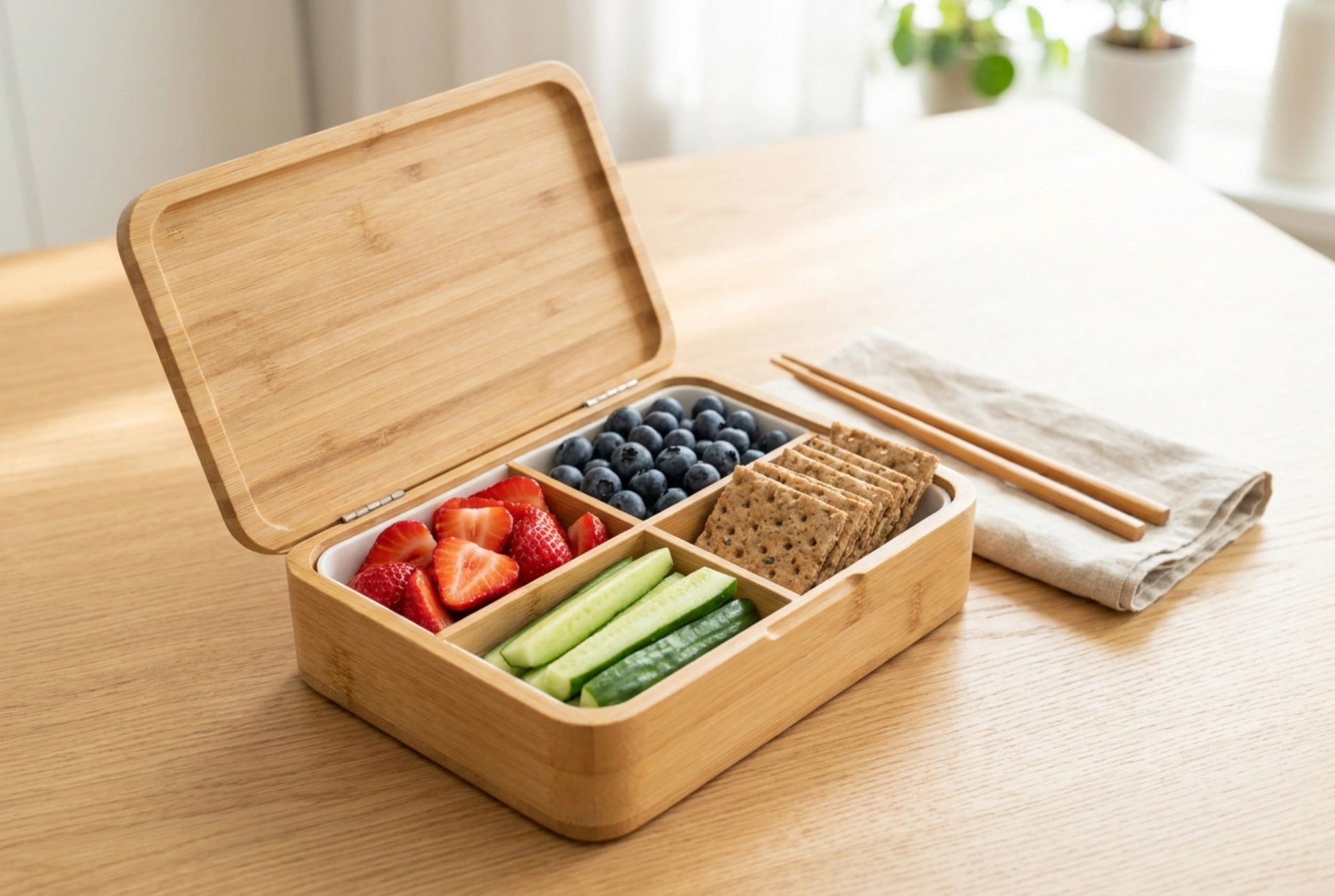
The physics of transport means a lunchbox will undergo significant kinetic energy (shaking, drops, and vertical orientation inside a schoolbag). To prevent physical degradation of the food, pack items tightly enough to eliminate empty space, which prevents movement and collision. Use the principles of density: place heavy, structurally resilient items (like carrots, hard-boiled eggs, or whole-grain crackers) at the bottom of the container. Delicate items, such as strawberries, blueberries, or leafy greens, should sit at the top.
Utilise food-grade silicone dividers or separate bento compartments to isolate dry ingredients from moist ones, preventing cross-contamination of textures. If packing dry crackers alongside moist dips, insert a small barrier of parchment paper or use a dedicated airtight pod to prevent the dry starch from absorbing ambient moisture and losing its crispness.