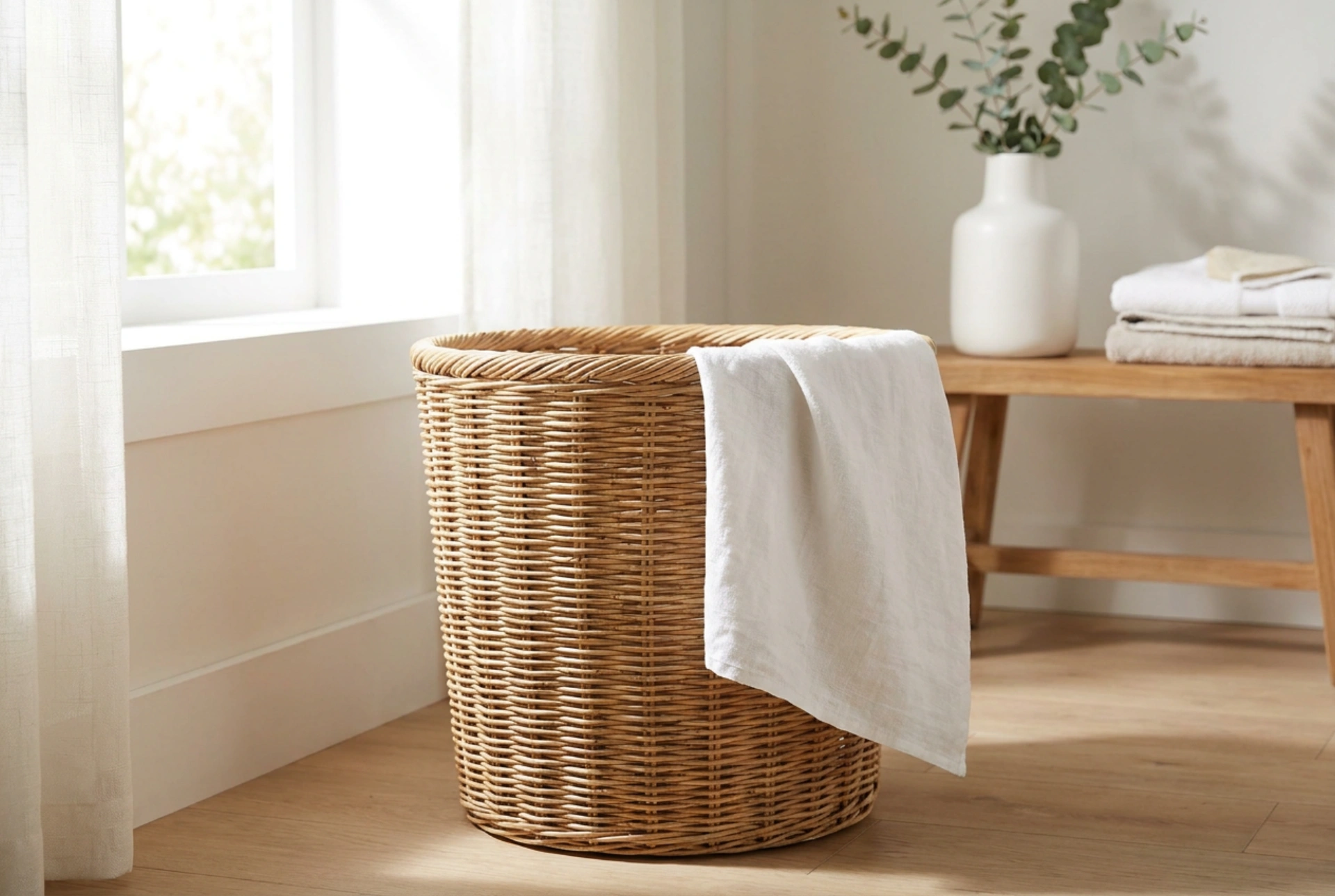


Rattan laundry baskets bring a warm, natural aesthetic to the home, but their porous, fibrous structure makes them highly vulnerable to the damp environment of a bathroom. Understanding how rattan interacts with moisture and applying targeted material-care techniques can prevent structural decay, warping, and the formation of mold.
The Material Science of Rattan and Humidity
Rattan is harvested from climbing palms and consists of dense networks of cellulose, hemicellulose, and lignin. These organic fibers are highly hygroscopic, meaning they naturally absorb and release water molecules from the surrounding air to maintain equilibrium. In a humid bathroom, capillary action draws airborne water droplets deep into the porous cellular structure of the rattan vines.
When moisture remains trapped within these micro-pores, it triggers two destructive processes. First, the fibers swell and expand unevenly, weakening the structural integrity of the weave and causing the basket to lose its shape. Second, the combination of damp organic cellulose and lack of airflow creates an ideal breeding ground for mold spores. Fungal hyphae quickly penetrate the fibers, feeding on the natural sugars of the wood and leaving dark, indelible stains alongside musty odors.
Establishing a Physical Barrier Against Water Vapor
To prevent water from penetrating the raw fibers, you must seal the rattan’s pores without completely suffocating the material. A micro-thin protective coating acts as a hydrophobic barrier, causing liquid water to bead up and roll off rather than penetrate.
- Natural Oil Treatment: Applying a thin layer of boiled linseed oil or liquid beeswax nourishes the fibers while providing water resistance. Use a soft, lint-free cloth to rub the oil into the weave, ensuring you reach the crevices. Allow the oil to penetrate for twenty minutes, then buff away all excess residue with a clean cloth. This treatment maintains the flexibility of the fibers and prevents cracking.
- Water-Resistant Sealants: For high-humidity bathrooms, a matte, water-based polyurethane or acrylic varnish provides a robust shield. Apply a very thin, even coat using a fine-bristle brush. Ensure the basket is completely dry before application to avoid sealing existing moisture inside, which would cause internal rot.
Optimizing Airflow and Using Protective Liners
Preventing moisture accumulation is as much about physical placement and air circulation as it is about chemical barriers. Direct contact with damp clothing is the primary source of moisture inside a laundry basket.
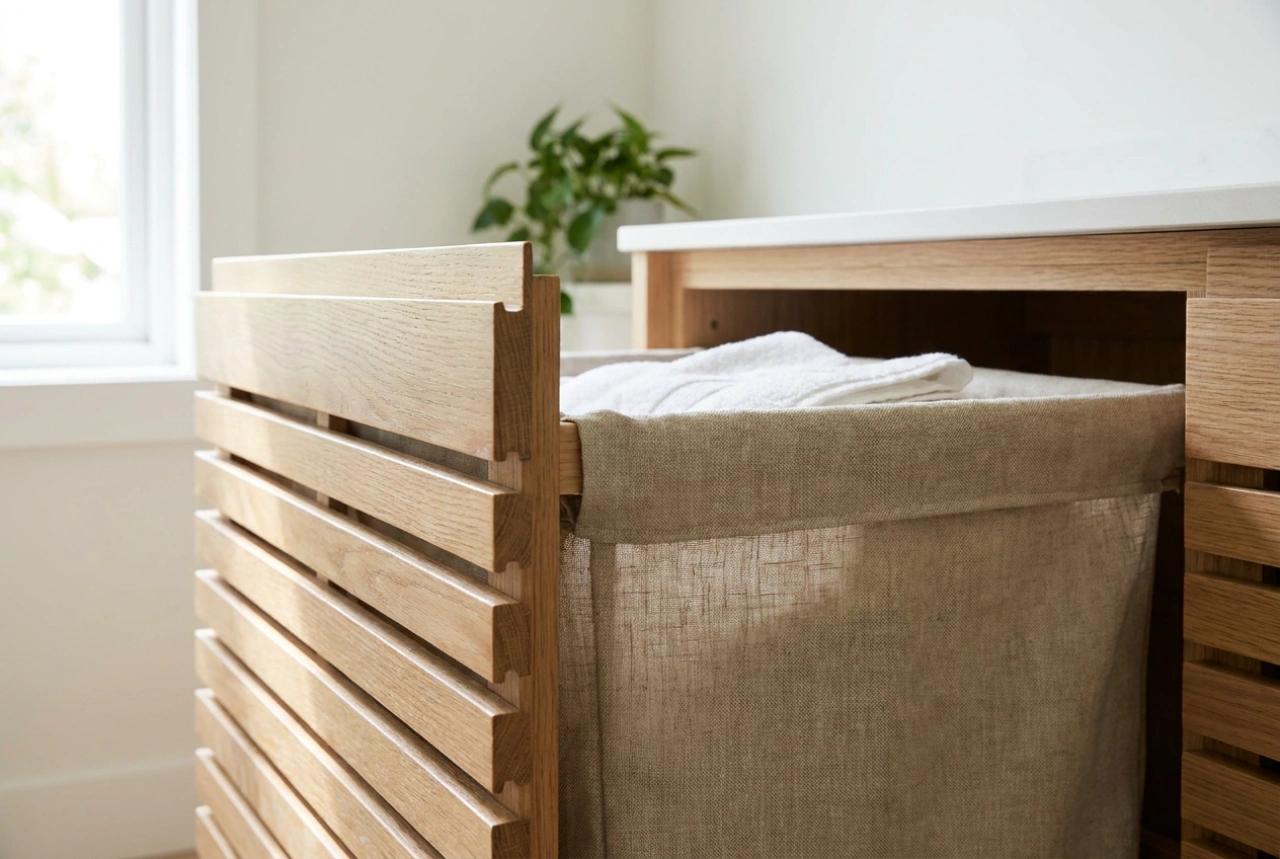
Always equip your rattan basket with a removable, breathable fabric liner made of natural fibers like linen or heavy-weight cotton. Synthetic liners like polyester trap moisture inside the basket, creating a humid microclimate. Natural fibers absorb the initial dampness from worn clothes and can be easily removed and laundered at high temperatures to kill bacteria. Furthermore, elevate the basket slightly off the bathroom floor—ideally using small rubber feet or placing it on a slatted wooden bath mat. This allows air to circulate underneath the basket, preventing condensation from pooling beneath it.
Safe Cleaning and Drying Protocols
Cleaning rattan requires a delicate balance; you must remove surface grime and fungal spores without oversaturating the wood. Never submerge a rattan basket in water or spray it directly with a hose.
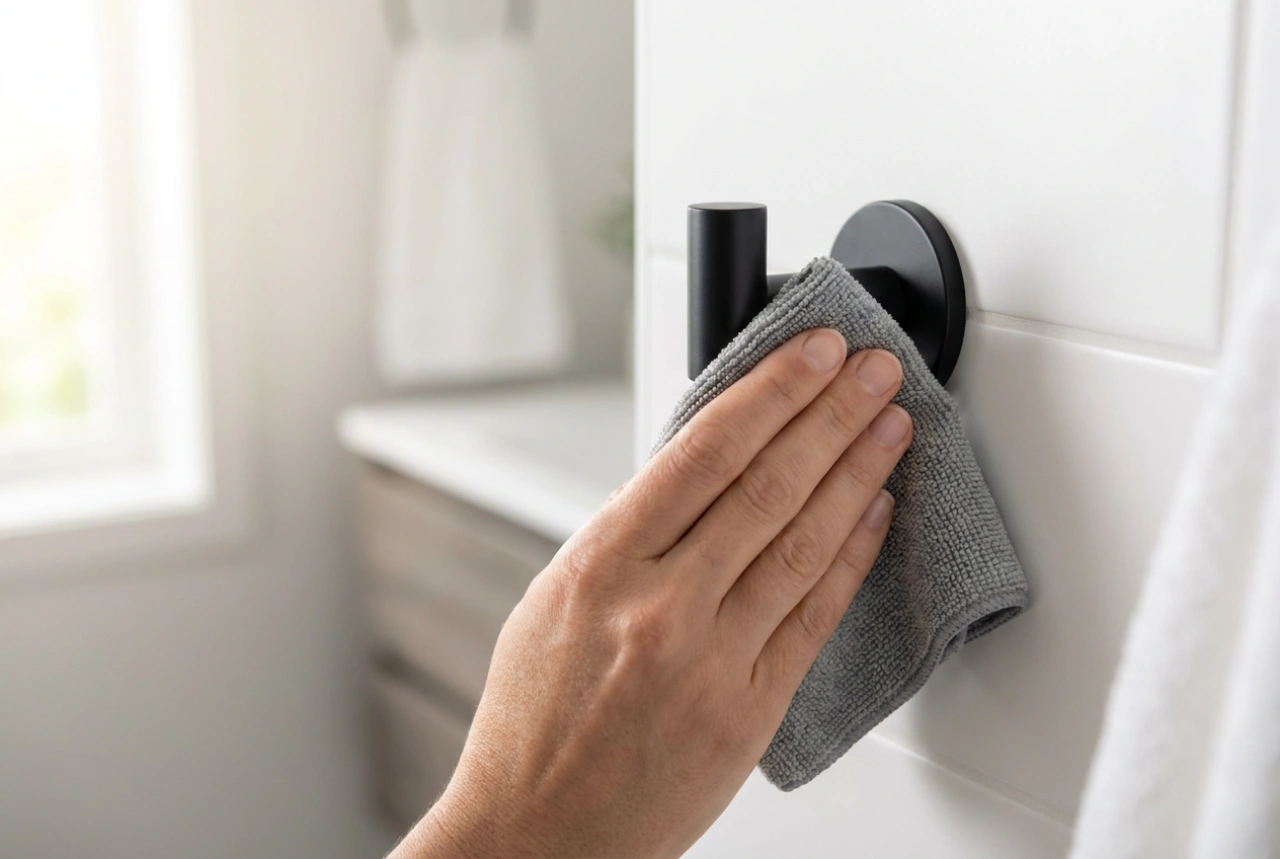
To clean, prepare a mild solution of warm water and a few drops of pH-neutral soap. Dampen a microfiber cloth in the solution, wring it out until it is barely moist, and gently wipe down the weave in the direction of the fibers. To eliminate mold spores without damaging the lignin structure, use a 1:1 mixture of warm water and distilled white vinegar. Vinegar’s mild acidity penetrates fungal cell walls, neutralising mold at the source. After cleaning, dry the basket immediately in a well-ventilated, shaded outdoor area or a room with a dehumidifier. Avoid direct, intense sunlight, as rapid heat exposure causes the fibers to shrink quickly, leading to warping and brittleness.