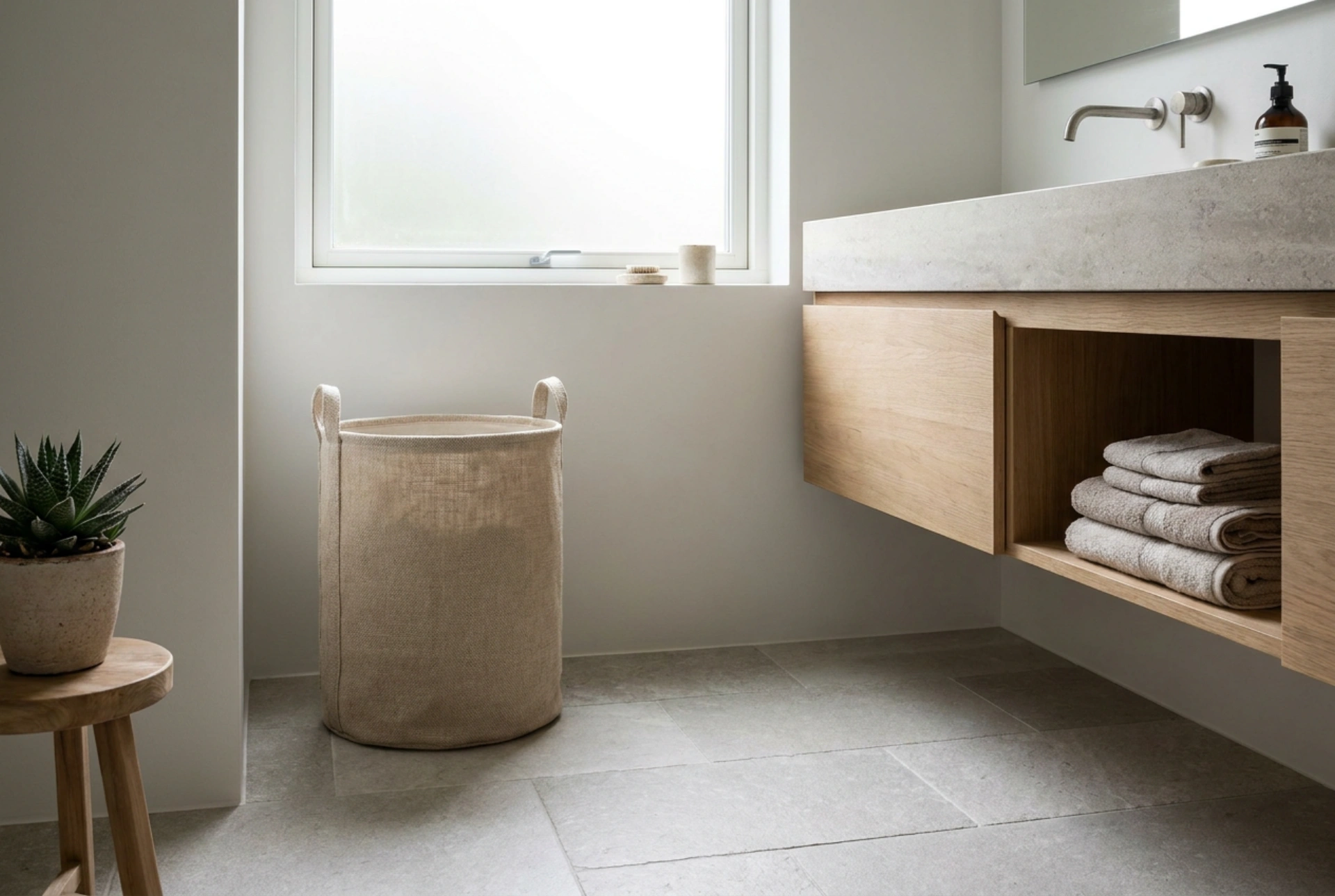


Sorting laundry at the source minimizes fabric wear, prevents dye transfer, and optimizes washing machine efficiency. Implementing a structured, material-conscious sorting system in your bathroom simplifies the washing process and maintains the structural integrity of your textiles.
The Chemistry of Dye Transfer and Fiber Behavior
To understand why pre-sorting laundry is essential, one must look at the physical chemistry of textiles and dyes. Modern fabrics are dyed using various chemical bonds. Cotton and other cellulosic fibers are often treated with direct or reactive dyes, which can bleed when exposed to water, thermal energy, and mechanical action. When unsorted garments are washed together, loose dye molecules suspend in the wash liquor and redeposit onto lighter fabrics, causing permanent discoloration. Furthermore, different fibers possess distinct chemical affinities. Synthetic fibers, such as polyester, are hydrophobic but highly lipophilic. This means they attract oily soils and sebum released from other garments during the wash cycle. Washing heavy, oil-soiled workwear with delicate synthetic activewear leads to soil redeposition, permanently graying the synthetics. Separating garments by color intensity and fiber type prevents these undesirable chemical interactions.
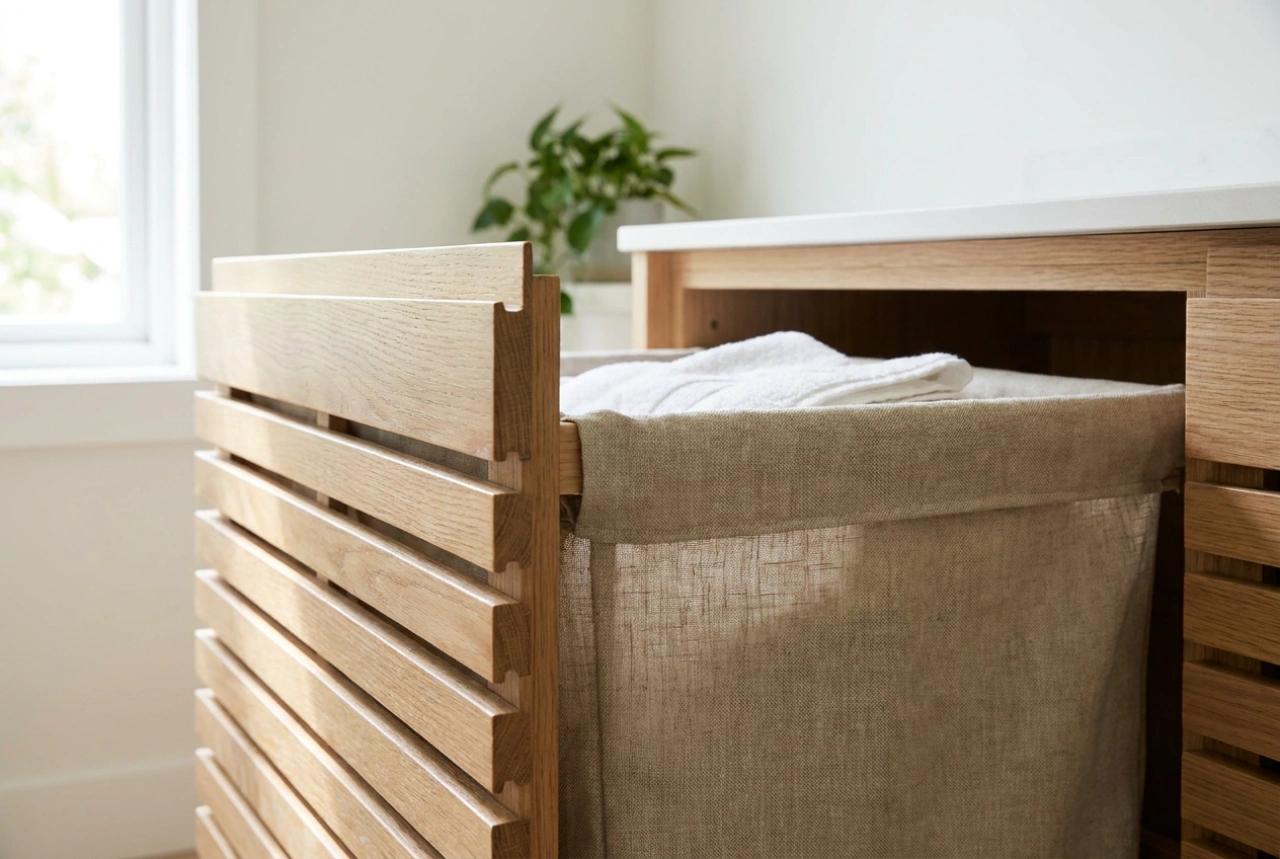
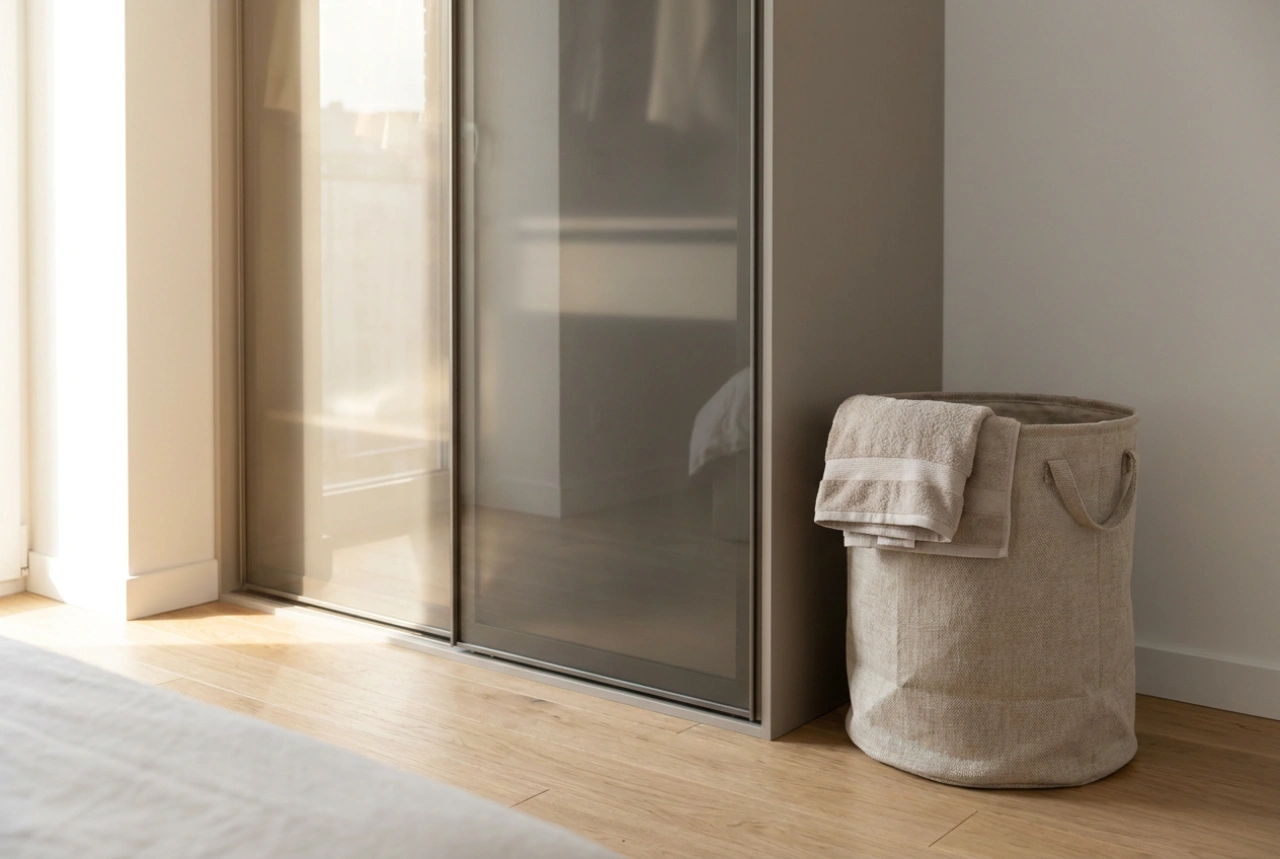
Material Science: Selecting the Right Laundry Basket
The microclimate inside a laundry basket directly affects the hygiene of your garments before they even reach the washing machine. When dirty clothes are piled together, they contain organic residues such as sweat, sebum, skin flakes, and environmental moisture. If stored in an airtight, non-breathable container, this environment promotes the rapid proliferation of bacteria and fungi.
- Solid Plastic Baskets: These restrict airflow, trapping moisture and creating a high-humidity microclimate. This accelerates the metabolic activity of bacteria, leading to the breakdown of sweat into volatile organic compounds like butyric acid, which emit sour odors.
- Woven Fabric and Natural Fiber Baskets: Materials like cotton canvas, bamboo, or rattan allow continuous air circulation. This evaporation process lowers the moisture activity within the basket, inhibiting the germination of mold spores and minimizing odor development.
- Synthetics with Ventilation Holes: High-density polyethylene baskets with perforated walls offer a balance of durability, easy sanitization, and sufficient airflow.
Designing an Optimal Multi-Compartment System
An efficient home sorting system relies on dividing laundry into distinct categories before the wash day. A triple-compartment basket or a series of modular bins is the most effective setup for standard household needs.
The Light and White Category
Reserved for pure whites, cream, and very light pastel tones. These fabrics are highly susceptible to dye redeposition. They require bleaching agents like oxygen-based bleach and higher temperatures, which would ruin colored or delicate items.
The Dark and Coloured Category
This includes blacks, navy blues, deep reds, and dark grays. These items are washed at lower temperatures, typically 30°C to 40°C, with liquid detergents formulated without optical brighteners, preserving the dye molecules and preventing fading.
The Heavy-Duty and High-Temperature Category
Bed linens, bath towels, and kitchen cloths accumulate high levels of organic matter and require sanitization. Washing them at 60°C or higher breaks down lipids and eliminates pathogens. Keeping these separate prevents their heavy weight and rough textures from damaging delicate garments during the wash cycle.
Moisture Management and Odor Prevention
A critical rule of laundry management is never to place damp items, such as used bath towels or sweaty workout clothes, directly into a closed laundry basket. High moisture content combined with darkness triggers mold growth on cellulose fibers within 24 to 48 hours. Mildew not only causes persistent musty smells but also produces enzymes that digest cotton fibers, weakening the fabric structure. Damp items must be air-dried completely on a drying rack or the edge of the basket before being stored with dry laundry.