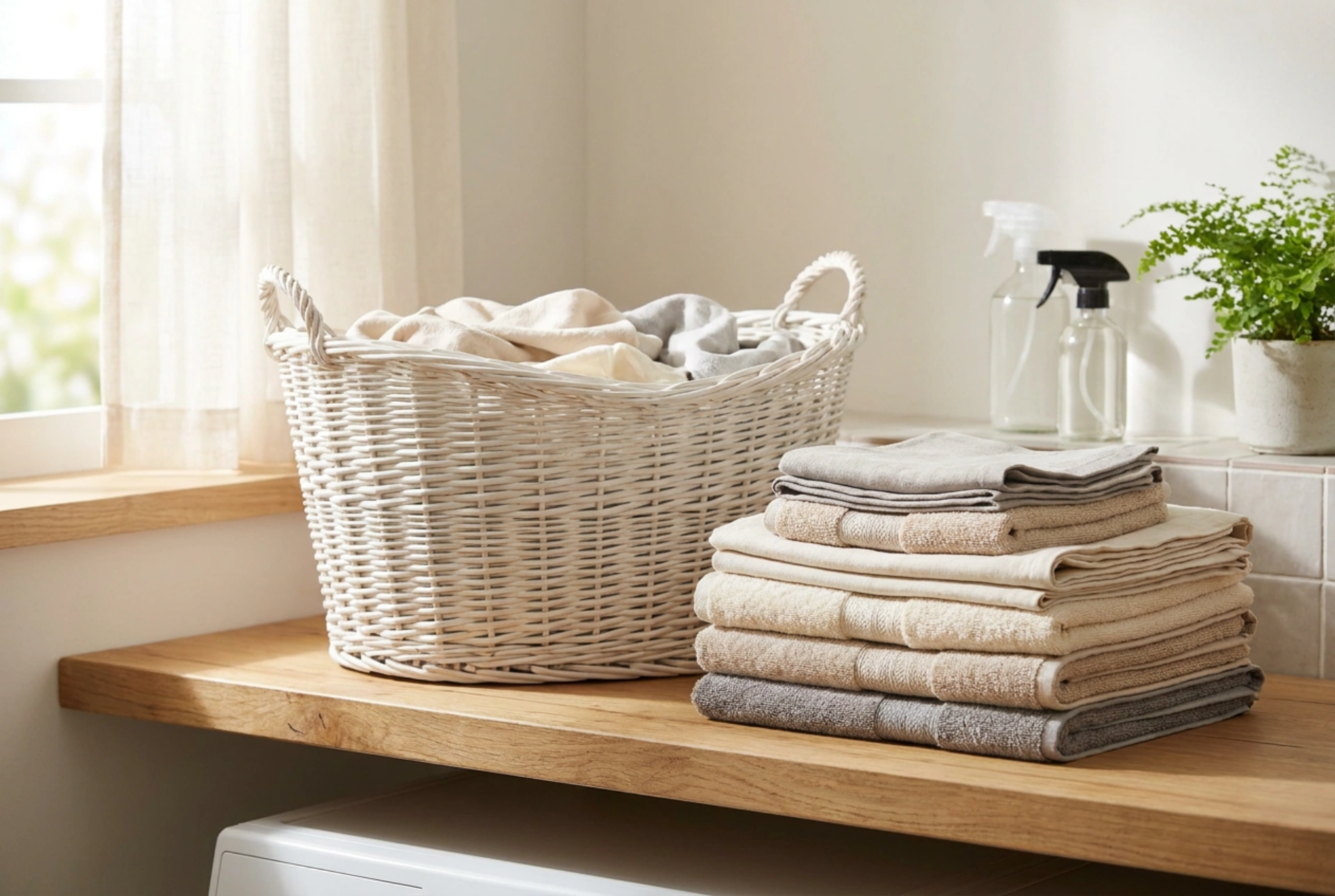


Managing dirty laundry efficiently relies on controlling moisture and organising fabrics by material characteristics. A white wicker laundry basket offers more than aesthetic appeal; its open weave provides the exact ventilation required to prevent textile degradation before washing.
The Physics of Wicker: Airflow and Moisture Control
Dirty textiles contain sweat, organic residues, and ambient moisture. Storing them in airtight plastic containers creates a microclimate with high relative humidity. This anaerobic environment promotes the rapid proliferation of Aspergillus and Penicillium moulds, alongside odour-producing bacteria. These microorganisms feed on the organic matter on the fibres, permanently staining fabrics and weakening the material structure through enzymatic digestion.
Wicker, constructed from natural reeds, willow, or synthetic resin fibres, features thousands of microscopic gaps. This porous structure facilitates passive air circulation. Air currents carry away evaporated moisture, maintaining a relative humidity level below the 60% threshold required for mould spore germination. By allowing continuous airflow, the wicker basket ensures that damp towels or activewear dry out naturally while awaiting a wash cycle, neutralizing the primary driver of microbial growth.
Chemical and Physical Principles of Textile Segregation
Effective sorting is not merely about colour; it is a molecular protection strategy based on three distinct parameters: dye stability, mechanical friction, and thermal tolerance.
Dye Bleeding and Polar Solvents
Synthetic and natural dyes are prone to desorption during washing. Water acts as a polar solvent, breaking the weak hydrogen bonds holding dye molecules to the cellulose or protein chains. Sorting darks from lights prevents these desorbed dye molecules from redepositing onto uncoloured fibres. This is especially true for cellulosic fibres like cotton, which possess a high affinity for dissolved dyes in aqueous environments.
Mechanical Friction and Surface Abrasion
Coarse textiles, such as denim or canvas, feature highly abrasive surfaces. When washed with delicate fibres like silk or fine cotton, the mechanical action of the washing machine drum causes friction. This friction shears surface microfibres, leading to pilling, thinning, and weakening of the textile structure. Sorting by fabric weight and weave density minimises this mechanical wear, extending the lifespan of delicate garments.
Thermal Requirements
Elastane and synthetic polymers degrade under high temperatures, losing their elastic memory. Conversely, heavily soiled cottons require higher thermal energy to break down lipids and proteins. Pre-sorting ensures each fabric category receives the appropriate thermodynamic input, balancing cleanliness with material preservation.
Structuring Your Sorting Station
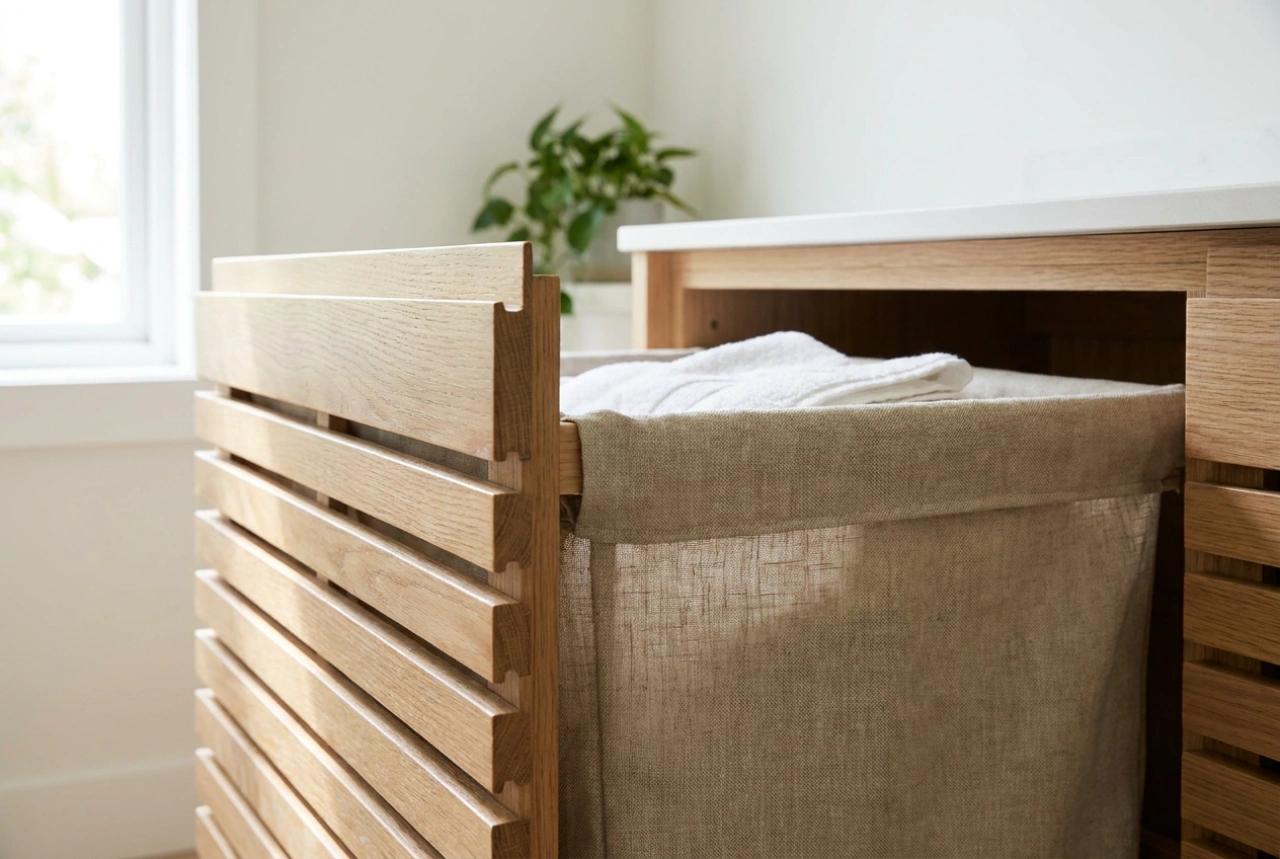
To streamline laundry operations, a multi-basket system utilising several smaller wicker bins is highly effective. Allocate specific baskets to specific laundry cycles:
- Low-Temperature Delicates: Silk, wool, and synthetics requiring gentle mechanical action and temperatures below 30°C to prevent shrinkage and protein denaturation.
- Medium-Temperature Colours: Everyday cottons, linens, and mixed fibres washed at 40°C to dissolve standard organic soils without causing dye run.
- High-Temperature Whites: Towels, bed linens, and heavy cottons that can withstand temperatures of 60°C or higher to achieve thermal disinfection and deep lipid removal.
Maintenance and Sanitisation of White Wicker
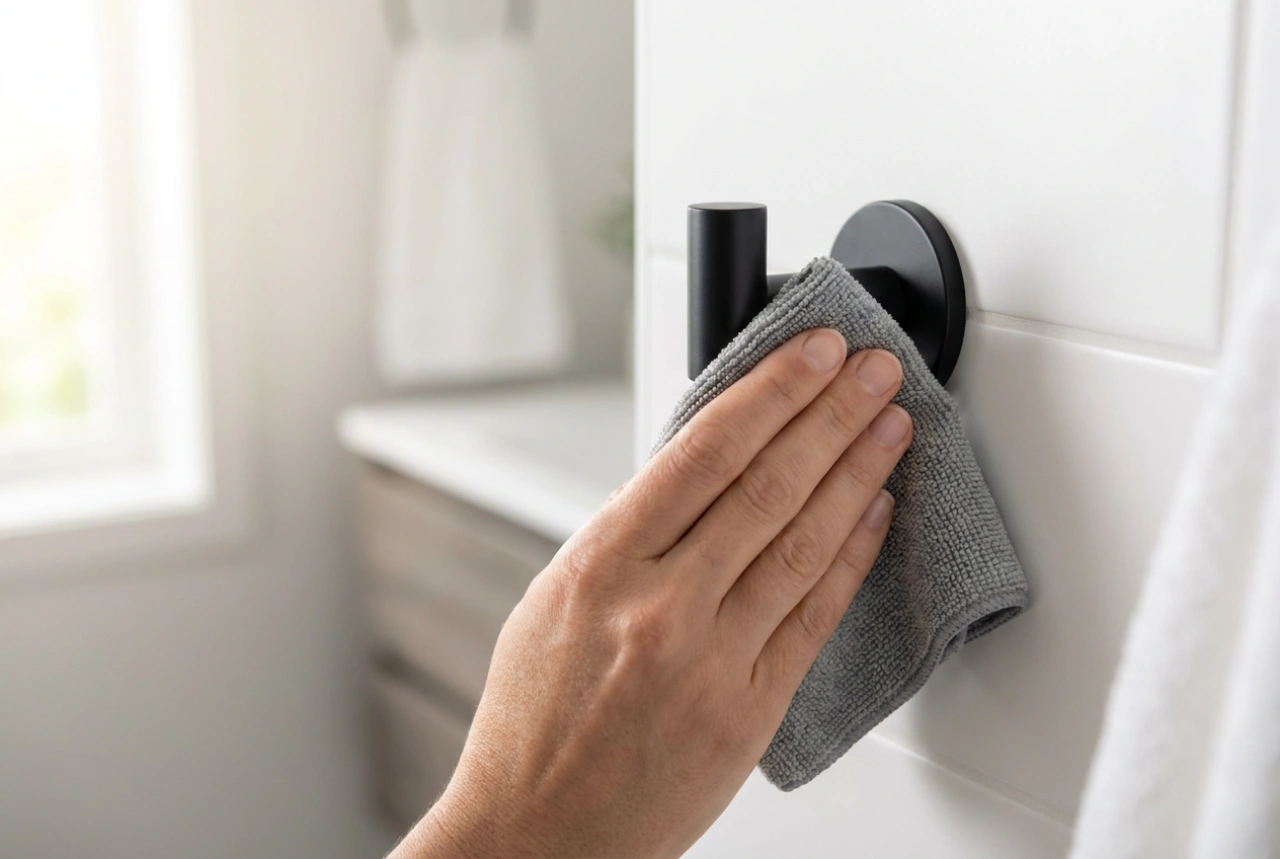
Because wicker is exposed to soiled fabrics, it requires periodic sanitisation to prevent dust and fungal accumulation. White-coated wicker must be treated carefully to avoid chipping or yellowing of the protective paint. Wipe the surface with a damp microfibre cloth dipped in a dilute solution of sodium bicarbonate or oxygen bleach. Avoid chlorinated detergents, which can degrade the natural wood lignins beneath the white coating, causing brittleness and structural failure. Ensure the basket is fully dried in a well-ventilated area before returning clothes to it.