

Maintaining the chemical efficacy of household medications requires strict control over their storage environment to prevent premature degradation. A large, well-organized medicine box serves as the primary barrier against environmental factors that accelerate molecular breakdown, ensuring your first-aid supplies and prescriptions remain safe and active.
The Chemistry of Degradation: Why Storage Environments Matter
Every pharmaceutical compound is a precise chemical structure susceptible to environmental degradation. The three primary catalysts for medication breakdown are thermal energy, moisture, and electromagnetic radiation (light). Understanding these forces explains why storing a large medicine box in a humid bathroom or a hot kitchen cabinet compromises active ingredients.
Thermal degradation is governed by kinetic principles: as temperature rises, molecular movement accelerates, increasing the rate of chemical reactions that break down active compounds. For most shelf-stable medications, the optimal storage range is between 15°C and 25°C. Exposure to spikes in temperature can lead to sub-potency, making life-saving treatments ineffective.
Moisture introduces the risk of hydrolysis—a chemical reaction where water molecules break chemical bonds within a compound. Tablets and capsules are highly hygroscopic, meaning they readily absorb ambient water vapor. This can cause physical softening, clumping, or complete loss of therapeutic value. Similarly, photolytic degradation occurs when photons from UV or visible light break down chemical bonds, particularly in light-sensitive compounds. This is why many liquid medications are distributed in amber glass, and why your master storage container must block light entirely.
Selecting the Optimal Storage Vessel: Material Science
When organizing a large quantity of medications, the material of the storage box is your first line of defense. Opaque, high-density polyethylene (HDPE) or heavy-duty polypropylene (PP) are ideal choices. Unlike clear plastics, these materials block ultraviolet light, protecting light-sensitive compounds from photolysis. Additionally, these polymers are chemically inert, meaning they will not off-gas or react with the medication packaging over time.
An effective medicine box must also feature an airtight seal, preferably reinforced with a silicone gasket. A secure seal prevents the continuous exchange of indoor air, limiting the entry of ambient moisture. Latched lids provide mechanical pressure that compresses the gasket, maintaining a stable microclimate inside the box even if external relative humidity fluctuates.
Microclimate Management and Moisture Control
Even within an airtight container, small amounts of moisture can be trapped during opening and closing. To combat this, place regenerative silica gel packets inside the box. Silica gel acts as a desiccant, adsorbing water vapor onto its highly porous surface area and keeping the internal relative humidity below critical levels.
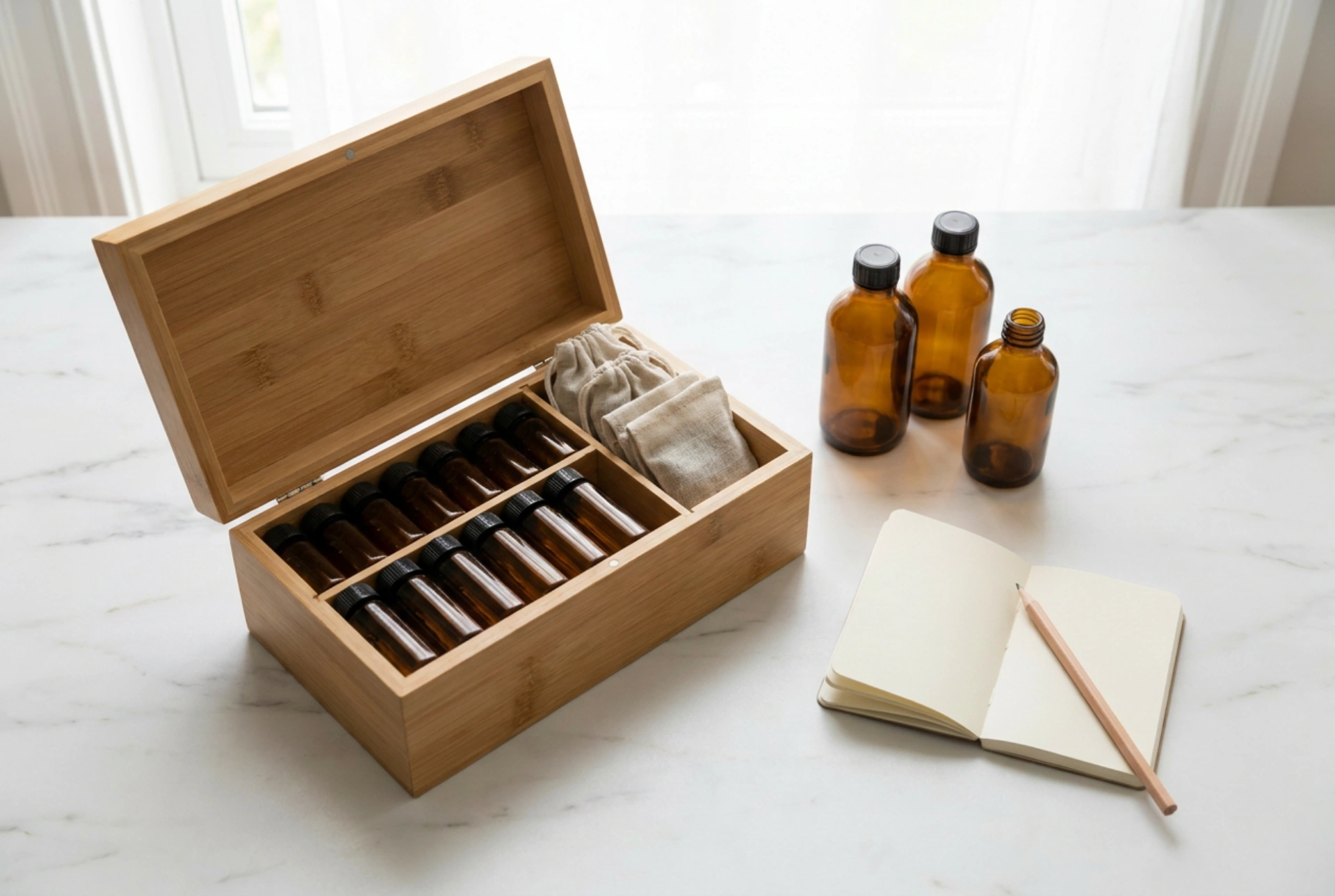
Furthermore, physical separation of different medication types prevents cross-contamination and environmental transfer. Liquids, such as cough syrups or suspensions, carry an inherent risk of leakage. Always store liquids in a separate lower compartment or a secondary leak-proof tray. If a liquid leaks, it should not contact dry tablets or capsules, as immediate hydrolysis and degradation would occur. Semisolids, like creams and ointments, should also be isolated to prevent oil separation under minor temperature shifts from affecting nearby dry goods.
Systematic Internal Layout for Rapid Access
A large medicine box should be structured hierarchically to allow for rapid, logical retrieval, minimizing the time the box remains open to the ambient environment. Group items by application rather than user. Use adjustable internal dividers to create dedicated zones:
- First Aid and Trauma: Positioned at the very top or in a removable upper tray. This includes sterile dressings, bandages, and antiseptics, which must be immediately accessible during an emergency.
- Acute Care: Pain relievers, antihistamines, and gastrointestinal treatments. These should occupy middle compartments, clearly labeled.
- Chronic and Daily Medications: Stored in the lower, most stable thermal zone of the box, organized chronologically or by family member.
Regular audits are essential. Check expiry dates bi-annually, disposing of expired compounds according to local chemical disposal guidelines to ensure the chemical integrity of your inventory remains uncompromised.