

Storing dry cat food in its original opened paper bag accelerates degradation, leading to a rapid loss of nutritional value and stale aromas that cats will naturally reject. Utilizing a dedicated airtight container leverages principles of material science and chemistry to preserve food quality while maintaining an organized, hygienic home environment.
The Chemistry of Kibble Degradation: Understanding Lipid Oxidation
Dry pet kibble is dense in dietary fats and essential fatty acids, which are highly susceptible to chemical degradation. When exposed to oxygen, these lipids undergo a chain reaction known as lipid oxidation. During this process, oxygen molecules react with unsaturated fatty acids, breaking down their molecular structures into peroxides, which further decompose into volatile organic compounds like aldehydes and ketones. This chemical shift produces a rancid odor and sour taste.
While humans might not detect the early stages of rancidity, a cat’s olfactory system possesses up to 200 million scent receptors, making them highly sensitive to these chemical changes. Beyond the loss of palatability, oxidation destroys fat-soluble vitamins (such as vitamins A and E) and essential fatty acids, compromising the nutritional profile of the food. An airtight container equipped with a silicone or thermoplastic elastomer (TPE) gasket creates a physical barrier that drastically limits the volume of available oxygen, halting the progression of oxidative rancidity.
Humidity and the Mechanics of Moisture Absorption
Dry cat food is manufactured to have a very low moisture content, typically between 8% and 10%. Because of this low water activity, kibble is highly hygroscopic—meaning it actively absorbs moisture from the surrounding air. In a kitchen or utility room where humidity levels fluctuate due to cooking and washing, an open bag of cat food acts like a sponge.
When kibble absorbs ambient moisture, it exceeds the safe water activity threshold, creating an ideal microenvironment for mold spores and bacterial proliferation. Some molds produce harmful mycotoxins that cannot be neutralized by cooking. Furthermore, excess moisture softens the kibble’s structural integrity, stripping away the crunchy texture that mechanically helps reduce dental plaque as the cat chews. A sealed storage container stabilizes the microclimate inside, shielding the dry food from external humidity fluctuations.
Material Science: Choosing the Right Protective Barrier
Not all storage containers offer the same level of protection. When selecting a container, understanding the physical properties of the materials is key to long-term safety and freshness:
- Food-Grade Plastics: High-density polyethylene (HDPE) and polypropylene (PP) are excellent choices. They are durable, non-reactive, and resistant to oil penetration. Ensure the plastic is labeled as food-grade to prevent chemical migration into the food.
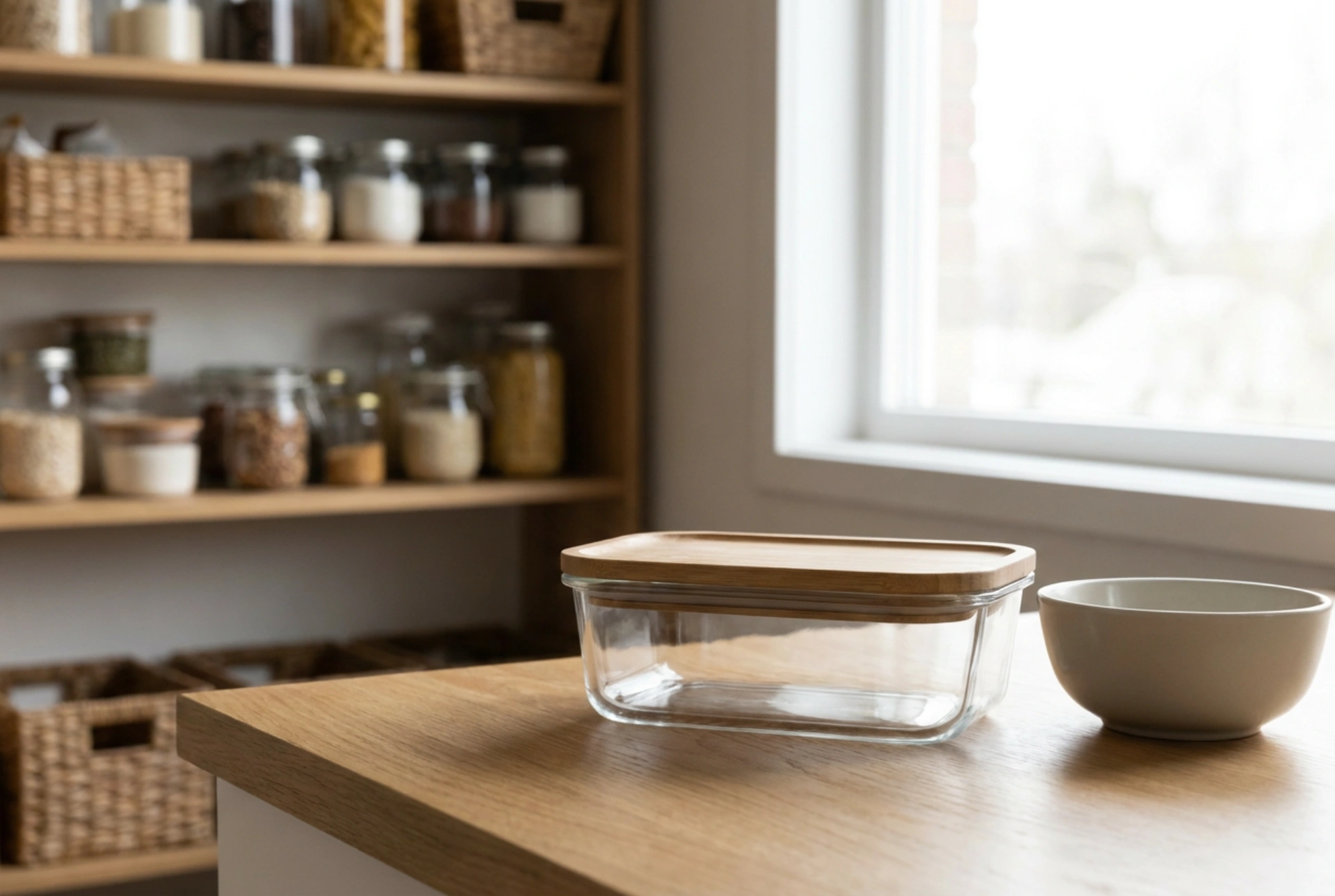
- Stainless Steel and Glass: These are completely non-porous materials. Unlike plastics, they do not absorb fats or odors over time, making them exceptionally hygienic and easy to sterilize.
- Opacity and Light Barriers: Photo-oxidation occurs when ultraviolet (UV) light penetrates the food, catalyzing the oxidation process. If storing food in a sunlit pantry or kitchen countertop, opaque or tinted containers are superior to clear glass or plastic because they block degrading light waves.
Hygienic Rotation and Maintenance Protocols
To maximize the benefits of a dedicated container, you must manage how food is added and how the vessel is maintained. Simply pouring a new bag of kibble on top of old remnants leads to a contamination loop. The older, oxidized fats at the bottom will migrate into the fresh kibble, accelerating its spoilage.
Always empty the container completely before refilling. Wash it thoroughly with warm water and a mild, fragrance-free surfactant to break down the oily residue left behind by previous batches. The container must be allowed to air-dry completely; even a microscopic droplet of trapped water can trigger mold growth when sealed inside with fresh kibble.