

Packing a preschool lunch box requires more than just choosing nutritious foods; it demands an understanding of food physics, moisture control, and toddler ergonomics to ensure the meal remains appetizing and safe by lunchtime.
Managing Moisture Migration and Osmosis
One of the primary challenges in prepared meals is moisture migration, which occurs when water moves from high-humidity components (like sliced cucumbers or berries) to low-humidity elements (like crackers or bread). This process is driven by water activity gradients. To prevent structural degradation and sogginess, you must establish effective physical barriers.
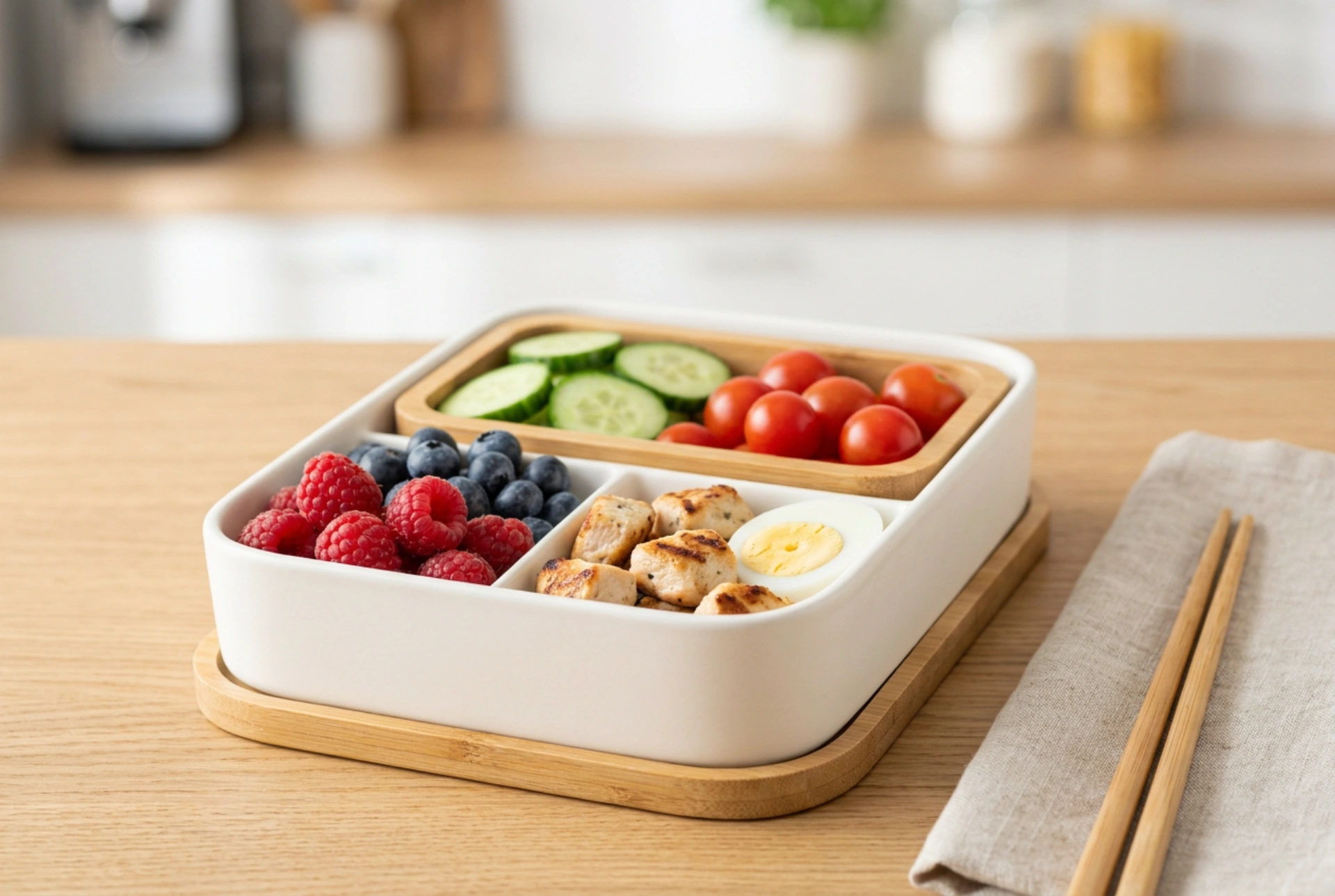
Instead of relying on single-use plastic wraps, leverage the hydrophobic properties of natural barriers and materials. Placing dry carbohydrates in separate, airtight silicone inserts prevents them from absorbing ambient moisture. Additionally, wrapping moist items in parchment paper or utilizing a dry lettuce leaf as a natural hydrophobic barrier shields sensitive foods. When packing sliced fruits like melons, patting them dry with a clean paper towel before assembly removes excess surface water, significantly reducing capillary action within the container.
Thermal Control and Food Safety Science
The temperature of a lunch box directly influences food safety and structural preservation. The food danger zone—between 5°C and 60°C—is where bacteria multiply rapidly. To maintain microbiological stability, active thermal management is necessary.
Maximizing Cold Retention
To keep perishable proteins and dairy safe, rely on conduction and thermal mass. Store the lunch container in the refrigerator overnight so the box itself starts at a low baseline temperature. When packing, place a frozen gel pack directly adjacent to high-risk items like yogurt or poultry. For optimal efficiency, place the gel pack at the bottom of an insulated lunch bag; cold air is denser than warm air and will naturally sink, creating a consistent internal microclimate.
Managing Hot Foods
If packing warm components, use a dedicated double-walled, vacuum-insulated stainless steel flask. Pre-heat the flask by filling it with boiling water for five minutes to warm the inner steel walls. Empty the water, immediately add the piping hot food, and seal it. This minimizes heat loss via conduction and convection, ensuring the food remains safely outside the bacterial danger zone until consumption.
Sizing Portions for Fine Motor Skills
Preschool children are still developing their fine motor skills and spatial awareness. Large, unyielding portions can lead to frustration and unease. The geometry of the food must match the child's developmental stage.
- Bite-Sized Engineering: Cut sandwiches, cheese, and proteins into small, uniform cubes (approximately 1.5 to 2 cm). This size is optimal for the pincer grasp, reducing the risk of dropping and contamination.
- Reducing Choking Hazards: Round, firm foods present a physical hazard if swallowed whole. Always slice grapes, cherry tomatoes, and large berries longitudinally (lengthwise) rather than crosswise. Slicing them longitudinally disrupts the spherical shape, making it impossible for the food to completely block a child's airway.
- Peel and Prep: Remove tough skins from apples or cucumbers. Young dentition cannot easily shear through fibrous skins, which often leads to the child rejecting the food entirely.
Inhibiting Enzymatic Browning
When certain fruits and vegetables are sliced, plant cells rupture, exposing polyphenol oxidase enzymes to oxygen. This chemical reaction causes rapid browning (oxidation), which alters the texture and visual appeal of the food.
To inhibit this enzyme, lower the pH of the fruit's surface. Applying a dilute solution of ascorbic acid (vitamin C) or fresh lemon juice neutralises the enzyme before oxidation can occur. For children sensitive to sour tastes, a brief soak in a mild saltwater bath (1/8 teaspoon of salt per 250 ml of water) followed by a quick rinse in fresh water works via osmotic pressure to preserve cell structure and prevent browning without leaving a salty flavour.