

Heating food in plastic containers requires an understanding of polymer chemistry and thermal dynamics to prevent chemical migration into your meals. While many synthetic containers are labeled as microwave-safe, improper usage can still lead to material degradation and the release of unwanted compounds.
Understanding the Science of Microwave-Safe Plastics
To use plastic safely, you must first understand the resin identification codes stamped on the bottom of containers. The most common material approved for microwave use is polypropylene, designated by the number 5 inside the recycling triangle. Polypropylene (PP) possesses a high melting point of approximately 160 degrees Celsius. This high thermal threshold allows it to withstand the typical temperatures reached by water-based foods during short heating cycles without losing its structural integrity.
Other plastics, such as polyethylene terephthalate (PET, code 1) or polystyrene (PS, code 6), have much lower heat deflection temperatures. When subjected to microwave radiation, these materials can easily reach their glass transition temperature, causing them to soften, warp, and release volatile monomer residues directly into your food. Never heat containers marked with codes 3 (PVC) or 7 (other, which may contain polycarbonate), as these can leach harmful plasticizers and bisphenols under thermal stress.
The Chemistry of Chemical Migration
Chemical migration is the physical process by which low-molecular-weight additives transfer from a packaging material into food. Plastics are not static matrices; they consist of long polymer chains interspersed with additives like stabilizers, colorants, and plasticizers. When heat is applied, the kinetic energy of these polymer chains increases, expanding the microscopic gaps between them. This molecular expansion facilitates the diffusion of unbound additives.
The rate of this migration is highly dependent on the composition of the food being heated. Lipophilic (fat-soluble) and highly acidic compounds act as solvents, accelerating the extraction of synthetic chemicals from the plastic wall. Therefore, heating oily sauces, butter, or cheese in a plastic container increases the likelihood of chemical migration, even if the container is rated as microwave-safe. For these food groups, neutral materials like borosilicate glass or ceramics are scientifically superior choices.
Essential Techniques for Safe Microwaving
Safely heating food in plastic is not just about choosing the right material, but also about managing pressure and temperature distribution through correct physical techniques.
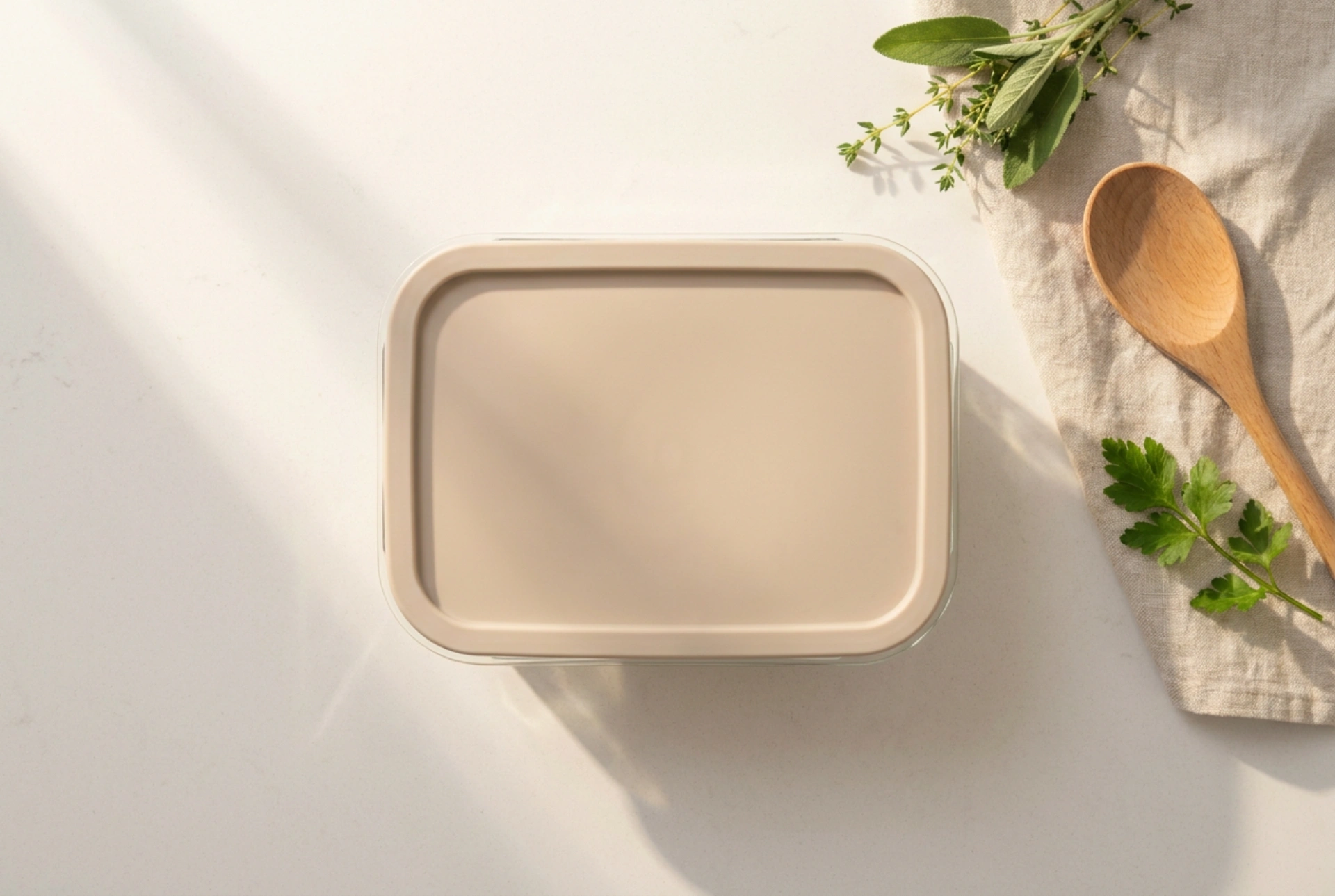
- Venting and Lid Placement: Never seal a plastic container tightly during heating. As water molecules within the food absorb microwave radiation, they rapidly convert to steam, causing a sharp increase in internal pressure. A sealed lid can trap this superheated steam, raising the internal temperature far beyond the plastic's safety threshold and risking a physical blowout. Always offset the lid, or replace it with a dedicated microwave-safe silicone cover or a plain paper towel to allow steam to escape freely.
- Avoid High-Fat and High-Sugar Foods: While water boils at 100 degrees Celsius, fats and sugars can easily be superheated to temperatures exceeding 200 degrees Celsius under concentrated microwave energy. These hot spots can instantly melt polypropylene, causing permanent damage known as pitting on the container's surface. Once pitting occurs, the plastic's physical barrier is compromised, and it should no longer be used for food storage or heating.
- Stirring and Incremental Heating: Microwaves heat food unevenly, creating localized thermal pockets. To prevent these hot spots from damaging the container or overheating the food, heat your meal in short increments (60 to 90 seconds) and stir thoroughly between cycles. This redistributes the thermal energy evenly across the food mass.
Recognizing When to Discard Plastic Containers
Plastic containers do not have an infinite lifespan. Over time, repeated exposure to mechanical stress from utensils, thermal cycling, and alkaline dishwasher detergents degrades the polymer chains. Micro-scratches and a cloudy appearance are physical signs that the plastic's surface has oxidized and weakened. These microscopic crevices not only harbor bacteria but also increase the surface area available for chemical leaching. If a container shows signs of warping, surface discoloration, pitting, or persistent odors, its structural stability is lost, and it must be retired from kitchen service.