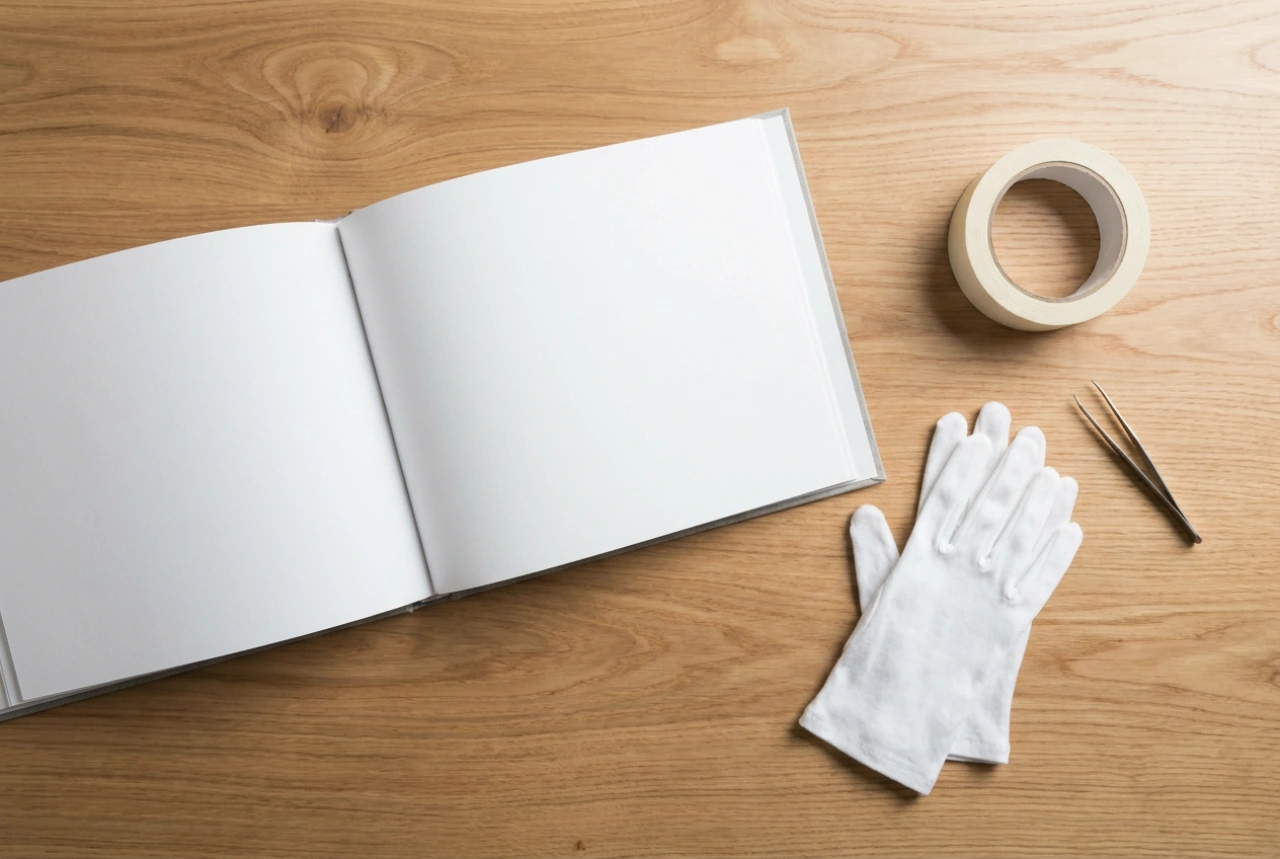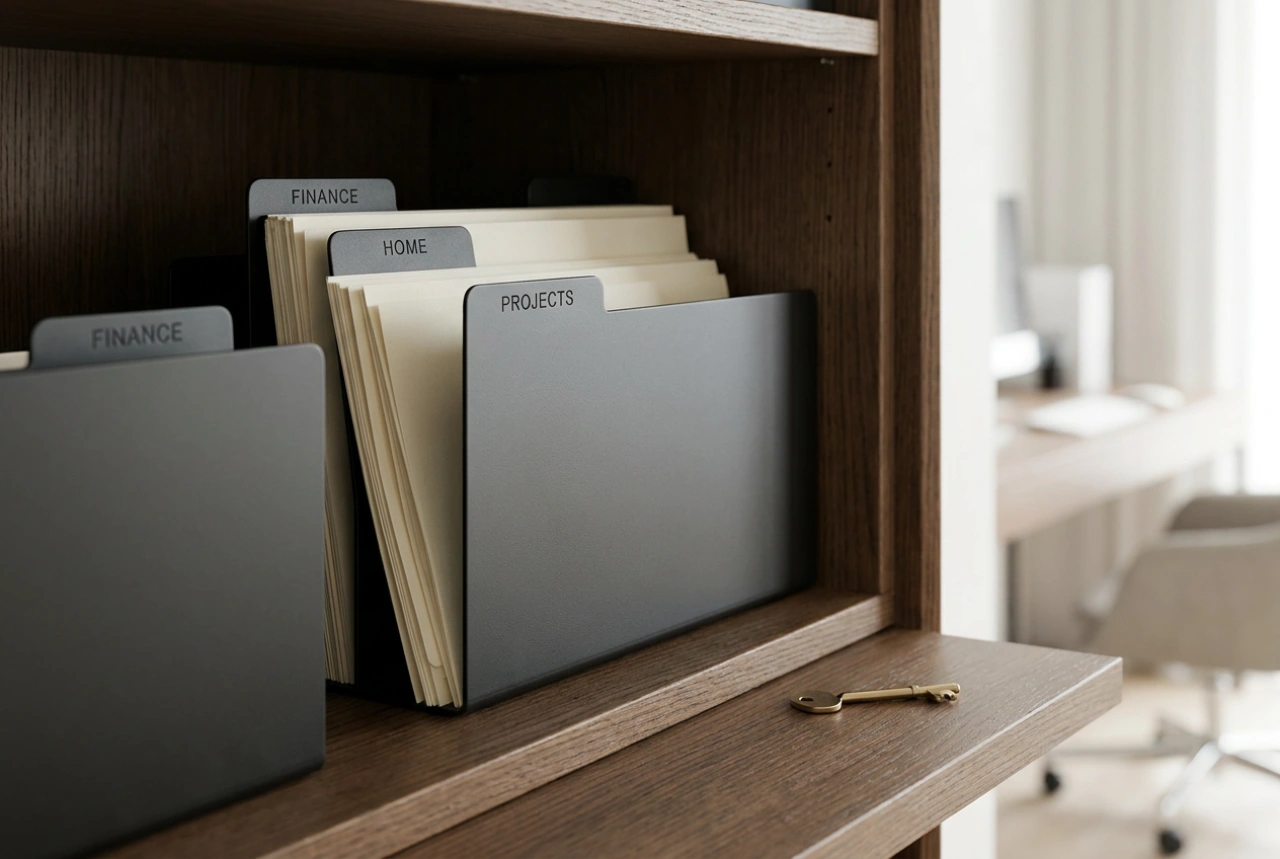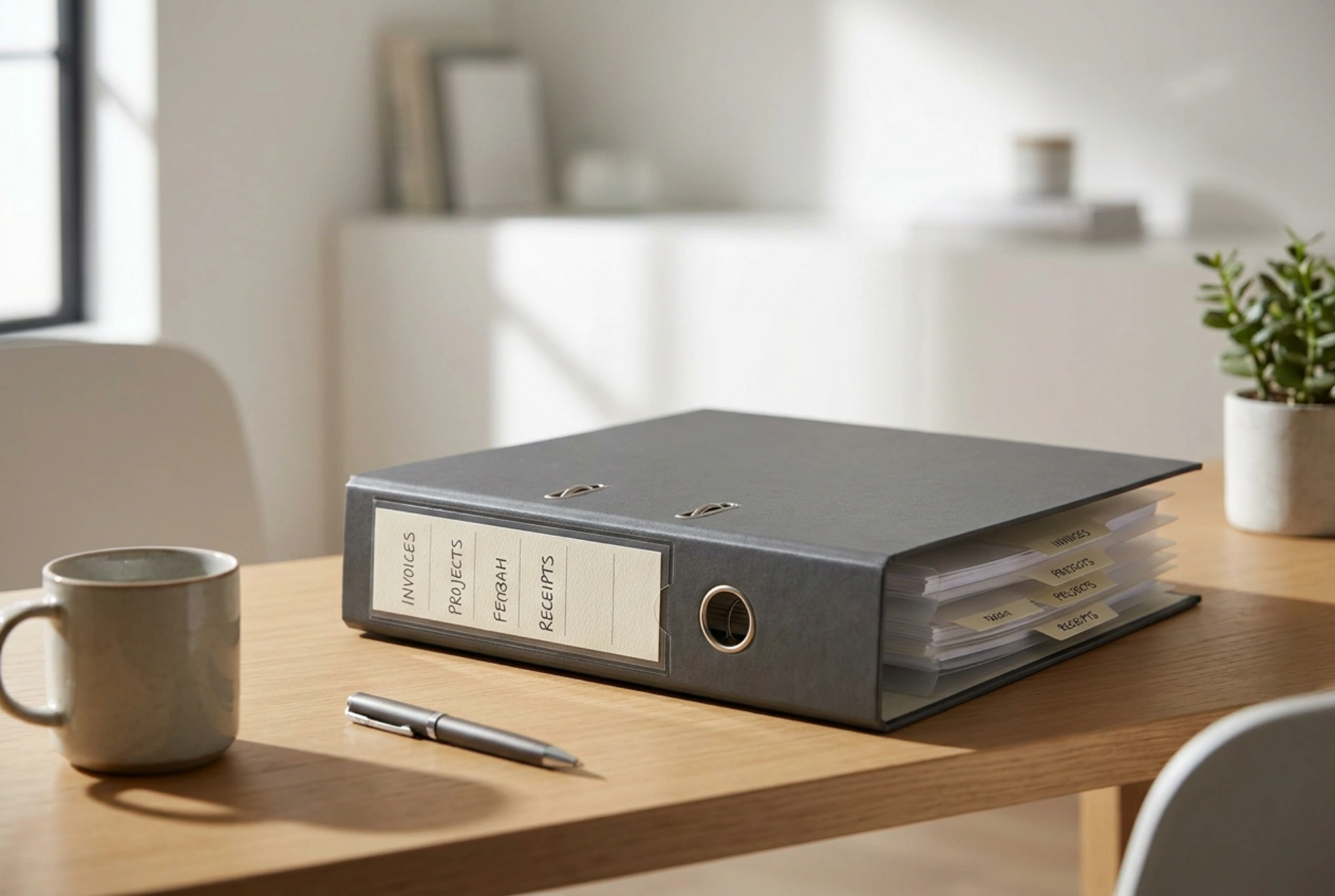


Managing crucial family and personal documents requires more than just slipping them into random folders; it demands a systematic physical archiving method that protects paper from environmental degradation while ensuring instant retrieval. Implementing a structured personal records binder preserves your history and simplifies administrative tasks.
The Chemistry of Preservation: Protecting Paper and Ink
Standard modern paper often contains lignin and acidic compounds used during manufacturing. Over time, exposure to oxygen and moisture triggers acid hydrolysis, causing the paper to turn yellow and become brittle. To halt this chemical breakdown, essential documents must be stored under optimal conditions. This begins with the choice of protective sleeves. You must avoid sleeves made of polyvinyl chloride (PVC). PVC contains volatile plasticizers that migrate over time, chemically bonding with printer ink and toner, which eventually lifts the print off the page. Instead, select sleeves made of chemically inert materials such as polypropylene, polyethylene, or polyester. These materials are acid-free, stable, and do not off-gas harmful compounds that degrade cellulose fibers.
The Anatomy of a Professional Home Binder
A reliable home archive relies on structural integrity to prevent physical stress on documents. Standard round-ring binders force pages to ride up on the curve, leading to creasing, warping, and tearing near the punched holes. To prevent this, utilize a heavy-duty D-ring binder. The D-ring mechanism keeps the left edge of the documents completely flat, distributing the weight evenly and preventing tension on the page lifters. Additionally, always insert rigid page lifters at the front and back of the binder. These curved plastic guides force the protective sleeves to slide smoothly over the rings when the binder is closed, eliminating caught edges and structural warping. To prevent ink transfers, print index labels on acid-free paper using pigment-based inks rather than dye-based inks, which are highly susceptible to fading when exposed to ambient light.
Categorisation and Structural Dividers
An archive is only as good as its retrieval system. Divide your personal records binder into logical, color-coded sections using heavy-weight cardstock dividers. A standard home archive should be structured into four primary categories. Section A should contain vital identity documents, including birth certificates, marriage licenses, and passports. Section B is dedicated to education and career records, such as diplomas, certifications, and employment contracts. Section C should hold health and medical records, including immunization histories and chronic care plans. Section D should manage assets, deeds, and major financial contracts. Within each section, arrange documents in reverse chronological order, placing the most recent records at the front. This order of operations minimizes the handling of older, more fragile papers when adding new records.
Environmental Management for Long-Term Storage
Atmospheric conditions play a crucial role in preservation science. High relative humidity (above sixty percent) facilitates the growth of fungal spores (mold) and accelerates the hydrolysis of paper. Conversely, extremely low humidity (below thirty percent) desiccates cellulose fibers, making them highly brittle. Aim for a stable indoor relative humidity between thirty-five and fifty percent. Temperature must also be regulated; store your binder in a climate-controlled room rather than a damp basement or a hot attic. High temperatures accelerate chemical reactions, doubling the rate of paper degradation for every ten-degree Celsius increase. Finally, protect the binder from ultraviolet (UV) radiation. UV light breaks down the molecular bonds in both paper fibers and synthetic inks, causing rapid fading. Store binders vertically on a shelf away from direct sunlight, or inside a closed, opaque storage cabinet.