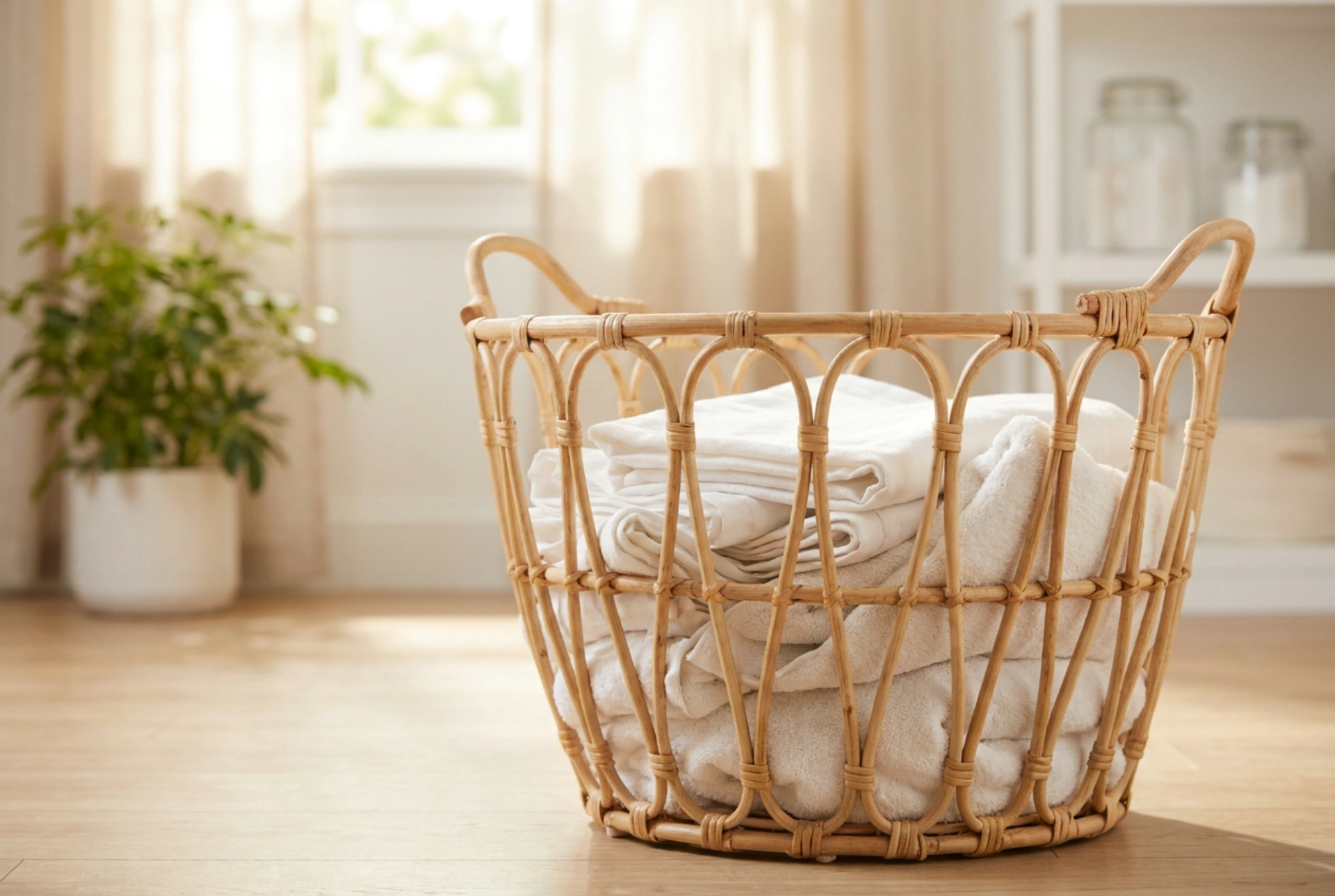


Natural wicker laundry baskets are favoured for their classic aesthetic and structural flexibility, yet their organic composition makes them highly susceptible to moisture retention and microbial growth if airflow is restricted. Understanding the physical and chemical interactions between natural fibres, ambient humidity, and soiled textiles is essential to preserving both the basket and the garments stored within.
The Hygroscopic Nature of Wicker Fibres
Wicker is typically woven from natural plant materials such as willow, rattan, or reed. At a microscopic level, these organic materials consist of cellulose, hemicellulose, and lignin, which are inherently hygroscopic. This means they naturally absorb and desorb water vapour from the surrounding environment to achieve equilibrium moisture content. When damp garments—such as used towels, gym wear, or rain-soaked clothing—are deposited into a wicker basket, the high relative humidity within the container causes the wicker fibres to rapidly absorb moisture from the air. Without adequate ventilation, this moisture remains trapped within the cellular structure of the reeds, causing the fibres to swell, weaken, and ultimately rot over time.
Microbial Germination and Cellulose Degradation
The combination of trapped moisture, organic matter from worn clothing (such as skin cells and sweat), and stagnant air creates an ideal microclimate for the germination of fungal spores, commonly known as mould and mildew. Mould spores are omnipresent in indoor air, requiring only a relative humidity of 70% or higher and a nutrient source to transition from a dormant state to active growth. As fungal hyphae penetrate the porous wicker, they secrete enzymes that break down the cellulose into simple sugars for food. This biochemical process not only produces the volatile organic compounds (VOCs) responsible for the characteristic musty odour but also permanently compromises the tensile strength of the basket, leading to brittle, breaking weaves.
The Physics of Convection and Air Dispersion
Ventilation is the primary physical mechanism that prevents this destructive cycle. Proper airflow relies on convection and pressure differentials to continuously replace warm, humid air inside the basket with drier ambient air from the room. Because air naturally moves from areas of high pressure to low pressure, a well-ventilated wicker basket—featuring open weave gaps and situated in an active air path—allows moisture to evaporate from both the textiles and the wooden fibres. When a basket is placed in a stagnant corner, tightly pushed against a wall, or sealed with a solid lid, this natural evaporation process ceases. The stagnant boundary layer of air surrounding the basket becomes saturated, halting further drying and accelerating decay.
Optimising Placement and Air Circulation
To maximise the lifespan of your wicker laundry basket and protect your clothing, several environmental and mechanical principles should be applied:
- Elevate the Base: Place the basket on a slatted stand or choose a design with built-in legs. Elevating the basket off the floor allows air to circulate underneath, preventing moisture from pooling at the base.
- Maintain Clear Boundaries: Ensure there is at least a five-centimetre gap between the basket and any walls or furniture to allow unimpeded 360-degree air circulation.
- Segregate Damp Items: Never place saturated textiles directly into a wicker basket. Hang wet towels or sweaty sportswear over a drying rack until dry before introducing them to the basket.
- Avoid High-Humidity Zones: Position the basket away from direct steam sources, such as unventilated showers or domestic washing machine exhaust vents.
Restorative Maintenance and Cleaning
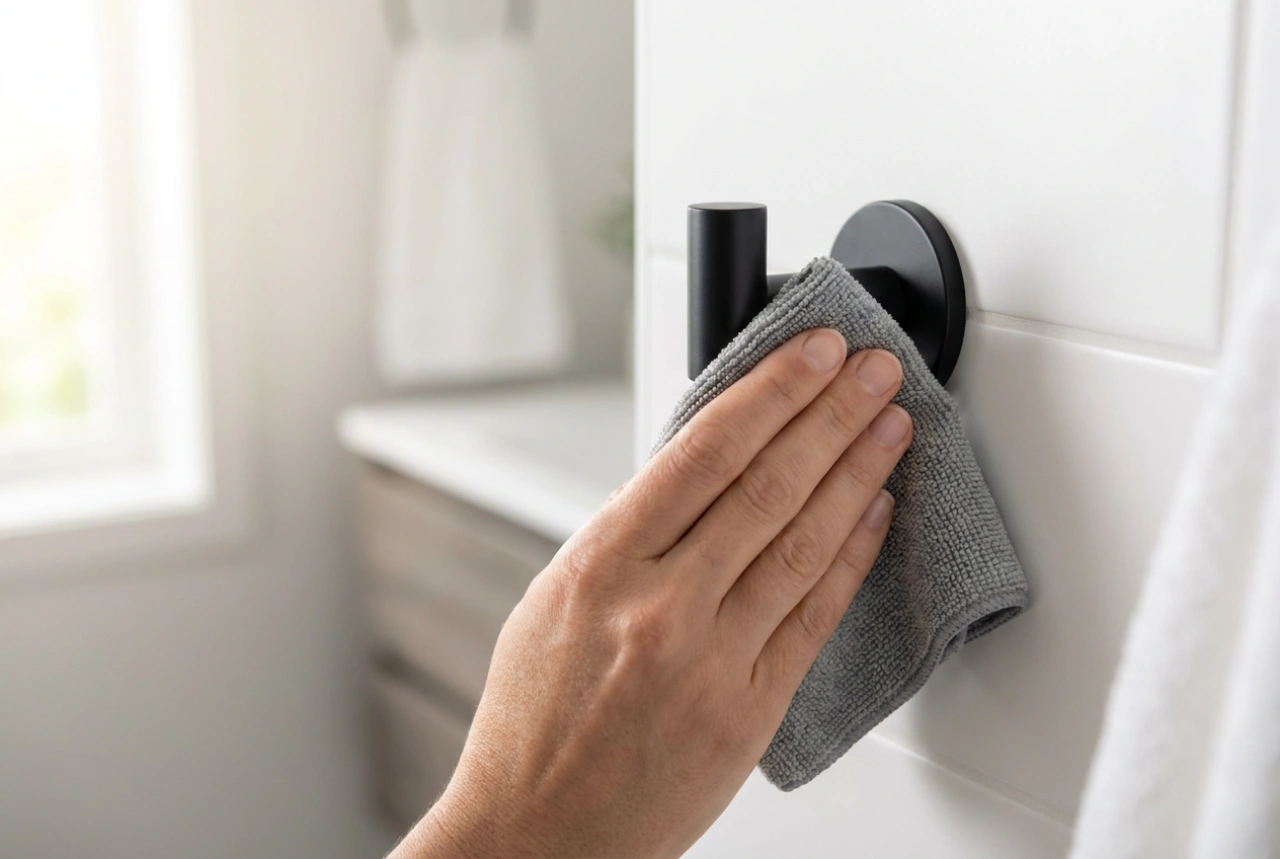
If a wicker basket has already begun to absorb dampness or develop a musty odour, immediate intervention is required to halt fungal activity. Empty the basket entirely and place it in a dry, sunlit area with high air movement; ultraviolet light acts as a natural sanitiser by disrupting the cellular DNA of mould spores. For physical decontamination, prepare a mild solution of warm water and a small amount of white vinegar or oxygen bleach—both of which kill fungal structures without damaging the lignin of the wicker. Wipe the weave thoroughly with a damp microfibre cloth, paying close attention to the joints where dust and moisture accumulate, and allow it to dry completely in a well-ventilated space before returning it to service.