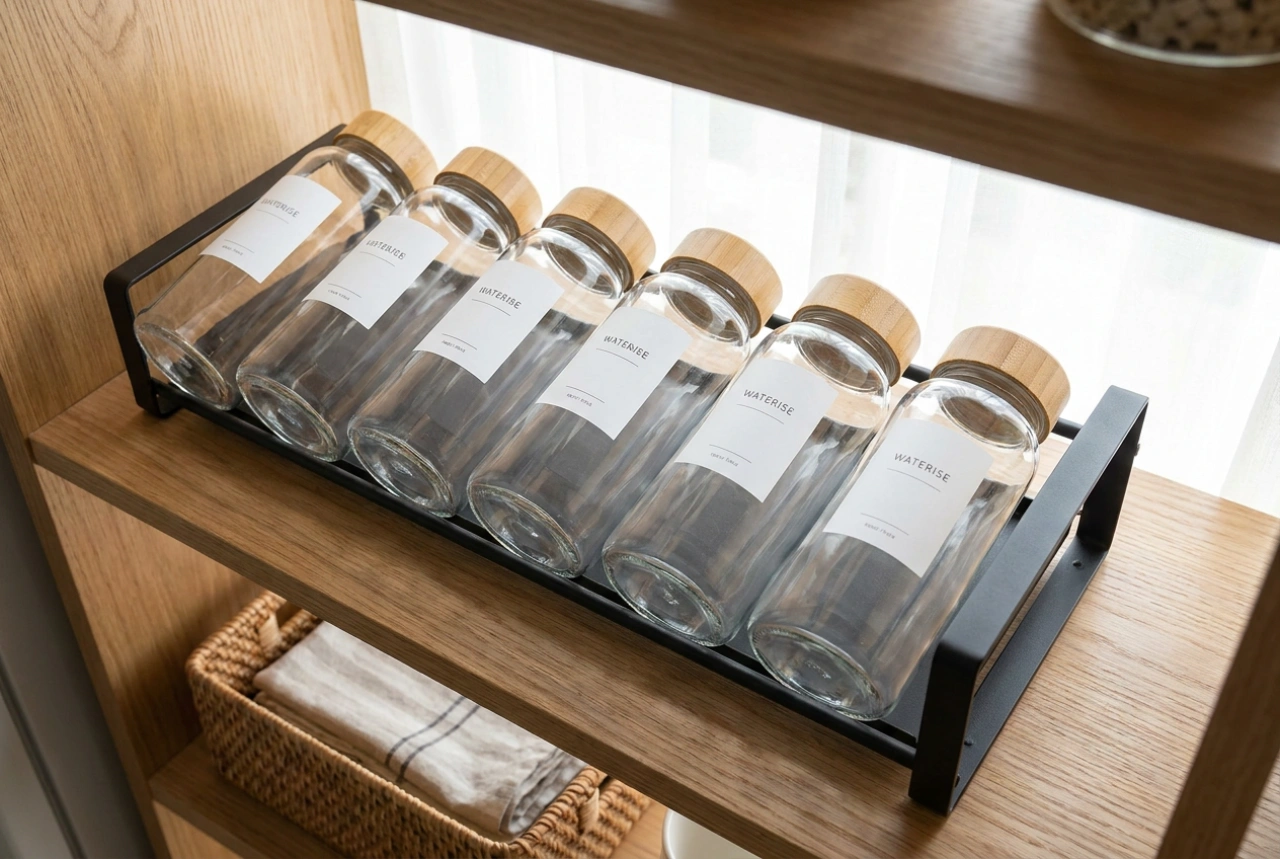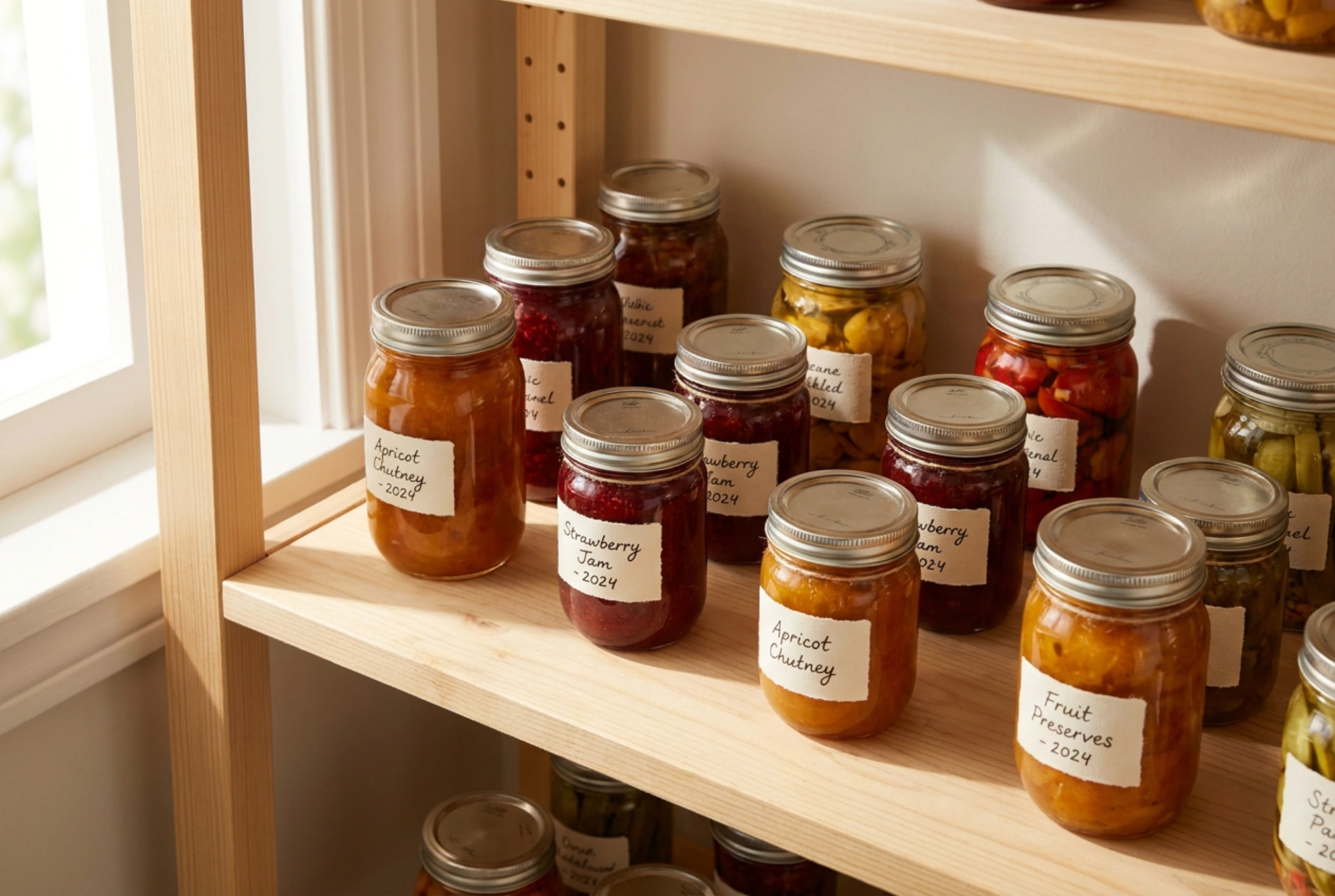


Organising a home pantry is more than an aesthetic pursuit; it is a systematic method of food preservation that relies on material science, chemical stability, and precise tracking. Clear, printable labels combined with structured storage methods prevent food spoilage, track shelf life, and maintain the integrity of vacuum-sealed glass containers.
The Science of Shelf Life: Why Tracking Dates Matters
Once fruit or vegetables are processed and sealed in glass jars, they enter a state of preserved equilibrium. However, this preservation is not permanent. Over time, microscopic amounts of oxygen can slowly penetrate even the most secure lid gaskets. This gradual oxidation breaks down organic compounds, leading to changes in colour, nutritional value, and texture. Chemical reactions, such as the degradation of pectin or the oxidation of ascorbic acid, accelerate over time.
By using printable labels to clearly mark the bottling date and the exact contents, you establish a reliable tracking system. This is crucial for maintaining the First-In, First-Out (FIFO) rotation method. Tracking dates also ensures you consume high-acid preserves (like pickled vegetables or tomatoes) within their optimal window of twelve to eighteen months, before the acid begins to react with the metal lining of the lid, potentially compromising the vacuum seal.
Material Science: Choosing the Right Label and Adhesive
The environment of a pantry or cellar is often cool and damp, which presents specific challenges for label paper and adhesives. Standard office paper can absorb atmospheric moisture, leading to mold growth and the breakdown of cellulose fibres. When printing your own labels, selecting the right materials ensures they remain legible and intact.
- Label Stock: Matte coated paper or moisture-resistant synthetic sheets are ideal. They prevent ink bleeding from condensation when jars are moved from cold storage to room temperature.
- Adhesive Properties: Use water-soluble or starch-based adhesives if you plan to reuse the jars. These hold firmly in dry conditions but dissolve easily in warm, soapy water. Avoid permanent acrylic adhesives, which leave a sticky residue that requires harsh chemical solvents to remove.
- Ink Stability: If using an inkjet printer, pigment-based inks are superior to dye-based inks, as they resist water splashes and UV light degradation much more effectively.
Removing Stubborn Residual Adhesives
Reusing glass jars is highly sustainable, but old label residue must be completely removed to prevent bacterial growth on the outer surface. When stubborn adhesive remains on the glass, a simple chemical reaction using household ingredients can break it down. Lipids (like vegetable oil) mixed with a mild abrasive (such as sodium bicarbonate) work efficiently. The non-polar molecules in the oil dissolve the non-polar adhesive polymers, while the sodium bicarbonate mechanically lifts the residue without scratching the glass. Apply the mixture, let it sit for ten minutes, and wipe clean before washing with an alkaline detergent to remove the oil.
Pantry Physics: Light, Temperature, and Airflow
Where and how you store your labelled jars directly affects the longevity of the preserves. Three physical factors dictate the rate of chemical decay inside a sealed jar: light, temperature, and relative humidity.
Ultraviolet (UV) and visible light act as catalysts for photo-oxidation, which destroys natural pigments (like anthocyanins in berries) and degrades vitamins. This is why clear glass jars should always be stored in a dark cabinet or cellar. Temperature is another critical driver: according to the Arrhenius equation, the rate of chemical reactions roughly doubles with every 10°C increase in temperature. Storing preserves at an optimal temperature of 10°C to 15°C significantly slows down these degradation processes. Finally, keep relative humidity below 60% to prevent rust on metal lids and mold on paper labels.
A Systematic Method for Jar Organization
To maximise efficiency, arrange your jars using a grid system based on food density and acidity levels. Place heavy, low-acid preserves (such as pressure-canned meats or legumes) on lower shelves where temperatures are naturally cooler. Keep high-acid fruits, pickles, and jams on eye-level shelves. Group identical preserves together in rows, placing the oldest jars at the front and the newly sealed jars at the back. This physical arrangement, combined with clear, legible labels, ensures safe consumption and zero food waste.