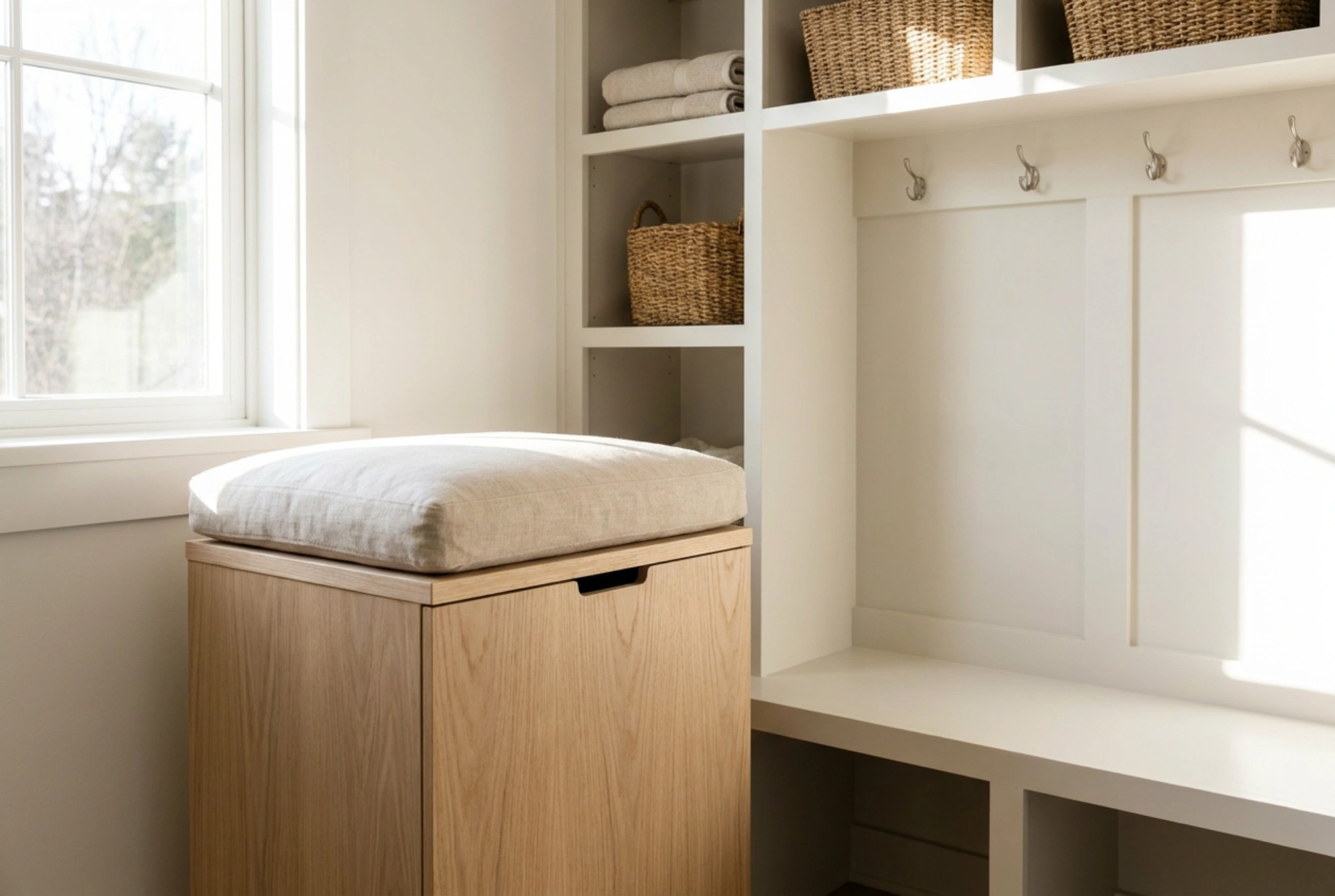


Integrating seating with laundry storage optimises floor area in compact bathrooms, utility rooms, or dressing areas while solving two functional household needs at once. Achieving this dual utility successfully requires an understanding of ventilation physics, load-bearing mechanics, and material hygiene to prevent moisture build-up and structural failure.
The Physics of Ventilation and Moisture Control
Stored laundry often contains residual moisture from sweat, damp towels, or humid bathroom air. In a sealed container, this moisture creates a high-humidity microclimate that fosters the growth of mould (such as Aspergillus) and mildew. When selecting or constructing a laundry hamper with a seat, airflow is the primary defence against odour and fabric degradation.
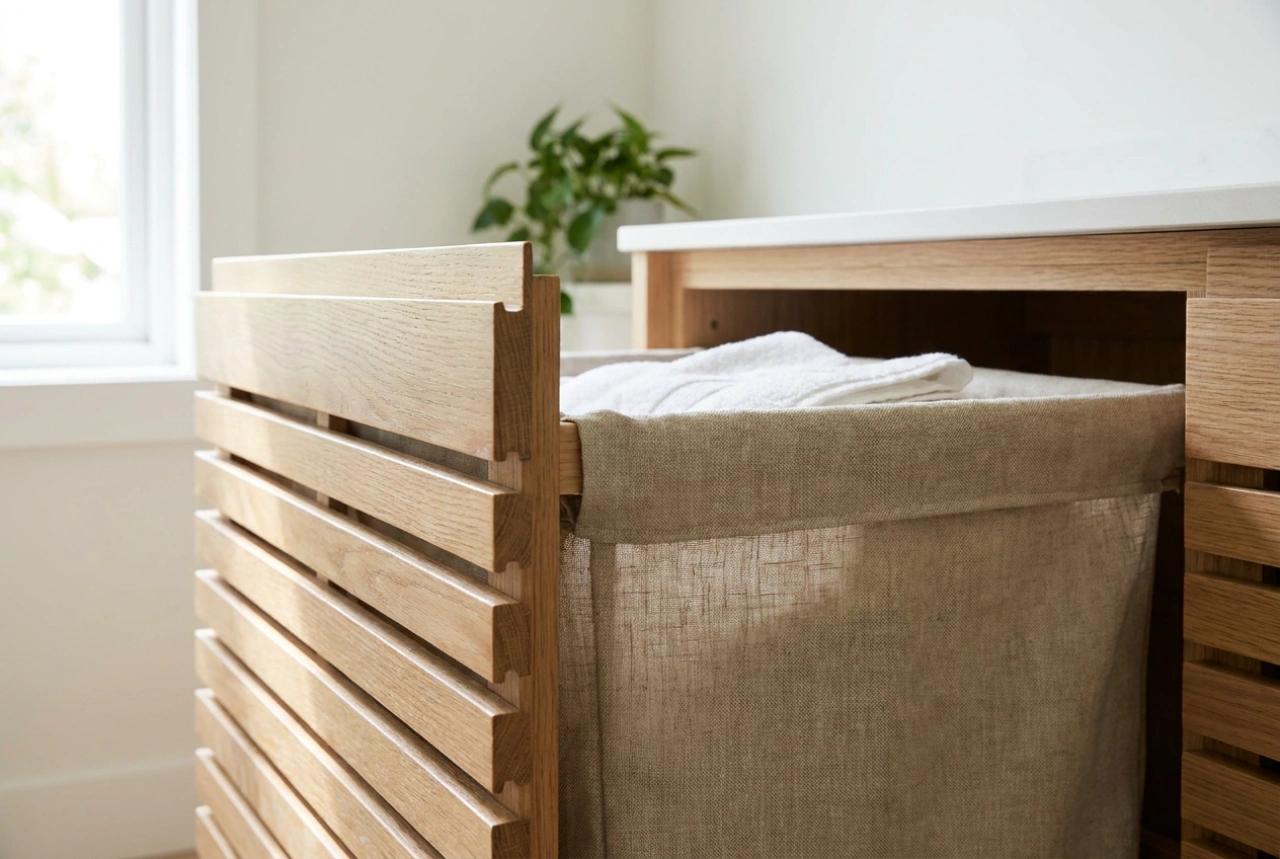
Natural convection is key. Air must circulate through the body of the hamper to carry away evaporating moisture. Solid-walled hampers with solid lids trap air completely. Instead, opt for designs featuring slatted wood, woven rattan, or perforated panels. These openings allow cooler, drier ambient air to enter through the bottom and sides, while warmer, moisture-laden air rises and escapes. If the lid is solid to serve as a seat, side ventilation becomes even more critical. Additionally, keeping the unit slightly elevated on small feet prevents moisture from being trapped between the bottom of the hamper and the cold floor, which can cause condensation.
Structural Integrity: Weight Distribution and Joinery
A laundry hamper designed for sitting must support significant vertical forces. Standard laundry baskets are engineered only to hold the light, distributed mass of textiles, whereas a seat must withstand static and dynamic loads of up to 100 kilograms or more.
The strength of the unit lies in its frame construction and joinery. Solid hardwoods or engineered bamboo offer high tensile strength and resistance to warping under humid conditions. Look for mortise-and-tenon or doweled joints reinforced with metal corner brackets, which distribute vertical pressure evenly down to the legs. Avoid units held together solely by tension screws or thin glue lines, as lateral movement when sitting down will quickly shear these joints. Furthermore, the lid mechanism requires heavy-duty hinges—ideally with soft-close gas struts. These struts prevent the lid from slamming down, protecting fingers and reducing mechanical shock to the frame during closure.
Material Science of Liners and Hygiene
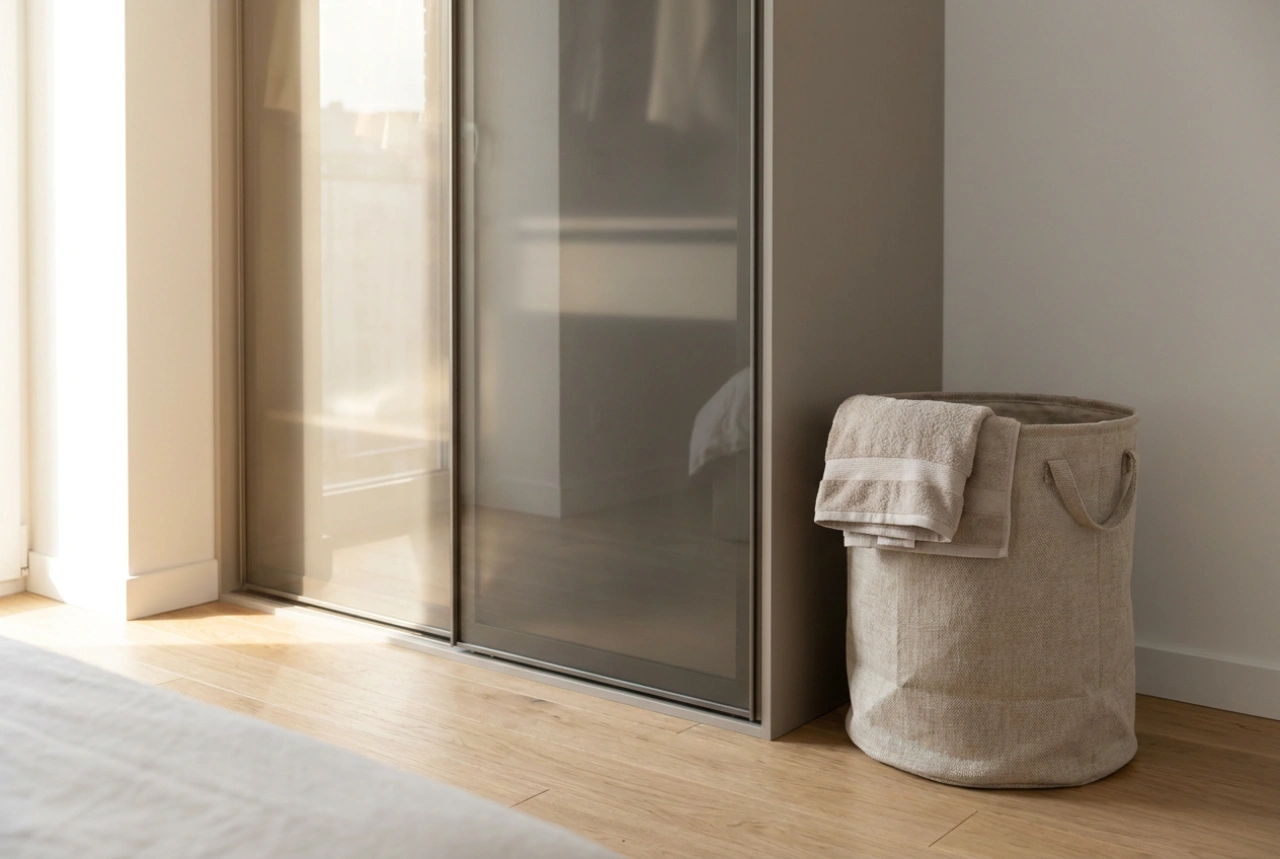
The interior liner of the hamper acts as the primary barrier between dirty clothing and the structural frame. Choosing the right textile for this liner is essential for maintaining hygiene and preventing cross-contamination.
Synthetic fibres like polyester are resistant to moisture but can trap odour molecules within their hydrophobic structures. Natural fibres like unbleached linen or heavy canvas cotton are highly breathable and absorbent, but they must be washed regularly to prevent mould growth. The ideal solution is a removable, machine-washable cotton-synthetic blend treated with a simple hygienic washing routine. To sanitise the liner, wash it at 60 degrees Celsius using an oxygen-bleach-based detergent. Avoid using fabric softeners on the liner, as they deposit a hydrophobic silicone layer that reduces the fabric's natural breathability, trapping dampness inside the basket.
Strategic Placement and Workflow Integration
To maximise the utility of a seating hamper, place it at transition zones within your home. In a mudroom or hallway, the seat provides a stable platform for putting on shoes, while the compartment underneath acts as a collection point for dirty outerwear, scarves, or damp towels. In a bathroom, it serves as a resting spot or step-stool, keeping dirty clothes hidden immediately before bathing. Position the unit away from direct heat sources like radiators to prevent the wood from drying out and cracking, but close enough to extraction fans to ensure adequate humidity control.
Maintenance Checklist for Longevity
- Weekly airing: Leave the lid open for one hour after removing laundry to allow accumulated moisture to dissipate fully.
- Liner sanitisation: Wash the inner fabric bag bi-weekly at 60°C to eliminate bacterial spores and dust mites.
- Hinge inspection: Tighten lid hinges and gas struts twice a year to maintain even load distribution and prevent structural wobble.
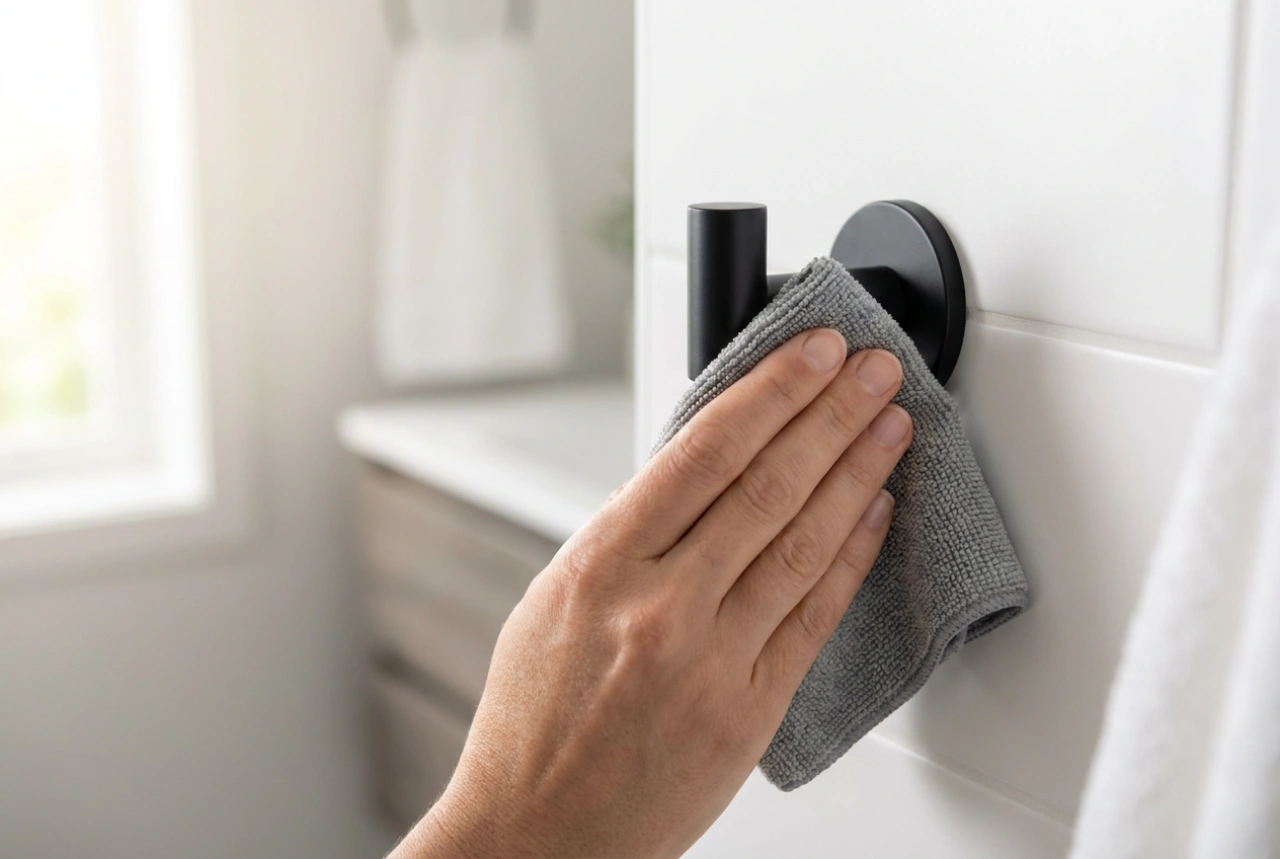
- Surface wiping: Clean wooden or bamboo frames with a damp cloth and mild, pH-neutral soap, drying immediately to prevent water spots.