

Keeping dry dog food fresh is not just about keeping pests out; it is a battle against ambient moisture, oxygen, and lipid oxidation. Proper storage preserves the nutritional integrity of the kibble and prevents the growth of harmful molds and bacteria that thrive in humid environments.
The Science of Kibble Spoilage: Moisture and Oxygen
Dry dog food typically has a moisture content of around 10% or less. This low water activity level is what makes kibble shelf-stable. However, dry food is highly hygroscopic, meaning it readily absorbs moisture from the surrounding air. When exposed to high relative humidity, the water activity of the kibble rises, creating an ideal environment for mold spores and bacterial pathogens to proliferate. Some molds produce microtoxins, which are highly toxic to pets.
Furthermore, kibble contains essential fats and oils. When these fats are exposed to oxygen and moisture, a chemical reaction known as lipid oxidation occurs. Moisture acts as a catalyst in this reaction, breaking down fatty acids and turning the food rancid. Rancid fats not only ruin the flavor, making the food unpalatable to dogs, but they also degrade fat-soluble vitamins and can cause gastrointestinal distress.
Material Science: Selecting the Right Container
The material of your storage container plays a critical role in preventing moisture ingress and gas exchange. Not all containers are created equal when it comes to barrier properties:
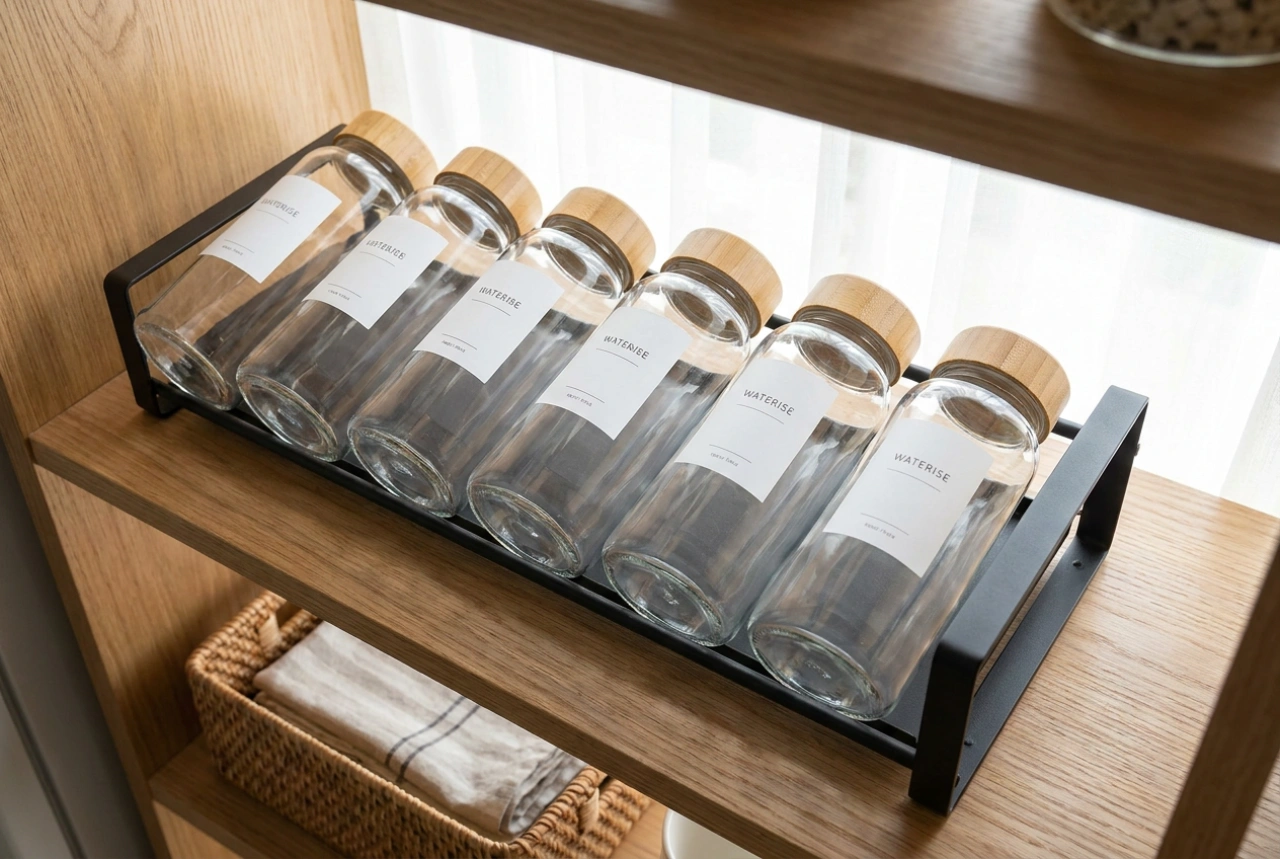
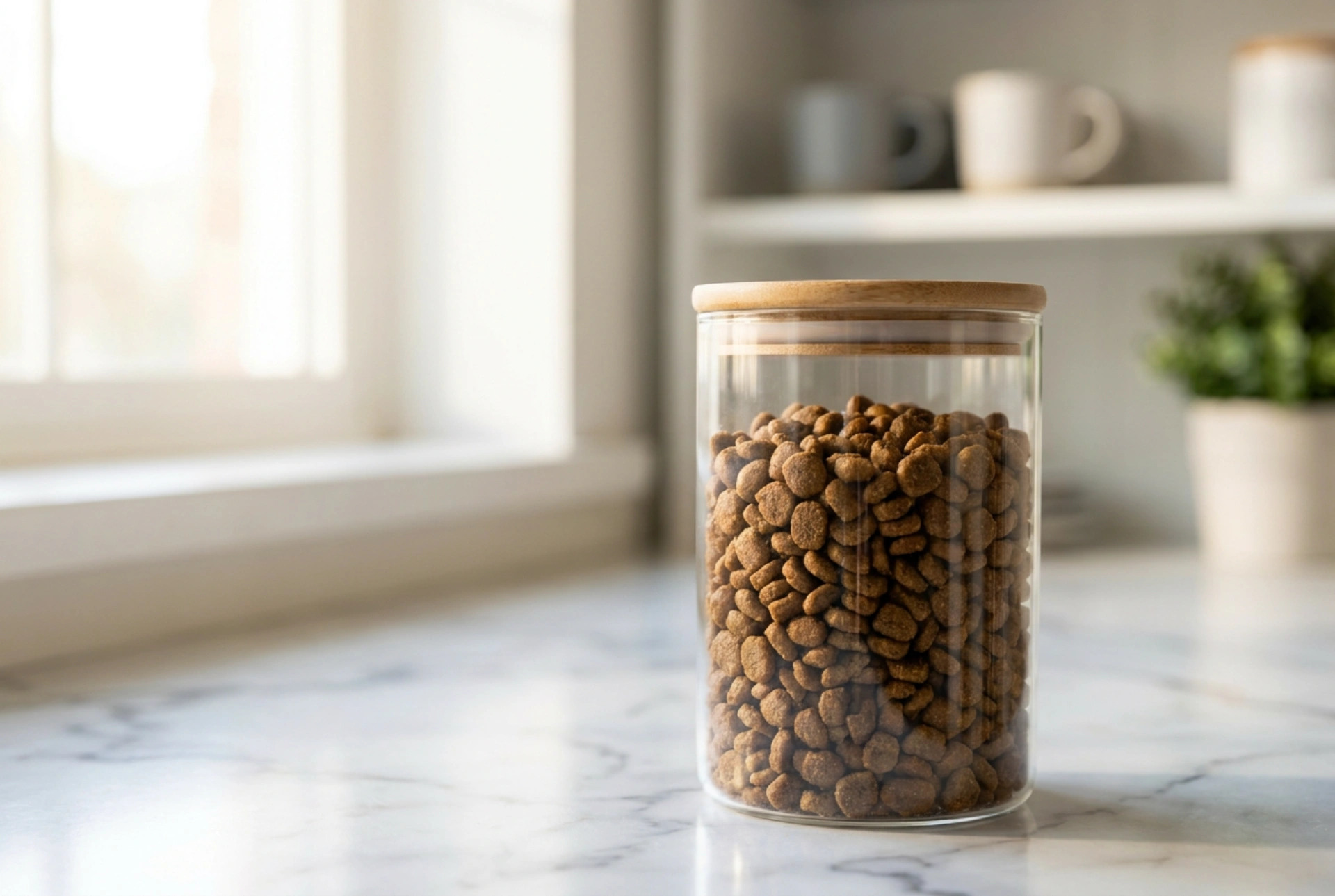
- Glass: Glass is completely non-porous and acts as an absolute barrier against moisture, oxygen, and pests. It does not absorb fats or oils from the kibble, making it easy to sanitize. However, because glass allows light to pass through, it should always be stored in a dark pantry to prevent photo-oxidation of fats.
- Metals: Food-grade stainless steel is an excellent, durable barrier. Like glass, it is impermeable to air and moisture and blocks all light. Ensure the metal container features a food-safe interior lining or is made of high-quality stainless steel to prevent metallic leaching.
- Plastics: Many standard plastic containers are porous. Over time, microscopic scratches and pores in the plastic absorb fats from the food. These trapped fats oxidize and cannot be easily washed away, contaminating subsequent batches of fresh food. If using plastic, ensure it is high-density polyethylene (HDPE) and food-grade.
The Physics of Condensation and Temperature Control
Where you store your kibble container is just as important as the container itself. Storing pet food in areas prone to temperature fluctuations—such as garages, damp basements, or cabinets next to the oven—creates a risk of condensation. When warm, humid air inside a container cools down rapidly, it reaches its dew point, causing water vapor to condense into liquid droplets on the inner walls of the container and on the kibble itself. This localized moisture spike triggers rapid mold growth. To prevent this, store the container in a temperature-controlled pantry where the temperature remains consistently between 10 degrees and 20 degrees Celsius.
Practical Best Practices for Dry Food Storage
To maximize shelf life and completely eliminate moisture risks, implement these highly effective storage techniques:
- The Bag-in-Bin Method: Instead of pouring the kibble directly into your container, place the entire original bag inside the airtight bin. Premium pet food bags are engineered with specialized multi-layer barriers designed specifically to block moisture and oxygen. This method also keeps your container clean and prevents fat accumulation.
- Hermetic Seals: Use a container with a heavy-duty silicone gasket and a secure latch system. A simple snap-on lid is not sufficient to prevent the slow diffusion of moisture-laden air.
- Utilize Silica Gel Desiccants: Place food-safe silica gel packets inside the container, ideally taped securely to the underside of the lid, out of reach of your pet, to actively adsorb any ambient moisture that enters when the container is opened.
The Danger of Topping Off
One common mistake is pouring a fresh bag of dog food on top of the remnants of an old batch. The older kibble at the bottom of the container has already been exposed to oxygen and moisture for weeks. It likely contains oxidized fats and active mold spores. Mixing new food with old accelerates the degradation of the entire new batch. Always empty the container fully, wash it thoroughly with warm, unscented soapy water, and allow it to dry completely for at least 24 hours before adding fresh food.