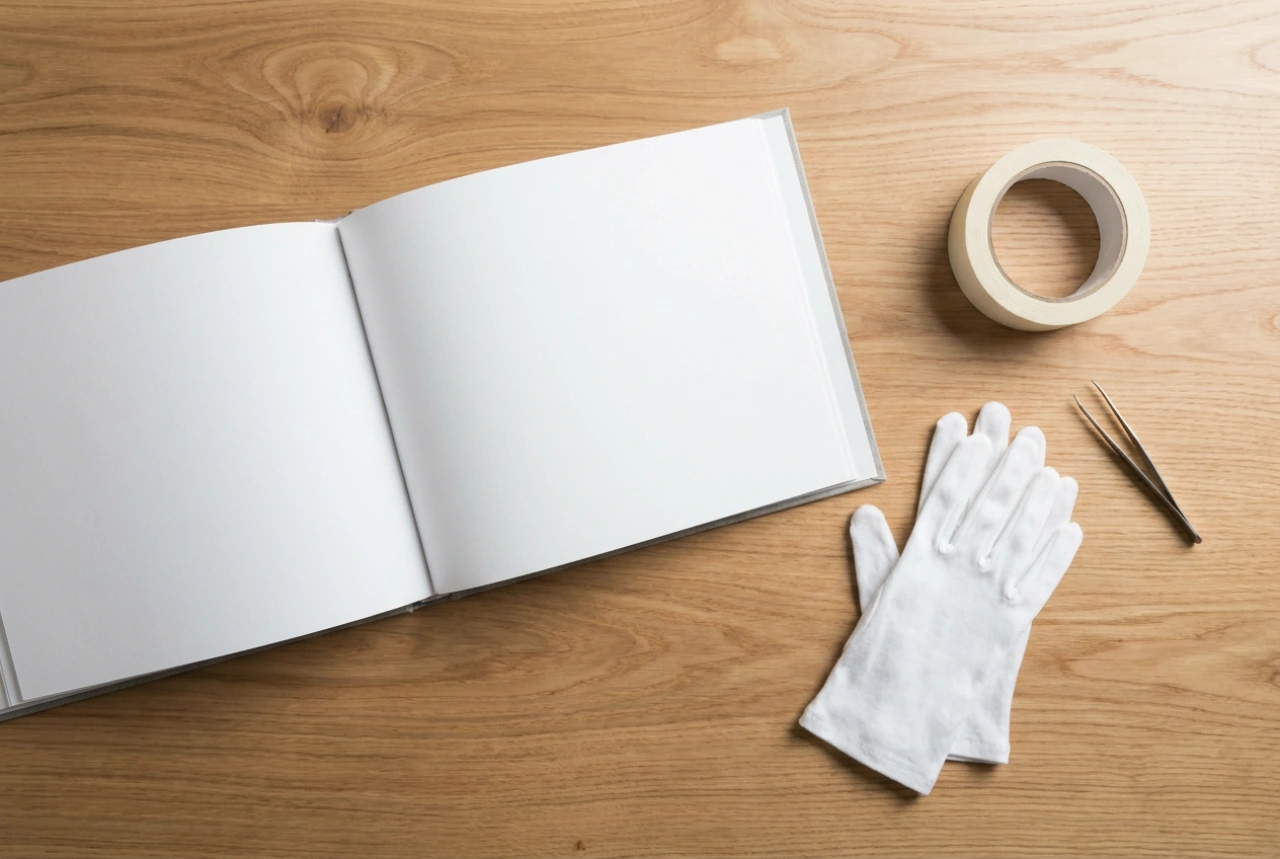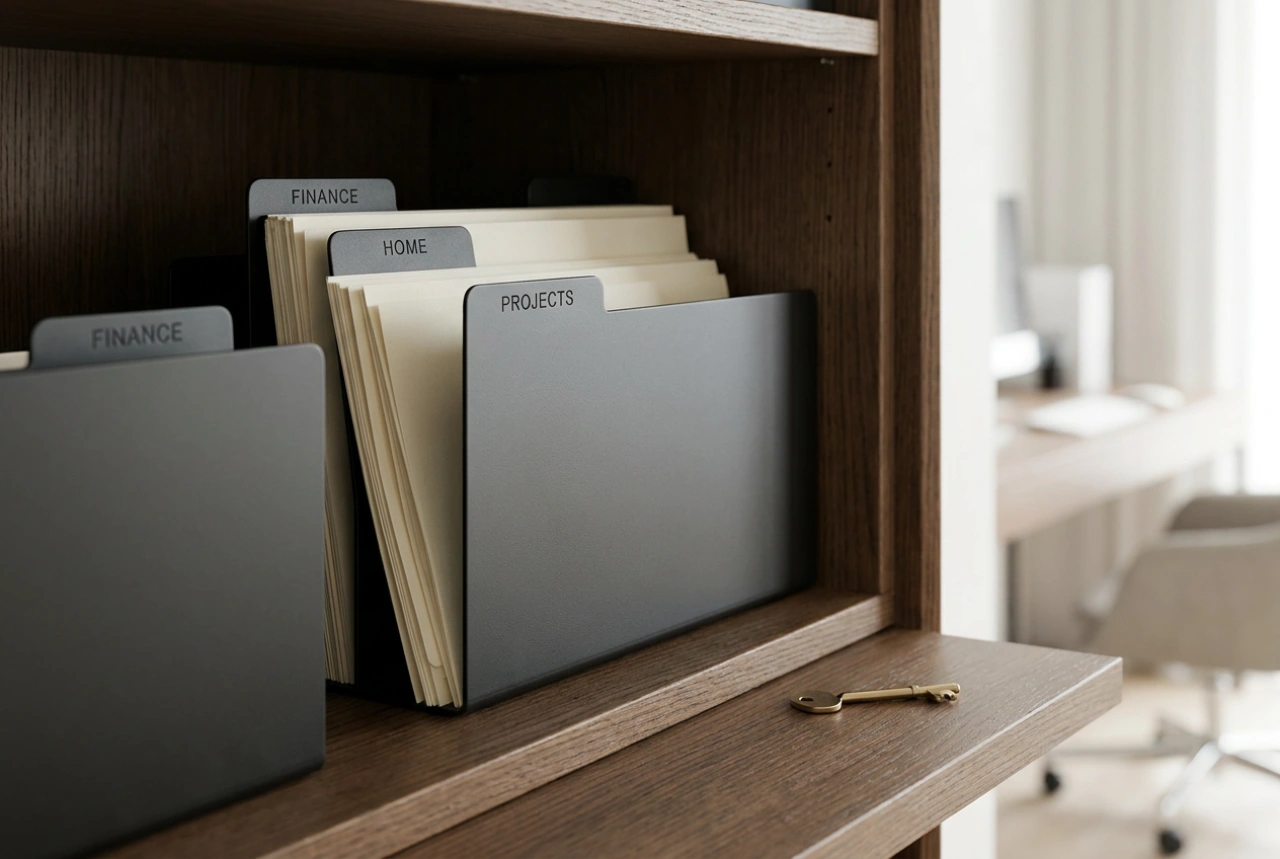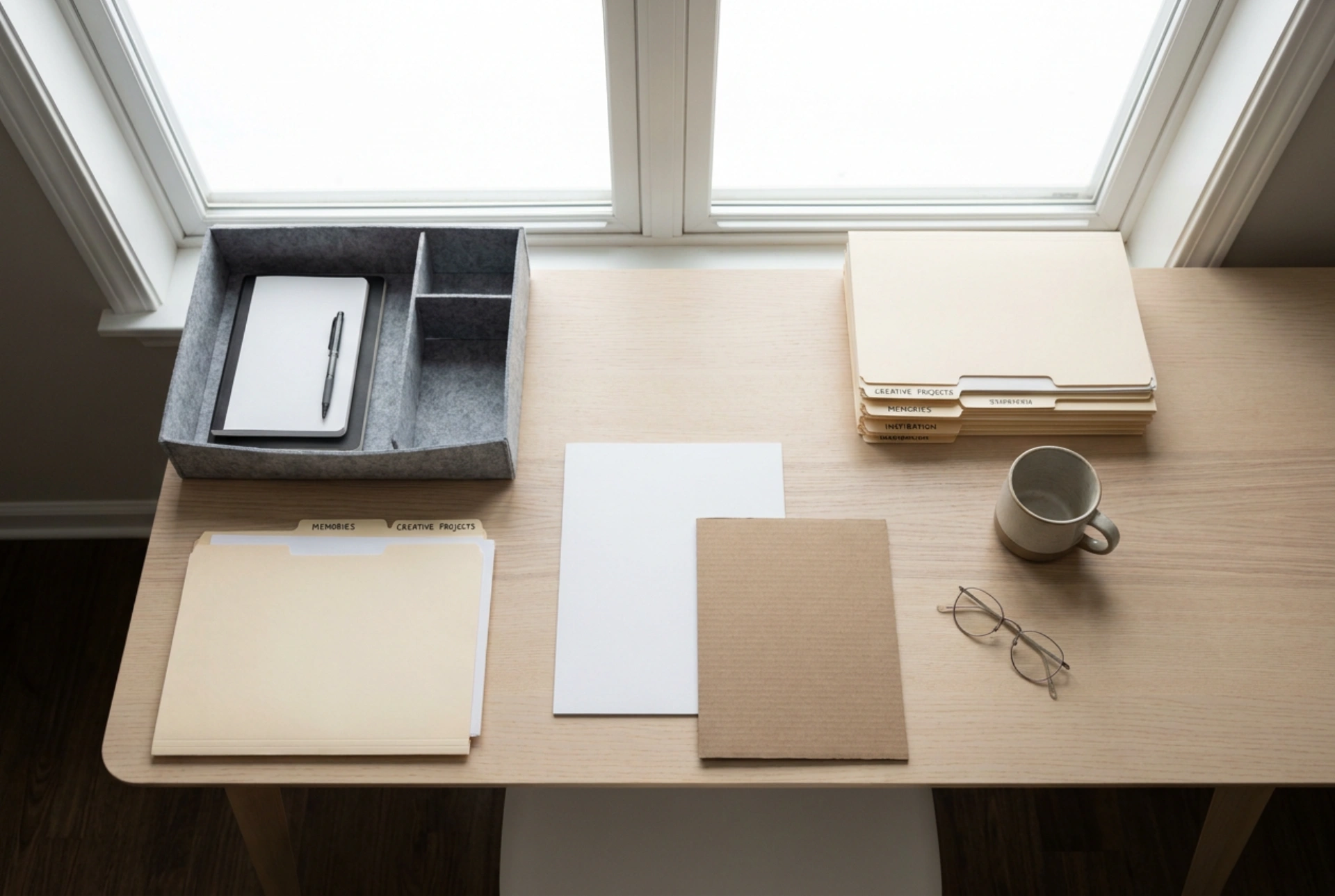


Storing children's large-format artwork requires more than just gathering paper into a pile; it demands a systematic approach to protect delicate materials from physical damage, chemical degradation, and environmental aging. By using large-format archival portfolios and understanding the physics of paper preservation, you can safeguard these creative memories for decades.
The Science of Paper Preservation: Chemistry and Materials
Wood-pulp paper naturally contains lignin, an organic polymer that oxidises over time when exposed to light and oxygen, leading to yellowing, structural weakness, and brittleness. Children's art supplies—such as construction paper, tempera paint, and standard PVA glues—often have high acidity levels. When these drawings are stored in direct contact with one another, a process known as acid migration occurs. Acidic compounds from one drawing transfer to and degrade adjacent sheets, accelerating their decay.
To prevent this, you must use acid-free, lignin-free archival portfolios. For highly acidic materials like construction paper, portfolios featuring an alkaline buffer (such as calcium carbonate) are ideal, as they neutralise migrating acids. Between individual pieces of art, insert sheets of pH-neutral glassine paper. Glassine acts as a smooth, chemically inert barrier that prevents pigment transfer, which is especially critical for chalk pastels, charcoal, wax crayons, and heavy paint layers that might otherwise stick together.
Preventing Physical Distortion: Gravity and Pressure
Large-format artworks, such as A2 or A3 poster boards, are highly susceptible to curling, warping, and creasing if stored vertically without adequate support. Gravity exerts downward pressure on flexible paper fibres, causing them to sag and permanently deform over time if left unsupported.
The optimal method is horizontal storage, keeping the portfolios flat on shelves or inside shallow drawers. This distributes the weight evenly and prevents warping. However, if space constraints dictate vertical storage, you must ensure the portfolio has rigid, heavy-duty polypropylene or thick archival board walls. These rigid covers apply uniform, gentle compression across the entire surface of the artwork, keeping the pages flat and preventing them from sliding down and buckling at the bottom of the folder.
Optimising the Microclimate: Humidity and Temperature
Cellulose fibres in paper are highly hygroscopic, meaning they absorb and release moisture from the surrounding air. When relative humidity exceeds 60%, paper fibres expand and weaken, water-soluble adhesives soften, and the risk of mould growth increases dramatically. Conversely, very dry air (below 30% relative humidity) causes the paper to shrink, making it brittle and prone to cracking under minor stress.
To maintain structural integrity, store portfolios in living areas with stable temperatures (ideally 18–22°C) and moderate relative humidity (40–50%). Avoid storing artwork in uninsulated attics, damp basements, or near heating vents, where rapid thermal fluctuations and humidity spikes will accelerate chemical degradation.
Systematic Archiving: Selection, Labelling, and Layering
A successful archive relies on rigorous curation and a strict order of operations. Not every drawing requires long-term preservation; focus on pieces that mark developmental milestones or show unique creative expression. Follow this process to prepare artwork for the portfolio:
- Curing and Drying: Ensure all paint, glue, and clay elements are completely dry and cured before filing. Trapped moisture inside a sealed folder will lead to mould and fibre rot.
- De-dusting: Gently brush away loose particles, such as glitter or dry chalk dust, using a soft, dry brush to prevent abrasive scratching.
- Interleaving: Place a sheet of glassine paper over the face of each artwork to act as a barrier against friction.
- Labelling: Document the child's name, age, date, and medium. Always write this information on the back of the artwork using a soft graphite pencil (2B or softer). Avoid ballpoint pens or markers, as their liquid solvents and acidic inks can bleed through the paper over time.