

Preserving a philatelic collection requires a deep understanding of paper chemistry, ambient environmental conditions, and systematic categorization to prevent irreversible damage to delicate historical paper.
The Material Science of Stamp Protection
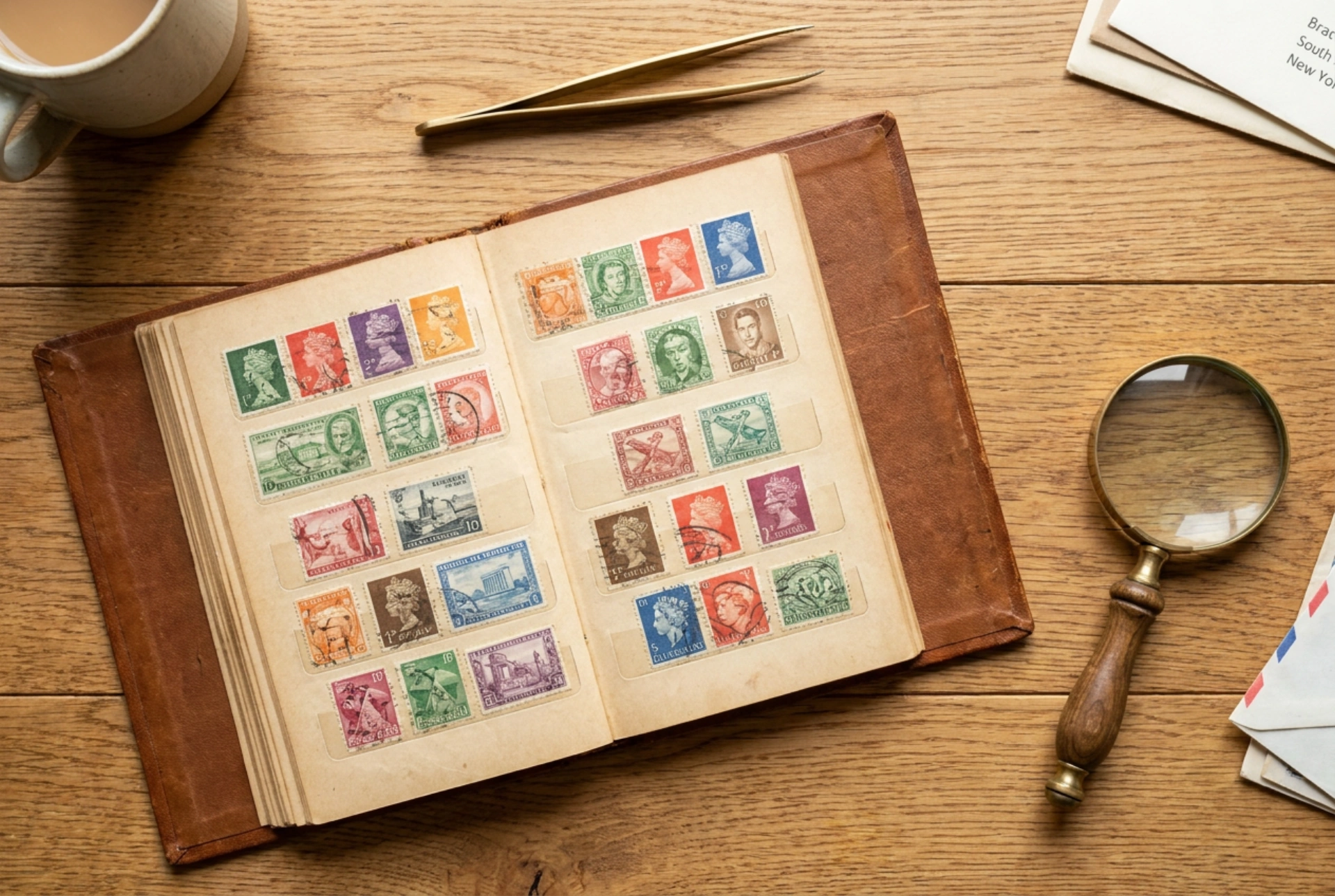
Postage stamps are primarily composed of wood pulp or rag paper, printing inks, and organic gum adhesives. Each of these components reacts differently to environmental stimuli. To prevent degradation, the choice of storage materials is paramount. Traditional stamp albums, known as stockbooks, utilize pockets made of either glassine or clear synthetic polymers.
When selecting synthetic pocket materials, you must strictly avoid polyvinyl chloride (PVC). Over time, PVC undergoes dehydrochlorination, releasing hydrochloric acid gas and plasticisers. This chemical process causes the plastic to soften and transfer onto the stamps, leading to ink lifting, paper yellowing, and sticky residue. Instead, utilize inert polymers such as biaxially-oriented polyethylene terephthalate, archival-grade polypropylene, or acid-free polyethylene. Glassine, which is highly glazed, acid-free paper, remains an excellent, breathable alternative that prevents moisture entrapment.
The Risks of Moisture and Chemical Degradation
Paper is hygroscopic, meaning it naturally absorbs and releases moisture from the surrounding air. If the relative humidity (RH) exceeds 65%, the organic gum on the back of unused stamps can soften, causing them to adhere permanently to the album pages—a process known as "disturbance." Conversely, an environment that is too dry (below 35% RH) makes the paper brittle and causes the adhesive layers to crack.
High humidity also encourages the growth of microscopic fungi, resulting in "foxing"—rust-coloured spots on the paper. This occurs because fungal spores metabolize the trace iron impurities left behind from historical paper-manufacturing processes. Maintaining a stable environment of 18°C to 22°C with a relative humidity between 45% and 55% is critical to arresting these biochemical reactions.
Methods of Systematic Organization
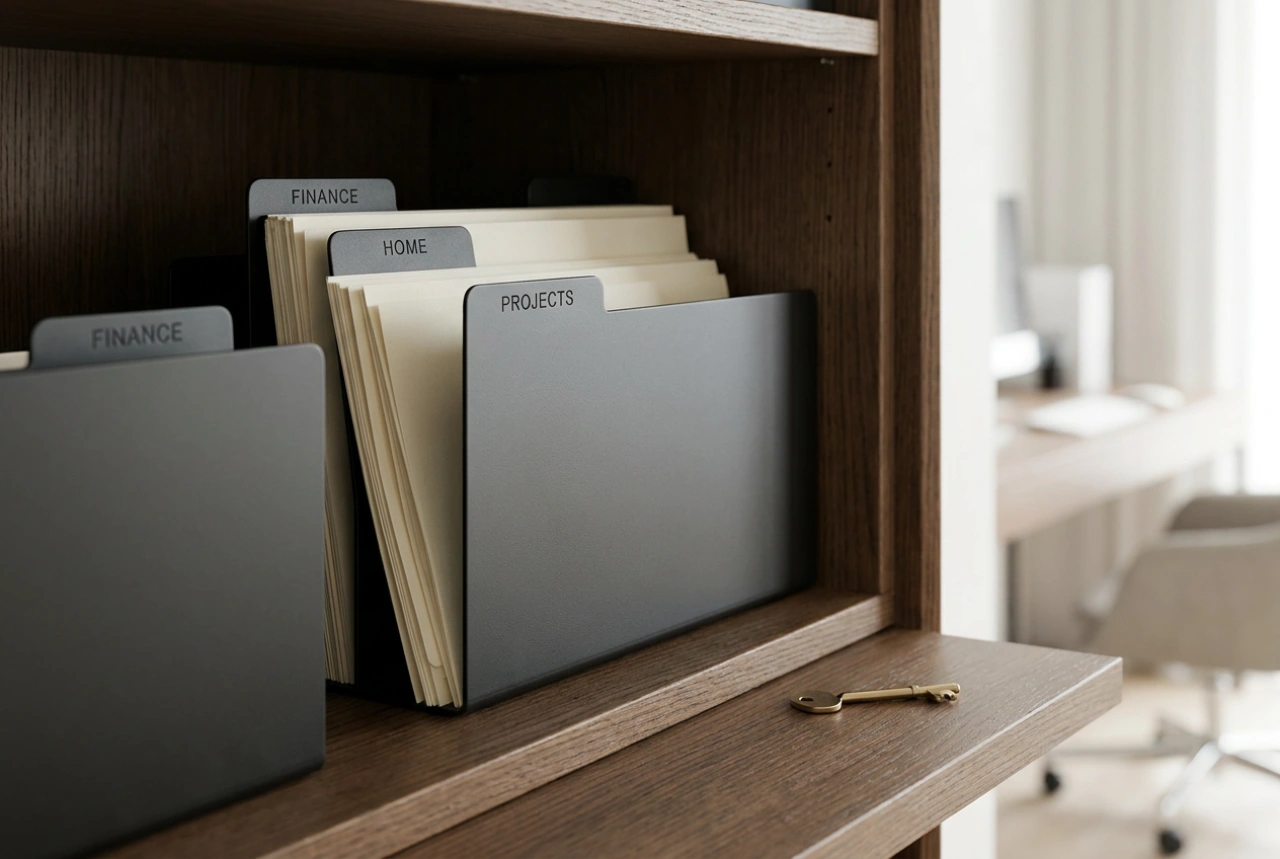
A structured filing system not only enhances the aesthetic value of a collection but also prevents unnecessary handling. There are three primary taxonomies used in philately:
- Geographical and Chronological: Grouping stamps by the issuing country and arranging them in order of their release date. This is the most traditional method, mapping historical and political changes.
- Thematic: Organizing by the subject matter depicted on the stamps (such as flora, fauna, space exploration, or historical figures), regardless of the origin country.
- Postal History and Varieties: Cataloguing by functional usage, watermarks, perforation sizes, and printing errors. This requires specialized tools like watermark fluid (using safe, non-reactive solvents) and perforation gauges.
Handling and Mounting Protocol
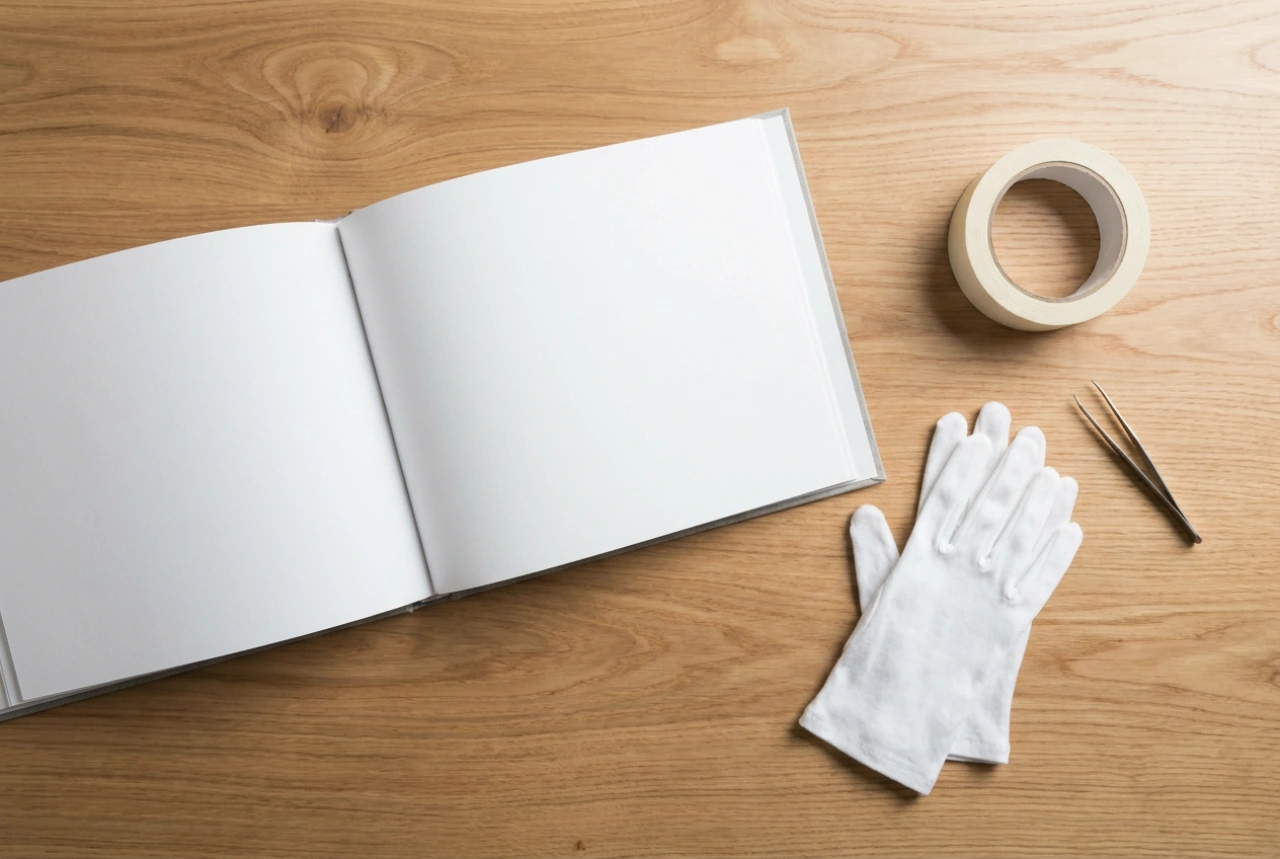
Physical contact with bare skin should be entirely avoided. Human fingers secrete sebum, an acidic lipid mixture that transfers to paper fibers, attracting dust and feeding microbial life. Always use specialized philatelic tweezers with smooth, rounded, spade-shaped tips. Sharp or serrated tips can puncture or tear the delicate paper fibers or damage the fragile perforations along the stamp edges.
When securing stamps into loose-leaf systems, use acid-free, pre-folded hinges for used stamps, or protective mounts with a black or clear backing for mint, unused specimens. Never apply liquid adhesives or self-adhesive tapes, as their synthetic resins cross-link with the paper fibers over time, causing permanent staining and structural damage.