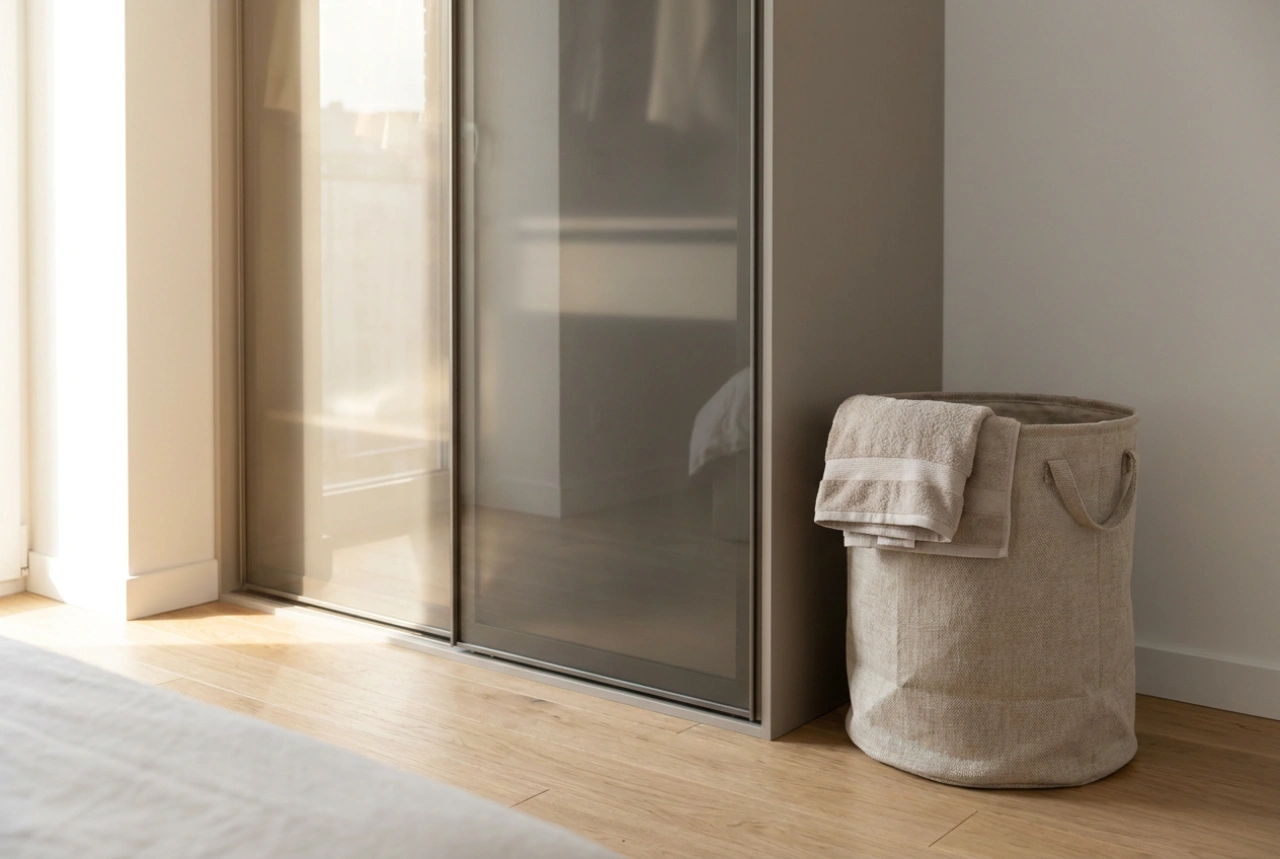


Managing family laundry efficiently relies on understanding fabric science and implementing a systematic sorting workflow before garments ever reach the washing machine.
The Science of Fabric Degradation and Dye Transfer
Every load of unsorted laundry represents a hostile environment for fabrics. When diverse textiles are washed together, two primary damaging mechanisms occur: mechanical abrasion and chemical dye transfer. Mechanical abrasion happens when heavy, coarse fibres—such as denim or heavy canvas—rub against delicate, fine-spun cottons or synthetics during the agitation cycle. This friction weakens yarn structures, leading to pilling, thinning, and premature tearing.
Chemical dye transfer is governed by water temperature and the molecular stability of fabric dyes. Unbound dye molecules, particularly from new or heavily saturated cotton garments (which often use direct dyes), dissolve in the wash water. When the temperature of the water rises, the kinetic energy of these molecules increases, allowing them to migrate and redeposit onto lighter fibres. Sorting fabrics by both weight and colour prevents these reactions, preserving fabric strength and colour integrity.
Designing a High-Efficiency Multi-Basket System
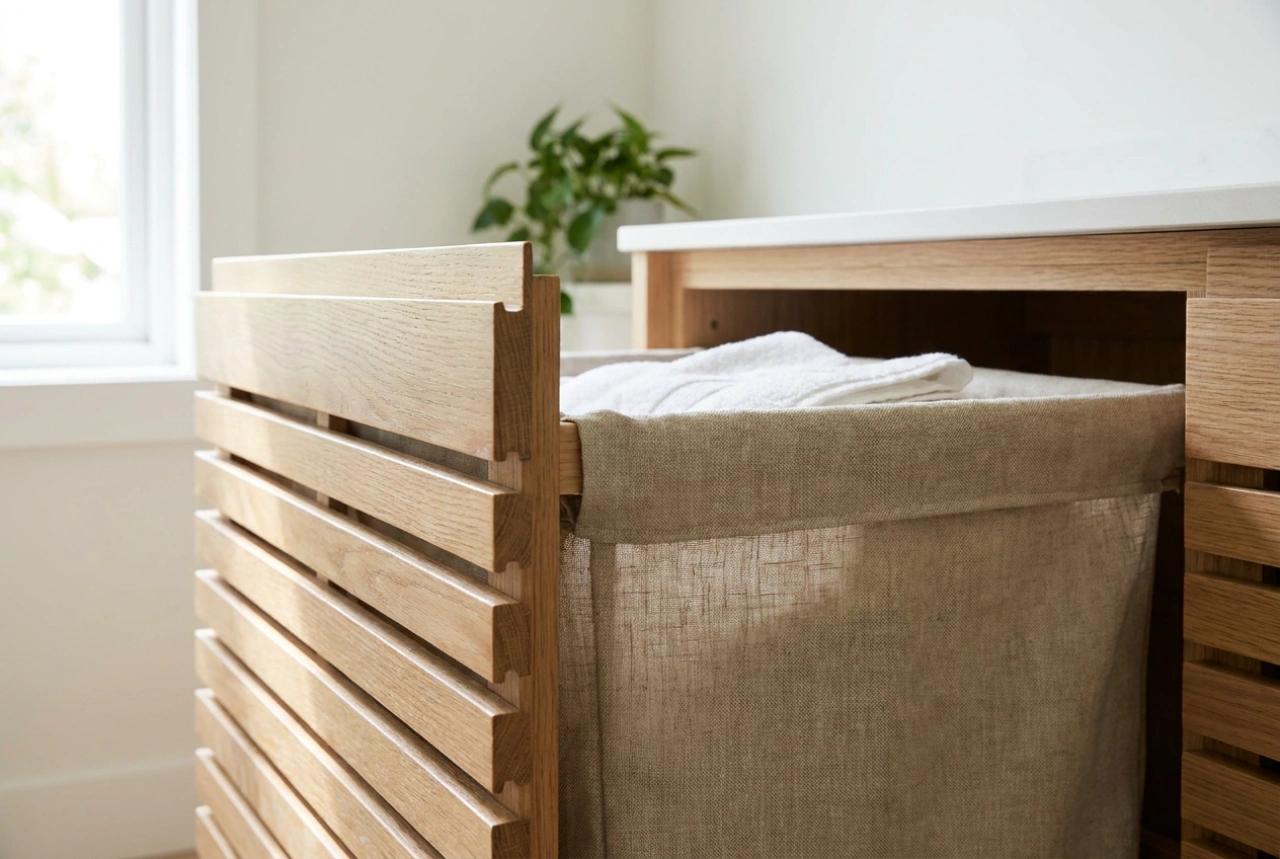
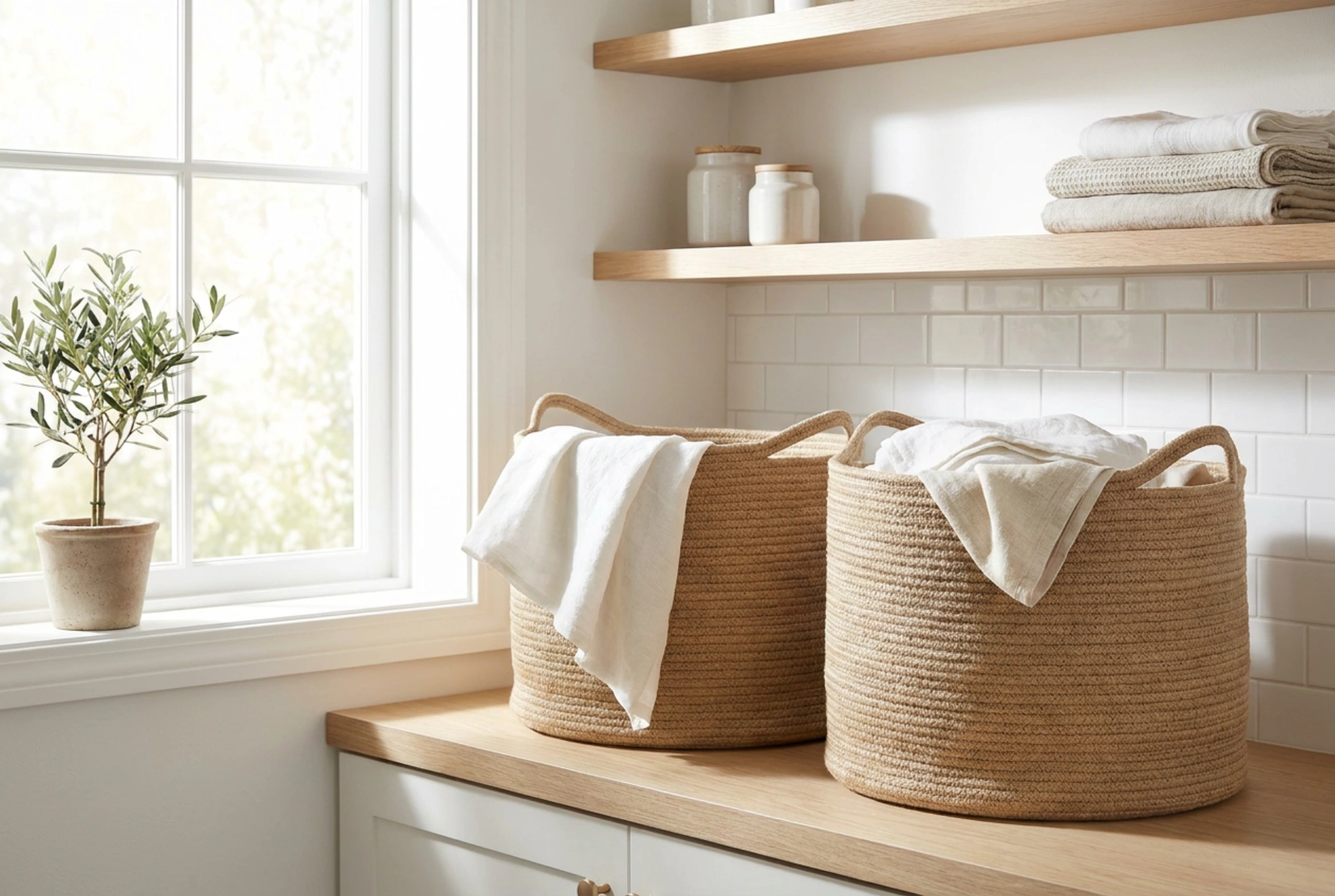
A successful sorting system relies on strategic physical infrastructure. Instead of a single, overflowing hamper, a family requires a modular basket setup. For an average family of four, the household generates approximately 15 to 20 kilograms of laundry per week. To manage this volume, a three- or four-compartment basket system is optimal.
The material of the baskets plays a critical role in laundry preservation. Woven natural fibres, ventilated polymer bins, or heavy-duty canvas bags on frames are ideal because they facilitate passive air circulation. Closed, non-breathable plastic containers trap humidity from damp towels or sweat-dampened activewear. This creates a high-humidity microclimate that accelerates the growth of mildew and bacteria, such as Brevibacterium, which produce stubborn, sour odours that are difficult to eradicate even at high temperatures.
The Three-Category Sorting Protocol
An efficient family sorting system should categorise laundry at the point of disposal. This eliminates the tedious task of sorting messy piles on the floor later. Group your baskets into three clear streams:
- Whites and Light Pastels: This stream is reserved for cellulose-based fibres (cotton, linen) that can tolerate higher temperatures (60°C) and oxygen-based bleaching agents. Washing these separately prevents the grey, dingy appearance caused by microscopic dye transfer from darker fabrics.
- Darks and Intense Colours: This basket holds blacks, deep blues, reds, and dark greys. These garments should be washed at lower temperatures (30°C to 40°C) using liquid detergents without optical brighteners, which can cause dark colours to look faded and hazy.
- Heavy Textiles and Synthetics: This category includes denim, heavy sweaters, and synthetic activewear. Synthetics are highly hydrophobic but lipophilic, meaning they attract body oils and sebum. Washing them separately from lint-producing natural cottons prevents lint from adhering to synthetic surfaces.
Optimising the Pre-Wash Workflow
Before any load is transferred to the drum, a quick pre-wash sequence ensures optimal machine performance and garment safety. Empty all pockets to prevent metal coins, keys, or cellulose tissues from damaging the pump or disintegrating across the load. Fasten all metal zips, hooks, and press studs; exposed teeth act like small saws against softer fabrics during the spin cycle. Turn printed t-shirts, knits, and denim inside out. This simple kinetic shield reduces surface friction on the visible outer side of the clothing, maintaining their original texture and appearance for significantly longer.