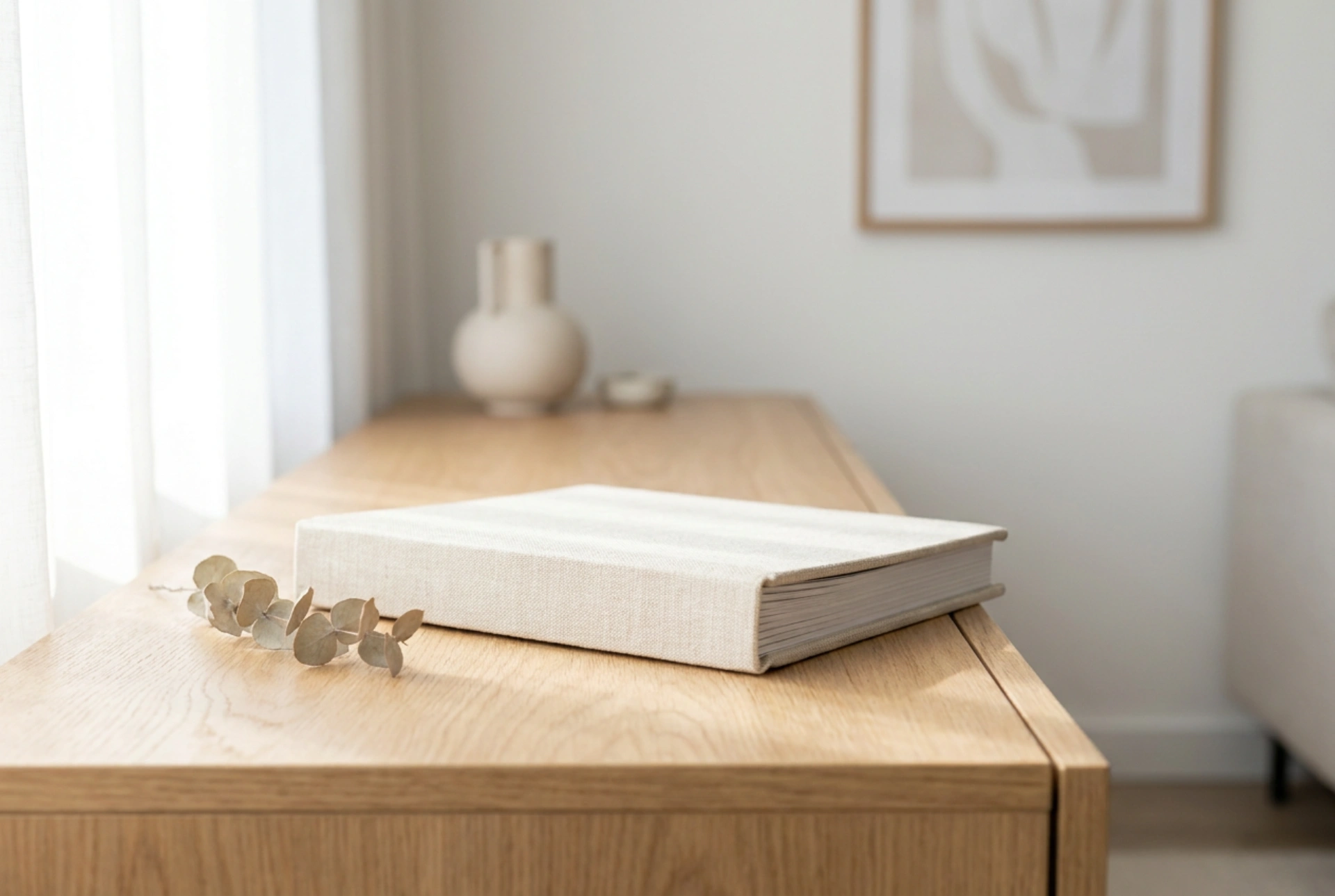


Preserving physical photographs requires more than just gathering prints; it demands an understanding of material science to prevent chemical degradation over time. An engraved archival album serves as a structured, durable chronicle, combining robust physical protection with a personalized, permanent cover design.
The Chemistry of Archival Paper: Halting Acid Degradation
To ensure a chronicle of photographs survives for generations, the chemical composition of the album pages is paramount. Standard pulp paper contains lignin, an organic polymer that binds wood fibers together. Over time, exposure to light and oxygen breaks down lignin, producing acidic compounds that cause paper to yellow, become brittle, and deteriorate. Additionally, these acids can migrate into the photographic prints themselves, causing fading, discoloration, and silver mirroring.
To prevent this, archival-grade albums utilize acid-free and lignin-free paper. During manufacturing, the wood pulp is chemically treated to remove lignin, leaving pure cellulose. Furthermore, these papers are often buffered with a small percentage of calcium carbonate. This alkaline substance acts as a neutralizing agent, absorbing environmental acids that may enter the closed album. When selecting an album, verify that the internal pages meet the ISO 9706 standard for permanence, which guarantees a pH value between 7.5 and 10, ensuring stability over centuries.
Cover Selection and the Physics of Engraving
The cover of a premium album acts as its primary barrier against mechanical wear, moisture, and dust. Natural materials like high-density linen, top-grain leather, or dense hardwoods are preferred for their structural integrity. Linen, made from flax fibers, is highly resistant to tensile stress and does not attract dust compared to synthetic polyester alternatives. Leather, when vegetable-tanned, avoids the acidic chromium compounds used in modern tanning, protecting both the binding and the contents.
Engraving adds a permanent, tactile element to the cover without the risk of ink fading or peeling. Laser engraving works through thermal ablation: a highly concentrated beam of light heats the surface material to its vaporization temperature, vaporizing a microscopic layer. On wooden or leather covers, this creates a precise, contrasting indentation. For linen, modern laser engraving carefully singes the uppermost fibers to change their color without compromising the structural weave. Unlike printing or foil stamping, which rely on external adhesives that dry out and delaminate, engraving becomes an intrinsic part of the cover material.
Adhesive Chemistry and Mounting Techniques
How prints are secured inside the album determines their long-term survival. Traditional adhesives, such as standard rubber cement, double-sided tapes, or hot glue, contain volatile organic compounds (VOCs) and unstable polymers. As these adhesives age, they undergo cross-linking, curing into a hard, yellowed state, and releasing acidic gases that destroy the photographic emulsion layer.
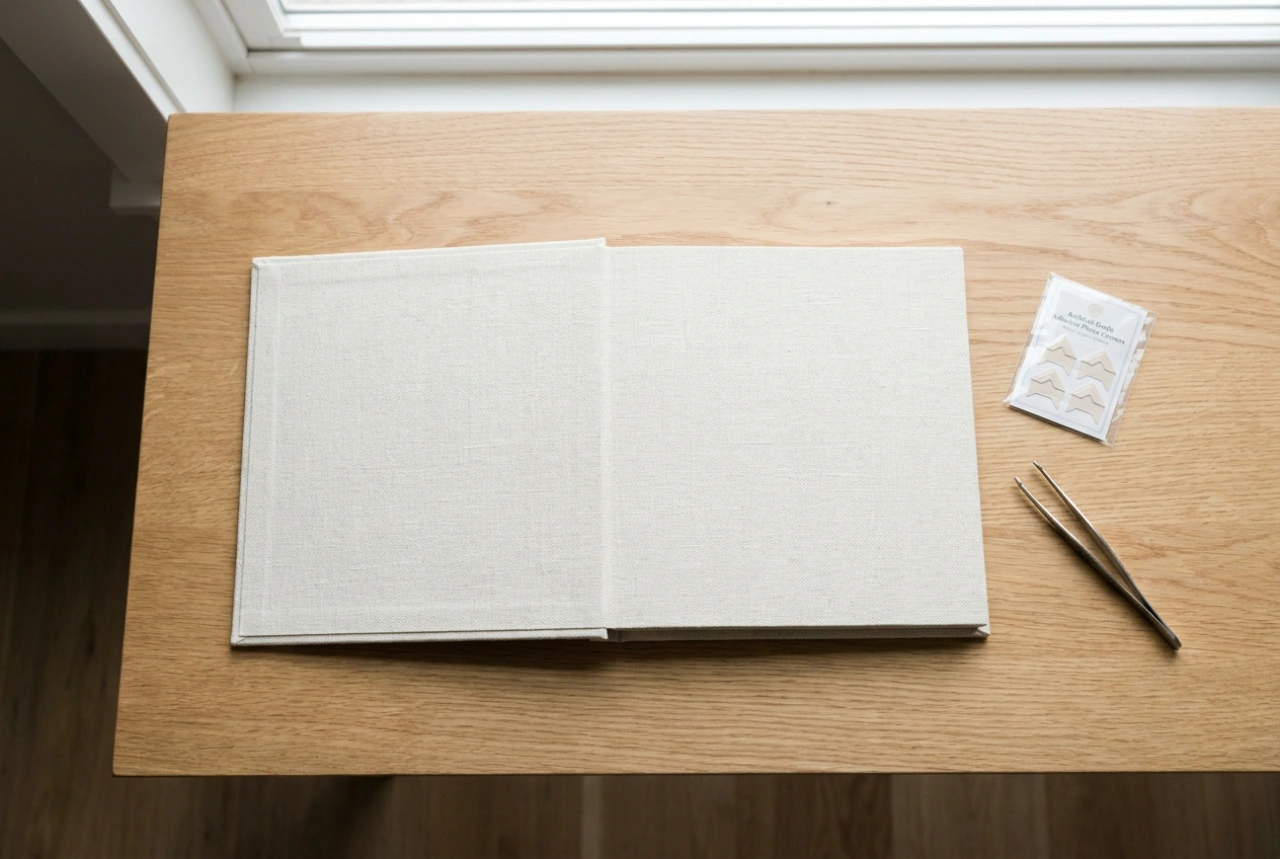
- Archival Photo Corners: Made from inert plastics like polyester (polyethylene template) or polypropylene, these corners hold the photo mechanically without any adhesive touching the print itself. This allows for natural expansion and contraction of the paper under shifting temperatures.
- pH-Neutral Liquid Glues: Methylcellulose or wheat starch paste are the gold standards in conservation. They are water-soluble, reversible, acid-free, and do not degrade into harmful acidic by-products.
- Inert Sleeves: If using slip-in pockets, ensure they are free of polyvinyl chloride (PVC). PVC contains plasticizers to make it flexible, which inevitably off-gas and stick to the photographic surface, ruining the image. Opt for chemically stable polypropylene or polyester sleeves.
Maintaining the Ideal Preservation Environment
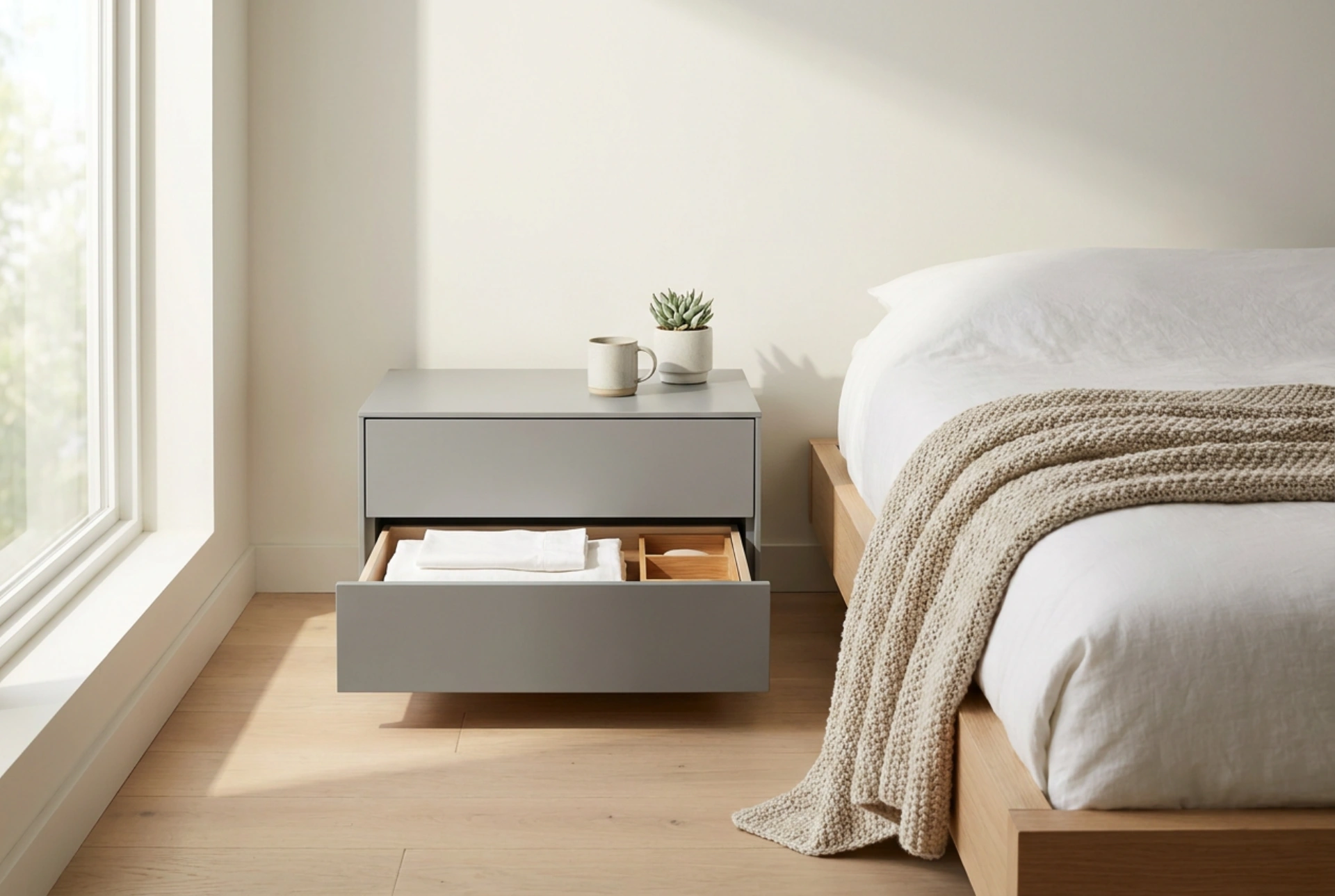
Even the highest-quality engraved album cannot withstand hostile environmental conditions. The rate of chemical reactions in paper and photographic emulsion doubles with every 10-degree Celsius rise in temperature. High humidity triggers mold growth and gelatin softening, while excessively low humidity causes fibers to shrink and curl. The ideal storage condition is a stable environment with a temperature below 20 degrees Celsius and a relative humidity (RH) between 30% and 50%.
Light exposure must also be managed. Ultraviolet (UV) radiation triggers photo-oxidation, breaking chemical bonds in both paper fibers and photographic dyes. Store the engraved album horizontally to prevent page sagging under gravitational pull, ideally inside a custom-fit, acid-free slipcase or box. This creates a microclimate that dampens fluctuations in ambient temperature and humidity, preserving your curated chronicle for the long term.