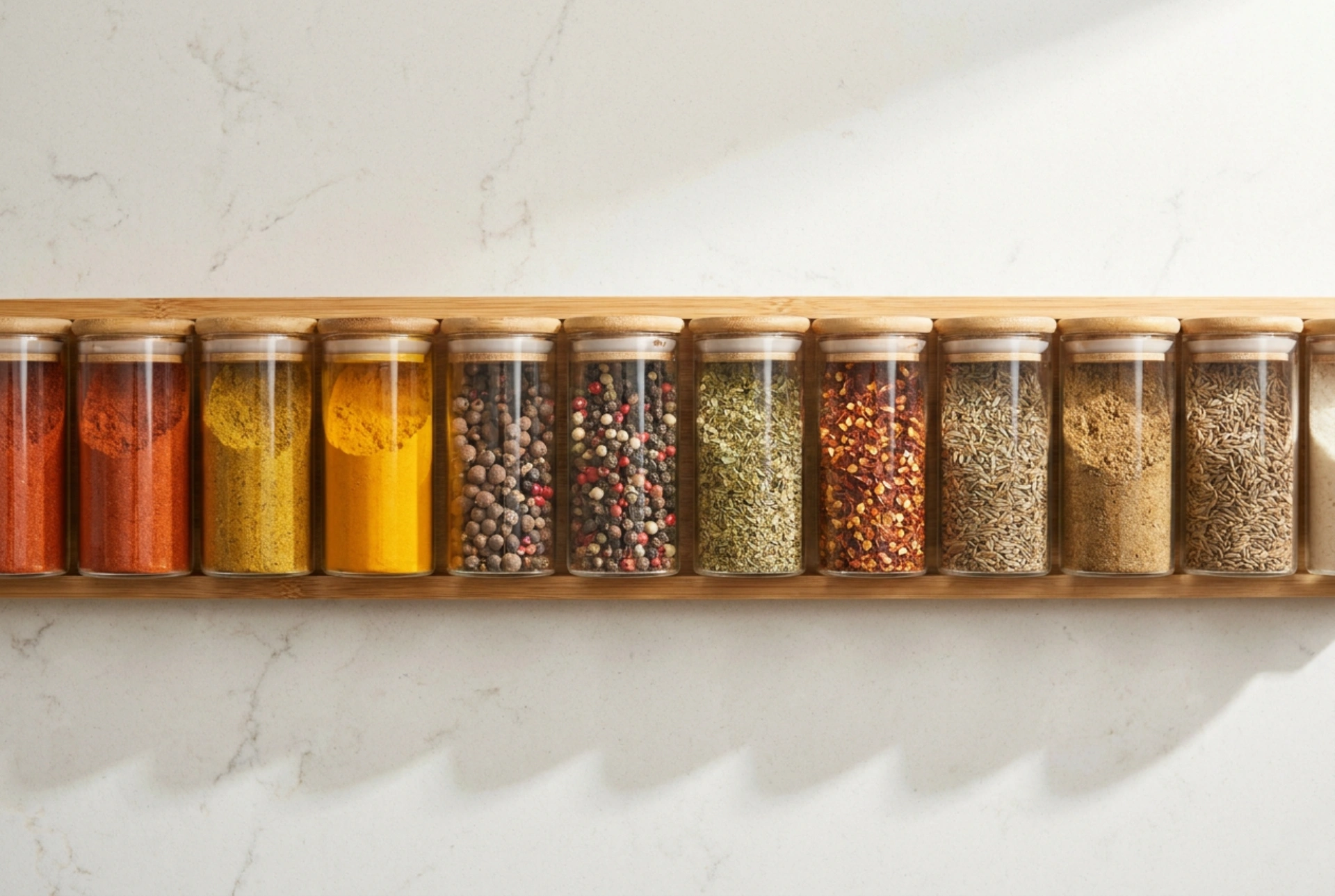


Preserving the potency of culinary spices is a precise science of chemical stabilization, requiring a barrier against oxygen, moisture, light, and heat. The choice of storage container directly dictates how long volatile essential oils—the compounds responsible for flavor and aroma—remain intact before degrading through oxidation and hydrolysis.
The Chemistry of Spice Degradation
Spices owe their distinctive sensory profiles to volatile organic compounds, such as piperine in black pepper, cinnamaldehyde in cinnamon, and eugenol in cloves. These compounds are highly reactive. When exposed to atmospheric oxygen, they undergo oxidation, changing their chemical structure and rendering them flavorless or bitter. Additionally, relative humidity is a critical factor; dry spices are hygroscopic, meaning they readily absorb moisture from the surrounding air. When moisture enters a container, it causes physical clumping (caking) and, more critically, initiates enzymatic reactions and hydrolytic rancidity. In worst-case scenarios, a moisture level above a certain threshold allows for micro-fungal growth, producing mycotoxins. Therefore, an effective spice container must act as a hermetic barrier to isolate the contents from ambient air and humidity fluctuations.
Material Science: Glass vs. Polymers
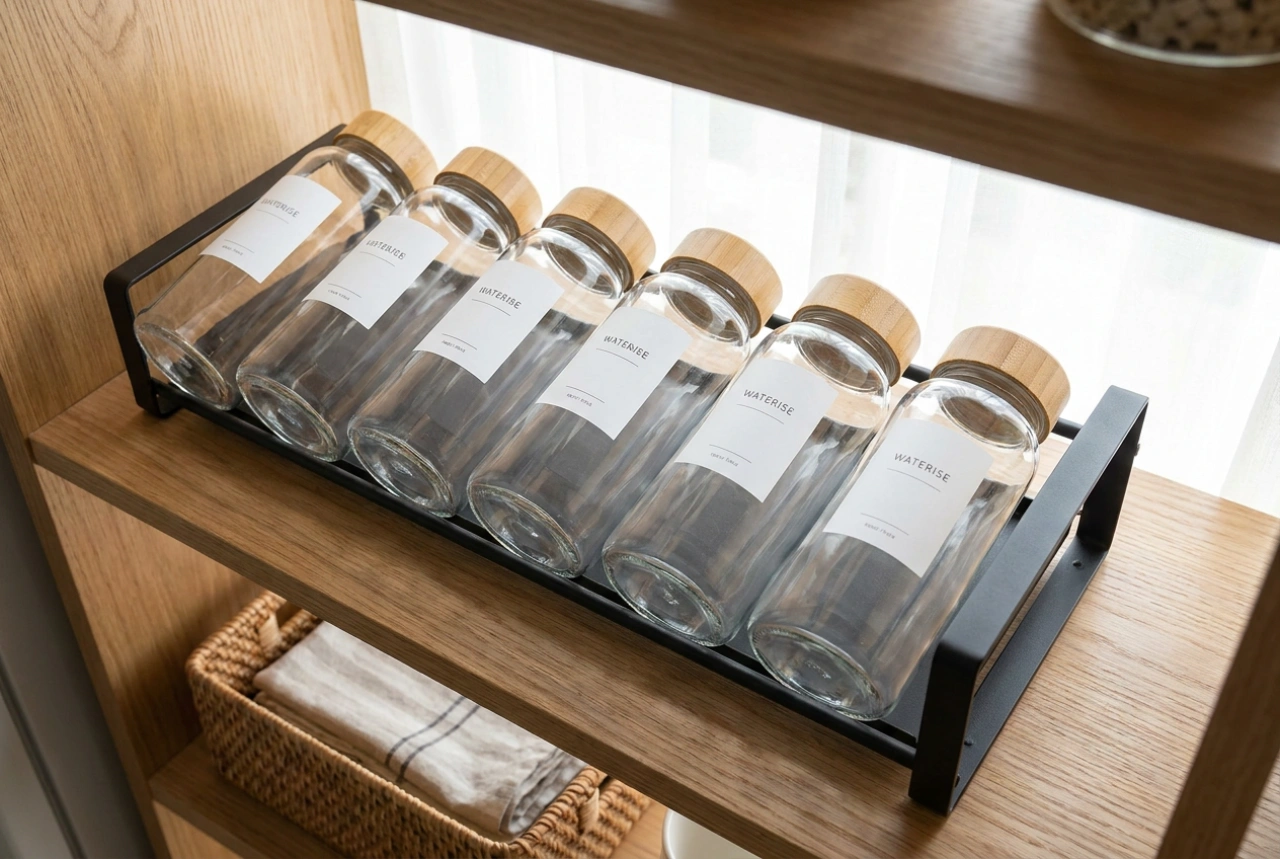
When evaluating container materials, non-porous and chemically inert options are paramount. Glass is the gold standard in material science for food preservation. It is completely impermeable to gases and water vapor, and unlike certain plastics, it does not absorb volatile oils. Many spices contain terpenes and acidic compounds that can slowly degrade or migrate into plastic polymers, causing the container to cloud, warp, or retain persistent odors that contaminate subsequent ingredients. Furthermore, high-quality borosilicate or soda-lime glass can withstand high thermal washing cycles without cracking, allowing for thorough sterilization between refills. If plastic must be used, food-grade polyethylene terephthalate (PET) is preferred over polystyrene, but it still lacks the absolute gas-barrier properties and chemical inertness of glass.
The Sealing Mechanism: Silicone Gaskets and Threading
A container is only as airtight as its closure system. Simple screw-on lids without internal liners often permit micro-air exchange through the threads. To establish a true hermetic seal, a container must feature a high-performance sealing gasket, typically made of food-grade silicone. Silicone is highly elastic, resistant to thermal degradation, and does not degrade when exposed to the essential oils found in spices. Clamped jars with wire bails or jars with precision-engineered silicone pressure rings provide continuous downward pressure, compressing the gasket to fill microscopic gaps in the glass rim. Metal lids should have a plastisol liner to prevent direct metal-to-salt contact, which can induce galvanic corrosion, especially in spice blends containing sodium chloride or acidic components like sumac.
Photodegradation: The Impact of Light
Light acts as a catalyst for chemical decomposition through a process called photodegradation. Ultraviolet (UV) and visible light waves transfer energy to pigment molecules, such as carotenoids (found in paprika and cayenne) and chlorophyll (found in dried herbs). This energy breaks down the molecular bonds, leading to bleaching and the accelerated destruction of flavor compounds. While clear glass allows for easy inventory management, it offers zero protection against UV radiation. For long-term preservation, amber, cobalt blue, or specialized violet glass should be utilized. These colored glasses act as optical filters, absorbing high-energy light wavelengths while allowing only harmless parts of the spectrum to pass. If clear glass containers are used, they must be stored inside dark cupboards or drawers rather than exposed on open countertops.
Using Spices Safely: Avoiding Steam Contamination
The design of the container opening significantly influences how spices are dispensed. Jars with wide mouths allow for the clean entry of dry measuring spoons, minimizing physical cross-contamination. Shaker tops with small perforations may seem convenient, but shaking a jar directly over a steaming pot of food is a common mistake. Rising steam enters the container openings instantly, condensing on the cold interior glass and the spice particles. This localized moisture spike causes rapid clumping, clog-forming paste, and introduces bacteria. Opt for containers that encourage scooping with a dry implement rather than shaking directly over heat sources, maintaining the dry microclimate inside the vessel.