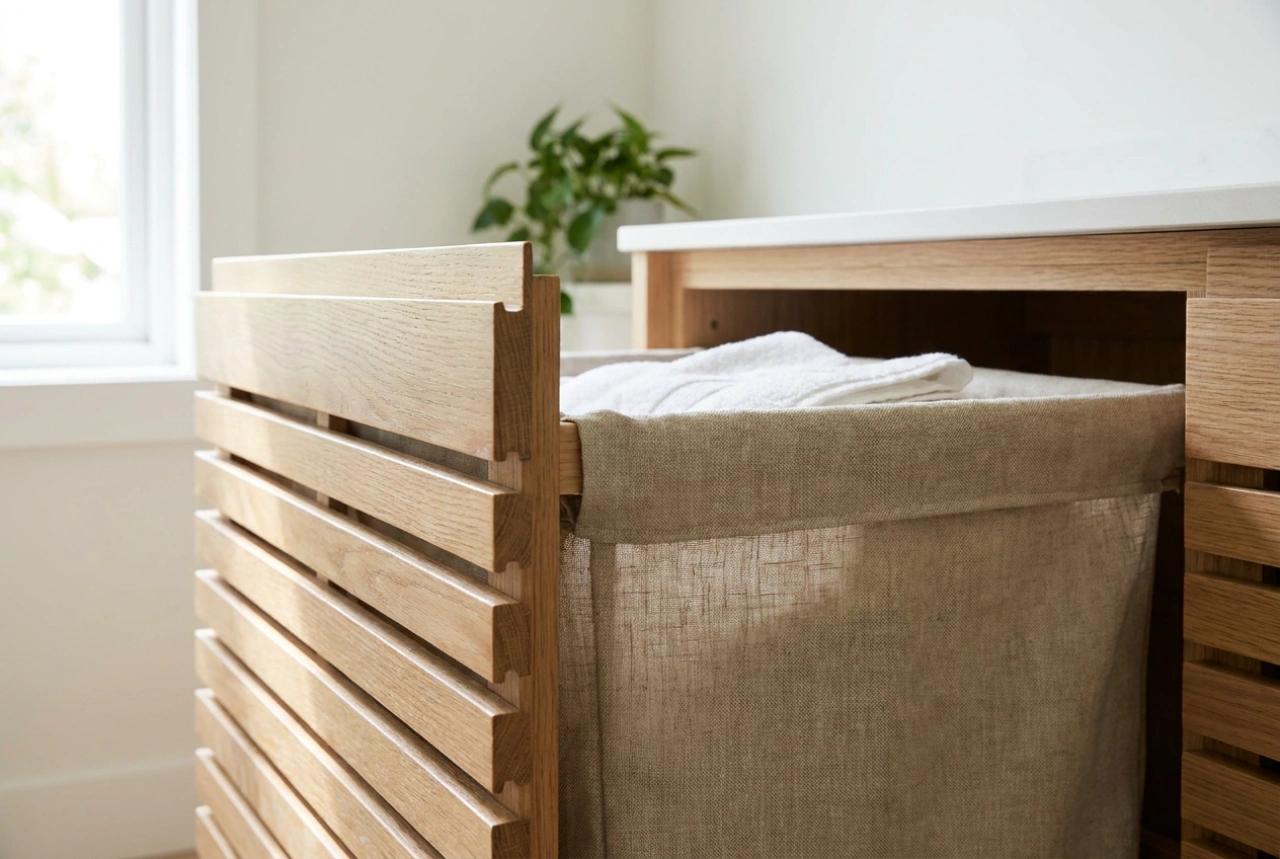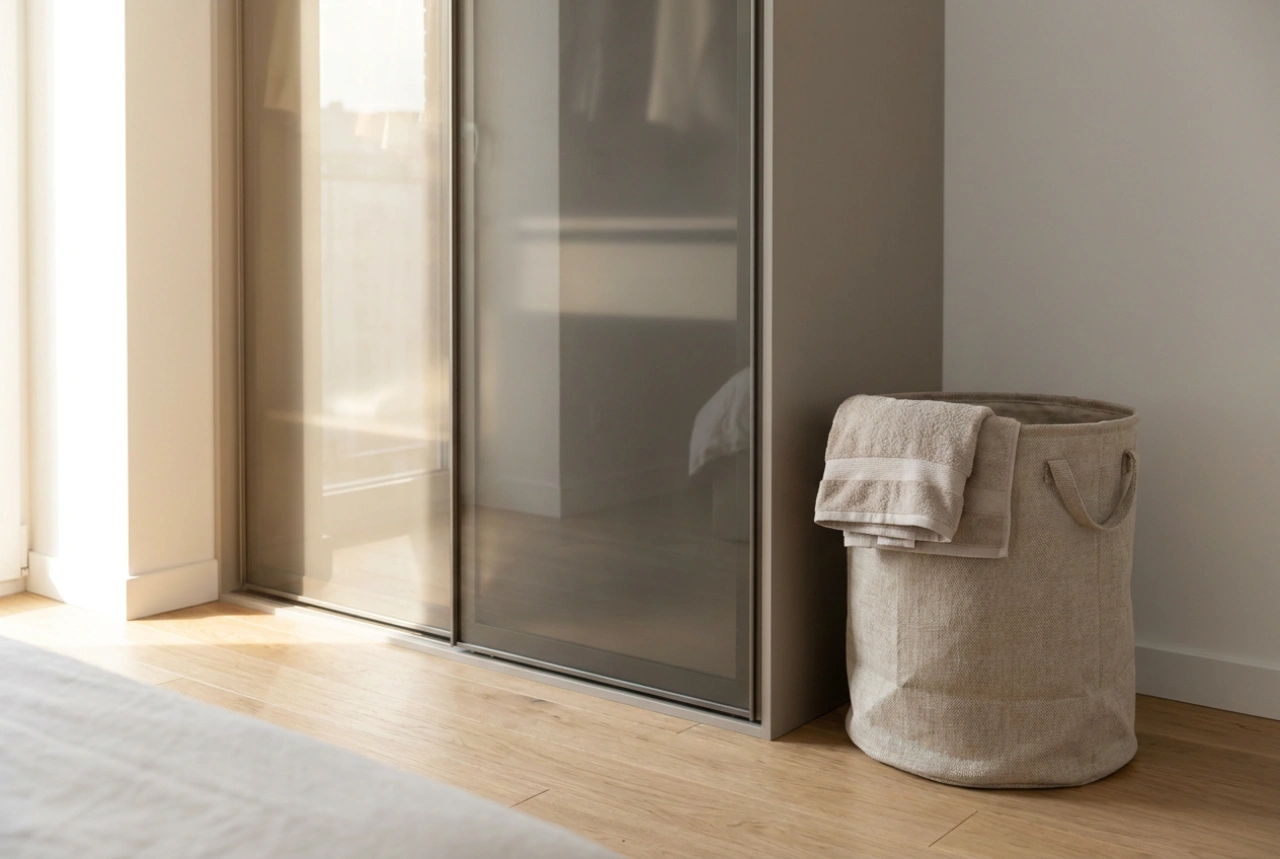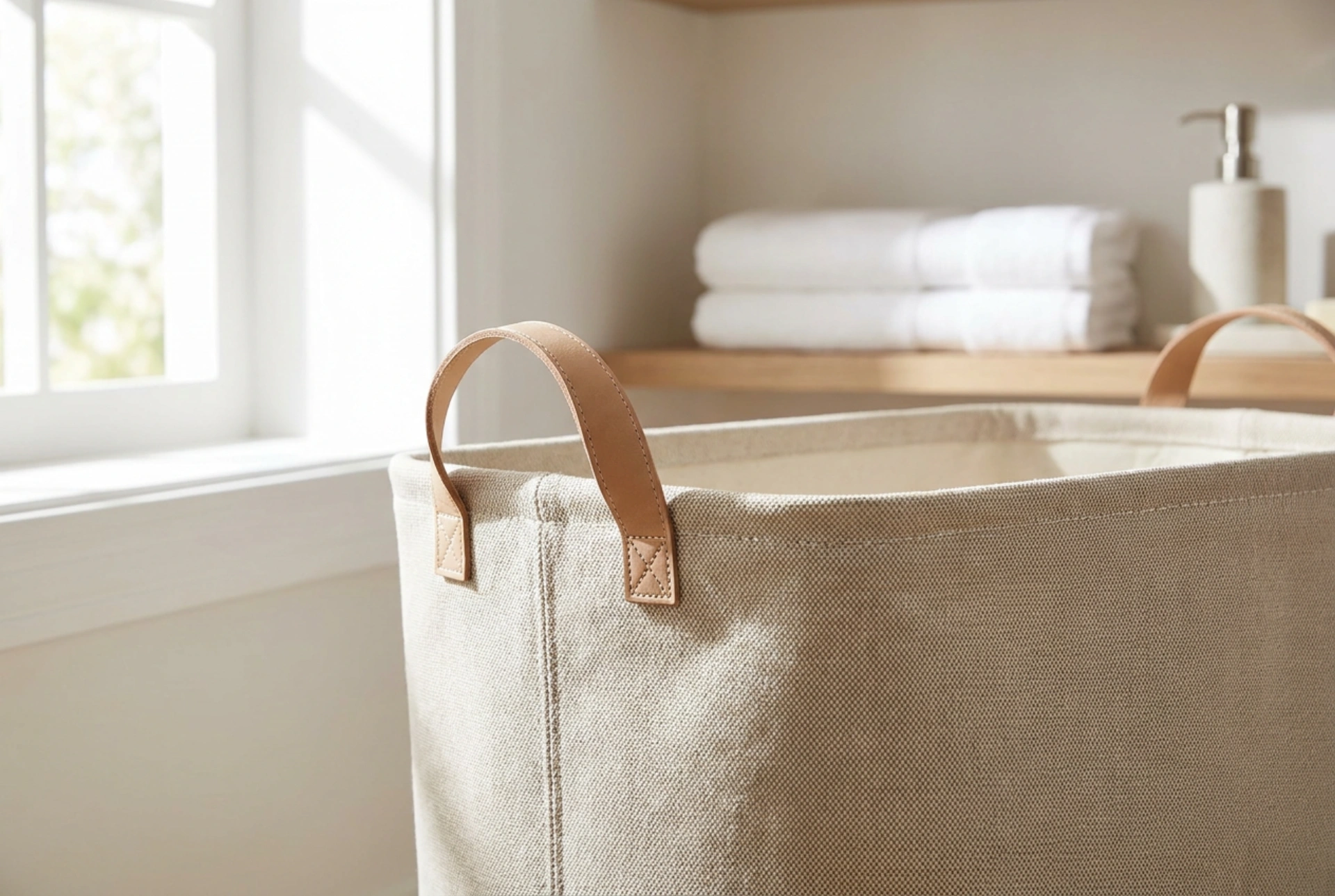


Dirty laundry baskets act as a silent breeding ground for bacteria, fungal spores, and unpleasant odours, which transfer directly from soiled clothing onto the fabric liner. To maintain a hygienic home environment, understanding how to sanitise these fabric liners without damaging their structure or shrinking the material is essential.
The Microbiology of a Laundry Basket Liner
Every time you toss worn clothing, damp towels, or sweaty sportswear into a fabric hamper, you transfer organic matter. Skin cells (keratin), sebum (body oils), sweat, and environmental moisture adhere to the weave of the textile. In the dark, stagnant environment of a laundry basket, these substances undergo microbial decomposition. Bacteria such as Staphylococcus aureus and various micrococci break down sebum into volatile organic compounds, which produce the characteristic sour smell of stale laundry.
If left unwashed, the liner itself becomes a vector for cross-contamination. Freshly washed clothes placed back into an unwashed hamper or handled near it can quickly re-acquire these microscopic spores. Regular wash cycles for the liner—typically once a month, or more frequently if you store damp items—are critical to breaking this cycle of contamination.
Identifying the Fabric: Cotton vs. Synthetic Liners
Before selecting a wash cycle, you must identify the material composition of the liner, as different fibres react uniquely to temperature and mechanical action:
- Heavy Cotton Canvas: Highly durable and breathable, but prone to significant shrinkage if exposed to excessive heat during the wash or drying phase. Cotton is hydrophilic, meaning it absorbs moisture and organic stains deeply, requiring robust thermal or chemical action to clean.
- Polyester and Synthetics: Hydrophobic but oleophilic, meaning they repel water but attract and hold onto oils and lipids (sebum). Synthetics can melt or warp at high temperatures, but they resist shrinkage and dry rapidly.
- Linen: Highly breathable and naturally anti-bacterial, but highly susceptible to friction and high-temperature creasing, which can weaken the flax fibres over time.
The Correct Wash Cycle and Temperature
To eliminate pathogens and dissolve stubborn lipids, temperature and chemical action must work in tandem. For sturdy cotton or linen liners, a wash temperature of 60°C is highly effective at denaturing proteins and killing dust mites. However, if the liner is dyed or contains structural synthetic elements, restrict the temperature to 40°C to prevent warping and colour bleeding.
When selecting your laundry detergent, opt for a heavy-duty powder or liquid containing active enzymes (protease and lipase) which specifically target organic stains and body oils. Avoid fabric softeners entirely. Softeners deposit a thin, hydrophobic silicone coating over the fibres, which reduces the fabric's breathability and locks in residual odours, making subsequent washes less effective.
Sanitising with Oxygen Bleach
For deep sanitisation without the fibre-degrading effects of chlorine-based bleach, rely on oxygen bleach (sodium percarbonate). When dissolved in water above 40°C, sodium percarbonate breaks down into hydrogen peroxide and sodium carbonate. The active oxygen breaks the chemical bonds of stain chromophores and destroys the cell walls of odour-causing bacteria through oxidation. Add two tablespoons of oxygen bleach directly to the drum along with your standard detergent during the main wash cycle.
Drying and Restoring the Liner
Never place a damp fabric liner back onto its frame, as this will trap moisture between the fabric and the frame, rapidly leading to mildew. Hang the liner to air-dry in a well-ventilated space, preferably in direct sunlight, where ultraviolet (UV) radiation acts as a natural sanitiser. If you must use a tumble dryer, select a low-temperature, delicate cycle to minimise shrinkage, and remove the liner while it is still slightly damp to pull it back into shape before refitting.