

Packing an insulated food bag efficiently is not merely a matter of spatial organisation; it relies on managing fundamental thermodynamic principles to prevent bacterial growth and maintain food quality. By understanding how heat transfers through conduction, convection, and radiation, you can keep meals at safe, appealing temperatures for hours.
The Thermodynamics of Insulated Bags
Insulated bags function by slowing down the transfer of thermal energy between the external environment and the food inside. This heat transfer occurs in three ways: conduction (direct contact), convection (air movement), and radiation (electromagnetic waves). A high-quality thermal bag utilises a multi-layer barrier to combat these forces. The inner layer is typically a reflective, non-porous material designed to bounce radiant heat away. Beneath this lies a dense layer of closed-cell foam, which contains millions of microscopic, trapped air bubbles. Because air is a poor conductor of heat, this foam layer drastically impedes the conduction of external warmth into the bag's interior.
Why Cold Sources Belong on Top
A common mistake when packing an insulated bag is placing ice packs or frozen gel blocks solely at the bottom. To understand why this is inefficient, one must look at the physics of convection. Warm air is less dense and rises, while cold air is denser and sinks. If your cooling elements are positioned at the bottom of the bag, the cold air will remain stationary at the base, leaving the food at the top vulnerable to warming. Placing frozen gel packs directly on top of your food containers causes the cold air to cascade downwards, cooling all the items beneath. For maximum thermal efficiency, use a sandwiching technique: place a slim cooling element at the bottom, pack your food, and lay a larger, primary cooling pack directly on top.
Maximising Thermal Mass and Eliminating Air Pockets
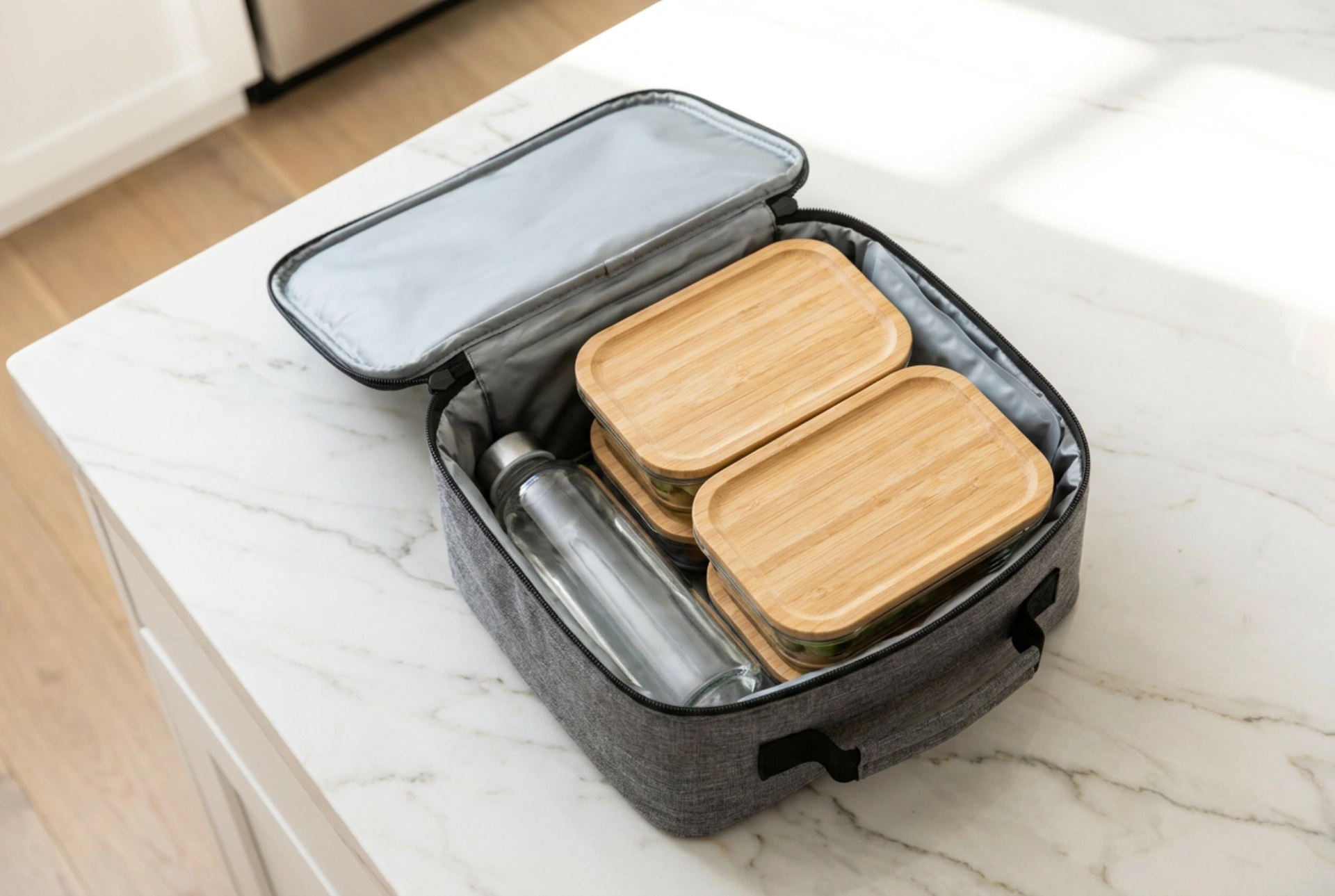
The speed at which a system changes temperature depends heavily on its total thermal mass. Air has low thermal mass and heats up quickly when exposed to external energy. Therefore, empty space inside your insulated bag is the enemy of temperature preservation. If you pack a half-empty bag, the large volume of air inside will circulate, accelerating the melting of ice packs and warming your food. To prevent this, always choose a bag size appropriate for your meal, or fill any remaining void with clean kitchen towels, crumpled parchment paper, or extra reusable bottles filled with chilled water. These fillers act as physical barriers that restrict air movement and increase the overall cold mass of the system.
The Role of Container Materials and Pre-Cooling
Before packing, the initial temperature of your gear is critical. Putting cold food into a warm insulated bag forces the food to absorb the bag's residual heat. Always pre-chill your empty thermal bag in the refrigerator or freezer for 15 to 30 minutes before use. Similarly, choose your food containers wisely based on material science. Glass containers have a higher specific heat capacity than plastic ones; they take longer to cool down, but once chilled, they retain their cold temperature for significantly longer, acting as additional thermal anchors. If you are packing hot food, use insulated stainless steel containers, and pre-heat them with boiling water for five minutes before adding your hot meal to ensure the heat is locked in from the start.
The Logical Order of Operations for Packing
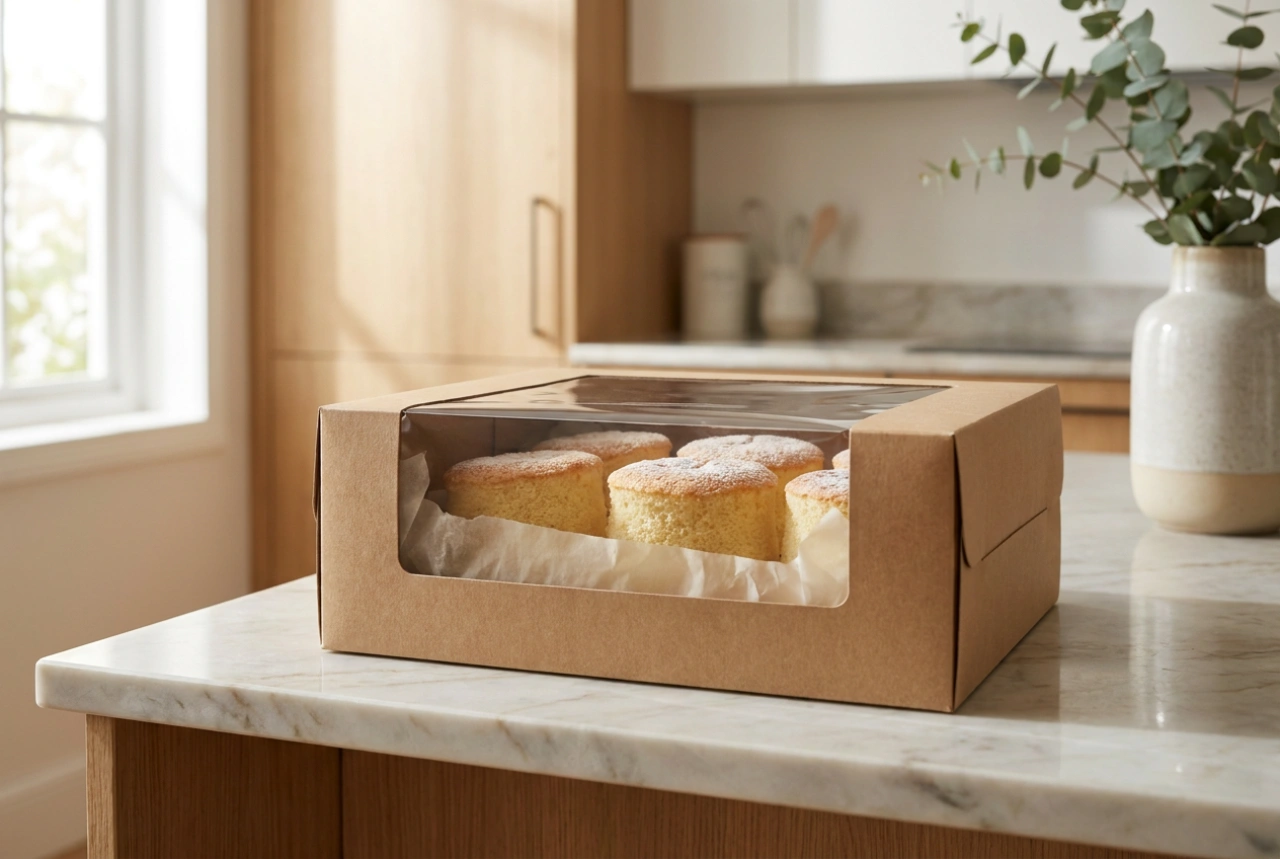
When assembling your insulated bag, follow a precise sequence of operations to ensure food safety and structural integrity. Start with a solid foundation by placing heavy, leak-proof glass or thick plastic containers at the base, directly above a bottom cold pack if you are using one. Next, stack lighter containers, separating raw items (like salads) from cooked foods. Always ensure that perishables requiring the lowest temperatures—such as dairy, meat, or seafood—are positioned closest to the primary cooling packs. Finally, place dry, delicate items like fruits or baked goods at the very top, protected from condensation by a thin barrier like a silicone sheet or a small cloth. Seal the bag immediately and limit the frequency of opening it, as every opening allows ambient air to disrupt the internal microclimate.