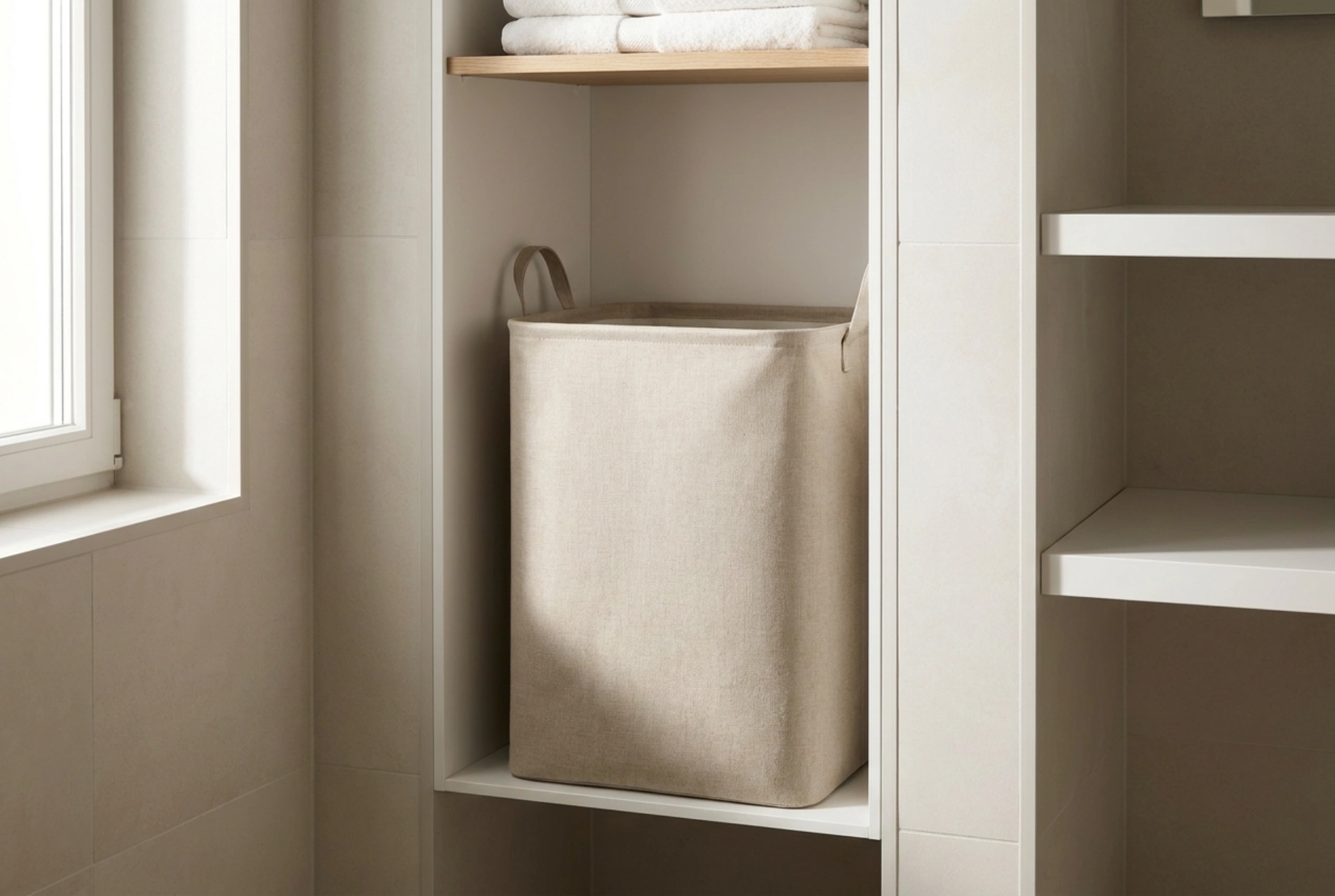


Awkward bathroom niches and tight gaps between appliances often end up as wasted, dusty zones, but they offer the perfect footprint for a narrow laundry basket. Choosing and placing the right container in these restricted spaces requires an understanding of airflow, material physics, and ergonomics to prevent moisture build-up and ensure effortless daily use.
The Physics of Confined Spaces: Preventing Mould and Mildew
Narrow alcoves and recesses in bathrooms are notorious for poor air circulation. When damp towels or worn garments are deposited into a tightly enclosed laundry basket within an unventilated niche, the relative humidity rises rapidly. This creates an ideal microclimate for the proliferation of fungal spores, specifically mould and mildew, which thrive in stagnant, humid air.
To mitigate this risk, physical spacing and material ventilation are critical. A narrow laundry basket should never seal the niche completely. Ensuring a minimum clearance of one to two centimetres on all sides allows convective air currents to flow around the container. Furthermore, the basket itself must feature breathable architecture. Perforated polymers, woven natural fibres, or wire mesh structures facilitate continuous air exchange, allowing moisture to evaporate rather than condensing on the interior walls of the niche or the fabrics themselves.
Material Science: Selecting the Ideal Substrate
The choice of material dictates both the longevity of the basket and the hygiene of the surrounding alcove. Different materials react uniquely to the high-humidity environment of a bathroom:
- Synthetic Polymers: High-density polyethylene or polypropylene resists moisture absorption entirely. They are non-porous, making them exceptionally easy to sanitise with dilute oxygen bleach or simple surfactant solutions. However, they require molded ventilation slots to prevent internal air stagnation.
- Natural Fibres: Woven materials like linen, cotton, or bamboo provide excellent natural breathability. However, organic fibres are hygroscopic—they absorb moisture from the air and damp clothing. If used in a tight niche, they must be paired with a removable, machine-washable inner liner that can be regularly laundered at 60°C to kill fungal spores.
- Corrosion-Resistant Metals: Powder-coated steel or aluminium wire baskets offer maximum structural integrity with minimal surface area, ensuring peak airflow. It is vital to ensure any metal components are treated to prevent oxidation, which can permanently stain textiles.
Ergonomics and Mechanical Functionality
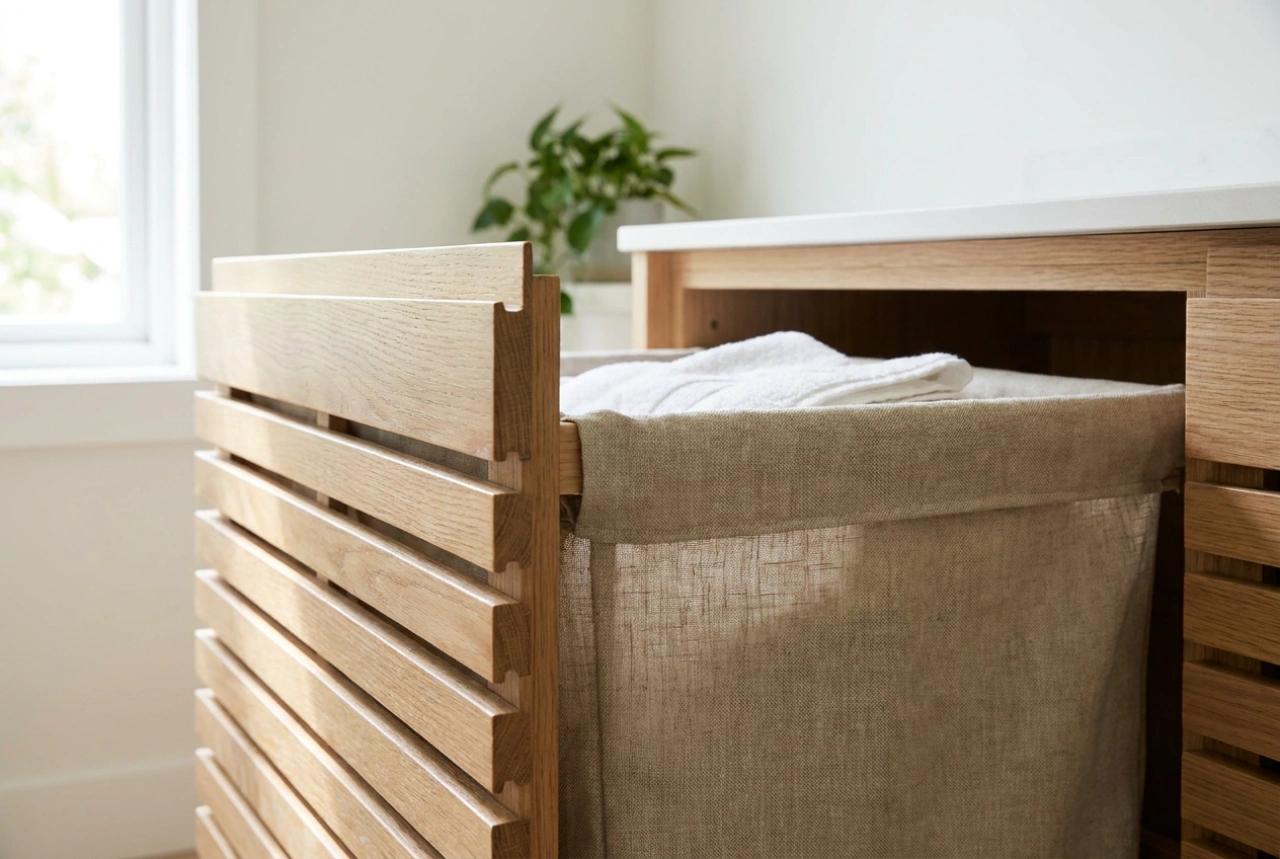
Retrieving laundry from a deep, narrow recess presents physical challenges. Standard top-loading bins are impractical if the niche has low overhead clearance, such as under a vanity or a wall-mounted boiler. In these scenarios, front-tilt mechanisms or slide-out runners are highly efficient.
A pull-out system utilising heavy-duty drawer runners mounted to the base of the niche allows the basket to slide smoothly into the open room, providing full access without requiring awkward bending or lifting. If using a free-standing narrow bin, choosing a model equipped with multi-directional castors reduces friction against the floor and side walls, preventing wear on both the basket and the surrounding cabinetry. When pulling the basket, the kinetic force should be distributed evenly along the handle to prevent tipping, which is a common issue with tall, narrow containers with a high centre of gravity.
The Sanitation and Maintenance Protocol
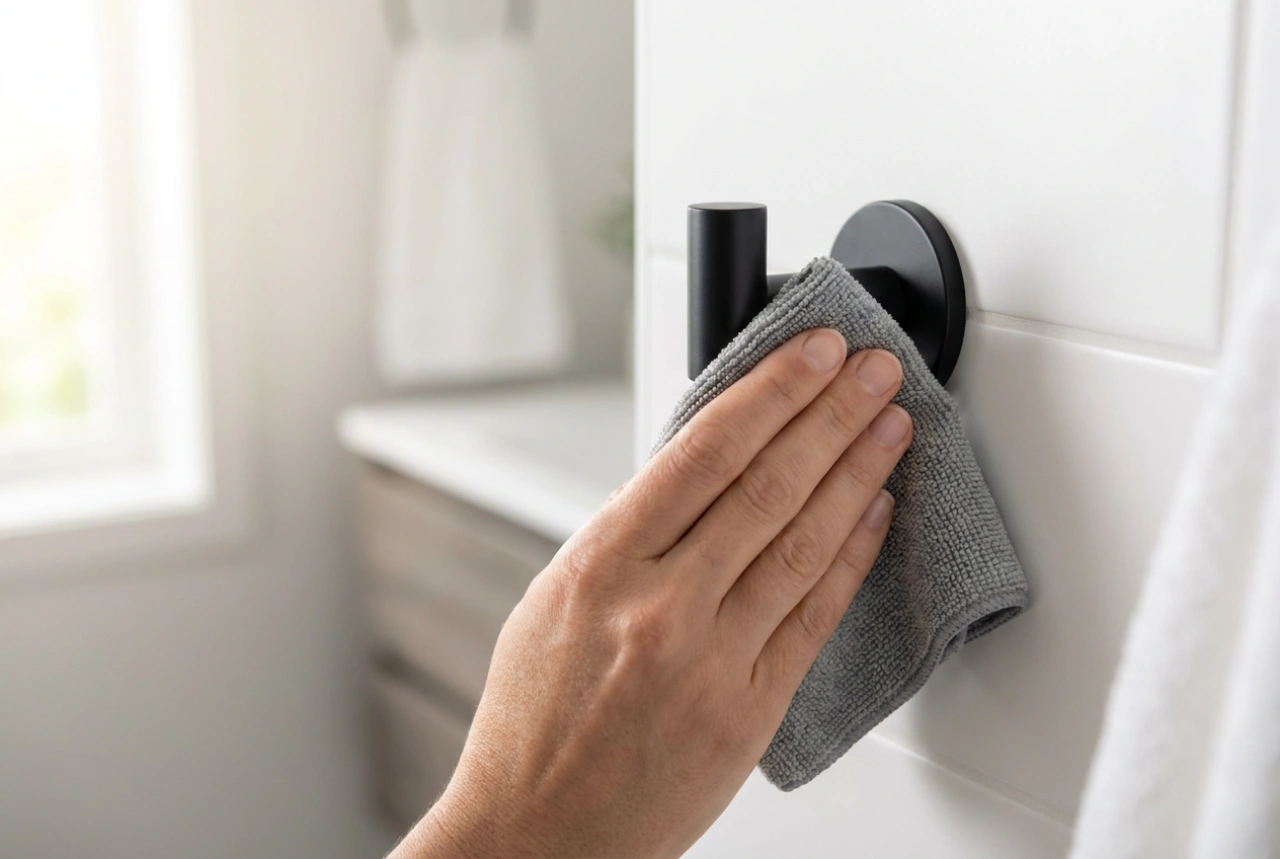
An effective maintenance routine prevents odour accumulation and material degradation in enclosed spaces. Every two weeks, the narrow niche should be completely cleared and wiped down with an antimicrobial solution to eliminate accumulated dust and spores. The basket's removable fabric liner should be washed at a minimum temperature of 60°C using an oxygen-based bleaching agent to break down organic proteins and neutralise bacteria. For solid plastic or metal baskets, a thorough wipe-down with a microfiber cloth damp with a generic disinfectant ensures the surfaces remain sterile and free from biofilm build-up.