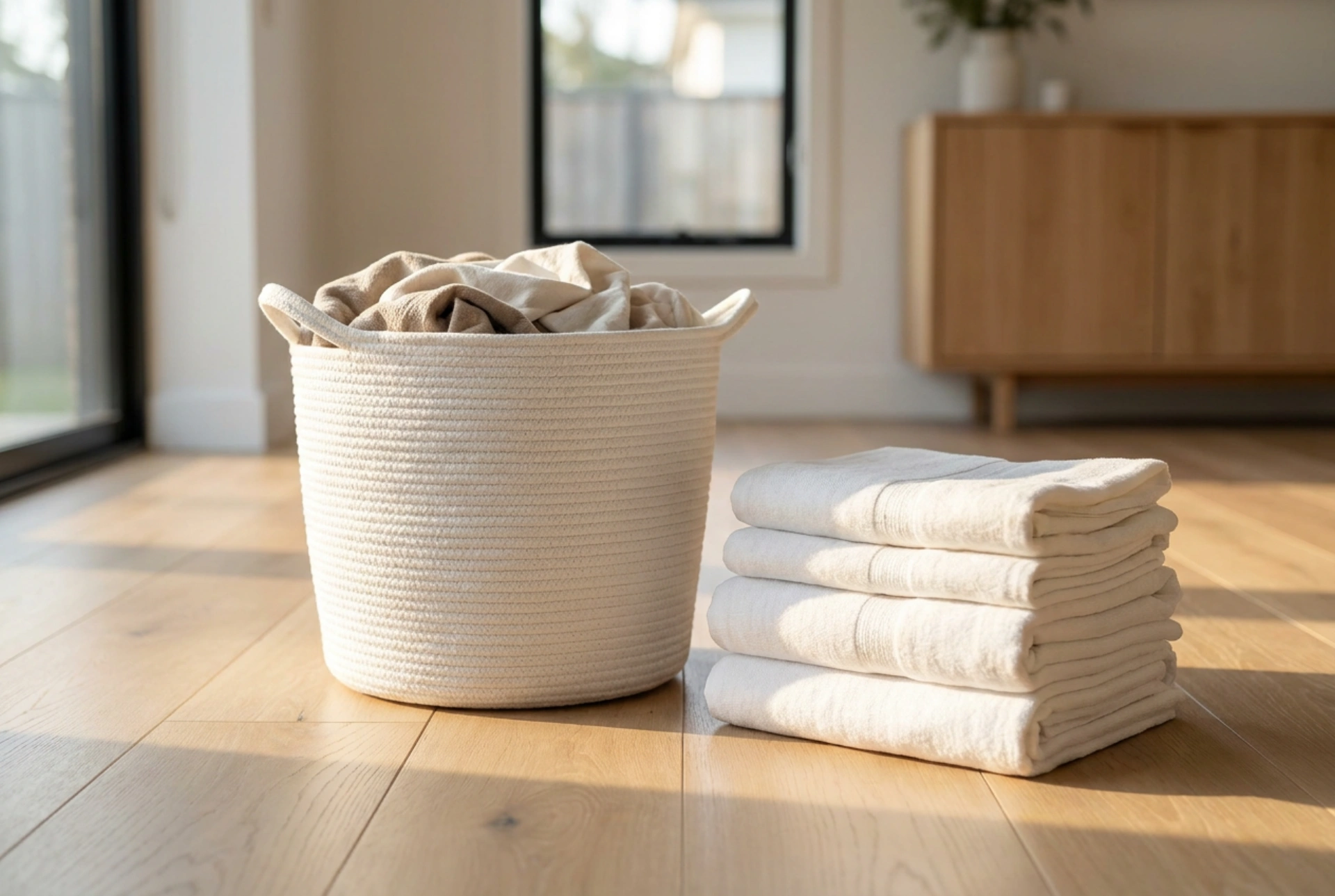


A white wicker laundry basket is a stylish storage solution, but keeping its textured, porous surface free from dust, mold, and yellowing requires specific material-based care.
The physics of wicker and the threat of moisture
Wicker is typically made from natural materials like willow, rattan, or reed. These organic fibers are highly hygroscopic, meaning they readily absorb moisture from the surrounding air and from damp laundry. When wet clothes sit inside a wicker basket, the lack of airflow combined with trapped moisture creates an ideal breeding ground for mold and mildew. Over time, these fungi digest the organic cellulose in the fibers, leading to structural weakening, musty odors, and dark stains that are incredibly difficult to remove from white finishes.
Furthermore, white-painted or stained wicker is susceptible to photolytic degradation. Exposure to direct sunlight breaks down the chemical bonds in the paint and the underlying lignin in the wood, causing the basket to turn an unsightly yellow. Protecting your basket requires a balance of humidity control, physical protection, and correct cleaning chemistry.
Preventative measures: Liners and placement
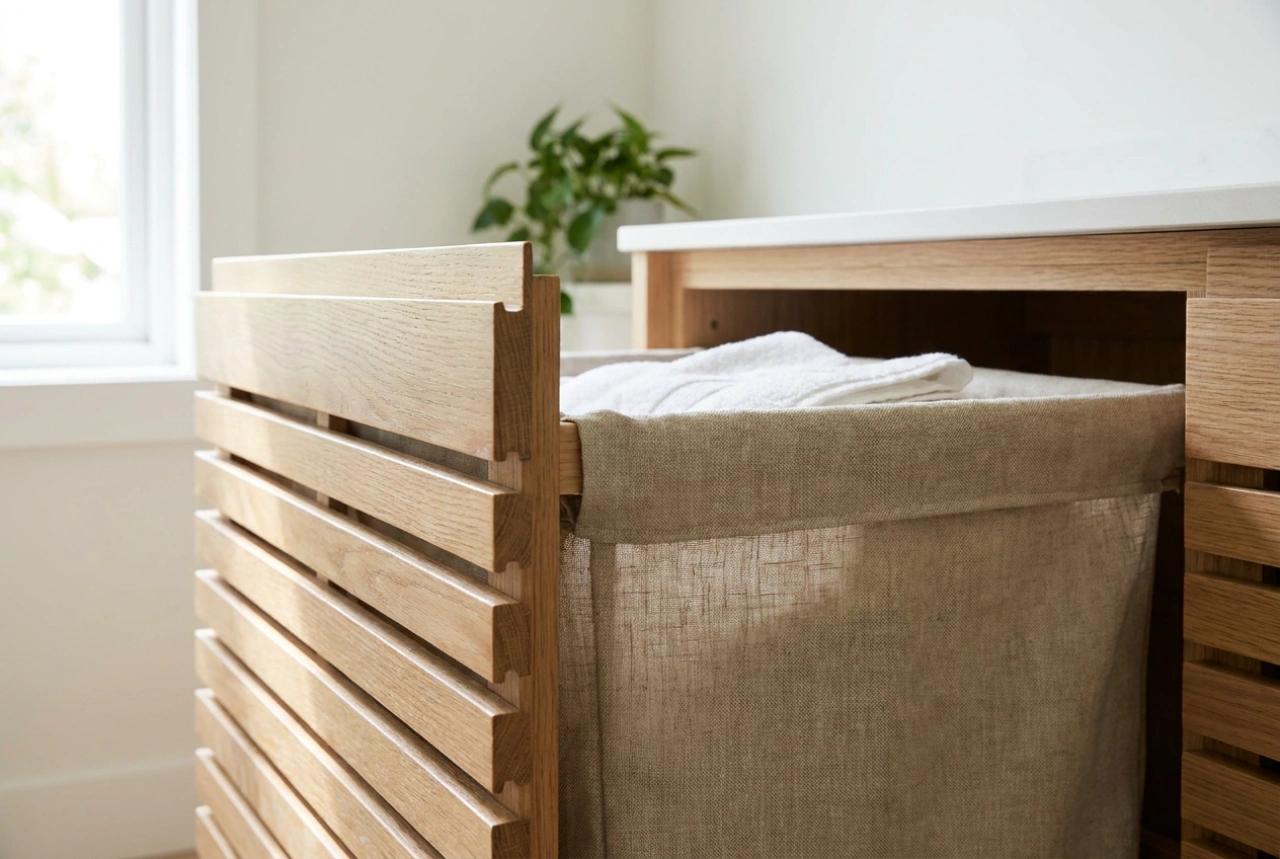
The most effective way to protect a white wicker basket is to prevent direct contact with dirty, damp laundry. Always use a removable, machine-washable cotton or linen liner. This fabric barrier acts as a sacrificial layer, absorbing oils, sweat, and moisture from your clothes before they can penetrate the porous wicker fibers. Wash the liner regularly at high temperatures to kill any bacterial buildup.
Additionally, placement is critical. Avoid storing your wicker laundry basket directly inside a damp, unventilated bathroom. Position it in a well-ventilated area, slightly elevated off the floor if possible, to encourage multidirectional airflow through the weave.
The correct cleaning chemistry for white wicker
When cleaning white wicker, you must avoid harsh chlorine bleach and excess water, both of which degrade the natural fibers and strip the protective white finish. Instead, utilize mild oxidation and physical action.
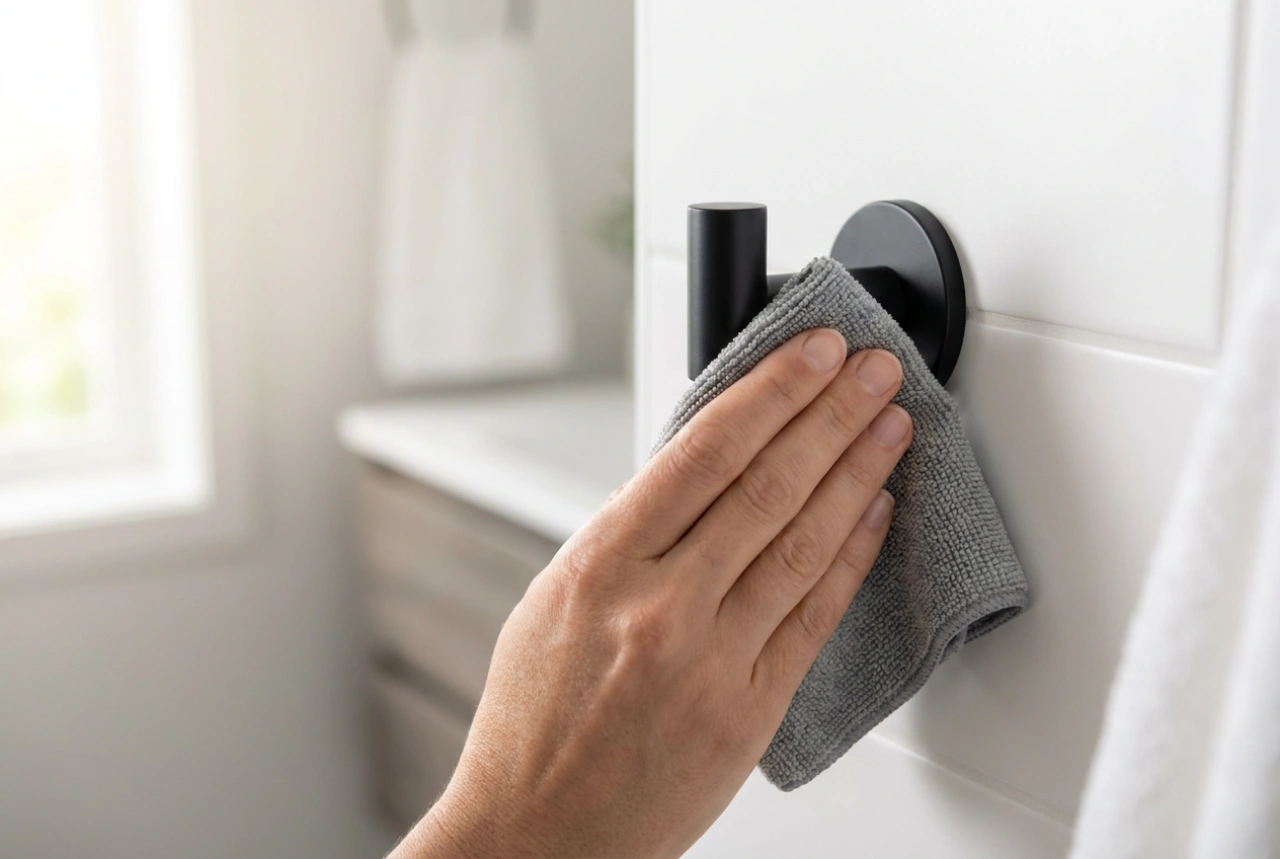
- Dust removal: Before applying any liquid, use a vacuum cleaner with a soft brush attachment to draw dust and loose debris out of the deep crevices of the weave. Wipe down the surface with a dry microfiber cloth.
- Gentle cleaning solution: Mix one tablespoon of mild dish soap or vegetable-based liquid soap into a liter of warm water. For white wicker that needs brightening, add two tablespoons of oxygen bleach (sodium percarbonate). This compound releases hydrogen peroxide in water, which lifts organic stains and sanitizes without breaking down the wood fibers.
- Minimal moisture application: Never submerge wicker. Dip a soft-bristled brush or a microfiber cloth into the solution, wring it out thoroughly until it is barely damp, and gently scrub the basket in the direction of the weave.
- Drying protocol: Wipe away any soap residue with a clean cloth dampened with plain water. Dry the basket immediately with a towel, and place it in a well-ventilated, shaded area to air-dry completely. Do not put laundry back into the basket until the wicker is bone-dry to prevent mold germination.