

Storing soiled laundry in integrated cabinets requires a precise balance of ventilation, material selection, and airflow management to prevent moisture build-up and bacterial growth.
The Physics of Damp Laundry and Closed Spaces
When damp towels or worn garments are placed inside a closed cabinet, they release moisture into the air. In an unventilated space, the relative humidity rapidly rises toward 100%. This warm, humid microclimate triggers the germination of mold spores and accelerates the proliferation of bacteria that break down sweat into volatile organic compounds, causing sour odors. To halt this process, the cabinet must facilitate continuous air exchange, allowing moisture to evaporate and escape before it can settle into the fibers or cabinet walls.
Selecting the Right Basket Material
The choice of laundry insert determines how freely air can circulate through the stored textiles. Different materials interact with humidity in distinct ways:
- Wire and Metal Mesh: Powder-coated steel or aluminum baskets offer maximum airflow. The open grid design allows air to pass through from all sides, preventing localized humidity pockets. However, fine fabrics can catch on wire joints, so look for smooth, seamless welds.
- Perforated Synthetic Liners: High-density polyethylene inserts with engineered ventilation holes are highly durable and completely resistant to moisture absorption. They are easy to sanitize and wash, making them ideal for heavily soiled or damp sportswear.
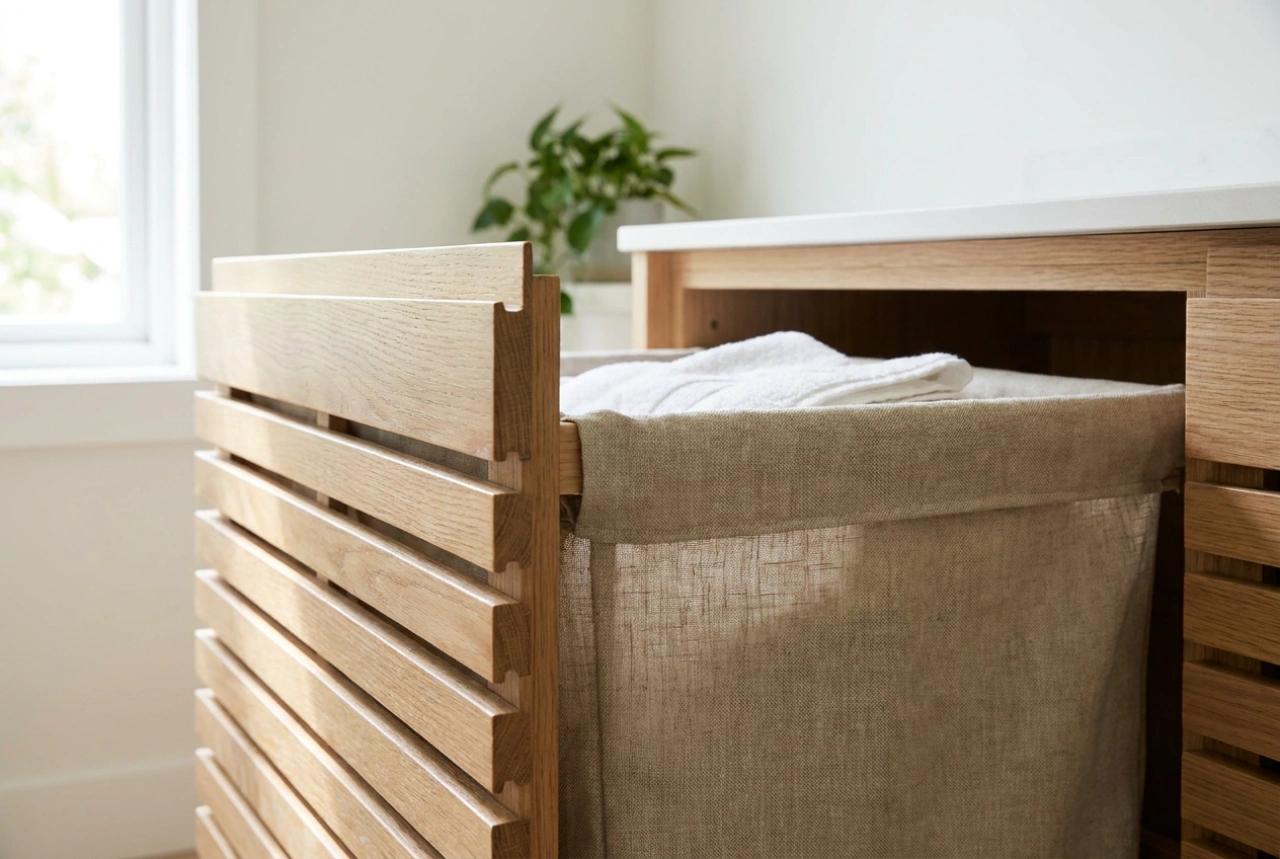
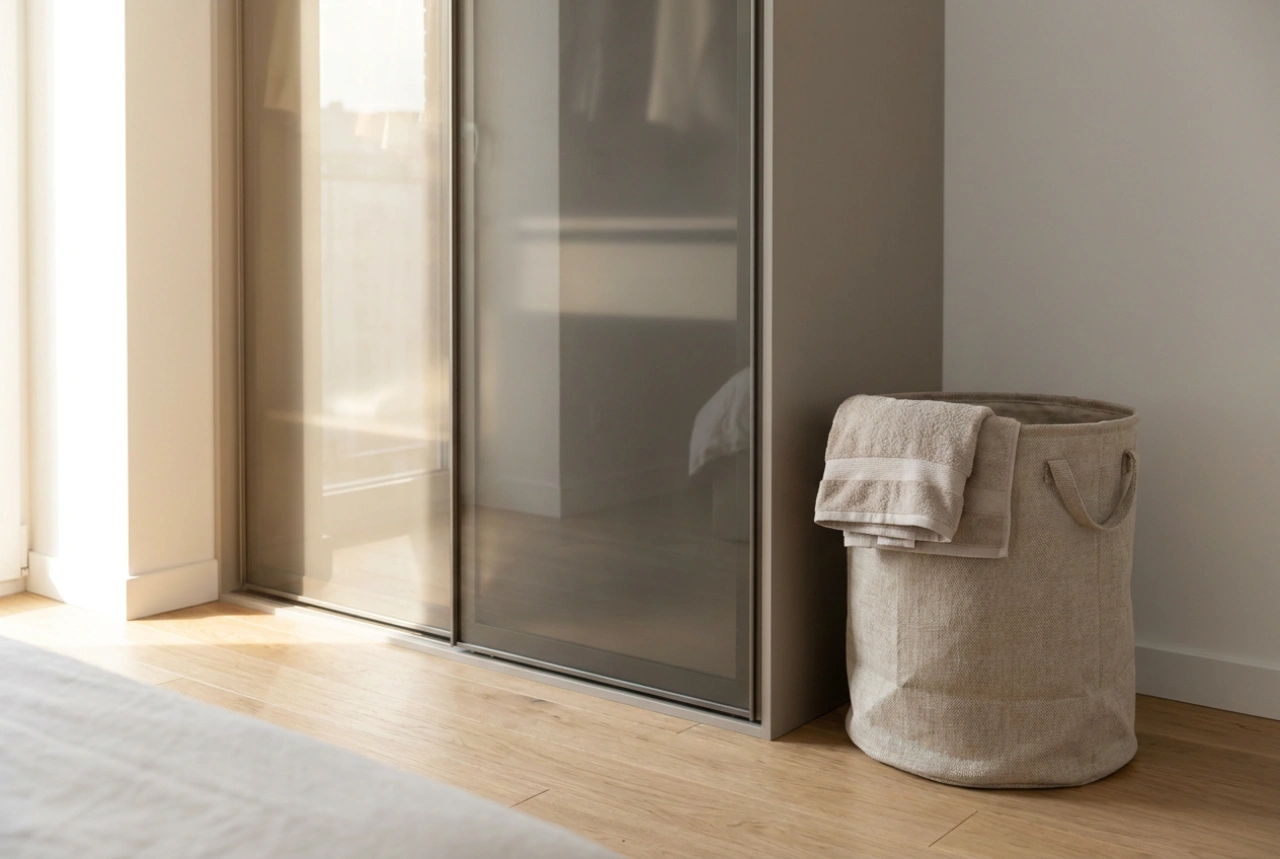
- Natural Fibers and Linens: Cotton, linen, or canvas liners are highly breathable and naturally absorb a small amount of ambient moisture, which then evaporates. However, they must be regularly laundered to prevent mold spores from colonizing the textile weave itself.
Optimizing Cabinet Airflow and Construction
An effective built-in laundry storage system relies on structural design features that promote passive ventilation. Standard solid cabinet doors trap air, whereas specialized fronts encourage continuous airflow. Slatted doors, louvers, or decorative perforated panels allow air to flow horizontally through the front of the cabinet. Additionally, leaving a clearance gap of at least five centimeters at the back of the cabinet unit allows warmer, moist air to rise and escape through the top rear, utilizing natural convection currents.
Order of Operations for Odor-Free Storage
Proper storage habits are just as important as the physical cabinet design. Implementing a disciplined routine prevents odor issues from developing in the first place:
1. The Pre-Drying Phase
Never place saturated items directly into a closed hamper. Hang wet bath towels, bathmats, or sweat-soaked workout clothes over a drying rail or the edge of the tub until they are dry to the touch before transferring them to the cabinet.
2. Sorting by Fiber Type
Keep heavy, moisture-retaining items like denim and thick cotton separate from lightweight synthetics. Mixing damp, heavy fabrics with delicate synthetics creates localized moisture traps that delay drying times for all items in the basket.
3. Regular Cleaning Protocols
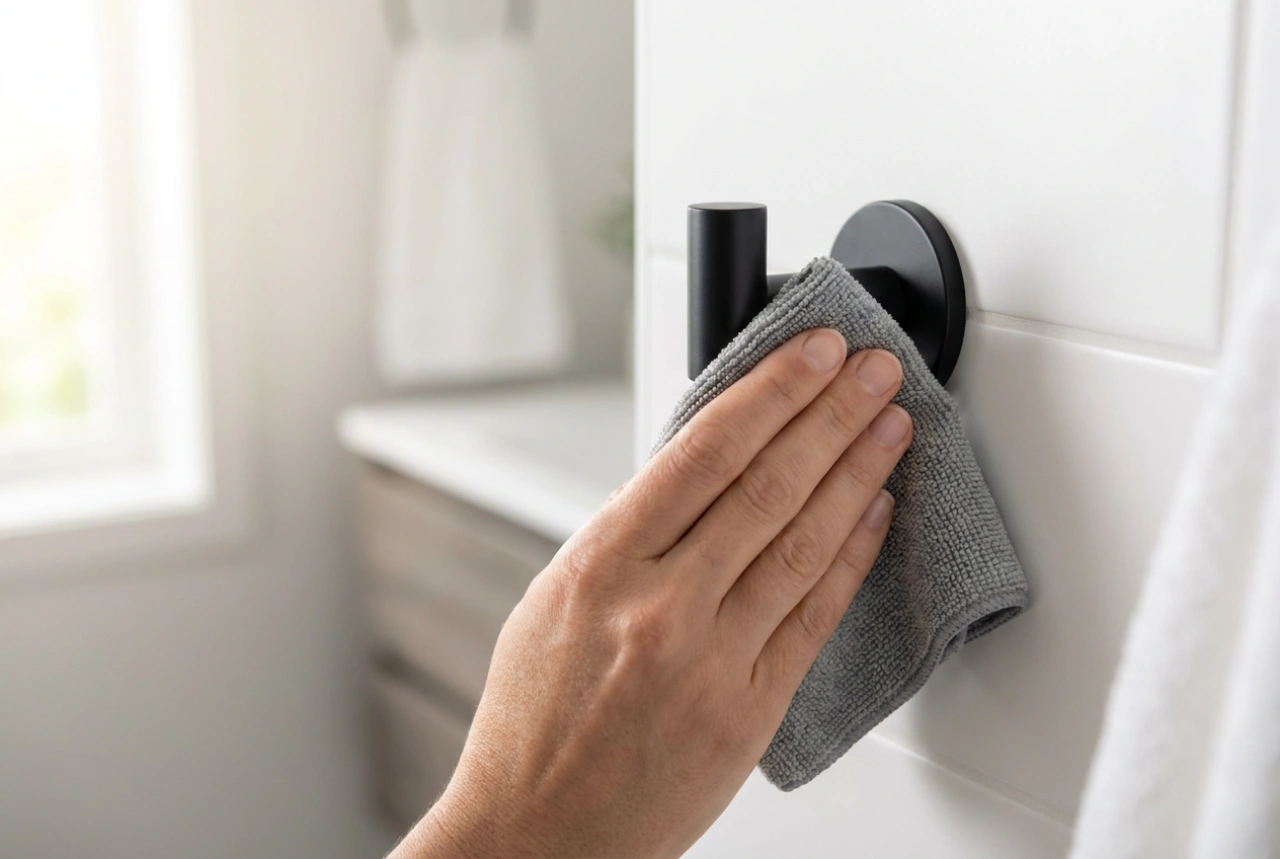
Every two weeks, empty the cabinet completely and wipe down the interior surfaces with a diluted solution of oxygen bleach or a mild disinfectant. Leave the cabinet doors fully open for several hours to allow the structural timber or laminate to dry completely, neutralizing any latent mold spores.