

Improperly stored vacuum sealer bags can develop permanent creases, micro-punctures, and static cling, which compromise the airtight seal required for long-term food preservation.
The Physics of Vacuum Bags and Why Creases Fail
Vacuum sealer bags are typically made of multi-layer co-extruded polymers, combining polyamide (nylon) for strength and oxygen barrier properties with polyethylene (PE) for moisture resistance and heat-sealability. When these structured plastics are folded, bent, or compressed under weight, the polymer chains experience localized stress. This stress can lead to micro-fractures in the nylon barrier or cause permanent deformations. During the vacuum process, even a microscopic crease acts as a channel that resists flat compression, allowing tiny pathways for air to re-enter the sealed bag over time.
Optimal Storage Methods for Roll and Cut Bags
To preserve the structural integrity of your vacuum packaging materials, you must control how they are physically supported in your kitchen storage areas.
- Horizontal Rolling on Tension Rods: For continuous rolls, installing small, spring-loaded tension rods inside a shallow drawer or cabinet is highly effective. By threading the roll onto the rod, the plastic remains suspended, eliminating flat pressure points and preventing the roll from unraveling or flattening under its own weight.
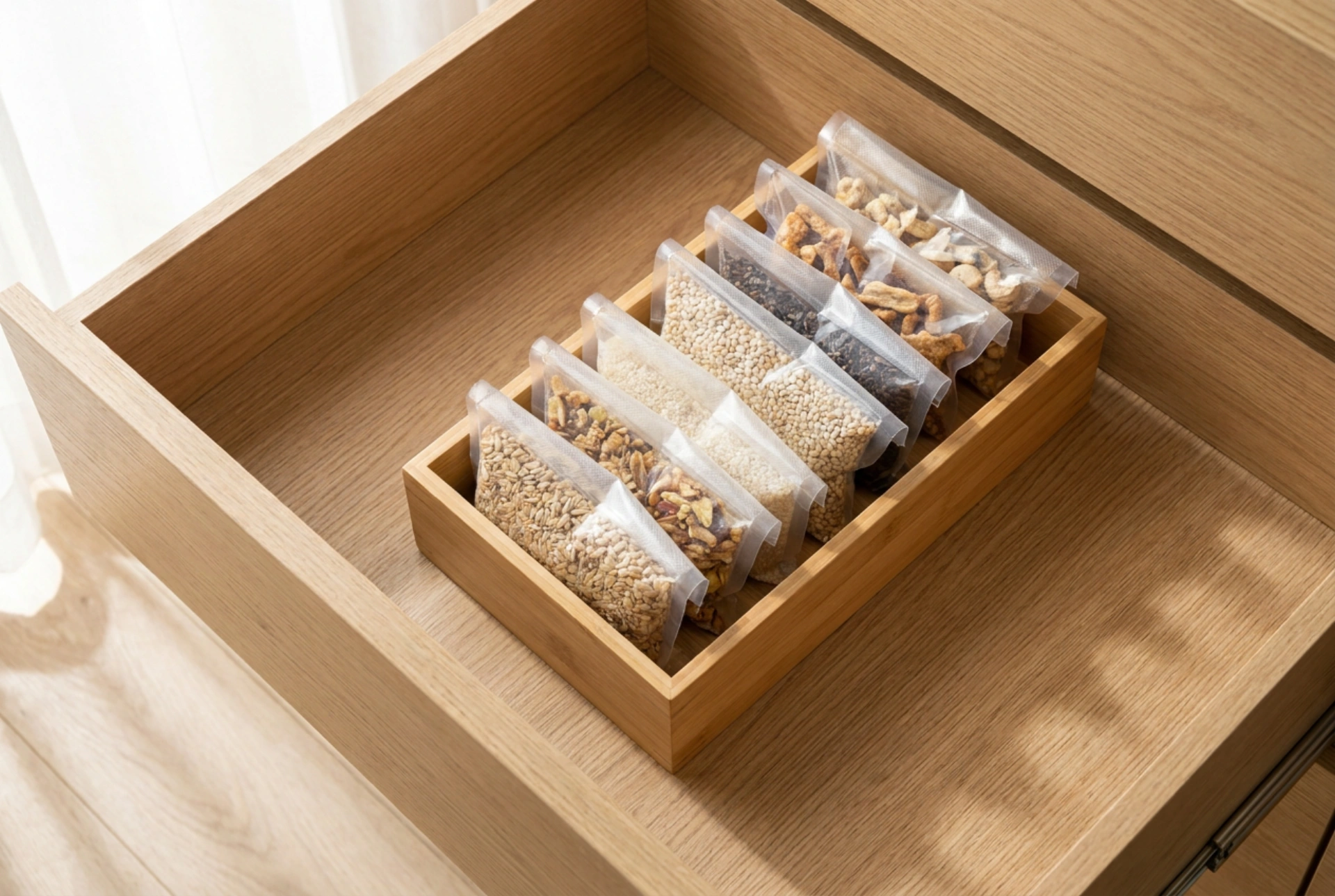
- Rigid Vertical Dividers for Pre-Cut Bags: Pre-cut bags should never be stacked loosely in deep drawers where they can slide and crumple. Use slim bamboo or plastic tray dividers to store them vertically, similar to files in a cabinet. This keeps them flat, organized by size, and easily accessible without putting crushing weight on the bottom layers.
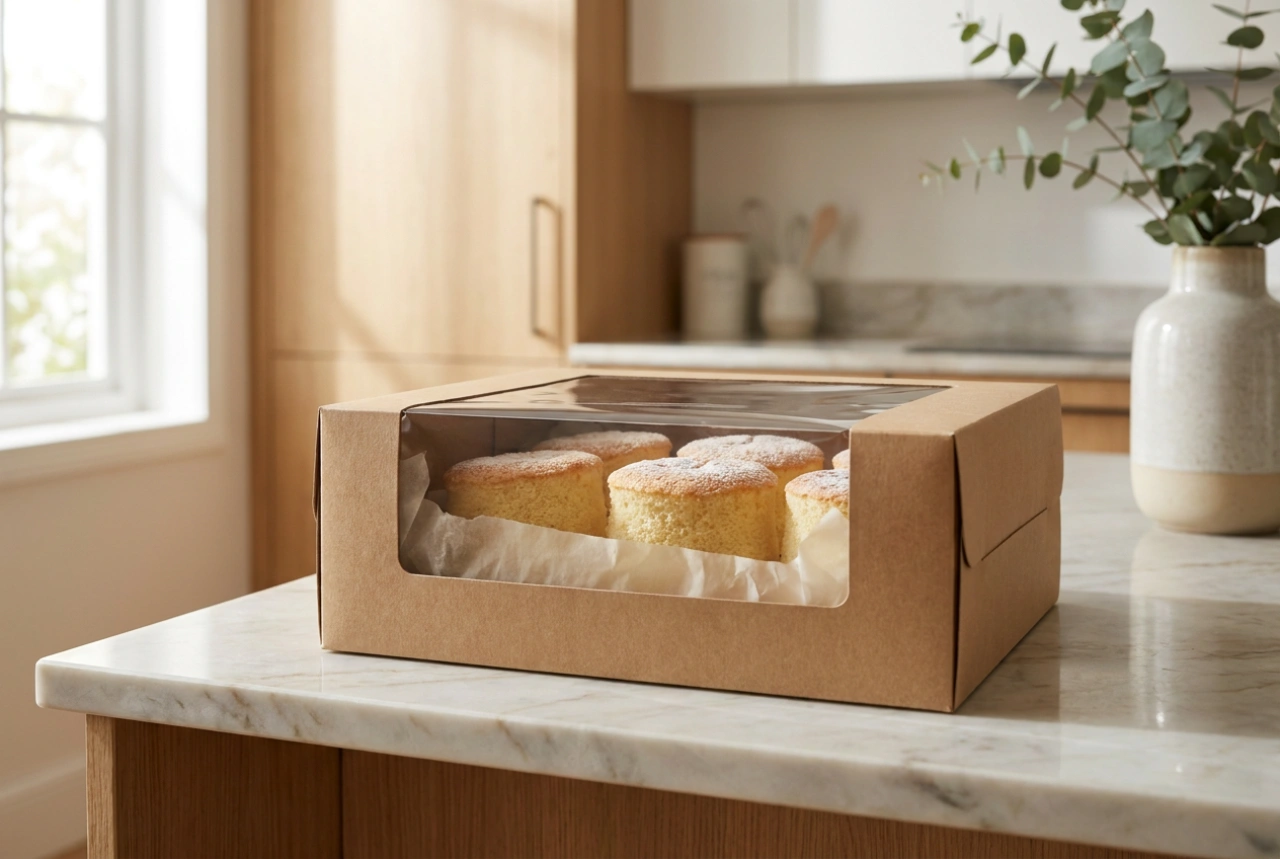
- Dedicated Dispenser Boxes: If drawer space is limited, repurpose shallow, rigid cardboard or plastic dispenser boxes. Pulling the bags through a narrow slot keeps the remaining material flat and shielded from dust, grease, and accidental folding.
Environmental Factors: Temperature and Static Control
The materials used in vacuum bags are sensitive to environmental conditions, which can alter their physical properties and make storage more difficult.
Managing Temperature and Humidity
Avoid storing your vacuum bags directly above the oven, stove, or near heat-emitting appliances like refrigerators. Excessive heat softens the polyethylene layer, making the bags prone to sticking together (blocking). Conversely, extreme cold can make the polyamide layer brittle and more susceptible to cracking when handled. A cool, dry pantry or utility drawer maintains the ideal polymer flexibility.
Combating Static Cling
Plastics are excellent electrical insulators and easily accumulate static charges, especially in dry environments. Static electricity causes bags to attract kitchen dust and cling to one another, making single-bag extraction difficult. To minimize static, store bags in wooden, bamboo, or cardboard organizers rather than purely synthetic plastic bins, which can amplify static build-up through friction.
Pre-Storage Inspection and Handling Techniques
Before putting your bags away, ensure your hands are dry and free of cooking oils, as surface contaminants can degrade the sealing surface over time. When retrieving a bag, always pull from the center rather than pinching and dragging the corners, which can introduce localized bending. Inspect older stock periodically; if a roll has developed a heavy flat spot from improper storage, trim away the affected section before sealing to guarantee a reliable, airtight vacuum cycle.