

Steam-ironing is the fastest way to relax wrinkled fibers, but incorrect technique often leaves unsightly wet spots that ruin the look and delay wear. Understanding the physics of condensation and steam pressure allows you to achieve a dry, crisp finish every time.
The physics of steam condensation on fabrics
When hot, vaporized water meets cool fabric, it undergoes a rapid phase transition back into a liquid state. If the temperature differential between the steam head, the surrounding air, and the garment is too high, the vapor condenses instantly on the surface rather than penetrating the fibers. This results in localized water pooling, commonly known as wet spots. To prevent this, the garment must be heated gradually by the steam itself, and the steam plate must remain clean and preheated. Any mineral buildup inside the heating element can also spit droplets of water instead of pure vapor, making regular maintenance essential for dry steam production.
Preheating and vertical tension techniques
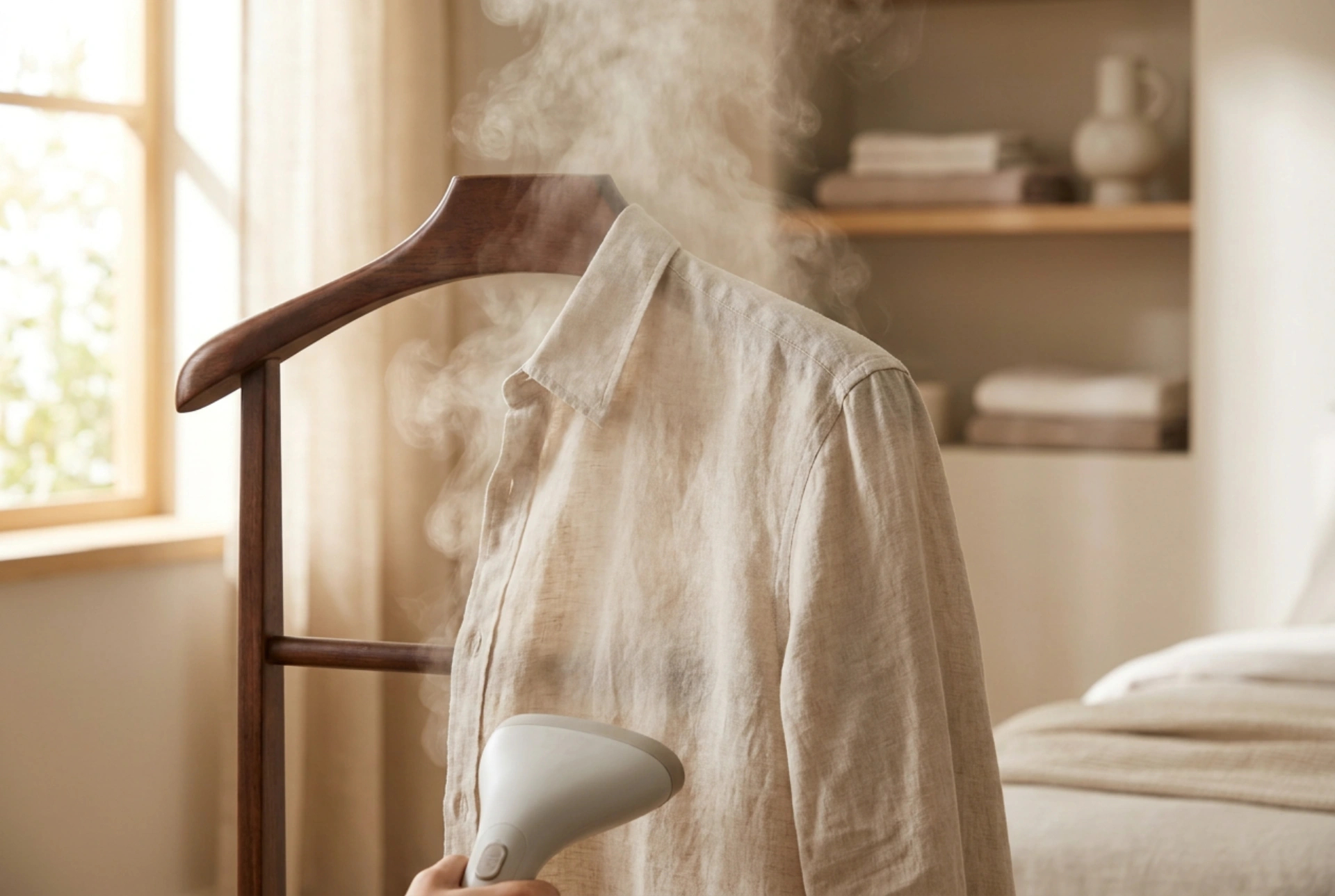
Success starts before the steam head touches the fabric. Always allow your appliance to reach its maximum operating temperature before positioning it near your clothing. Many modern units indicate readiness, but it is best to purge the first burst of steam into the air or onto a towel to clear any condensed droplets remaining in the nozzle channels. When you begin, hold the hem of the garment taut to create vertical tension. This opens up the weave of the fabric, allowing the hot vapor to pass through the material rather than condensing on the outer surface. Work from the top of the garment downward, utilizing gravity to pull down the relaxed fibers.
Adjusting distance and angle for different fibers
Direct contact is not always optimal. For delicate silks, synthetics, and wool blends, keep the steam nozzle approximately one to two inches away from the surface. The heat will still relax the fiber bonds without transferring liquid water. For heavy cottons and linens, you can apply the metal plate directly to the fabric, but only if you use a continuous, fluid downward motion. Pausing in one spot traps the moisture and guarantees a wet patch. Additionally, always hold the steam head at a slight angle rather than perfectly flat against the garment. This design tilt allows any condensation on the nozzle plate to run back into the heating chamber rather than dripping onto your clothes.
Managing internal moisture and airflow
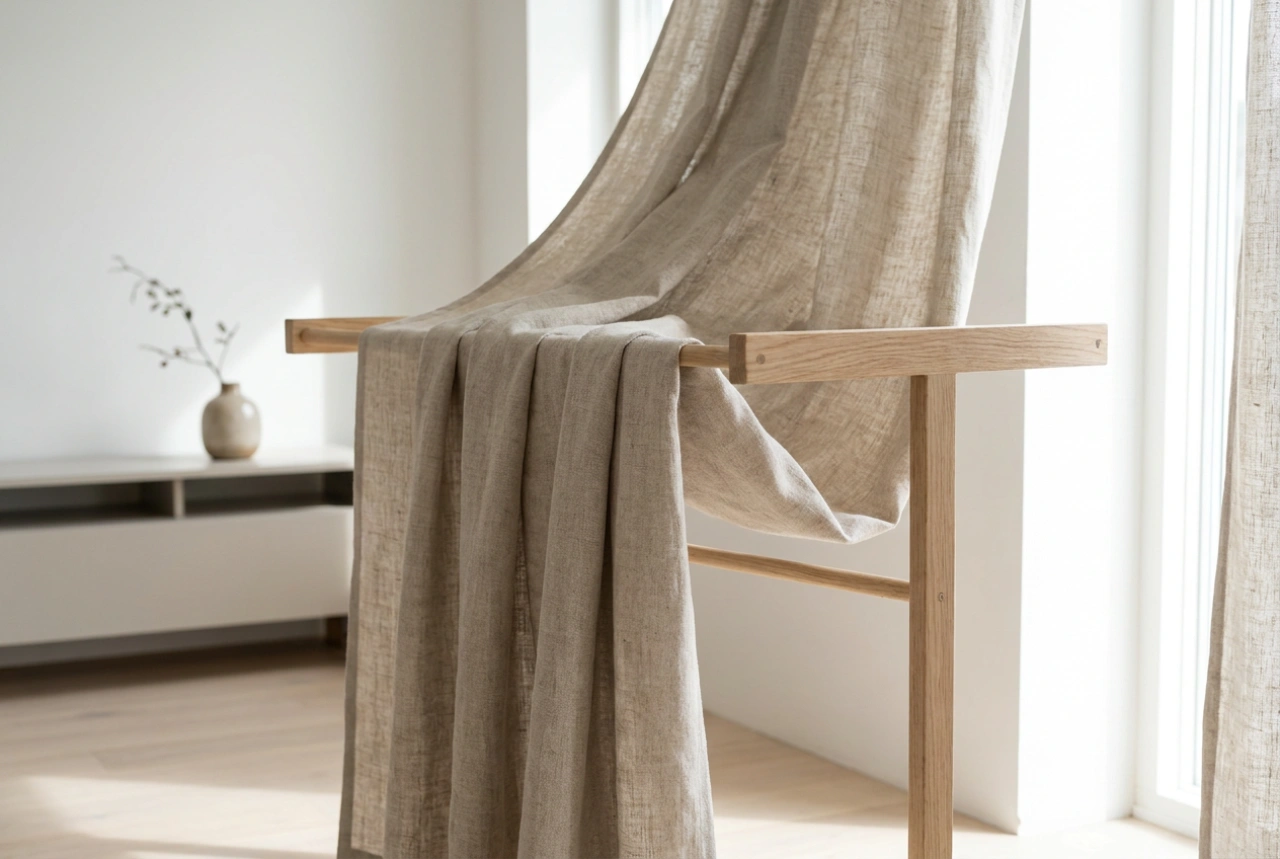
Where you hang your clothes during the process matters. Steaming a garment pressed flat against a solid wall or a non-porous door traps the escaping steam, forcing it back into the fabric as liquid water. Always hang the item on a freestanding valet stand or a door hook that allows air to circulate freely through both sides of the material. After steaming, do not put the garment directly into a wardrobe or wear it immediately. The fibers still retain a small amount of residual warm moisture; allow the item to hang in a well-ventilated room for five to ten minutes to dry completely and set the smooth finish.