

Cleaning floor grout effectively requires understanding its porous, mineral-based structure to dissolve stubborn dirt without stripping the pigments or eroding the binder.
The Chemistry of Grout and Why Pigment Fades
Grout is primarily a mixture of cement, sand, and water. Because it is highly porous, it acts like a sponge, absorbing dirty mop water, grease, and microscopic organic matter. When choosing a cleaning agent, the goal is to break the chemical bonds of the dirt without reacting with the calcium carbonate in the cement or the synthetic pigments used to color it. Acidic cleaners with a low pH (such as strong vinegar or citric acid) dissolve calcium, which weakens the grout structure over time and causes colored grout to fade or turn patchy. Highly alkaline solutions like chlorine bleach can also degrade the pigments and compromise the polymer additives that keep the grout flexible.
The Oxygen Bleach Method: Safe and Effective
For colored and delicate grouts, oxygen bleach (sodium percarbonate) is the safest chemical tool. When dissolved in warm water, it breaks down into hydrogen peroxide and sodium carbonate. This reaction releases active oxygen bubbles that physically lift organic stains and grime out of the porous grout matrix without bleaching out the synthetic pigments.
- Preparation: Dissolve two tablespoons of oxygen bleach powder in one liter of warm water (approximately 40 degrees Celsius to accelerate the reaction).
- Application: Pour the solution directly onto the grout lines. Ensure the liquid pools slightly in the joints so it can penetrate deeply.
- Dwell Time: Leave the solution to react for 15 to 20 minutes. You will see small bubbles forming as the oxygen works to loosen the dirt.
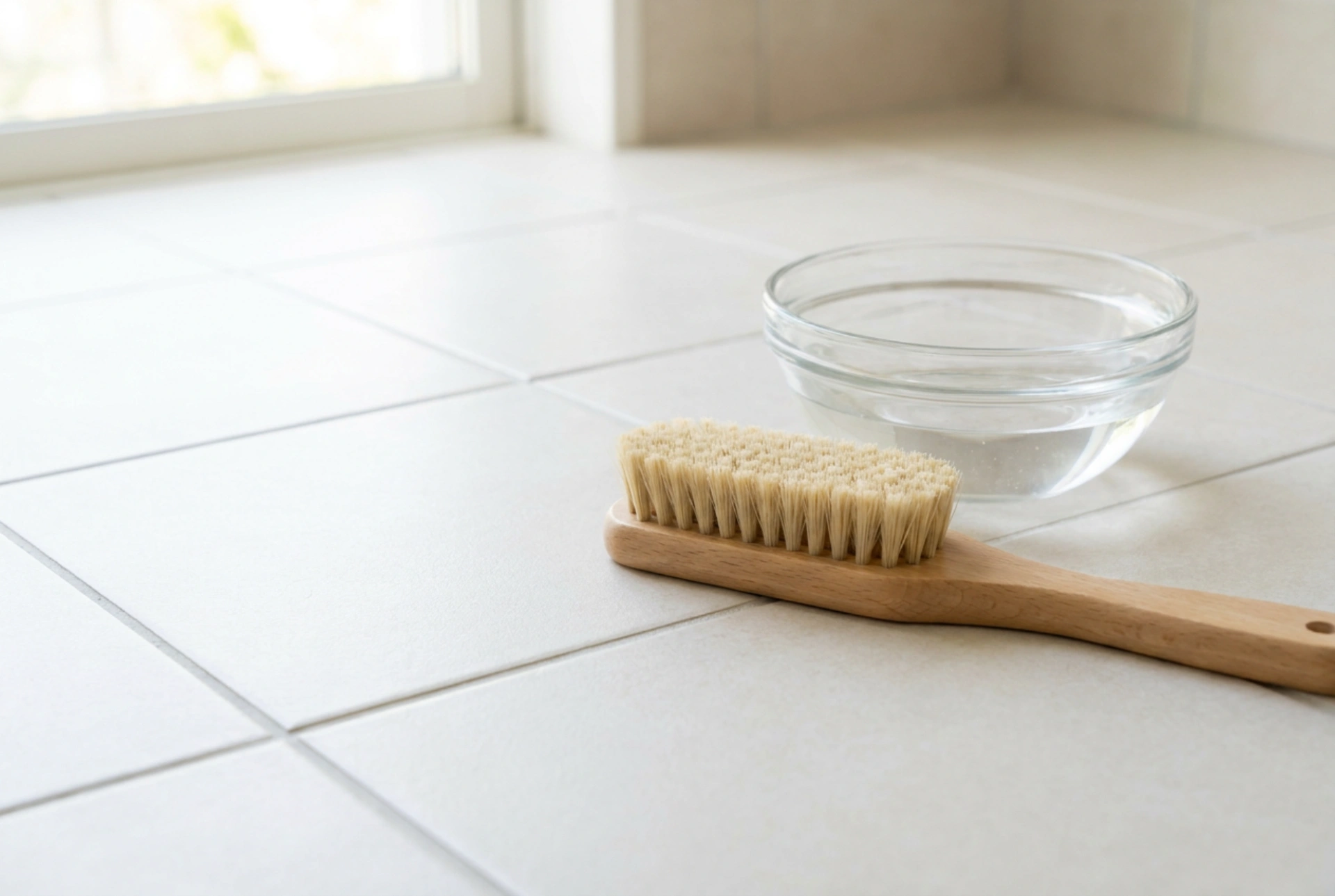
- Agitation: Use a brush with medium-soft nylon bristles. Hard wire or stiff plastic brushes can scratch the tiles and scrape away the grout surface. Scrub in small circular motions to dislodge the dirt from the microscopic crevices.
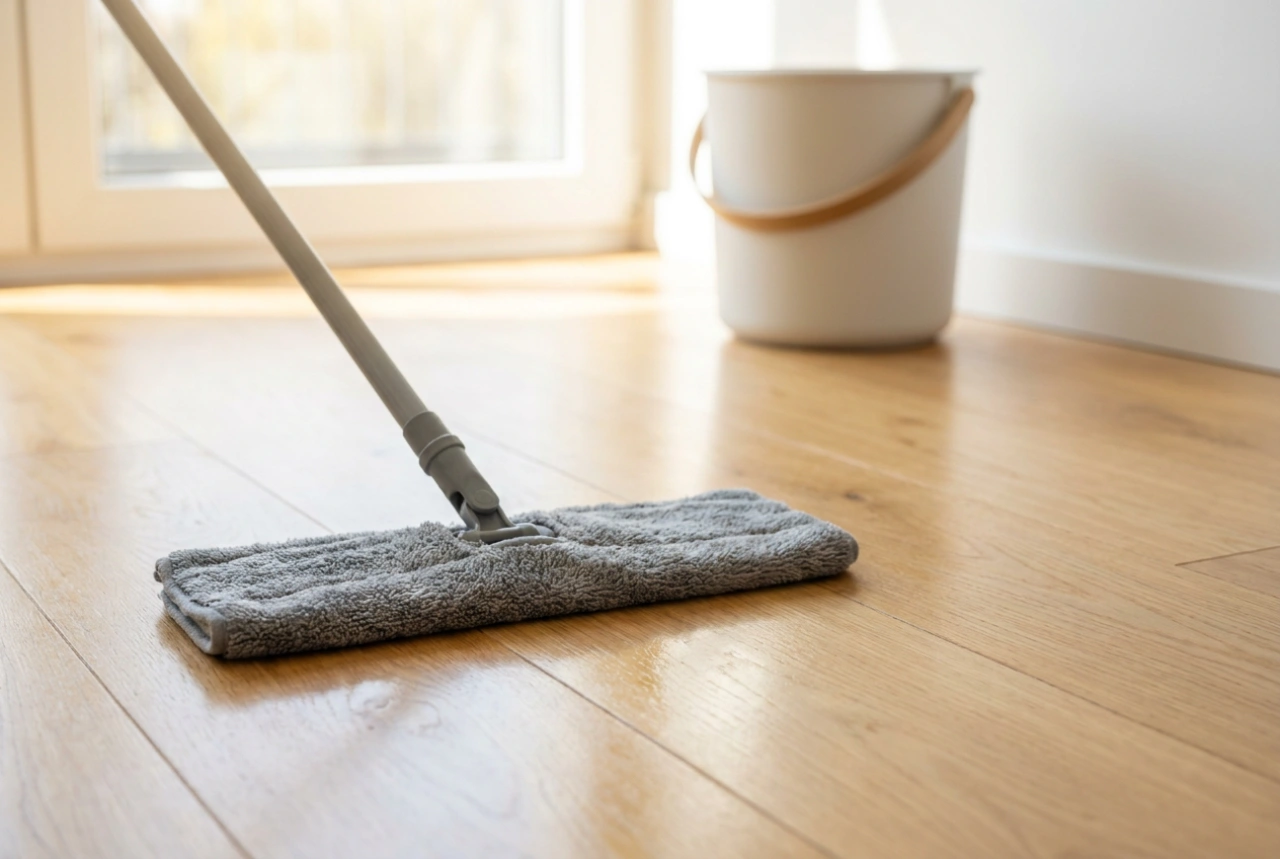
- Rinsing: Wipe up the dirty slurry immediately with a microfiber cloth and rinse the area thoroughly with clean water to prevent the lifted dirt from settling back into the pores.
The Mechanical Action and Heat Approach
When chemical agents are not preferred, physical thermal energy can release bonded grease. Steam cleaning utilizes high-temperature water vapor to melt grease and loosen dirt embedded in the grout pores. The heat reduces the viscosity of oils, allowing them to be easily wiped away. When using a steam cleaner, direct the steam nozzle along the grout lines at a consistent speed. Avoid holding the steam in one spot for too long, as extreme thermal expansion can occasionally stress the tile adhesive underneath. Immediately follow the steam path with a dry microfiber cloth to absorb the emulsified grime before it cools and re-solidifies.
Post-Cleaning Preservation and Maintenance
Once the grout is clean and completely dry, applying a penetrating sealer is the most effective way to prevent future discoloration. Penetrating sealers use fluoropolymer or silicone technology to coat the interior pores of the grout, making them hydrophobic. This prevents water, oils, and dirt from penetrating the surface, keeping contaminants on the exterior where they can be easily wiped away during regular maintenance. Reapply the sealer annually to maintain this protective barrier.