

Achieving a crystal-clear, streak-free finish on glass surfaces using a window vacuum requires a precise combination of surface chemistry, mechanical action, and correct tool angles.
The Chemistry of Window Pre-Cleaning
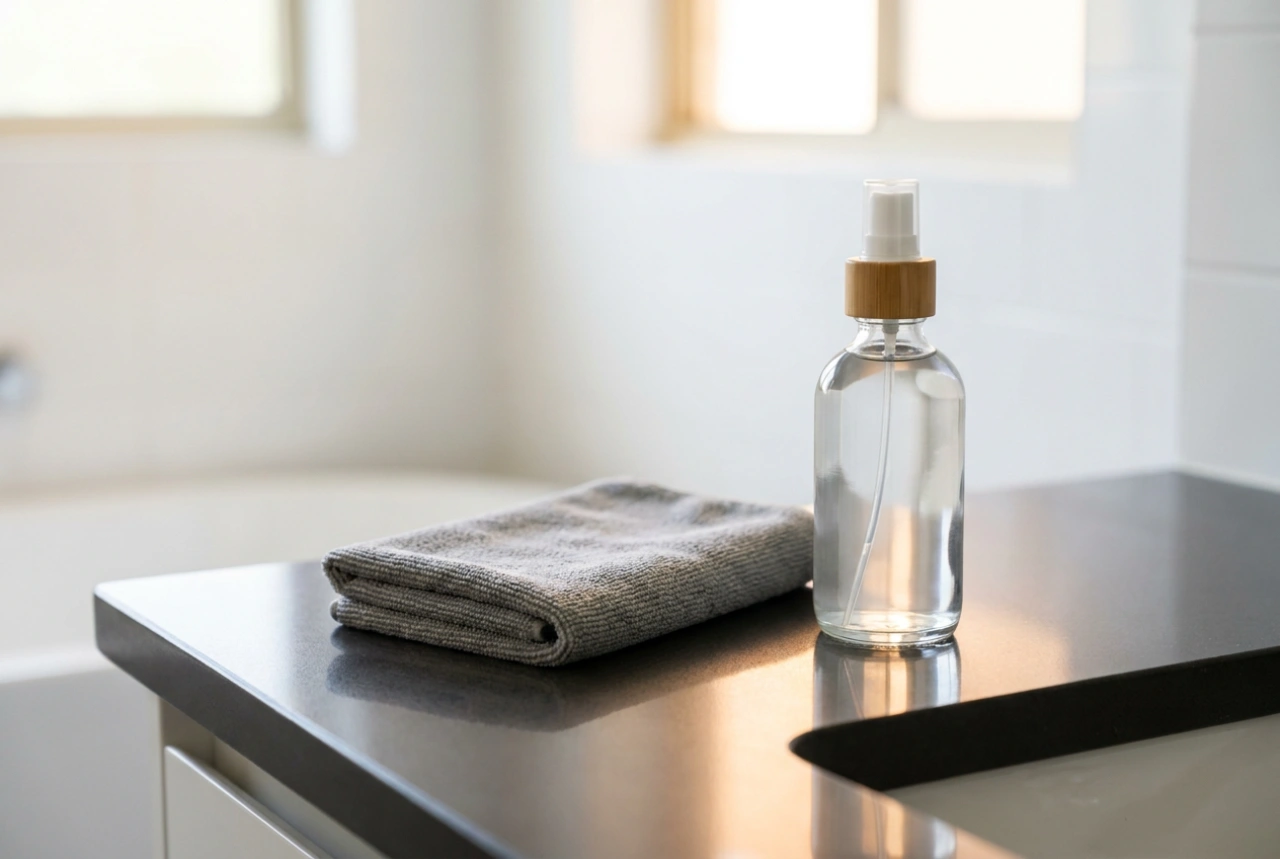
Before employing a vacuum squeegee, the surface must be properly prepared. Using standard tap water can introduce dissolved minerals like calcium and magnesium, which dry into stubborn white spots. To prevent this, use distilled water combined with a small amount of neutral surfactant, such as a mild dishwashing liquid, or a specialized glass cleaner containing isopropyl alcohol. The surfactant reduces the surface tension of the water, allowing it to spread evenly and lift oily residues, dust, and environmental grime from the glass pores.
Applying the Solution Efficiently
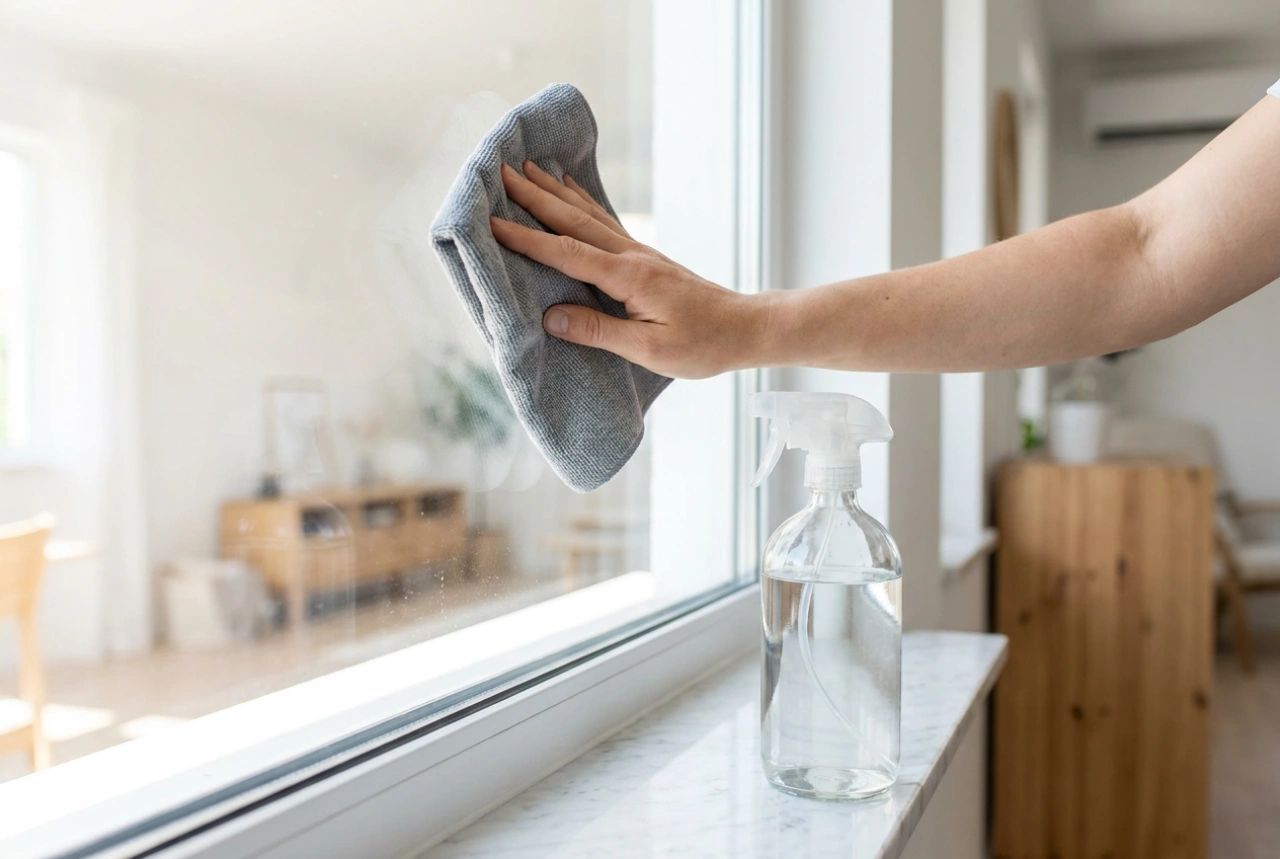
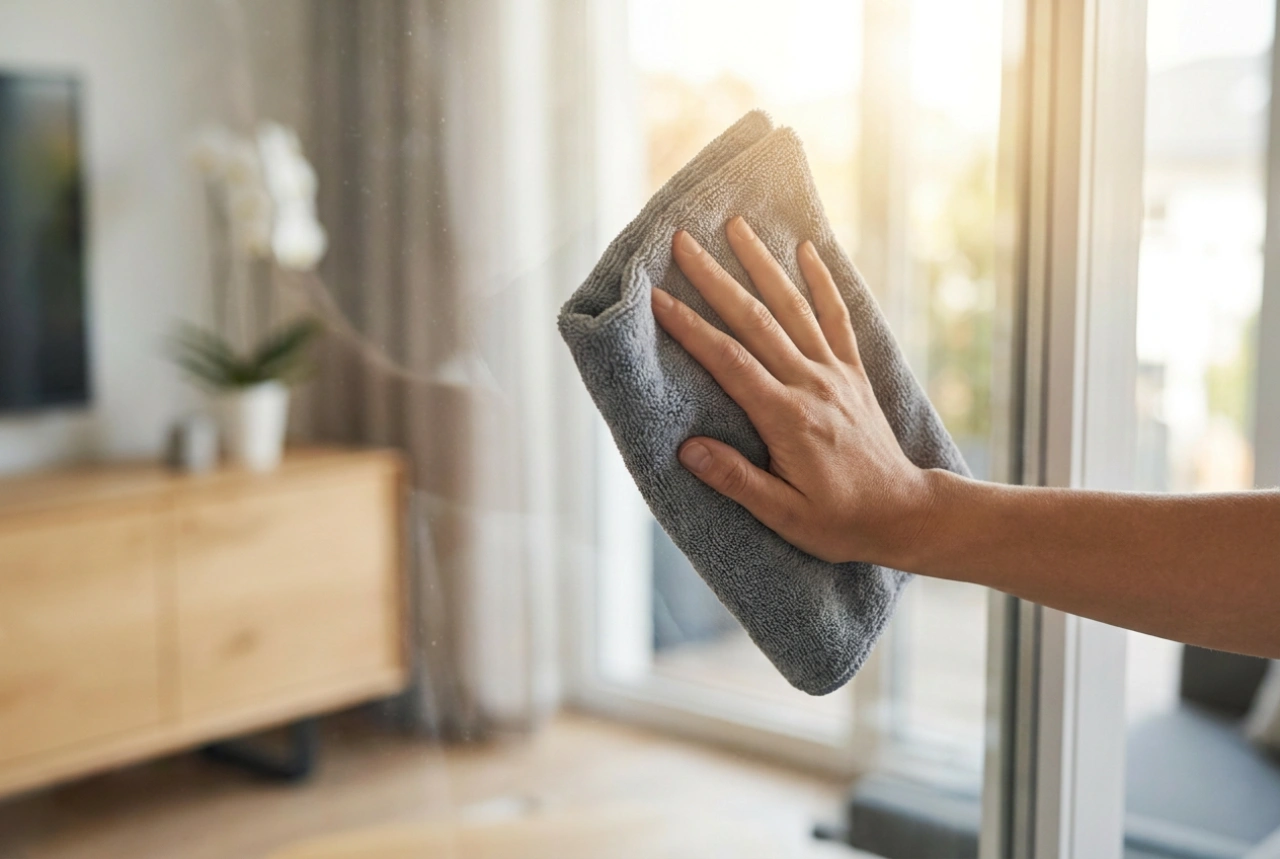
Avoid spraying the cleaning agent sparingly. The window vacuum relies on a continuous film of liquid to glide smoothly across the glass. If the surface dries out mid-process, the rubber blade of the vacuum will stutter, leaving physical vibrations in the form of horizontal streaks. Use a microfiber applicator pad to agitate the dirt, working in circular motions to break the bond between the grime and the glass.
The Mechanics of the Vacuum Squeegee Stroke
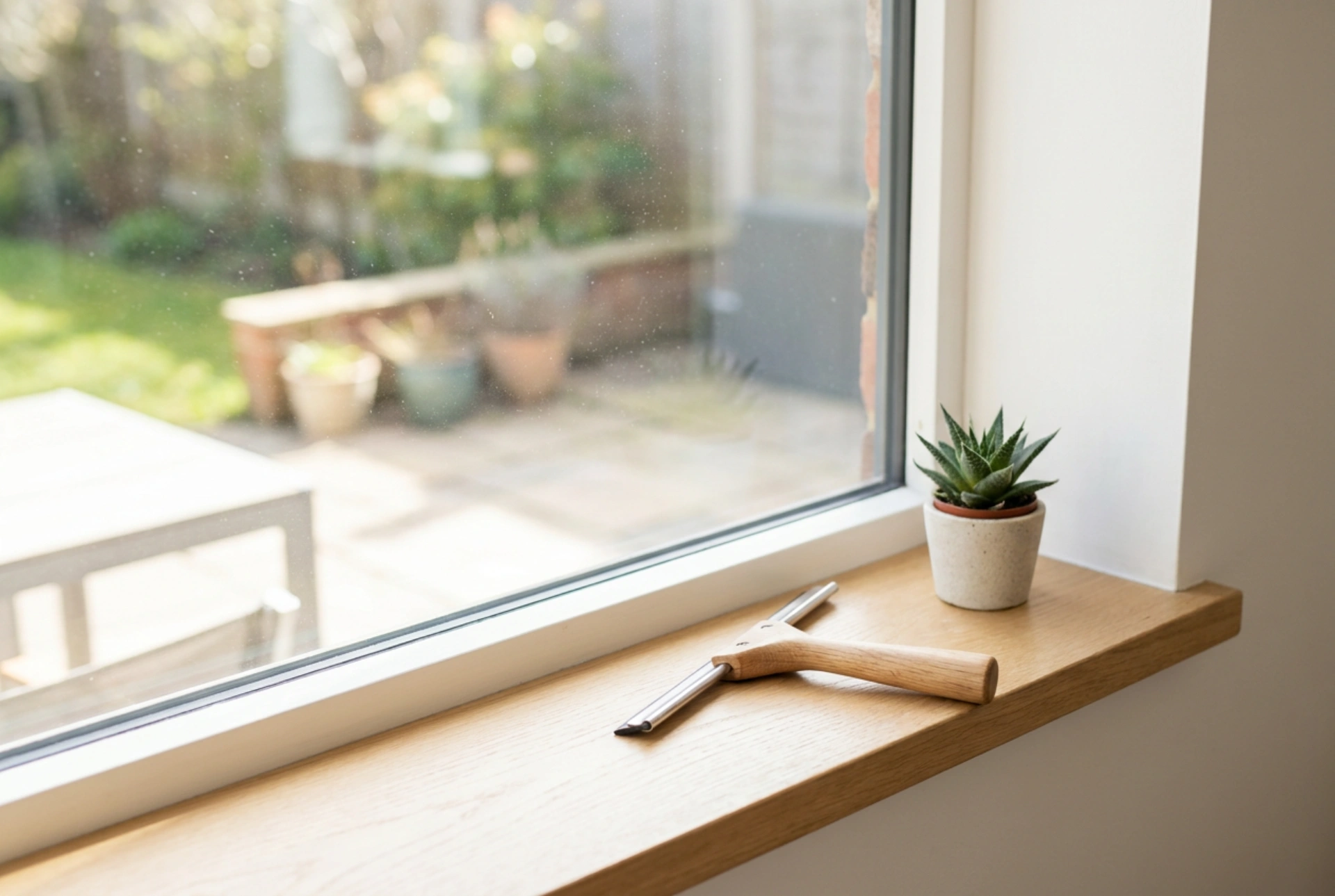
The secret to a streak-free finish lies in how the rubber blade interacts with the glass. The vacuum mechanism is designed to pull dirty water into the reservoir, but it can only do so if the blade maintains consistent contact and a proper seal against the window pane.
- Angle of Attack: Hold the window vacuum at a 45-degree angle to the glass surface. Tilting the device too high or too low disrupts the airflow pattern and prevents the liquid from being drawn into the suction nozzle.
- Downward Pressure: Apply light, uniform pressure. Pressing too hard deforms the rubber lip, causing it to skip or leave wet margins on the sides. Let the suction of the motor do the work.
- Consistent Speed: Maintain a steady, continuous downward motion. Pausing or changing speed mid-stroke creates lines where water pools momentarily.
Handling Edges and Preventing Overlaps
Streaks often occur at the borders of the window frame or where two vacuum passes overlap. When you reach the bottom frame, tilt the vacuum slightly outward to lift the blade, ensuring the suction catches the last droplets. Before starting a new vertical pass, wipe the rubber squeegee blade with a dry, lint-free microfiber cloth. A wet blade cannot scrape water efficiently and will simply relocate moisture back onto the clean glass, resulting in vertical streaks. Overlap each stroke by about two centimeters to ensure no wet gaps are left behind.
Maintaining Your Equipment for Optimal Performance
Even the best technique will fail if the vacuum hardware is neglected. Over time, the rubber blade can develop tiny nicks, accumulate microscopic dirt particles, or lose its flexibility due to chemical exposure. Regularly inspect the blade for imperfections. If the edge is worn, flip the blade to the unused side or replace it entirely. After every cleaning session, empty the dirty water reservoir, rinse it thoroughly to prevent bacterial growth, and wash the microfiber pads to remove trapped abrasive dust that could scratch your windows in future sessions.