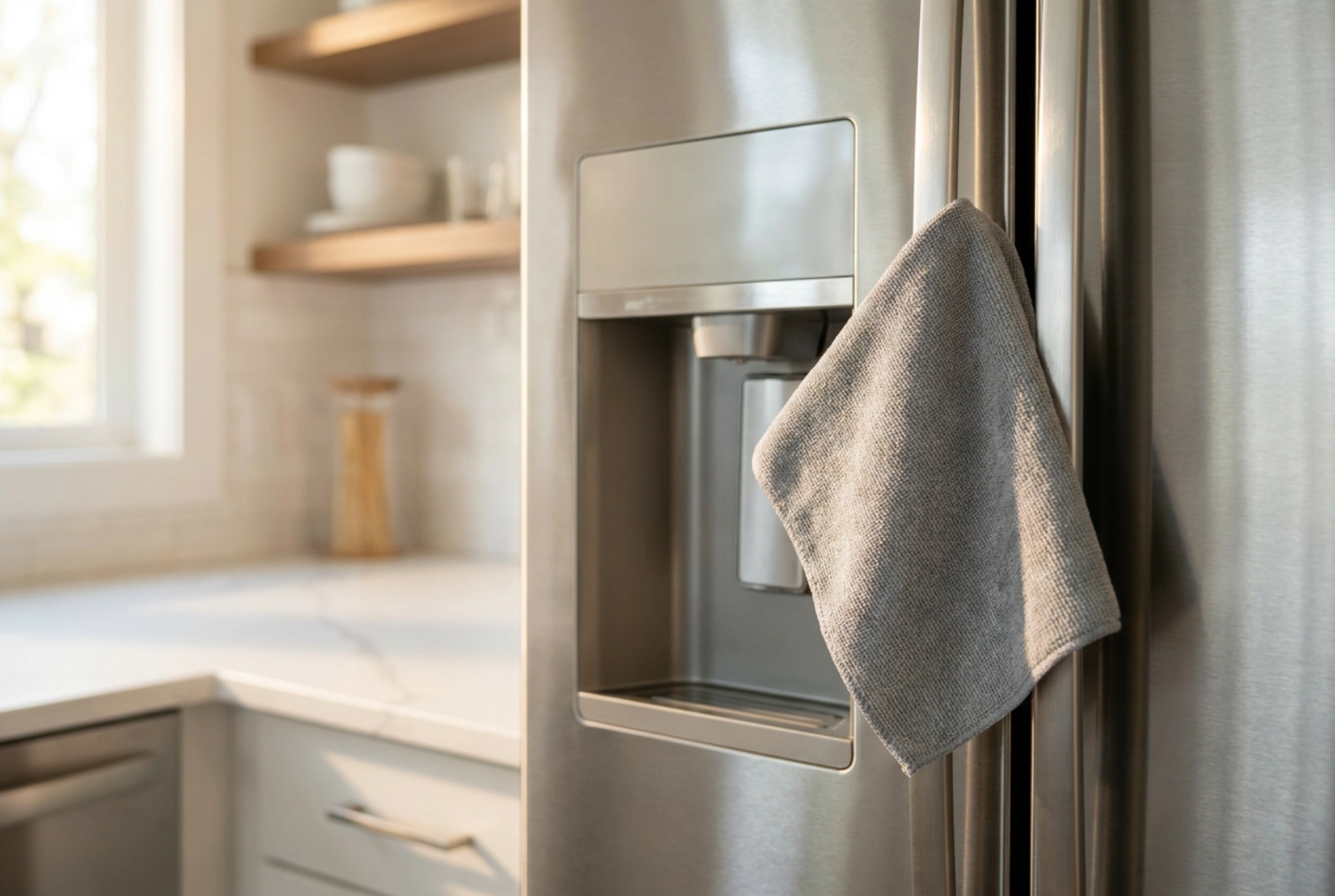


A refrigerator with a built-in water dispenser offers daily convenience, but it requires systematic hygiene and technical care to prevent biofilm accumulation, mineral scaling, and stale-tasting water.
The science of biofilm and mineral buildup in water systems
The dispenser system is a complex network of narrow plastic tubing, valves, and a physical outlet nozzle. Because this system is constantly exposed to moisture, ambient room temperatures, and organic particles from the air, it is highly susceptible to biofilm formation. Biofilm is a structured community of microorganisms that adheres to surfaces, creating a protective slimy layer that standard rinsing cannot remove. Additionally, hard water contains dissolved calcium and magnesium ions. When water evaporates at the dispenser nozzle, these minerals precipitate out, forming solid calcium carbonate deposits (limescale) that clog the mechanism and harbor bacteria.
Daily and weekly cleaning protocols for the dispenser nozzle
Preventative maintenance prevents the physical buildup of pathogens and minerals. Follow this mechanical cleaning sequence weekly to keep the external components sterile:
- Decontaminate the nozzle: Dip a small, clean brush (such as a dedicated soft toothbrush or pipe cleaner) into a solution of equal parts warm water and white distilled vinegar. Carefully scrub the inside of the dispensing nozzle to break down hard water deposits and disrupt early biofilm formation.
- Sanitize the recess area: Wipe the entire dispenser alcove, including the lever or push-button mechanism, with a microfiber cloth dampened with the vinegar solution. This removes skin oils, dust, and food splatters that feed bacterial growth.
- Dry completely: Use a dry, clean microfiber cloth to remove all residual moisture from the nozzle and surrounding tray. Microorganisms require moisture to colonize, so keeping the area dry halts their reproduction cycle.
Maintaining the drip tray and prevent stagnant water
The drip tray at the bottom of the dispenser recess is a primary hotspot for mold. Most trays do not have an active drain; they rely on evaporation. Stagnant water combined with kitchen dust creates an ideal medium for mold spores. Empty the drip tray daily. Wash it with warm water and a mild, unscented dish detergent to strip away surface tension and grime. Dry the tray thoroughly before reinserting it. If the tray has removable grates, disassemble them to clean the overlapping joints where mold thrives.
Flushing the system and managing water filters
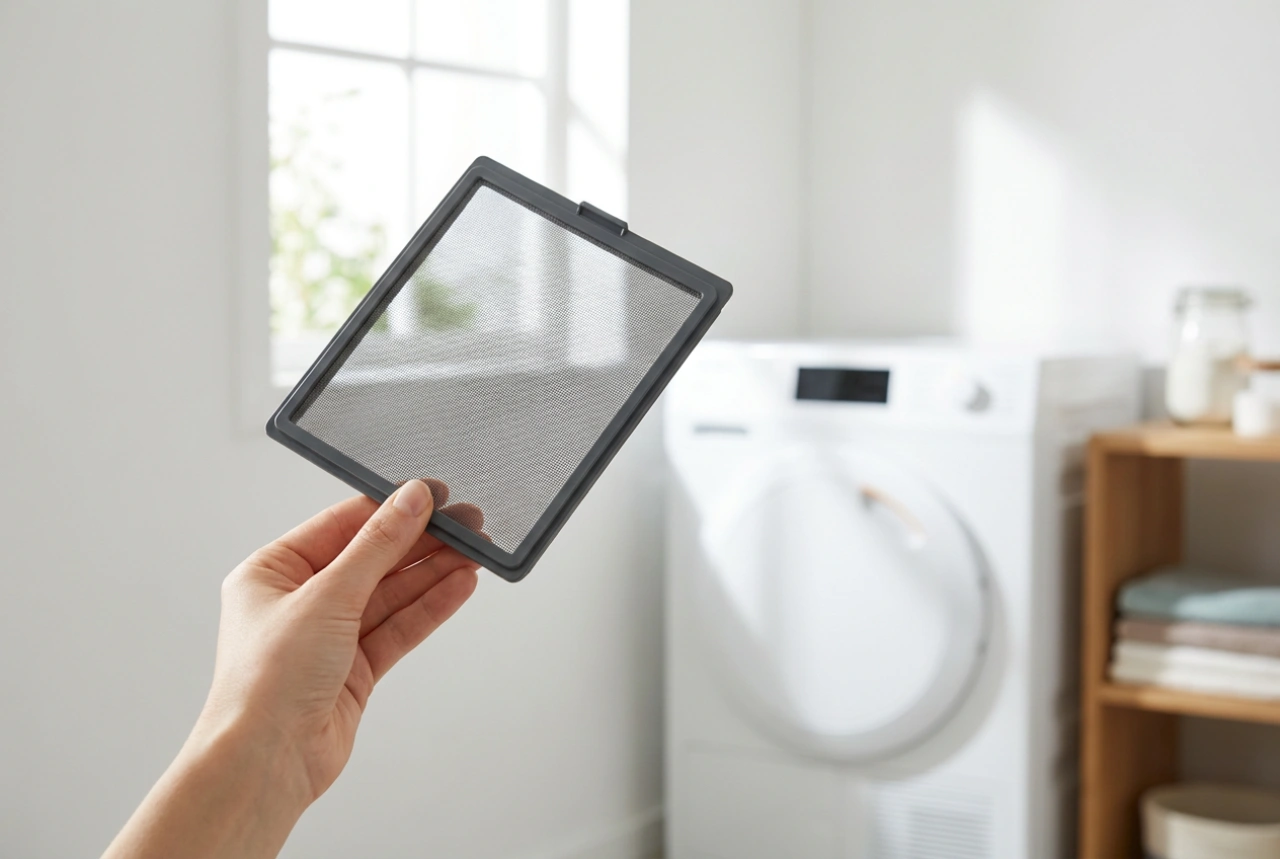
The internal filtration system relies on activated carbon to adsorb impurities, chlorine, and organic compounds that affect taste and odor. Over time, the carbon pores become saturated, rendering the filter useless and turning it into a potential breeding ground for bacteria. Replace the water filter strictly according to the manufacturer's volume limits or at least every six months. After installing a new filter, or if the dispenser has not been used for several days, perform a system flush. Run at least five to eight liters of water through the system and discard it. This physical flushing purges air pockets, loose carbon fines, and stagnant water from the internal lines.
Preventing line freezing and pressure drop
The water line running through the refrigerator door can occasionally freeze if the internal freezer temperature is set too low. Ensure your freezer is calibrated between -18°C and -15°C. Temperatures below this range can freeze the water within the thin supply tubes, stopping the flow entirely and potentially cracking the plastic lines due to ice expansion. If you notice a sudden drop in water pressure, check the water line for kinks behind the refrigerator and ensure the household shut-off valve is fully open to maintain consistent flow dynamics.