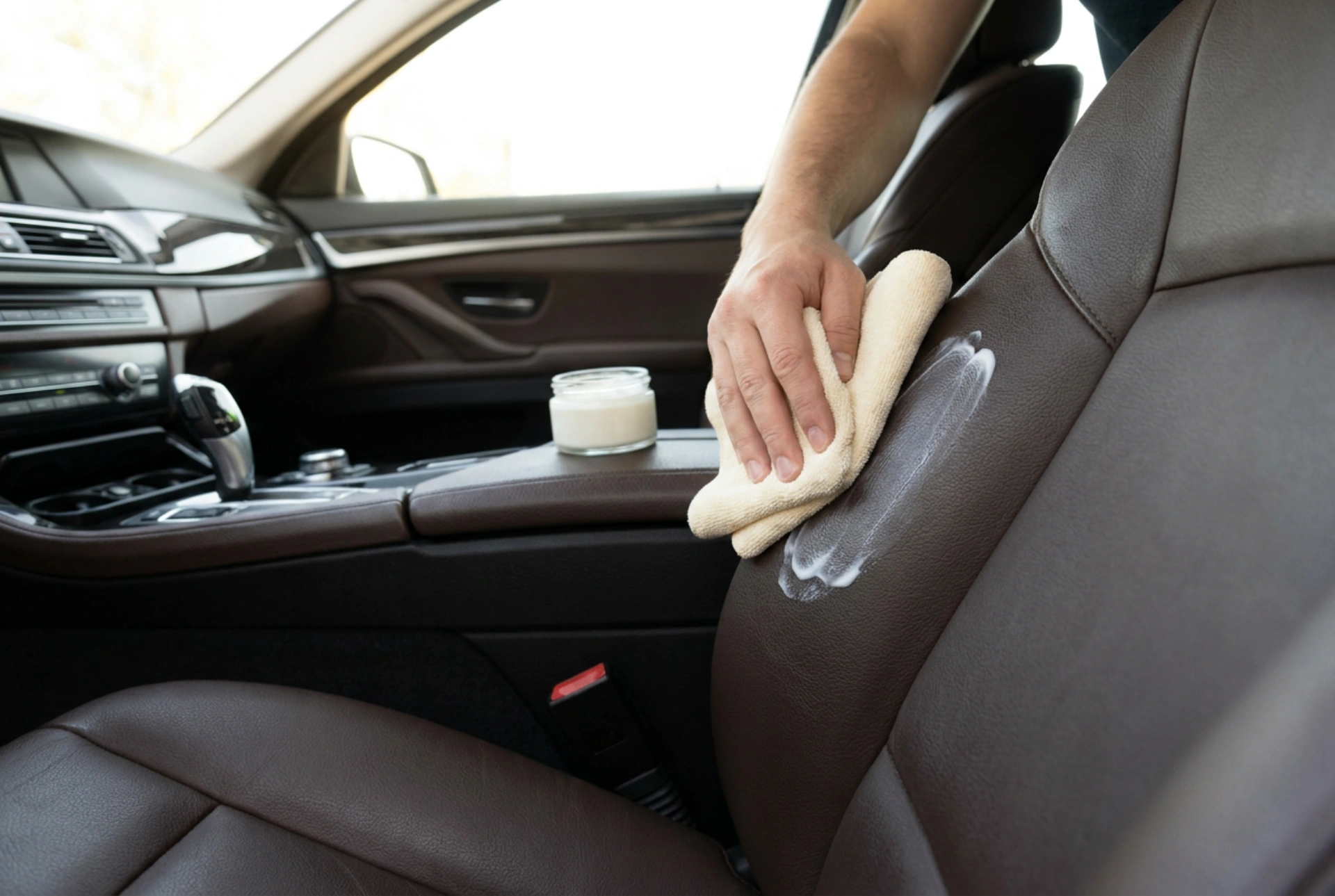


Car leather is subjected to extreme temperature fluctuations, UV radiation, and constant physical friction, which deplete its natural moisture and cause micro-cracks over time. Maintaining the structural integrity of your vehicle's leather seats requires a systematic approach rooted in material chemistry, focusing on deep replenishment and protective barrier restoration.
The Physics and Chemistry of Leather Degradation
To prevent leather from cracking, it is essential to understand its structure. Modern automotive leather is typically chrome-tanned and finished with a protective polyurethane or acrylic pigmented topcoat. While this top coat shields the underlying animal hide from immediate stains and water damage, it is not completely impermeable. Over time, UV rays break down the polymer chains of this protective finish, while heat causes the essential moisture and tanning oils (fat liquors) within the collagen fibers to evaporate.
As the leather dries, the collagen fibers lose their elasticity and lubrication. When weight is applied to the seat, these dry fibers rub against each other, creating internal friction. This friction manifests externally as fine creases, which eventually rupture into deep, irreversible cracks. Furthermore, microscopic dust and dirt particles settle into the grain of the leather, acting like sandpaper with every movement of the passenger, accelerating the physical degradation of the surface.
Selecting the Correct Conditioning Agents
Effective leather conservation relies on selecting products that work with the material's chemistry rather than sealing it off. Avoid products containing heavy silicones or petroleum distillates. While silicones provide an immediate, glossy shine, they create an impermeable barrier that traps heat and prevents the leather from breathing, eventually causing it to dry out faster underneath. They also attract atmospheric dust, increasing abrasive wear.
Instead, look for pH-neutral, water-based conditioning emulsions. These formulations often contain synthetic polymers or natural lipids designed to penetrate the microscopic pores of the polyurethane topcoat, reaching the collagen fibers below to restore flexibility. For older, uncoated leather, heavier conditioning creams containing beeswax or lanolin can be highly beneficial, but they must be applied sparingly to avoid clogging the pores and leaving a sticky residue.
Step-by-Step Conditioning Protocol
Applying conditioner to a dirty surface is counterproductive, as the oils will trap dirt inside the pores, forming an abrasive paste. Follow this precise sequence to ensure maximum absorption and protection:
- Thorough Deep Cleaning: Vacuum the seats using a soft brush attachment to remove loose debris from the seams and crevices. Apply a mild, pH-neutral leather cleaner using a soft-bristled horsehair brush. Work in gentle, circular motions to agitate the dirt out of the grain. Wipe away the suspended dirt immediately with a clean, damp microfiber cloth.
- Surface Drying: Allow the leather to dry completely at room temperature. Applying conditioner to wet leather prevents the lipid emulsions from penetrating the fibers.
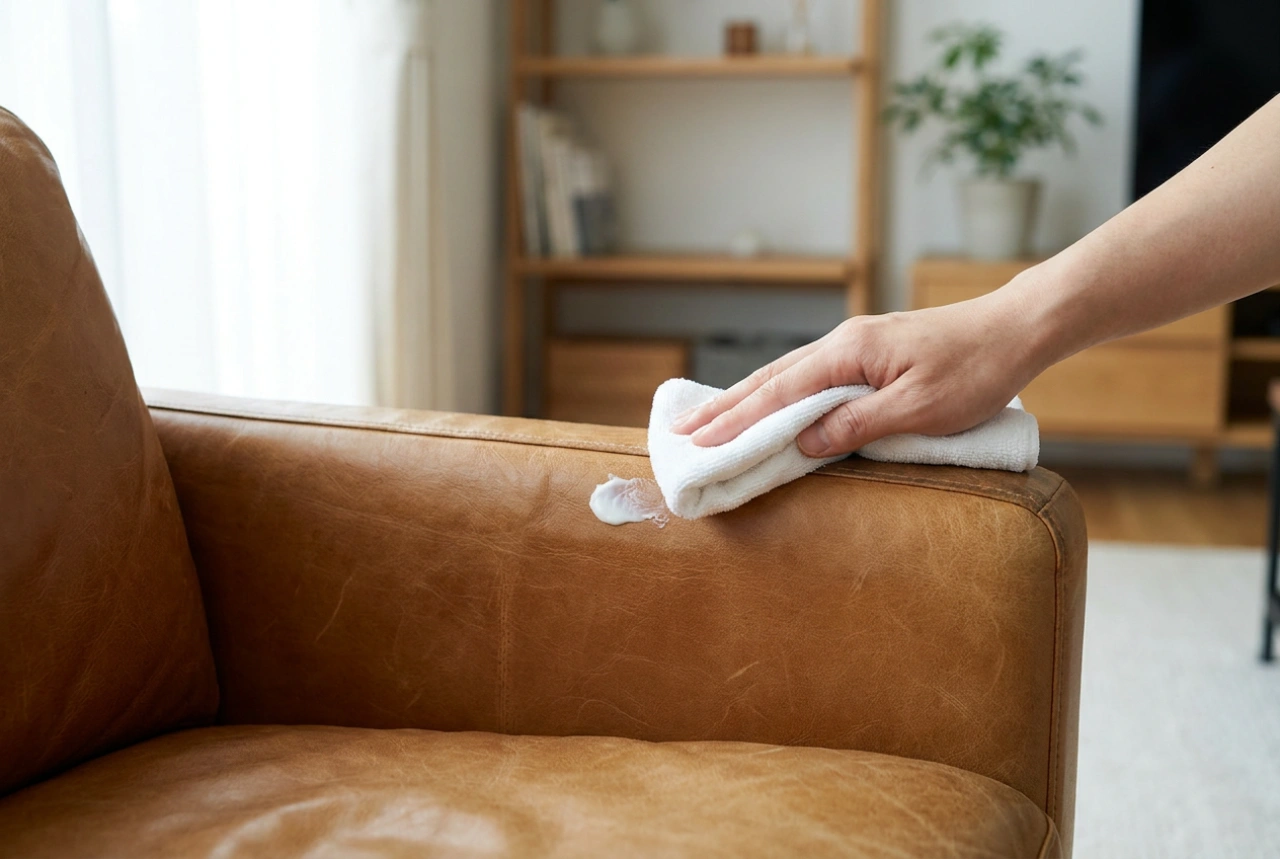
- Conditioner Application: Apply a small, nickel-sized amount of conditioner to a microfiber applicator pad. Work the product into the leather using light, overlapping circular motions. Focus heavily on high-friction areas, such as the side bolsters and seat cushions, where movement is most frequent.
- Absorption Period: Allow the conditioner to sit on the surface for 15 to 30 minutes. This gives the emulsified lipids time to migrate through the topcoat into the underlying fiber matrix.
- Final Buffing: Take a clean, dry microfiber cloth and gently buff the entire surface. This removes any unabsorbed residue, leaving a natural, matte finish. A glossy appearance usually indicates excess product that will attract dirt.
Environmental Protection and Maintenance Frequency
Conditioning should be performed systematically rather than reactively. For vehicles exposed to daily sunlight and high heat, conditioning every three to four months is recommended. In milder climates, a bi-annual application—once before winter and once before summer—is sufficient to maintain elasticity. Additionally, minimizing UV exposure through the use of physical windshield sunshades or ceramic window films significantly reduces the thermal load on the leather, preserving the conditioning agents within the fibers for much longer.