

Grass stains on children's trousers and shirts are not just simple dirt; they are a complex combination of chlorophyll, xanthophylls, and plant proteins that chemically bind to textile fibres. Understanding the solubility of these organic pigments is key to breaking their bond with cotton, denim, and synthetic fabrics without damaging the garments.
The Molecular Bond of Grass Stains
Chlorophyll, the green pigment responsible for grass stains, shares a similar chemical structure to heme (the oxygen carrier in blood) but with a magnesium ion at its core. This pigment is highly hydrophobic, meaning it does not dissolve easily in plain water. When a child slides on grass, the physical friction forces these hydrophobic pigments deep into the microscopic gaps between fabric threads. At the same time, plant proteins act as a natural glue, securing the pigment to cellulose fibres in cotton or the polymer chains in synthetics. To break this bond, you must target both the protein binder and the hydrophobic pigment itself.
Phase 1: Dissolving the Pigment with Alcohol
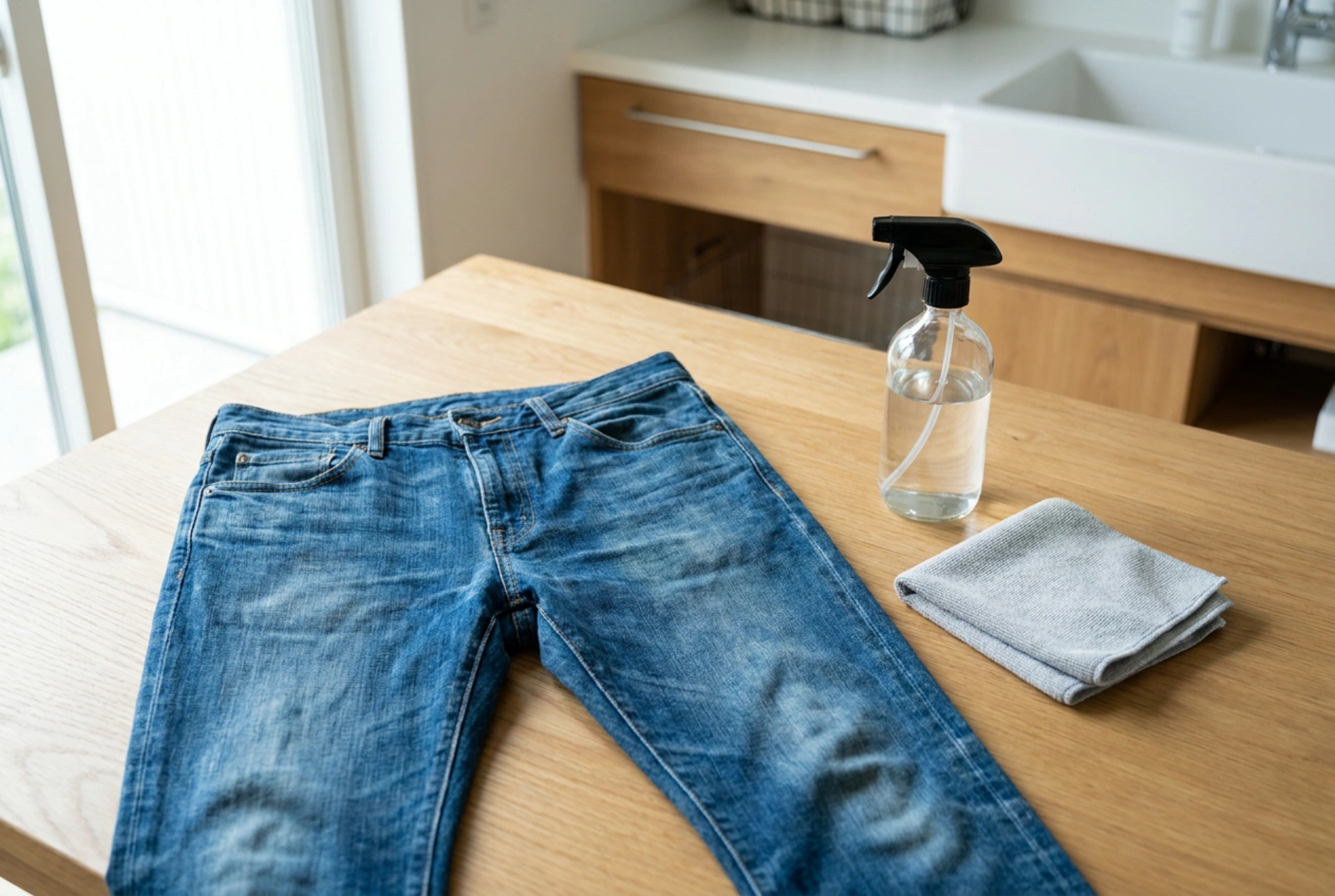
Because chlorophyll is highly soluble in organic solvents, traditional washing with standard detergents often fails to lift the green colour completely. Isopropyl alcohol (rubbing alcohol) or methylated spirits are highly effective chemical solvents for this specific task. Before applying any liquid, place a clean white cotton cloth or absorbent paper towel underneath the stained area to catch the dissolved pigment and prevent it from bleeding into other parts of the fabric. Dab the stain gently with a clean cloth soaked in isopropyl alcohol, working from the outer edges inward to prevent the stain from spreading. The alcohol dissolves the chlorophyll molecules, transferring them onto the absorbent backing underneath.
Phase 2: Breaking Down Plant Proteins with Enzymes
Once the primary pigment is dissolved, the remaining plant proteins must be broken down. This is where enzymatic action is crucial. Use a liquid laundry detergent containing active proteases and amylases, or prepare a paste using a powdered oxygen-based bleach and a small amount of warm water. Apply this directly to the damp fabric and gently massage it into the fibres using a soft-bristled brush or by rubbing the fabric against itself. Avoid aggressive scrubbing on delicate fabrics, as this can fray the textile fibres and create a permanently faded spot. Allow the enzymes to work for fifteen to thirty minutes, keeping the area moist so the biochemical reactions can continue.
Phase 3: Oxidation with Sodium Percarbonate
For stubborn or older stains on light-coloured trousers, an oxidation process is necessary to neutralise the remaining colour compounds. Sodium percarbonate, often sold as oxygen bleach, is ideal because it breaks down into sodium carbonate and hydrogen peroxide when dissolved in water warmer than forty degrees Celsius. The released oxygen molecules chemically alter the chromophores (the colour-producing parts) of the chlorophyll molecule, rendering them colourless. Soak the garment in a solution of warm water and sodium percarbonate for one to two hours, ensuring the fabric remains fully submerged.
Optimal Wash Cycle and Temperature
After pre-treatment, wash the garments in a washing machine using a standard cycle. The temperature should be selected based on the fabric care label, but forty degrees Celsius is generally the sweet spot where enzymes and surfactants operate at peak efficiency. Never use hot water (above sixty degrees) in the initial stages of stain removal, as high heat denatures any remaining plant proteins, locking them permanently into the fabric matrix. Always inspect the stained area before placing the garment in a tumble dryer; the high dry heat of a dryer will set any residual pigment, making future removal almost impossible.