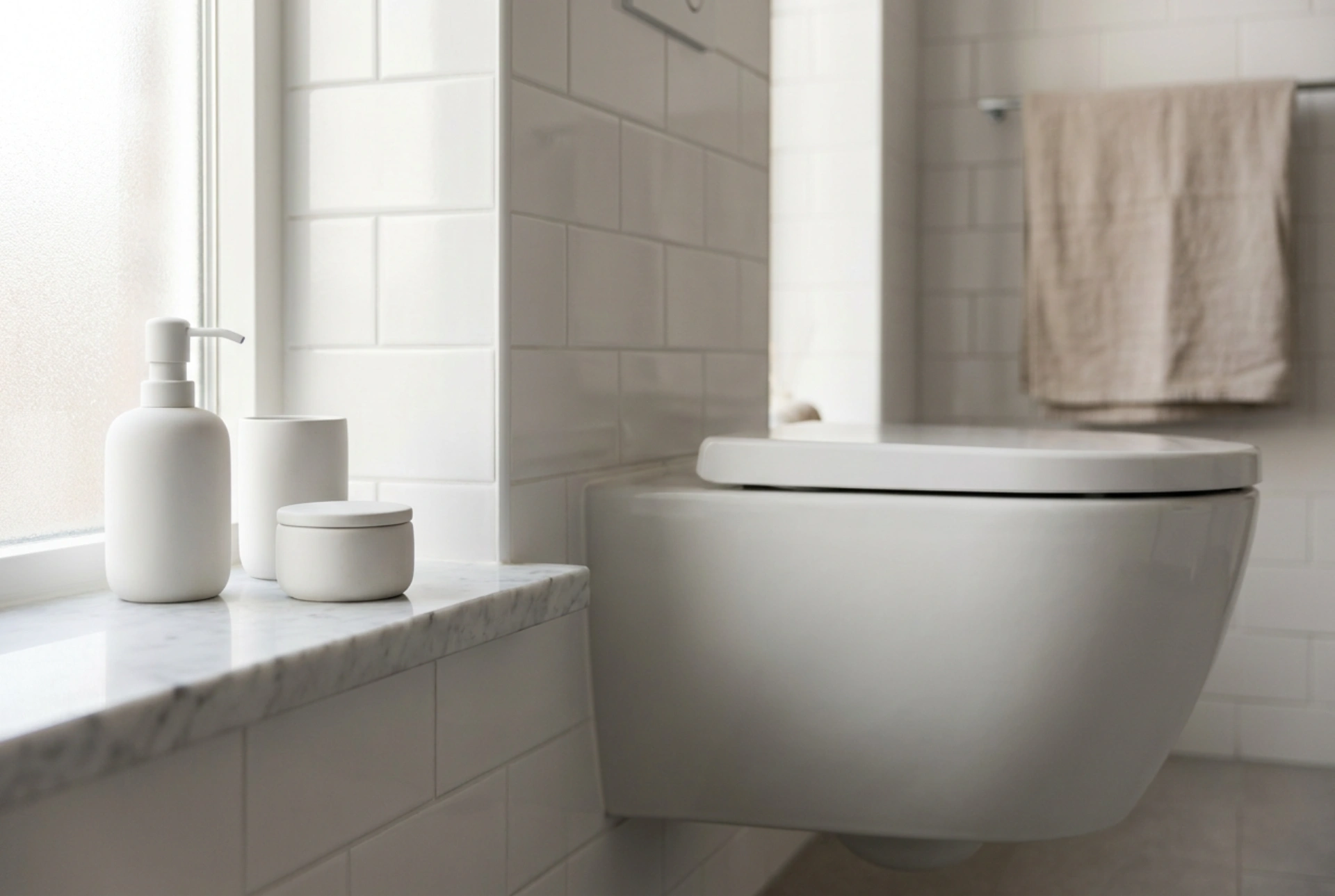


Rimless toilets have revolutionized bathroom hygiene by eliminating the hidden crevices where limescale and bacteria thrive, yet their unique fluid dynamics require a different approach to toilet blocks. Understanding how water circulates in a rimless bowl is key to selecting a freshener that dissolves evenly without causing splashing or slipping.
The Physics of Rimless Flushing: Why Standard Blocks Fail
Traditional toilet bowls rely on a hollow rim to channel water downward around the entire perimeter. Rimless models, however, utilize a powerful water distributor at the rear of the bowl, which propels a high-velocity horizontal stream along the upper edge. This creates a swirling vortex that covers the surface through centrifugal force and gravity. While this design is highly efficient for rinsing, it alters the requirements for any hanging additives.
Because the water flow is highly pressurized and directed, standard flexible-arm toilet blocks often present two major problems. First, the force of the lateral stream can shift the block along the smooth porcelain, moving it away from the optimal wash path. Second, if the block is positioned too close to the jet outlet, the high-velocity water can strike the plastic cage at an angle, causing micro-splashes that escape the bowl and land on the floor or seat. For this reason, a standard loose-hanging basket is rarely suitable for modern rimless designs.
Selecting the Ideal Block Geometry and Fit
To ensure a toilet block remains effective and secure in a rimless bowl, you must consider its physical design and mounting mechanism. Form follows function when dealing with high-velocity water streams.
- Rigid, Adjustable Hangers: Look for blocks with stiff, tension-adjustable plastic arms. These can be bent and molded to conform tightly to the thicker, rounded edge of a rimless bowl, preventing the basket from sliding during high-flow flushes.
- Low-Profile Cages: Slim, aerodynamic block designs minimize resistance against the horizontal water stream, reducing the risk of water deflection and splashing. The flatter the basket, the smoother the water flow over it.
- Self-Adhesive Gel Stamps: Adhesive gel stamps applied directly to the dry porcelain surface bypass the physical constraints of a hanging cage entirely. These stamps adhere via cohesive forces and dissolve gradually with each flush, ensuring even distribution of active ingredients without disrupting the water dynamics.
The Chemistry of Clean: Deciphering the Ingredients
The efficiency of a toilet block depends entirely on its chemical composition, which must address both aesthetic freshness and material preservation. Rimless toilets benefit most from dual-action formulations that combine surfactants and complexing agents.
Surfactants reduce the surface tension of water, allowing it to sheet evenly across the porcelain rather than forming droplets. This ensures the entire bowl surface is coated during the flush, preventing dry spots where organic matter can adhere. Acidic chelating agents, such as citric acid, actively bind to calcium and magnesium ions in the water, preventing the formation of crystalline calcium carbonate (limescale) which dulls the glaze. Additionally, oxygen-based bleaching agents help break down organic pigments, keeping the ceramic white without the harsh, corrosive effects of chlorine-based compounds on the toilet's internal seals.
Optimal Placement and Maintenance Routines
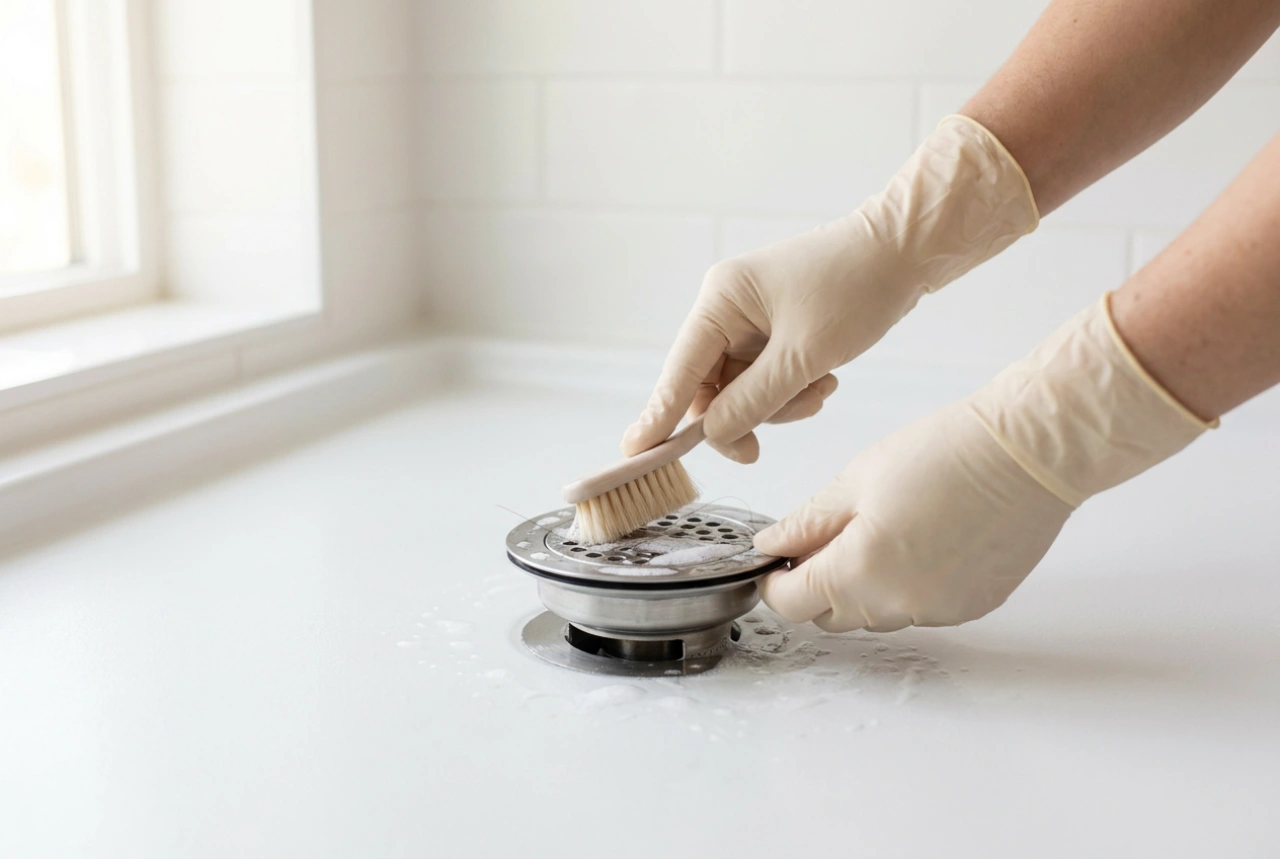
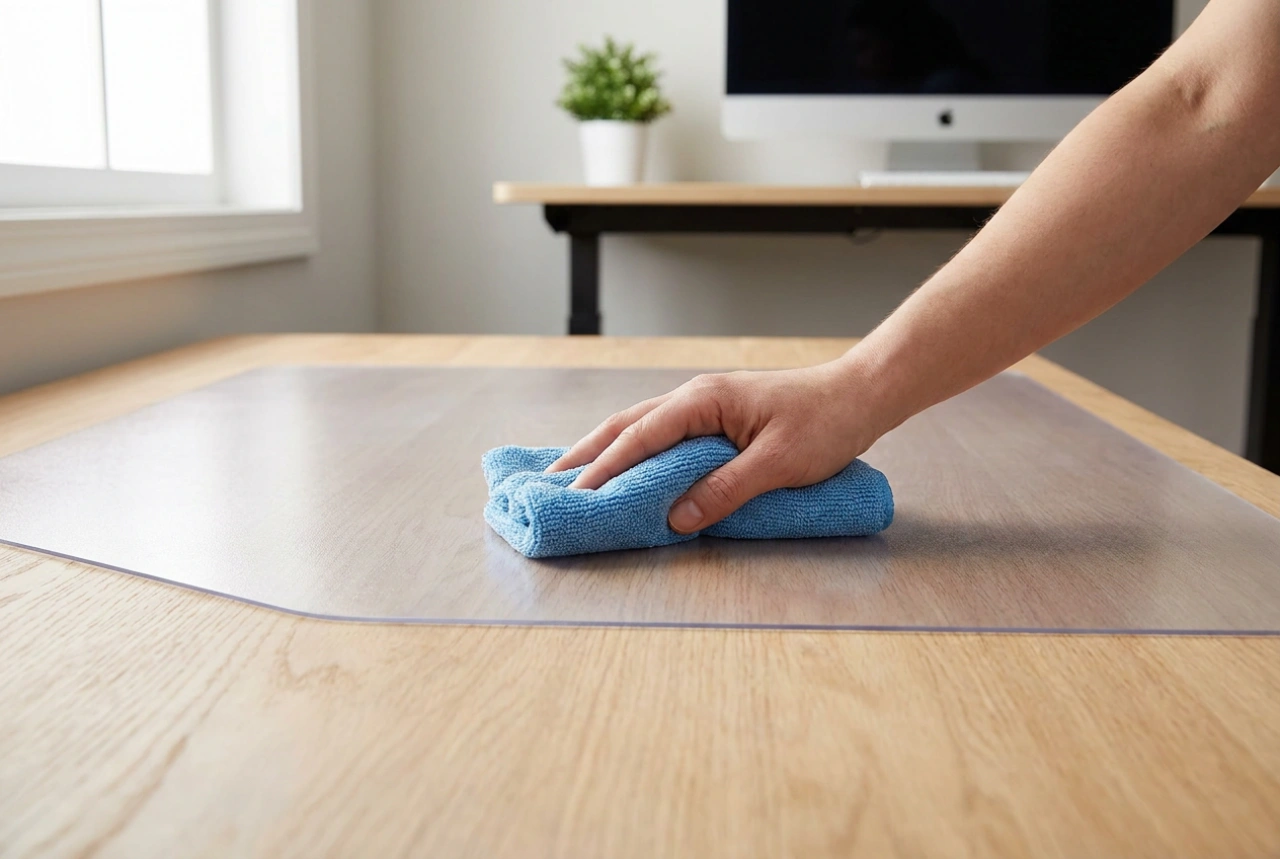
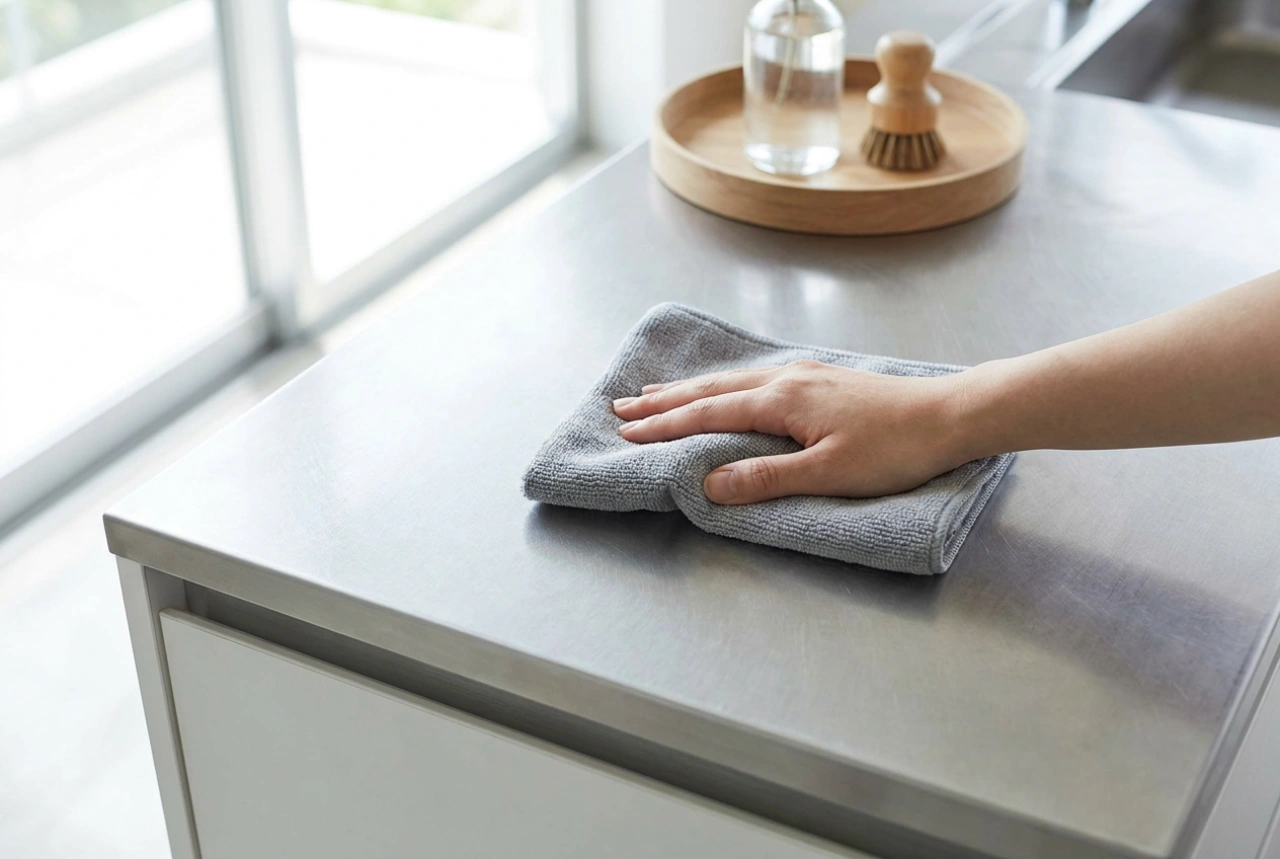
To maximize the lifespan of your chosen freshener and maintain pristine hygiene, follow a precise installation routine. Always position the block opposite the main water jet or slightly to the side where the water velocity has slowed down but still maintains enough kinetic energy to dissolve the active ingredients. Before applying gel stamps or hanging blocks, thoroughly clean and dry the target area with a lint-free microfiber cloth. Any moisture or limescale barrier will prevent proper adhesion, causing the product to flush away prematurely. Additionally, regular light scrubbing with a dense-bristled brush ensures that the thin protective surfactant film deposited by the block remains uniform across the entire surface, preventing localized buildup.