

Heat pump tumble dryers represent a significant leap in domestic efficiency, utilising advanced thermodynamics to dry clothes at a fraction of the energy cost of traditional models. Understanding the science behind this technology and applying precise operational habits allows you to maximise energy savings while extending the lifespan of your wardrobe.
The Physics of the Closed-Loop Heat Pump Cycle
Traditional dryers rely on open-loop heating, where air is drawn in, heated via high-energy electrical elements, passed over wet clothes, and expelled. This continuous heating of fresh air requires substantial power. A heat pump dryer operates on a closed-loop thermodynamic system that recycles thermal energy rather than venting it.
The core mechanism relies on a refrigerant fluid circulating through a closed system containing a compressor, an evaporator, and a condenser. The compressor pressurises the gaseous refrigerant, raising its temperature. This hot refrigerant flows through the condenser coils, where dry air passing over the coils absorbs this heat before entering the drum. As this warm air circulates, it evaporates moisture from the tumbling fabrics, turning liquid water into vapour.
This humid air is then drawn across the cold evaporator coils. The rapid temperature drop causes the water vapour to condense back into liquid, which drains away. During this phase change, the latent heat released is absorbed by the cold refrigerant. The refrigerant is compressed again, and the cycle repeats. By recycling this thermal energy, the system uses up to 50% less electricity than standard dryers.
Why Lower Temperatures Protect Fabrics
A major distinction of heat pump technology is its gentle thermal profile. Conventional dryers heat air to temperatures between 75°C and 80°C, which can cause thermal shock to fibres, leading to shrinkage and micro-tears. Heat pump dryers operate at a much lower range, typically between 48°C and 55°C.
While this means cycles take longer, it significantly reduces wear and tear on textiles. At 50°C, natural fibres like cotton do not suffer from the rapid moisture loss that causes brittleness. Synthetics containing elastane retain their structural elasticity, as the thermal threshold for polymer breakdown is not reached. The longer runtime is not a sign of inefficiency, but a deliberate mechanism to preserve material integrity.
Practical Techniques for Maximum Efficiency
To extract the highest energy savings from a heat pump dryer, you must optimise the laundry process before the drying cycle even begins:
- Maximise Mechanical Water Extraction: Mechanical extraction is far more energy-efficient than thermal evaporation. Always select the highest safe spin speed on your washing machine (typically 1200 to 1400 RPM for cottons). Reducing the residual moisture content of the clothes beforehand drastically reduces the workload and runtime of the heat pump.
- Sort Loads by Material Density: Different fabrics retain water differently. Lightweight synthetics dry quickly, while heavy cotton towels hold water deep within their fibres. Group items of similar weight together to prevent the dryer's moisture sensors from shutting off prematurely or running excessively.
- Maintain Optimal Drum Volume: Fill the drum to approximately 70% of its volume. This allows clothes to tumble freely, maximising exposure to the warm airflow. Overloading leads to clumping, which traps moisture inside the mass and increases cycle time.
Critical Maintenance of Airflow and Sensors
Because heat pump systems rely on precise pressure and temperature differentials, any restriction in airflow reduces efficiency and increases power consumption.
Clean the primary lint filter inside the door frame after every cycle. Additionally, monitor the secondary condenser filter, usually located in a bottom compartment. This filter prevents fine dust from coating the delicate aluminium fins of the heat exchanger. If these fins become blocked, heat transfer is severely compromised, forcing the compressor to run longer.
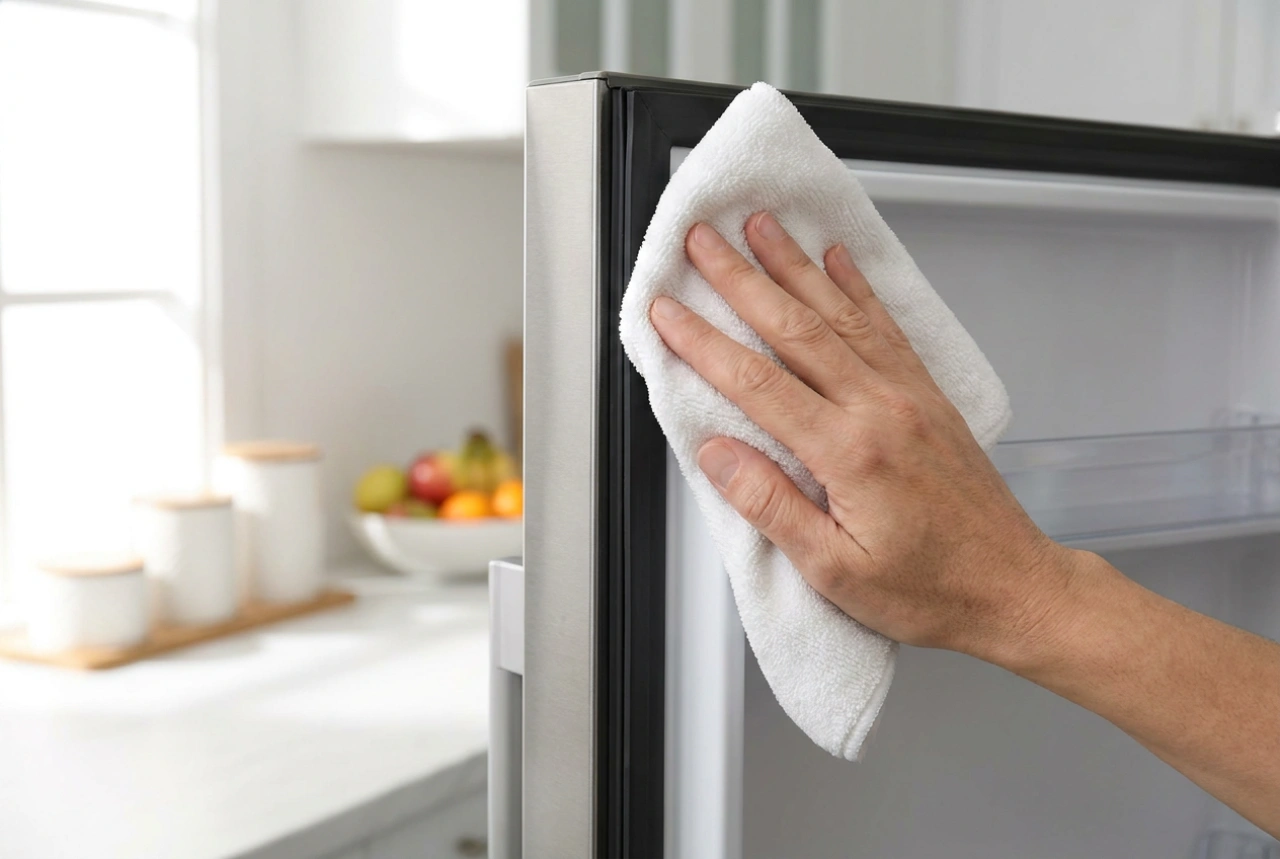
Finally, clean the moisture sensor strips. Located inside the drum near the lint filter, these metal strips measure electrical conductivity to determine when clothes are dry. Over time, chemical residues from fabric softeners and minerals from hard water form an insulating film over these sensors. This causes the machine to misjudge dryness levels, leading to excessive running. Wiping these strips monthly with a cloth dipped in white vinegar dissolves this film, restoring accurate performance.