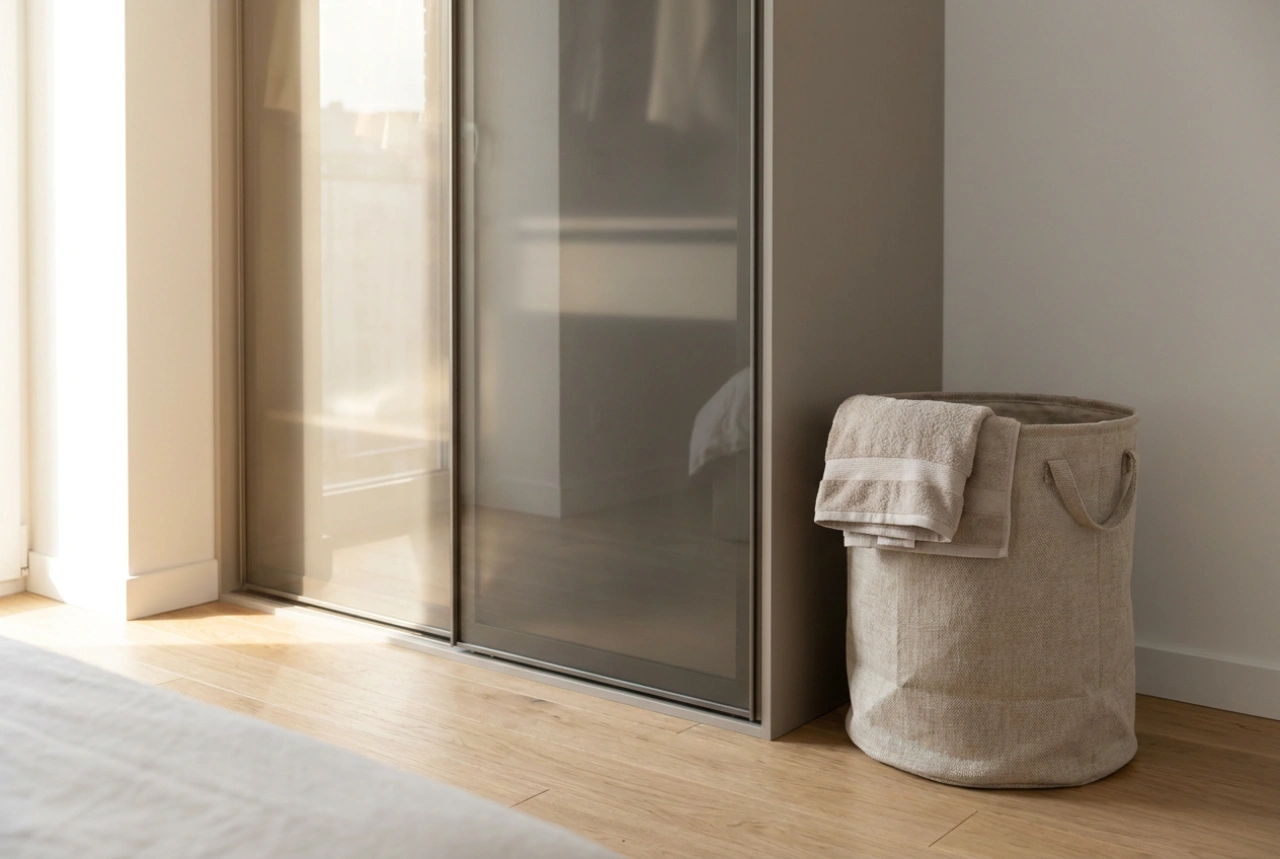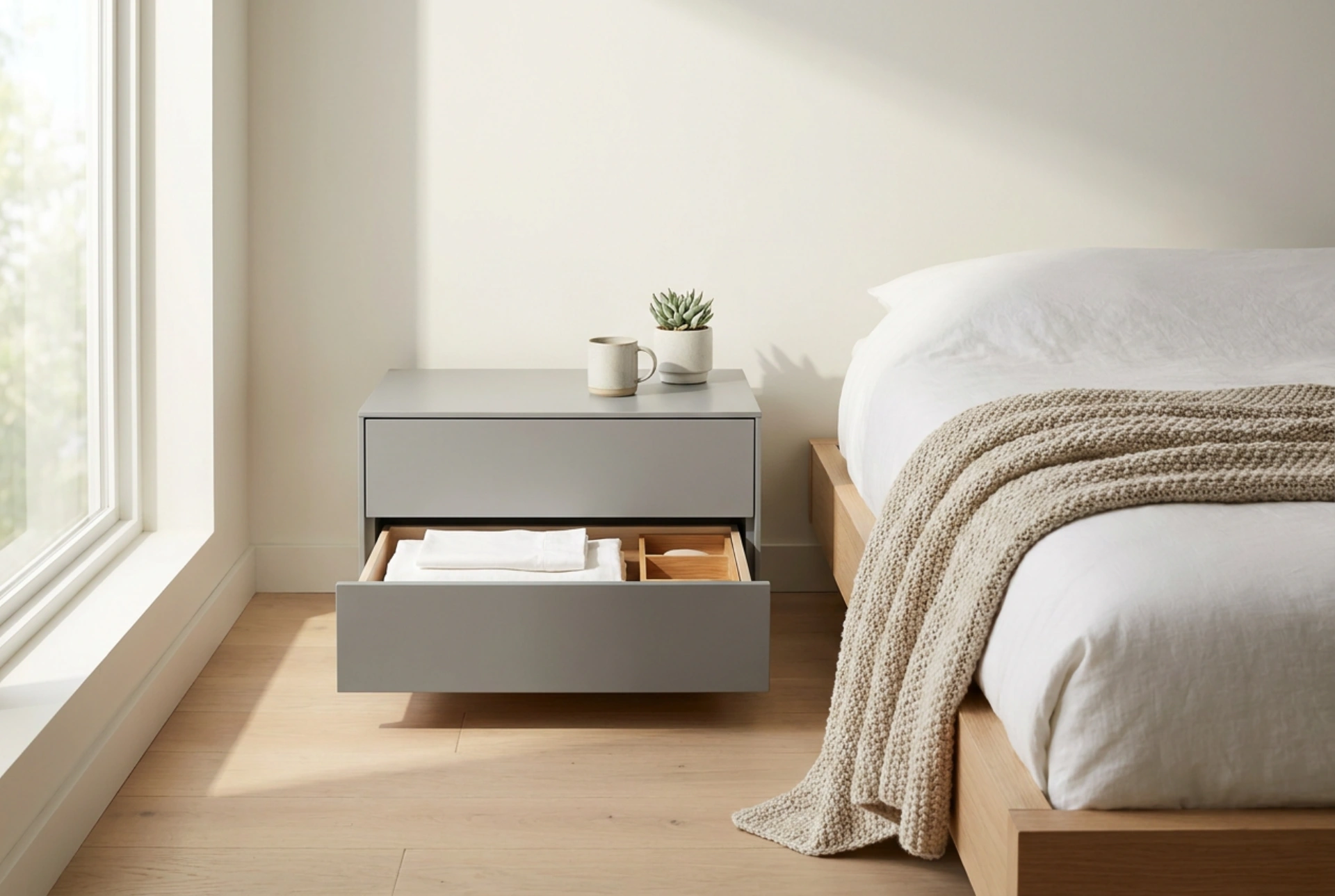


Selecting grey bedroom furniture involves more than aesthetics; the right surface texture, finish, and structural design directly dictate how easily dust, fingerprints, and clutter can be managed. By understanding material science and ergonomics, you can curate a serene space that naturally resists grime and simplifies your daily tidying routine.
Matte versus Glossy: The Physics of Light and Fingerprints
The finish of your grey furniture determines how light interacts with surface contaminants. High-gloss grey surfaces act like mirrors; they have high surface energy, which causes natural skin oils (sebum) to transfer easily and stand out in sharp contrast. Every touch leaves a visible smudge due to the way smooth surfaces reflect light directionally. Conversely, ultra-matte grey finishes or textured wood-grain laminates scatter light in multiple directions, rendering minor smudges and dust practically invisible.
Furthermore, material composition affects electrostatic attraction. Synthetic laminates often build up static charges that pull airborne dust particles directly to their surfaces. To combat this, look for melamine-faced boards with anti-static properties or real wood veneers finished with matte, open-pore lacquers. These materials do not retain static electricity, allowing dust to remain airborne longer so it can be captured by ventilation systems or easily wiped away during routine cleaning.
Structural Design: Eliminating Dust Traps and Dead Zones
Airborne dust settles on any horizontal surface it encounters. Therefore, the physical structure of your grey wardrobes and bedside tables is critical for maintaining order. Open shelving units require frequent dusting and encourage visual clutter. Choosing closed cabinets with flush-fitting doors creates a physical barrier against dust, protecting your clothing and personal items.
The Importance of Furniture Clearance
- Plinth-Base Furniture: Wardrobes and chests that sit directly on the floor with a sealed plinth prevent dust, pet hair, and lost items from accumulating underneath. This eliminates a major cleaning chore entirely.
- Elevated Furniture: If you prefer legs, ensure a clearance of at least 12 to 15 centimeters. This height allows adequate airflow and provides enough physical space for vacuum nozzles or robotic cleaners to pass underneath without scuffing the furniture legs.
Optimizing Drawer Interiors for Daily Efficiency
The functionality of a grey wardrobe or dresser depends heavily on its interior configuration. Dark grey interiors, while sophisticated, absorb light and make it difficult to locate items, often leading to messy rummaging. Opt for furniture with light grey or textured white interior laminates. This contrast improves visibility, allowing you to locate garments instantly without disrupting adjacent piles.
To maintain internal order, utilize modular drawer dividers made of non-porous materials. Organizing items vertically (file-folding) rather than stacking them prevents the domino effect when pulling out a single shirt, keeping your drawers perpetually organized with minimal daily effort.
Science-Backed Maintenance of Grey Surfaces
Cleaning grey furniture requires understanding the chemical resistance of the surface finishes. Avoid using glass cleaners containing ammonia or isopropyl alcohol on matte grey coatings, as these solvents can strip protective sealants, leaving permanent glossy patches or causing discoloration over time.
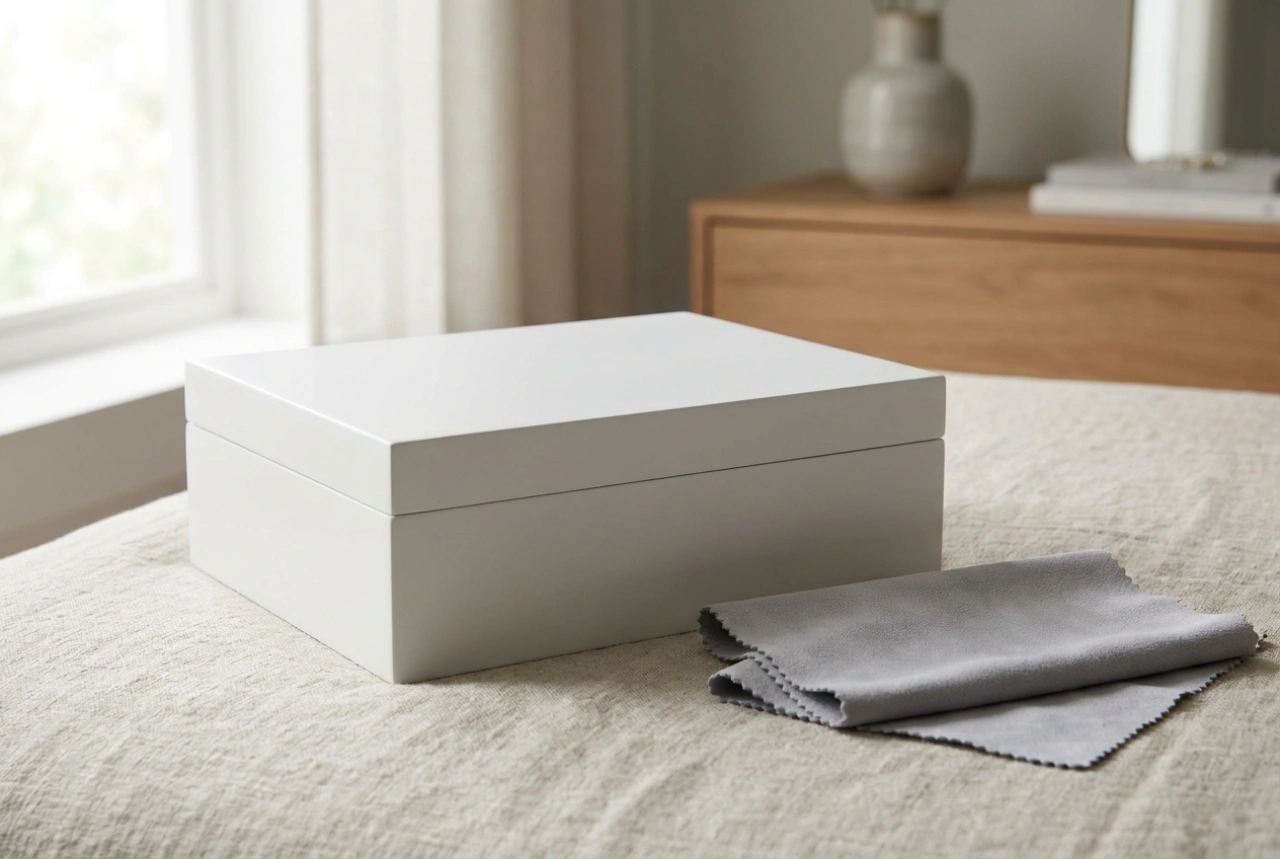
Instead, use a micro-dampened microfiber cloth. Microfiber features split polyester and polyamide fibers that create microscopic capillary forces, lifting dust and grease mechanically rather than spreading them. For stubborn spots, use a highly diluted neutral surfactant (such as mild dish soap) in warm water. Always wipe dry with a clean cloth along the grain or texture of the surface to prevent water spots and preserve the uniform matte appearance.