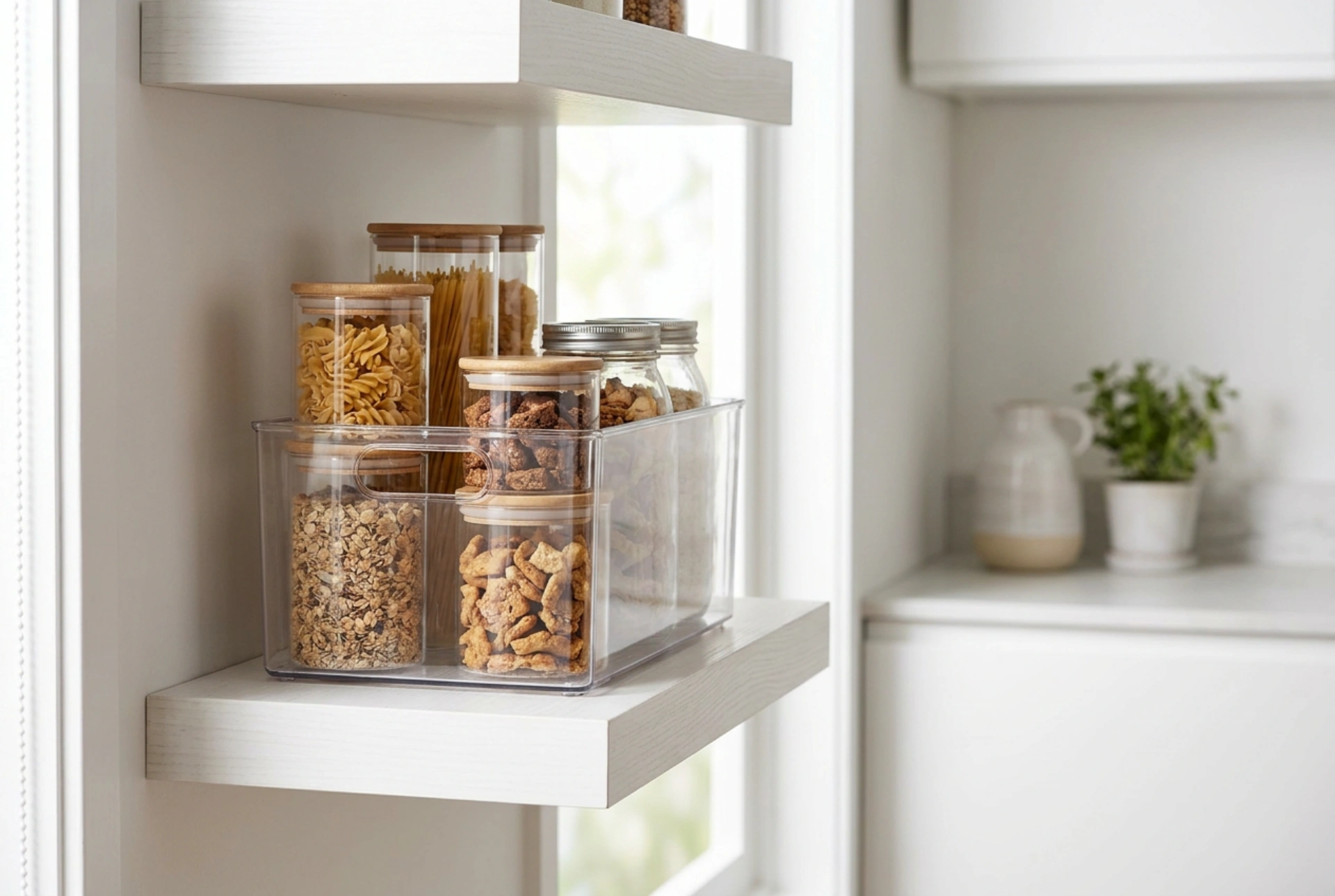


Transitioning household pantry items from open cardboard packaging into sealed plastic boxes with lids is more than an aesthetic choice; it is a fundamental method of physical preservation and spatial optimisation. Using the physical properties of modern polymers allows you to control the microclimate of your dry goods while systematically organising your domestic inventory.
The Barrier Science: Combating Humidity and Pests
Dry foods like flour, sugar, pasta, and grains are highly hygroscopic, meaning they readily absorb water vapour from the ambient air. When exposed to fluctuating kitchen humidity, these ingredients clump, degrade, and become breeding grounds for microscopic mould spores. Polypropylene and polyethylene storage boxes with tightly fitting lids establish an impermeable physical barrier. Unlike cardboard or thin paper packaging, these non-porous plastics prevent gaseous water molecules from infiltrating the container. Additionally, a secure lid prevents common household pests, such as flour beetles and pantry moths, from detecting chemical food scents and breaching the supply.
Visual Inventory Management and the Psychology of Decanting
The Transparent Advantage
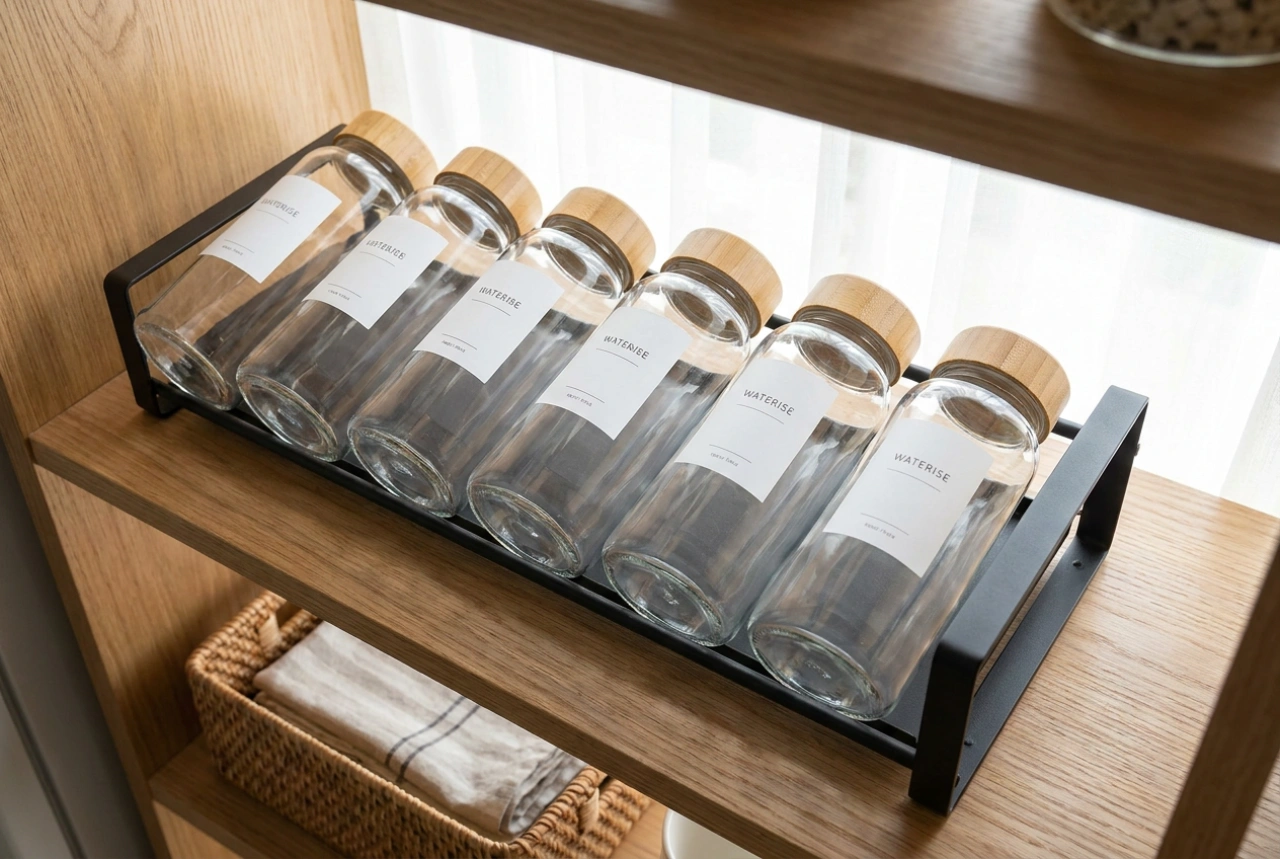
Using clear plastic containers eliminates the need to physically open packages to assess stock levels. This visual feedback loop prevents both over-purchasing and unexpected shortages. When you can instantly see the exact volume of a resource, you naturally align your cooking and shopping habits with actual consumption rates.
The Mechanics of Decanting
Decanting—transferring goods from original retail packaging into uniform containers—standardises storage volumes. Cardboard boxes are rarely filled to capacity, wasting up to forty percent of their external volume. Uniform plastic boxes allow for dense packing, maximising shelf utilisation by eliminating dead space. When transferring products, always cut out and tape the expiry date or batch number to the underside of the lid to maintain traceability.
Stackability, Gravity, and the FIFO System
Maximising vertical space relies on the structural integrity of the storage containers. Plastic boxes with recessed lids are engineered to distribute weight evenly, allowing multiple units to be stacked without risk of buckling or tipping. To manage perishable or semi-perishable goods effectively, implement the First-In, First-Out (FIFO) system.
- Rotational Order: When restocking, place the newest containers at the bottom or back of the stack, and move the older inventory to the top or front.
- Weight Distribution: Always position heavier, denser items (like rice, salt, or canned goods inside larger bins) at the bottom of the shelving unit to keep the centre of gravity low and prevent shelf sagging.
- Frequency of Use: Place frequently accessed boxes at eye level, while seasonal or bulk reserves occupy the highest and lowest zones.
Preventing Static and Maintaining Cleanliness
Over time, plastic containers can accumulate static electricity, which attracts dust and fine powder particles (like flour or starch) to their exterior walls. To maintain pristine storage conditions, establish a systematic cleaning protocol. Wash containers with warm water and a mild, fragrance-free surfactant. Avoid abrasive scrubbing pads that can create micro-scratches on the plastic surface; these microscopic grooves can harbour bacteria and moisture. After rinsing, ensure the containers are completely dry before refilling. Even a microscopic film of residual water can trigger mould growth in dry ingredients within forty-eight hours.