

To prevent curtains from shrinking and losing their elegant drape, you must manage water temperature, mechanical agitation, and fibre tension during the washing and drying cycle. Washing these large textiles incorrectly can permanently alter the structural integrity of the fabric, leading to distorted hems and uneven lengths.
The Science of Fabric Shrinkage
Understanding why curtains shrink requires a look at textile physics. Natural fibres like cotton, linen, and wool are highly susceptible to relaxation shrinkage. During the manufacturing process, these fibres are spun and woven under high tension. When exposed to water, heat, and mechanical agitation, this built-in tension is released. Water molecules penetrate the amorphous regions of the cellulose or protein chains, breaking the temporary hydrogen bonds. This allows the polymer chains to relax and coil back into their natural, shorter state.
Synthetic fibres, such as polyester or acrylic, are thermoplastic and far more dimensionally stable in water. However, they are sensitive to high heat, which can cause thermal shrinkage by disrupting the oriented molecular structure of the synthetic polymer. Therefore, maintaining control over temperature and physical movement is essential for both natural and synthetic window dressings.
Temperature Control and Gentle Chemistry
To preserve the exact dimensions of your curtains, you must control the wash temperature. Always wash curtains at a maximum of 30°C, or use a cold-water cycle. High temperatures accelerate the relaxation of natural fibres and can soften synthetic fibres, making them prone to permanent creasing.
The choice of detergent also plays a significant role in protecting fabric structure. Avoid harsh alkaline laundry detergents, which can cause natural fibres to swell excessively. Instead, select a mild, neutral-pH liquid detergent. Liquid formulations dissolve completely even in cold water, preventing abrasive residues from lodging between the woven yarns. For delicate materials, a small amount of fabric softener or a specialised fibre-smoothing agent can reduce friction between the yarns during the wash cycle, preventing mechanical wear and linting.
Reducing Mechanical Stress: Spin Cycles and Drum Load
Mechanical action is a primary catalyst for progressive shrinkage and deep creasing. When wet fabric is subjected to high-speed spinning, centrifugal force presses the material tightly against the washing machine drum. This compression forces the damp fibres closer together, locking wrinkles in place and distorting the weave.
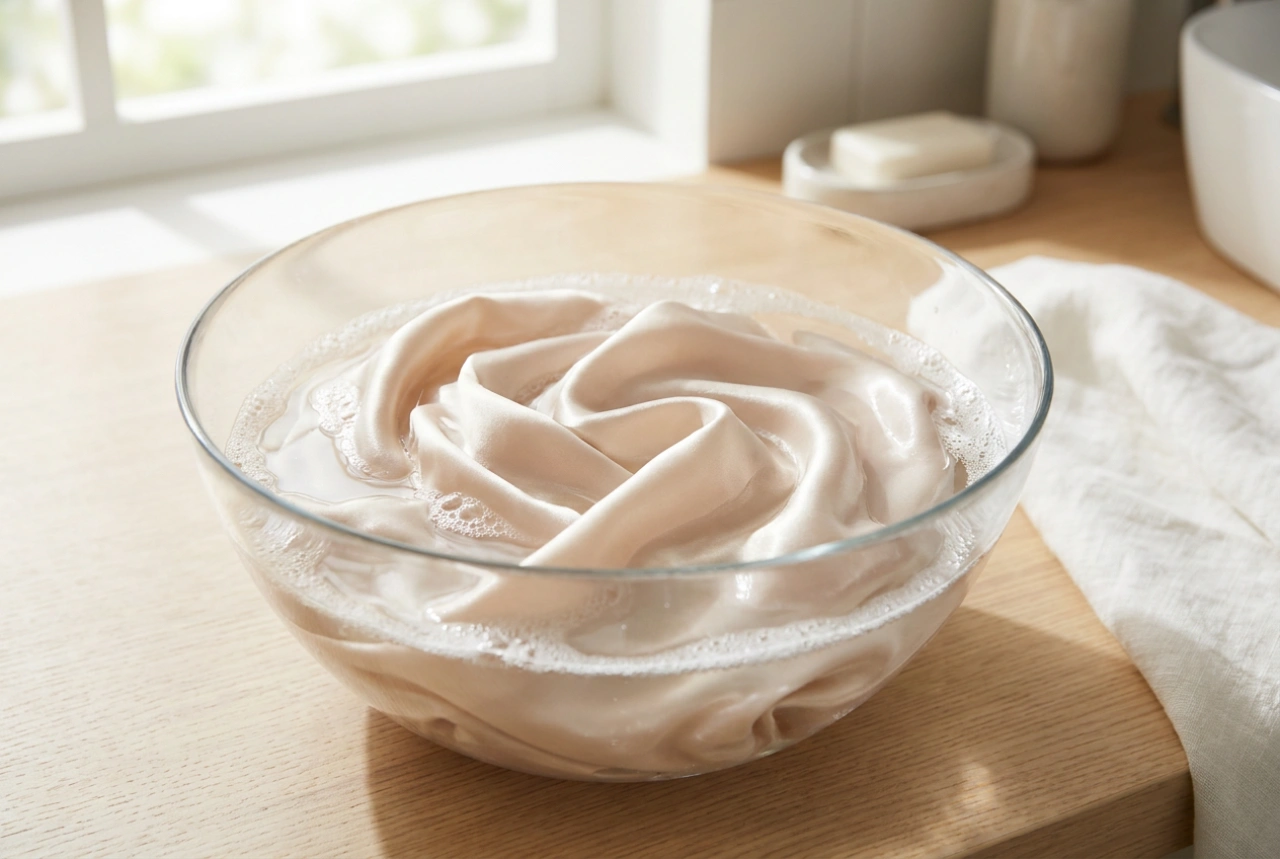
- Limit the Spin Speed: Set your washing machine to a low spin speed, ideally between 400 and 600 RPM. For highly delicate fabrics like sheer organza or loose-weave linen, bypass the spin cycle completely and drain the water manually.
- Avoid Overloading: Curtains need ample space to move freely inside the drum. Overloading the machine increases friction and prevents the even distribution of water and detergent, leading to localized stretching and uneven wear. Wash one large curtain panel at a time to ensure gentle mechanical movement.
Hanging Technique: Utilizing Gravity for a Flawless Drape
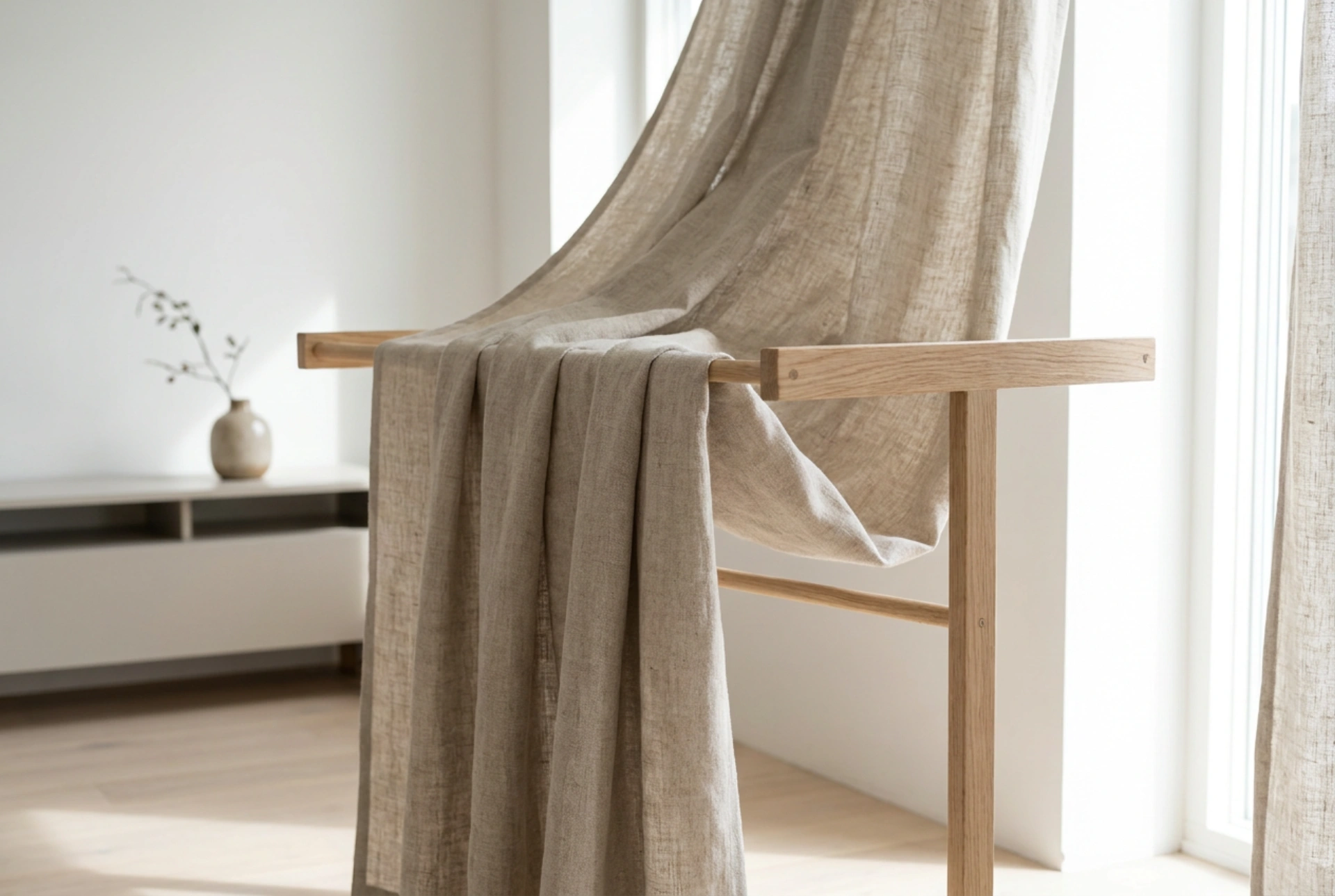
The most effective way to dry curtains without wrinkles or shrinkage is to hang them while they are still damp. This technique relies on gravity to do the heavy lifting, literally. When curtains are hung wet, the weight of the retained water pulls down on the fabric fibres, applying a gentle, constant tension that naturally smooths out creases as the moisture evaporates.
First, remove the damp curtains from the machine immediately after the cycle ends to prevent musty odours and deep creases from settling. Reinsert the drapery hooks or rings and hang the panels directly onto the curtain rod or track. Carefully arrange the folds of the fabric into their natural pleats. To lock the shape in place, you can gently smooth the fabric with your hands from top to bottom, applying light downward pressure along the side seams and hems. This alignment ensures the fabric dries straight, preventing the hems from curling or bowing upwards.
A Step-by-Step Maintenance Checklist
For consistent results and to prolong the life of your window treatments, follow this precise sequence:
- Vacuum the curtains thoroughly using an upholstery attachment to remove loose dust and soot before washing.
- Remove all non-fabric hardware, such as metal hooks, pins, and heavy weights, to prevent snagging and rust spots.
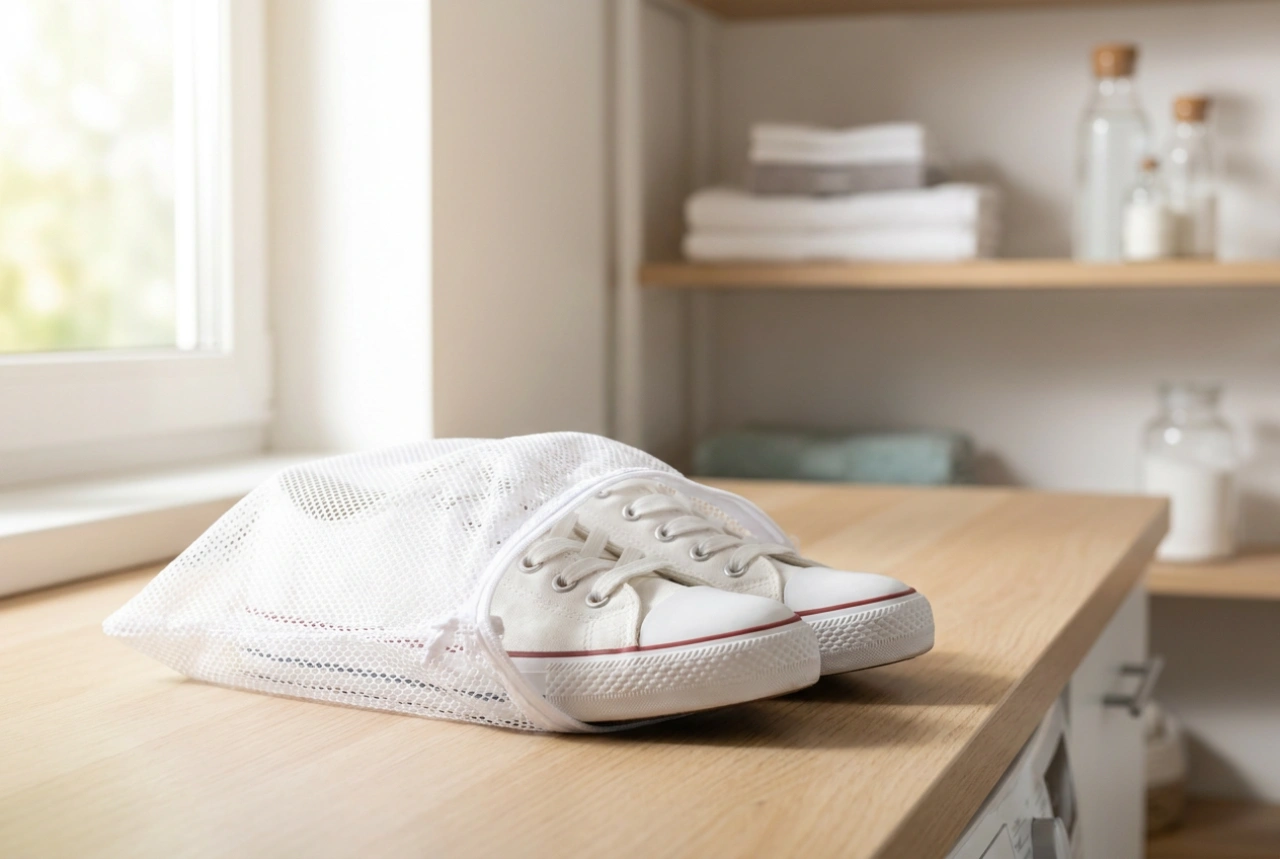
- Place delicate or fringed curtains inside a large mesh laundry bag to shield them from direct contact with the drum.
- Select a wool, delicate, or hand-wash cycle with cold water and minimal spin.
- Hang the curtains immediately while damp, adjusting the pleats and smoothing the hems by hand.