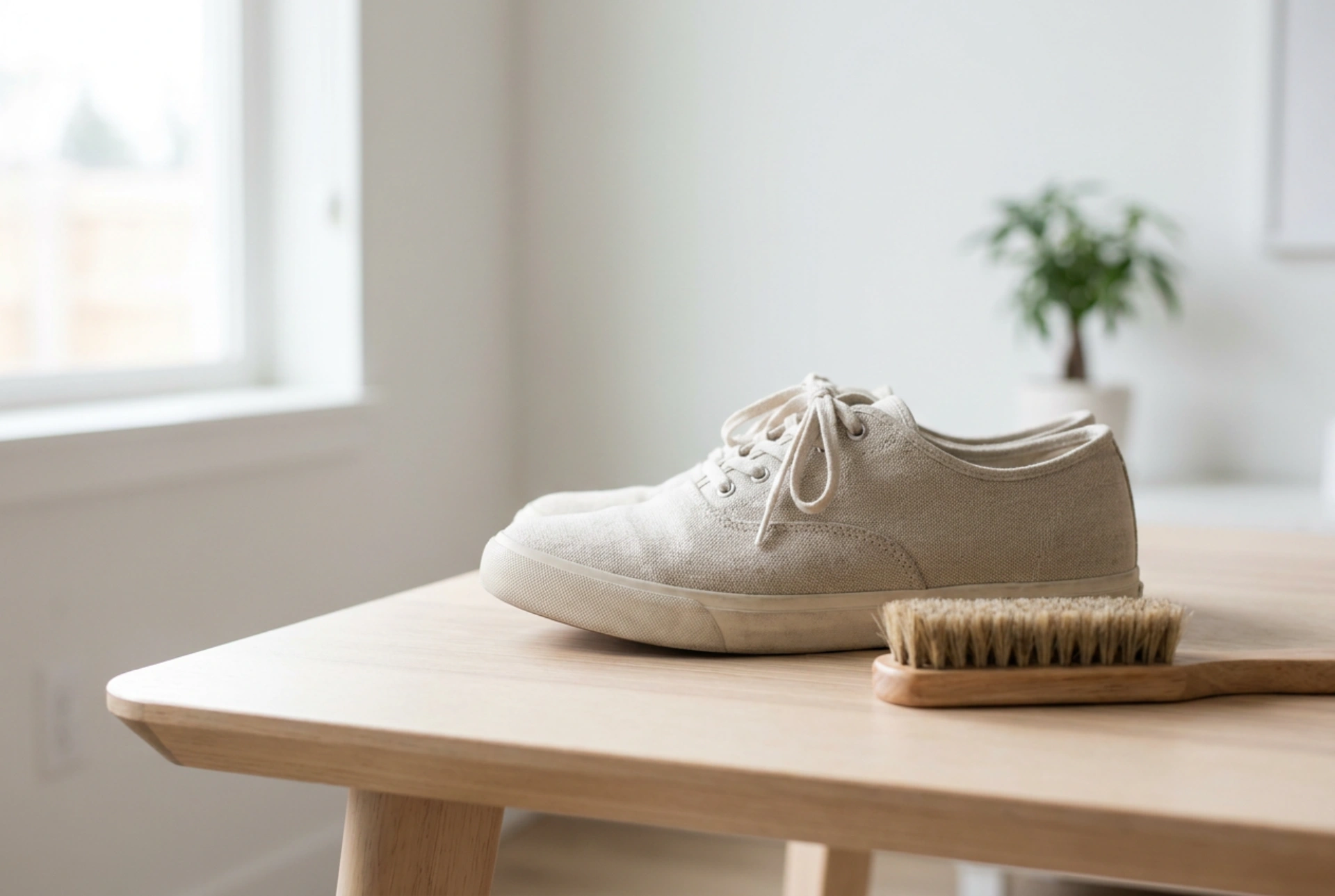


Washing shoes in a dishwasher has emerged as a tempting shortcut for restoring dirty sneakers, but the chemical and physical reality of this process poses severe risks to footwear. While the machine is designed to sterilize glass and ceramic, the high heat, intense water pressure, and alkaline environment can permanently destroy the structural integrity of shoes.
The Aggressive Chemistry of Dishwashing Detergents
Dishwasher detergents are formulated to break down proteins, starches, and fats on non-porous surfaces. To achieve this, they rely on highly alkaline agents, often reaching a pH level of 10 or higher. Footwear materials, particularly natural leather, suede, and even synthetic polymers, require pH-neutral or slightly acidic conditions to maintain their molecular bonds.
When exposed to highly alkaline solutions, the natural oils in leather are stripped away, leading to irreversible cracking and stiffness. For synthetic shoes, these harsh chemicals attack the polyurethane and neoprene adhesives that bond the upper fabric to the sole. Over a single cycle, the detergent can emulsify these glues, causing the sole to delaminate and peel away from the chassis of the shoe.
Thermal Degradation and Structural Warping
Most dishwasher cycles operate at temperatures ranging from 50°C to 70°C. While ceramics tolerate this easily, common shoe components like Ethylene-Vinyl Acetate (EVA) and Thermoplastic Rubber (TPR) are highly sensitive to heat. EVA is a foam material used in midsoles to provide cushioning; it relies on trapped gas pockets within its polymer matrix to absorb impact.
Subjecting EVA to sustained high temperatures causes these gas pockets to collapse, permanently flattening the midsole and destroying its shock-absorbing capabilities. Furthermore, synthetic mesh uppers made of polyester or nylon will shrink unevenly when heated, warping the overall shape of the shoe and altering the fit, often rendering them unwearable.
Mechanical Stress from High-Pressure Water Jets
Dishwashers clean via high-velocity water jets designed to strip dried food from solid plates. When directed at shoes, these concentrated streams force water deep into the internal layers of the heel counter and toe box. Unlike garments in a washing machine that tumble and drain continuously, static shoes in a dishwasher trap this pressurized water in their dense foam paddings.
This trapped moisture is incredibly difficult to extract and creates a breeding ground for mold and bacteria, resulting in persistent odors. Additionally, the physical force of the water jets can tear delicate mesh fabrics and strip away protective water-resistant coatings applied to the exterior of technical footwear.
A Scientific Approach to Safe Manual Cleaning
To safely clean footwear without risking structural failure, you must rely on manual cleaning techniques that respect material science. This process involves controlled mechanics and neutral chemistry:
- Preparation: Remove the laces and insoles to clean them separately. This opens up the shoe interior, allowing for proper air circulation during the drying phase.
- Chemical Action: Prepare a solution of lukewarm water (not exceeding 30°C) and a mild, pH-neutral liquid surfactant, such as a gentle laundry detergent. Avoid bleach or heavy solvents.
- Mechanical Action: Use a soft-bristled brush to gently agitate dirt on the surface. For delicate meshes, use a circular motion to lift soil without fraying the fibers. For rubber soles, a slightly stiffer brush can be used to clear dirt from tread grooves.
- Rinsing: Wipe away the soapy residue with a damp microfiber cloth. Do not submerge the entire shoe in water, as this saturates the internal cushioning layers.
- Drying via Capillary Action: Stuff the shoes with white, uninked paper towels. This draws moisture out of the fabric through capillary action while maintaining the physical shape of the toe box. Allow them to dry naturally in a well-ventilated room, far away from direct heat sources.