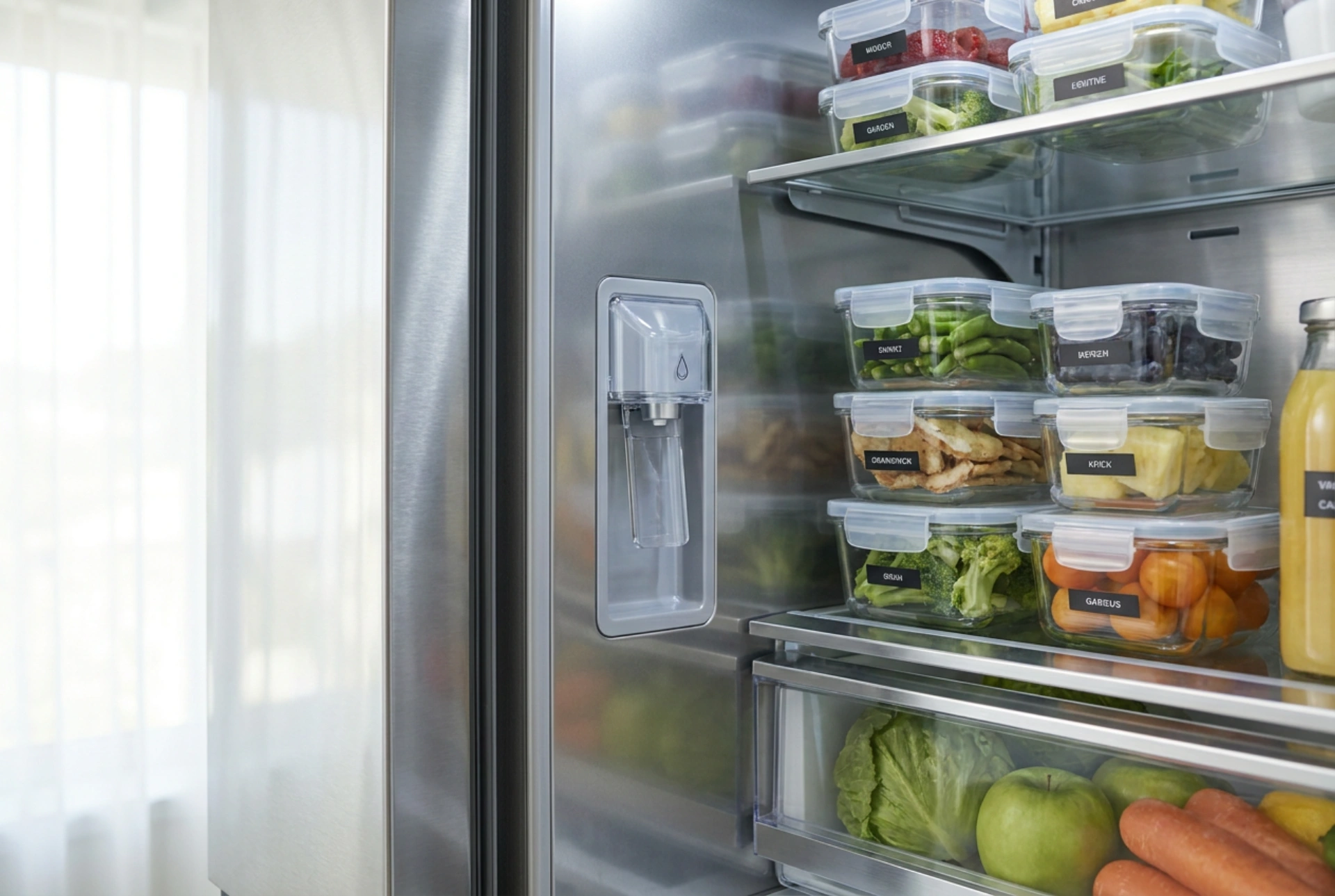


Refrigerators equipped with built-in water dispensers offer convenience, but their internal delivery lines are highly susceptible to standing water, mineral deposits, and biofilm accumulation. Eliminating persistent odours from these systems requires a methodical approach rooted in household chemistry and fluid dynamics rather than simple surface wiping.
The Science Behind Dispenser Odours: Biofilm and Scale
The primary cause of musty or chemical odours in a refrigerator water dispenser is the formation of biofilm. Water lines inside appliances are narrow, dark, and often subjected to temperature fluctuations. When water remains stagnant in these plastic tubes, micro-organisms adhere to the inner walls, secreting a slimy matrix of extracellular polymeric substances (EPS). This matrix protects the bacteria from light rinsing and traps minerals like calcium carbonate. Over time, this combination of mineral scale and organic biofilm creates a stale, swampy smell that taints the water. Simply running fresh water through the line will not dislodge this adhered layer; it requires chemical breaking of the bonds and physical flushing.
Choosing the Right Cleaning Agent: Chemistry Over Fragrance
To eliminate both biofilm and scale without damaging the delicate polymer tubes and rubber gaskets, you must select the correct chemical agent. While chlorine bleach is a powerful disinfectant, it can leave a persistent taste, degrade synthetic rubber seals over time, and pose a chemical hazard if not rinsed perfectly. Instead, food-grade citric acid is the optimal choice. Citric acid acts as a chelating agent, binding to calcium and magnesium ions in the scale, causing the mineral matrix to collapse. Furthermore, its low pH creates an inhospitable environment for microbes, effectively sanitising the system. Dilute 30 grams of citric acid powder in one litre of warm distilled water (approximately 40°C) to ensure complete dissolution and maximum chemical activity without warping the plastic lines.
The Flushing Protocol: Step-by-Step System Purging
Before beginning, turn off the water supply valve connected to the refrigerator to prevent unexpected pressure build-ups. Locate the internal water reservoir or bypass the water filter; active carbon filters will absorb your cleaning solution, rendering it useless and ruining the filter. Pour the citric acid solution into the system's external reservoir or use a dedicated gravity-feed tube adapter to introduce the solution into the primary line. Once the solution is in the system, activate the dispenser lever until the fluid begins to flow from the nozzle. Stop immediately to allow the solution to sit inside the lines for 30 to 45 minutes. This dwell time is critical; it allows the acid to dissolve the mineral scale and break down the lipid membranes of the biofilm. After the dwell time, run at least three to four litres of clean, fresh water through the system to flush out all chemical residues and dislodged particles.
Sanitising the Nozzle and Drip Tray Assembly
The physical outlet of the dispenser is exposed to external air, kitchen grease, and physical contact, making it a hotspot for mould. To clean the nozzle, use a small, soft-bristled brush soaked in a concentrated citric acid or oxygen bleach solution. Clean inside the orifice using gentle circular motions, allowing capillary action to pull the cleaning solution into the small channels. For the drip tray, remove the grate and clean the reservoir. This area often suffers from standing water evaporation, leaving thick mineral crusts. Apply a paste of citric acid and water, let it sit for 15 minutes to break the mineral bonds, and wipe clean with a microfibre cloth. Avoid abrasive pads which create microscopic scratches where bacteria can colonise.
Preventive Maintenance and Filter Management
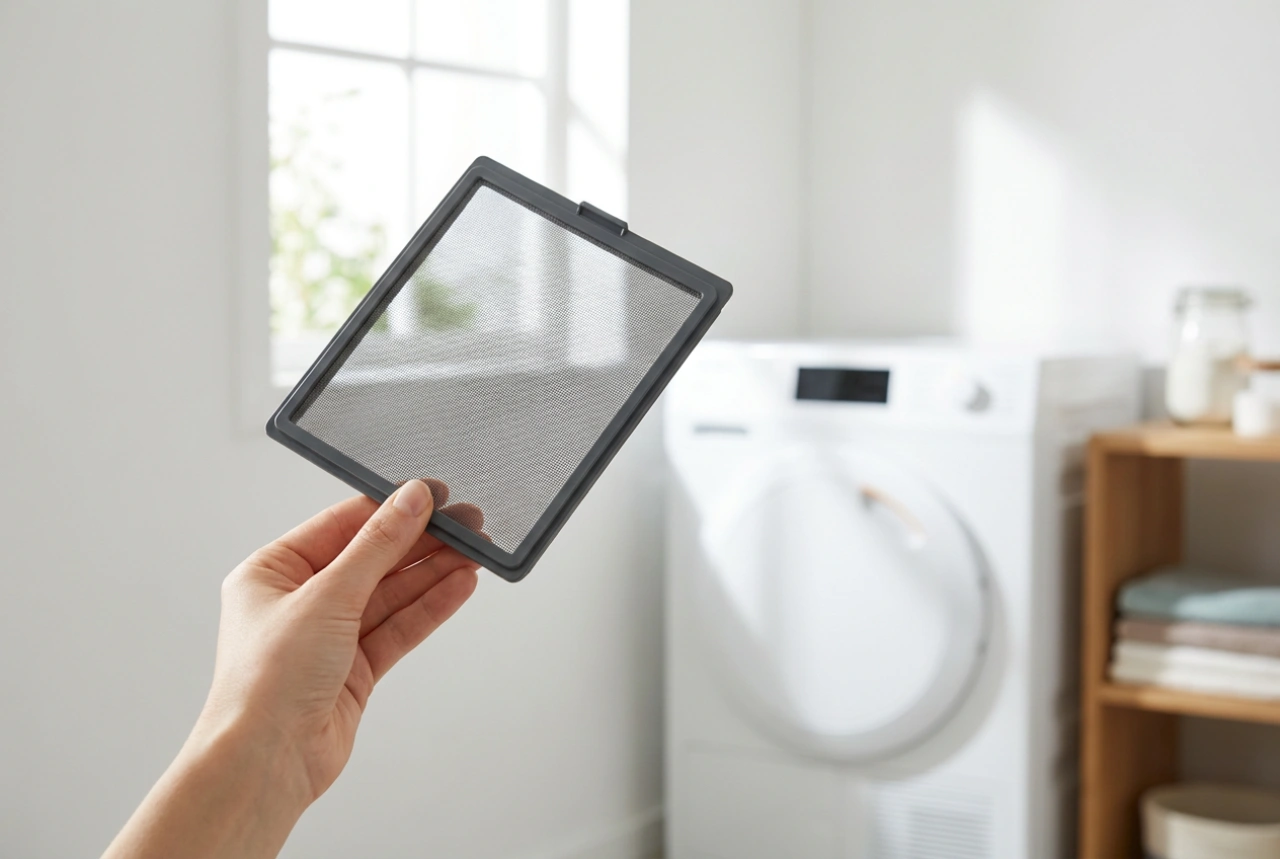
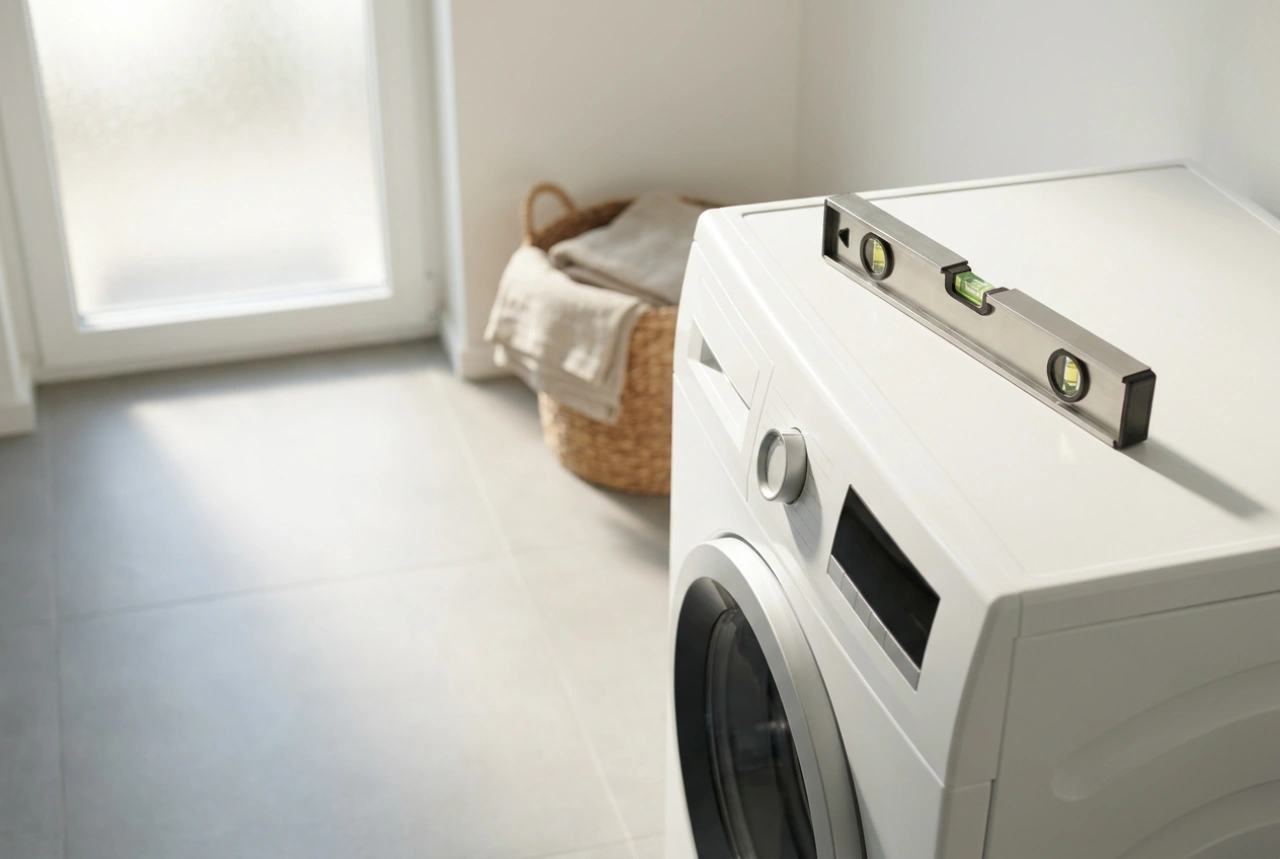
To prevent the recurrence of odours, establish a strict maintenance schedule. The active carbon filters inside your refrigerator are designed to trap organic compounds and chlorine, but once saturated, they can actually become a breeding ground for bacteria. Replace these filters every six months, or sooner if water flow rate decreases. Additionally, ensure the refrigerator is levelled correctly; an uneven appliance can cause water to pool in the dispenser assembly rather than draining completely, leading to stagnant spots and swift biofilm re-colonisation.